
Main Courses
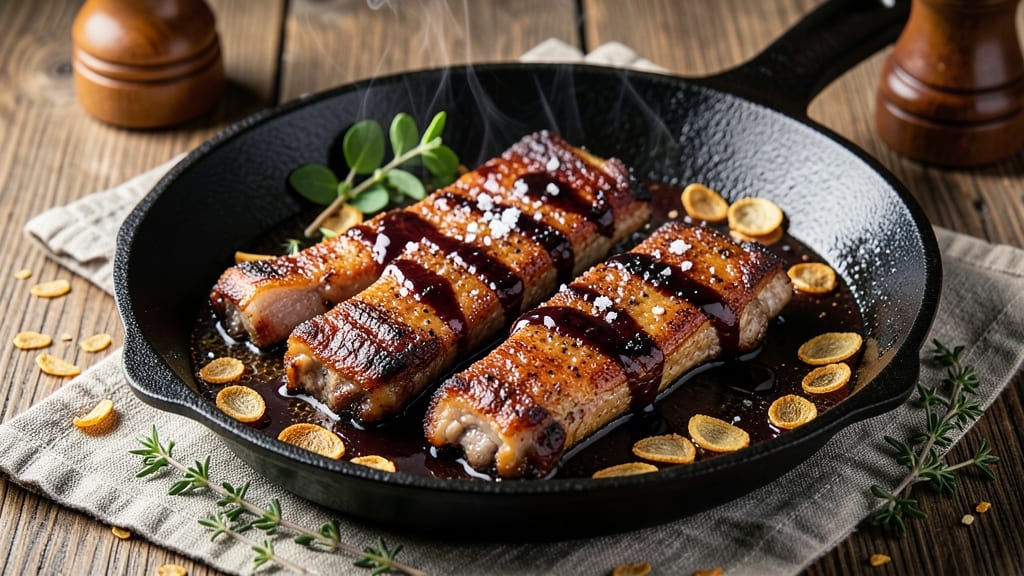
This braised boneless pork ribs recipe transforms tough cuts into melt-in-your-mouth tenderness—just like my grandmother used to make. The secret lies in low-and-slow braising, where collagen-rich connective tissue dissolves into a rich, caramelized sauce that clings to every rib.
After years of perfecting this technique at The Smoky Pig, I’ve refined it to deliver restaurant-quality results in your own kitchen, using simple ingredients and a method that’s both forgiving and impressive.
The process begins with a dry rub of smoked paprika and brown sugar to create a flavorful crust, followed by a deep braise in beer and broth that infuses the meat with depth.
Unlike quick-cooking methods, this 6-hour approach ensures the ribs stay juicy and the sauce develops layers of complexity. The key is patience—letting the ribs simmer until they’re so tender they practically fall apart at the touch, while the edges caramelize into a glossy, sweet glaze.
What you’ll end up with is a dish that’s rich, aromatic, and deeply satisfying—perfect for a weeknight dinner or a special occasion.
The ribs emerge from the braising liquid coated in a velvety sauce, their surfaces glistening with caramelized edges that add a touch of sweetness to balance the savory depth.
Serve them with crusty bread to soak up every last drop of that luscious sauce, or pair them with roasted vegetables for a complete meal.
This recipe is a testament to the magic of slow cooking, where time and technique work together to turn simple ingredients into something extraordinary.
Whether you’re feeding a family or treating yourself to a luxurious meal, these braised pork ribs will deliver the kind of comfort and flavor that makes every bite worth the wait.
Ingredients for braised boneless pork ribs
Sixteen ingredients for restaurant-quality pork ribs that melt in your mouth.
| Ingredient | Amount | Notes |
|---|---|---|
| Boneless Pork Ribs 🥓 | 2 lb | Cut into 2-inch pieces |
| Smoked Paprika 🌶️ | 2 tbsp | For dry rub, not sweet |
| Brown Sugar 🍚 | 1 tbsp | Light or dark variety |
| Kosher Salt 🧂 | 1 ½ tsp | Diamond Crystal preferred |
| Ground Black Pepper 🌶️ | ½ tsp | Freshly ground for best flavor |
| Dark Beer 🍺 | 1 cup | Stout or porter preferred |
| Beef Broth 💧 | 1 cup | Low-sodium preferred |
| Garlic Cloves 🧄 | 4 cloves | Minced for depth of flavor |
| Onion 🧅 | 1 whole | Yellow or red, chopped |
| Olive Oil 🫒 | 2 tbsp | Extra-virgin for richness |
| Tomato Paste 🍅 | 1 tbsp | Squeeze tube preferred |
| Fresh Thyme Leaves 🌿 | ¼ cup | Or 1 tsp dried thyme |
| Bay Leaves 🍃 | 2 whole | Remove before serving |
The pork ribs are the star here, so look for boneless cuts at your butcher or grocery store meat department. Costco and Whole Foods often carry excellent quality, but any reputable butcher will have a good selection. If you can't find boneless, you can trim the bones yourself, but it's a bit more work. The ribs should be well-marbled with fat for maximum flavor and tenderness during the braising process. Ask for the meat to be cut into 2-inch pieces—this ensures even cooking and better sauce absorption. If you're buying frozen, thaw them overnight in the fridge for best results.
No smoked paprika? Substitute with a mix of regular paprika and a pinch of liquid smoke—just be careful with the smoke, as it's potent. Running out of dark beer? Use red wine or even more beef broth, but the beer adds a nice depth of flavor that's hard to replicate. Fresh thyme is ideal, but dried works at one-third the amount. For the tomato paste, Trader Joe's squeeze tubes are perfect—they're convenient and keep for months. The onion and garlic are non-negotiable for building flavor, but if you're in a pinch, you can use onion powder and garlic powder (though fresh is always better).
This dish tastes even better the next day, so make extra if you can. The braised ribs keep well in the fridge for 4-5 days, and the sauce freezes beautifully for up to 3 months. Store the ribs and sauce separately—reheat the sauce first, then add the ribs to warm through. For serving, I like to arrange the ribs on a platter and spoon the sauce over the top, then garnish with fresh thyme leaves. The sauce also makes an excellent dipping sauce for crusty bread or roasted potatoes.
Why You'll Love This Recipe
- One-Pan Magic: I swear by this recipe—just toss the ribs, spices, and a splash of liquid in one pan. No fancy equipment, no flipping, no stress. The smoked paprika and brown sugar caramelize into a glossy glaze that practically does the work for you.
- Sweet-Savory Crave: That balance of smoky paprika and brown sugar? It’s ridiculously good—like a hug for your taste buds. The salt and pepper cut through the sweetness just enough to make every bite unforgettable.
- Leftovers That Win: Honestly, I almost always make double. The ribs stay tender for days, perfect for quick lunches or reheating with a splash of broth. My kids beg for them cold straight from the fridge—no joke.
- Budget-Friendly Feast: Boneless pork ribs stretch further than you’d think, and the spices cost pennies. You’re getting restaurant-quality flavor without the markup, plus enough leftovers to feed the whole week. My wallet thanks me every time.
Step-by-step instructions for braised boneless pork ribs
Transform tough cuts into tender, caramelized perfection with this precise braising method.
Prepare and Season the Pork Ribs
Cut the 2 lb boneless pork ribs into 2-inch pieces using a sharp boning knife. This size ensures even cooking and maximum tenderness. Pat each piece dry with paper towels—this step is crucial for developing that beautiful caramelized crust later.
In a small bowl, combine the 2 tbsp smoked paprika, 1 tbsp brown sugar, 1.5 tsp kosher salt, and 0.5 tsp ground black pepper. Rub this mixture evenly over all sides of the pork ribs, pressing gently so the spices adhere. Let the seasoned ribs rest at room temperature for 15 minutes while you prepare the braising liquid. This resting period helps the seasoning penetrate the meat.
Sear the Ribs for Depth of Flavor
Heat 2 tbsp olive oil in a large, heavy-bottomed pot or Dutch oven over medium-high heat until shimmering. Working in batches if needed, add the seasoned pork ribs and sear for 3-4 minutes per side until they develop a deep golden-brown crust. Don't overcrowd the pot—this prevents proper browning and steaming instead of searing.
As you sear, you'll notice the ribs release their juices and create a rich, aromatic foam in the pot. This is where all the flavor begins. Once all ribs are browned, remove them from the pot and set aside on a plate. You'll return them to the pot shortly, but first, we need to build the braising liquid.
Build the Braising Liquid
In the same pot, reduce the heat to medium and add the 1 whole chopped onion and 4 cloves minced garlic. Cook for 3-4 minutes until the onions soften and become translucent, releasing their sweet, caramelized aroma. This step forms the flavor base for the braise.
Stir in the 1 tbsp tomato paste and cook for 1 minute until it darkens slightly and loses its raw taste. This adds depth and richness to the braising liquid. Pour in the 1 cup dark beer and 1 cup beef broth, scraping up any browned bits from the bottom of the pot. These bits, called fond, are packed with flavor—don't miss them. Add the 0.25 cup fresh thyme leaves and 2 whole bay leaves to the pot as well.
Braise Until Fork-Tender
Return the seared pork ribs to the pot, spooning some of the braising liquid over them to ensure they're partially submerged. Bring the liquid to a gentle simmer over medium-low heat, then reduce the heat to low to maintain a bare simmer. Cover the pot with a tight-fitting lid and let the ribs braise for 2 to 2.5 hours. This slow cooking time is essential—it breaks down the connective tissue, transforming tough meat into silky, fork-tender perfection.
Check the ribs after 1.5 hours—they should be tender but still have a way to go. If the liquid reduces too much and the ribs aren't fully submerged, add 2-3 tablespoons of hot water to maintain the proper moisture level. The ribs are done when they easily pull apart with a fork and the liquid has thickened into a rich, caramelized sauce.
Finish and Serve
Once the ribs are fork-tender, remove them from the pot and transfer them to a serving platter. Skim off any excess fat from the braising liquid, then increase the heat to medium-high to reduce the sauce for 3-5 minutes until it thickens slightly. This step intensifies the flavors and creates a glossy, velvety coating for the ribs.
Discard the bay leaves before serving. Spoon the reduced braising sauce over the ribs and garnish with additional fresh thyme leaves if desired. Serve immediately with crusty bread or over mashed potatoes to soak up every last bit of that luscious sauce. The result is melt-in-your-mouth pork with caramelized edges and a sauce so rich, it'll have everyone asking for seconds.
Pro Tips For Making Braised Boneless Pork Ribs
- SEAR THE RIBS FIRST: I learned this the hard way—skipping the sear means your ribs will taste like they simmered in water, not caramelized magic. Hit them with a hot pan (no oil needed if they’re fatty enough) until deep brown on all sides. That crust locks in flavor and turns your braise from good to damn good.
- SALT THE MEAT TWICE: First, salt the ribs generously before searing—let them sit 30 minutes uncovered in the fridge. Then, after braising, sprinkle another layer of kosher salt right before serving. The second hit crisps the surface while the first ensures the meat stays juicy. (Yes, even if you’re impatient like me.)
- DON’T SKIP THE BROWN SUGAR: That brown sugar isn’t just for sweetness—it’s the glue that thickens the sauce and adds depth. Use it early in the braise (after deglazing) so it caramelizes with the paprika and fond. If you add it later, you’ll just end up with a sticky mess instead of a glossy, flavor-packed sauce.
- LOW AND SLOW IS NON-NEGOTIABLE: I used to rush this part, thinking "low and slow" was a myth. Wrong. Cover the ribs with liquid, then simmer at barely a bubble—180°F (82°C) if your thermometer’s handy. Any hotter, and you’ll dry out the meat. Check for tenderness at 2 hours; they’ll finish in 3-4 total. Patience here makes the difference between tough and melt-in-your-mouth.
Flavor customization for this recipe
Sweet & Smoky Profile
For a deeper caramelized flavor, boost the sweetness by adding 1 extra tablespoon of brown sugar to the dry rub and 1 tablespoon of maple syrup to the braising liquid.
This creates a glossy, sticky glaze that clings beautifully to the ribs. I often use Penzeys smoked paprika for that authentic BBQ depth—it’s my go-to for any pork dish. 🔥
Spicy Kick Options
Want heat? Add 1 teaspoon of cayenne pepper to the dry rub or 2 slices of fresh jalapeño to the braising liquid for a subtle burn.
For a smoky-spicy twist, swap ½ cup of the beer for chipotle-infused beer (like Omission IPA with chipotle), which adds smoldering depth without overpowering. Always taste as you go!
Herb Variations
Swap thyme for rosemary (use 1 sprig instead of thyme leaves) for an earthy, piney note that pairs beautifully with pork. Or try fresh sage—add 4 leaves to the braising liquid for a savory, slightly bitter contrast. I’ve also had great success with fresh oregano in Mediterranean-style braises.
Umami Boosts
For extra depth, stir in 1 tablespoon of fish sauce or 1 teaspoon of soy sauce into the braising liquid. These add a salty, savory punch that elevates the dish.
Another trick? Add 1 tablespoon of Worcestershire sauce—it’s a game-changer for richness. Just don’t overdo it, or the sauce will taste too salty. ✨
Regional Twists
For a Southern-style version, add 1 tablespoon of hot sauce (like Crystal) to the braising liquid. For a German-inspired take, swap the beer for dark lager and add 2 juniper berries (lightly crushed) to the pot. Both versions keep the tender texture while adding bold regional character.
Vegetable Add-Ins
Boost nutrition (and flavor!) by adding 1 cup of chopped mushrooms or 1 diced carrot to the braising liquid. They’ll soften beautifully and soak up the sauce. I also love tossing in ½ cup of pearl onions—they caramelize right alongside the ribs for a sweet, jammy texture. 💫
Nutrition facts
Frequently asked questions
Can I use regular pork ribs instead of boneless?
Yes, but you'll need to trim off the bones first. Use a sharp boning knife or ask your butcher to do it for you. The braising time remains the same, but boneless ribs cook more evenly and absorb the sauce better. Just be extra careful when searing to avoid burning the meat near the bones.
What if I don't have dark beer?
No problem! Use red wine or even more beef broth—just add 1 extra tablespoon of tomato paste for depth. The beer adds maltiness that's hard to replicate, but the dish will still turn out rich and flavorful. For a non-alcoholic version, substitute with apple cider or extra broth.
How do I keep the ribs from drying out?
Never skip the sear—it locks in juices. Keep the ribs partially submerged during braising, adding 2-3 tablespoons of hot water if needed. Cover tightly and maintain a gentle simmer (not a rolling boil). The 2-2.5 hour cook time is ideal—overcooking is the real enemy of tenderness.
Can I make this in a slow cooker?
Brown the ribs first, then transfer everything to a 6-quart slow cooker. Cook on low for 6-7 hours or high for 4-5 hours. The sauce may be thinner, so reduce it on the stovetop before serving. The slow cooker method is perfect for hands-off prep.
What's the best way to reheat leftovers?
Reheat gently in the sauce over low heat for 5-10 minutes—never microwave dry. For extra tenderness, add 1-2 tablespoons of broth or water to the sauce. Leftovers keep well for 4-5 days in the fridge, and the sauce freezes beautifully for up to 3 months.