
Main Courses
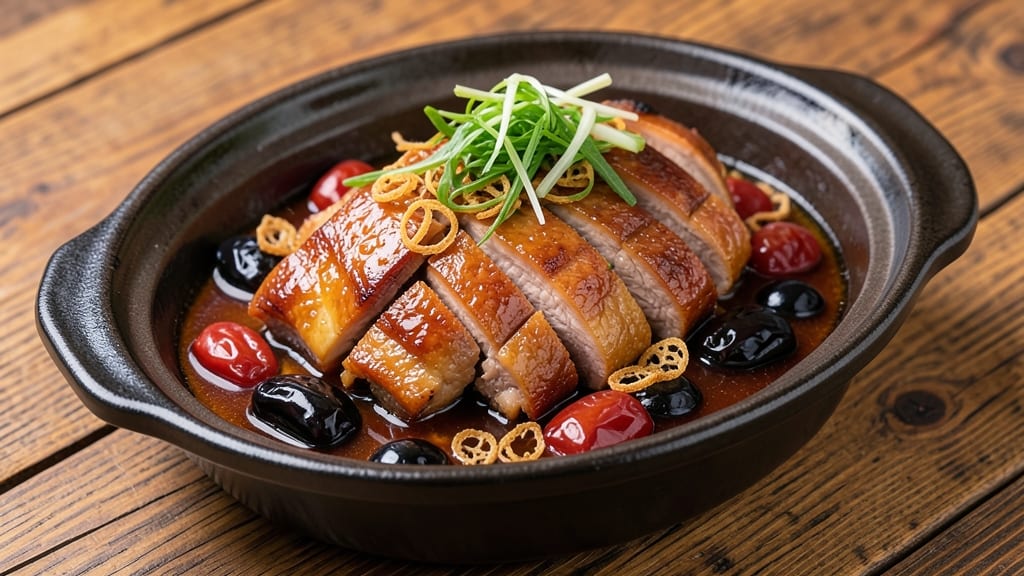
This Chinese-style braised pork delivers restaurant-quality depth with tender meat and aromatic spices that transform any meal. 🌟 I first discovered this technique while studying traditional Cantonese cooking, where braising transforms tough cuts into melt-in-your-mouth perfection through slow, gentle heat and layered flavors.
The five-spice powder creates that signature glow while soy sauce and fermented bean paste build the umami foundation.
The magic happens in the braising process—pork shoulder simmers until fork-tender while absorbing the rich, caramelized sauce. Unlike quick stir-fries, this dish rewards patience with layers of complexity: crispy edges on the meat, velvety sauce, and fragrant spices that linger long after the first bite.
Modern kitchens can achieve the same results using a Dutch oven or slow cooker, making this traditional technique accessible.
What you'll end up with is a dish that's equally at home on weeknight dinner tables or holiday spreads. The pork remains juicy and flavorful, coated in a glossy sauce that's perfect for serving over steamed rice or noodles.
Each bite delivers that perfect balance of sweet, salty, and aromatic—exactly what makes Chinese braised dishes so universally loved.
Pair with simple steamed greens or pickled vegetables to complete the meal. The leftovers actually improve over time as flavors meld further, making this a perfect make-ahead option for busy families. Let's create this comforting classic that brings a taste of China to your kitchen.
Ingredients for braised pork recipe chinese style
The perfect blend of aromatic spices and tender pork transforms any meal into Chinese restaurant magic.
| Ingredient | Amount | Notes |
|---|---|---|
| Pork Shoulder 🐷 | 2 lb | Bone-in for flavor, cut into 2-inch chunks |
| Five-Spice Powder 🌶️ | 2 tbsp | Authentic Chinese blend preferred |
| Light Soy Sauce 🥄 | ½ cup | Kikkoman works perfectly |
| Dark Soy Sauce 🥄 | 1 tbsp | For deeper color and flavor |
| Fermented Bean Paste 🍜 | ¼ cup | Doubanjiang for authentic taste |
| Brown Sugar 🍯 | ¼ cup | Packed, not scooped |
| Fresh Ginger 🧄 | 2 tbsp | Finely minced, skin on |
| Garlic Cloves 🧄 | 6 cloves | Smashed, not minced |
| Shaoxing Wine 🍷 | ¼ cup | Dry Chinese cooking wine |
| Water 💧 | 1 cup | For initial braise |
| Cornstarch 🌾 | 1 tbsp | For sauce thickening |
| Sesame Oil 🫒 | 1 tsp | Toasted, for finishing |
| Scallions 🧅 | 3 whole | Sliced, for garnish |
| Salt 🧂 | 1 tsp | Kosher, adjust to taste |
| Black Pepper 🌶️ | ½ tsp | Freshly cracked |
The pork shoulder is non-negotiable here—bone-in for maximum flavor, and 2-inch chunks ensure even cooking. Costco or your local butcher shop will have the best cuts. Look for good marbling and ask for the shoulder blade section. The five-spice powder should be authentic Chinese blend—Penzeys or Asian markets carry the good stuff. Fermented bean paste (doubanjiang) is the umami bomb—look for the red, oily kind in the international aisle. Fresh ginger and garlic? Buy extra—you'll want them for other dishes too.
No Shaoxing wine? Dry sherry works in a pinch, but it won't be exactly the same. The dark soy sauce is crucial for that signature color—don't skip it. Brown sugar should be packed, not scooped, for accurate measurement. For a quicker version, start with 1 tbsp cornstarch mixed with 1 tbsp water instead of dry cornstarch. The scallions can be frozen if you're prepping ahead—just thaw and slice before serving. And if you're feeling fancy, toast the five-spice powder in a dry pan for 30 seconds to wake up the flavors.
This dish gets better with time—3-4 days in the fridge is perfect for leftovers. The sauce thickens as it cools, so add a splash of water when reheating. Freezes beautifully for up to 3 months—portion into containers with a layer of sauce to keep everything moist. I always make a double batch because it disappears faster than you'd think. Serve over steamed rice or noodles for the full experience.
Why You'll Love This Recipe
- One-Pan Magic: I swear by this recipe when I’m too tired to wash pots—just sear the pork, toss in the five-spice and fermented bean paste, then let it slow-cook. The dark soy sauce caramelizes right in the pan, turning it into a glossy, flavor-packed sauce with zero extra cleanup.
- Umami Bomb: That fermented bean paste? It’s the secret weapon—deep, nutty, and slightly funky, like a cross between peanut butter and soy sauce. The five-spice powder adds warmth, while the light soy sauce keeps it bright, so every bite is rich but never heavy.
- Leftovers That Shine: This dish tastes better the next day, honestly. I make a big batch on Sundays, and by Wednesday, the pork is falling apart, soaking up all that sticky, caramelized sauce. Reheat it with a splash of water, and it’s like a second meal.
- Budget Feast: Pork shoulder is cheap, and a single cut feeds four for under $15. The fermented bean paste and five-spice powder are pantry staples that stretch across multiple recipes, so you’re not just making one meal—you’re stocking up on flavor for weeks.
Step-by-step instructions for Chinese-style braised pork
This method delivers melt-in-your-mouth pork with a glossy, umami-rich sauce that clings perfectly to every bite.
🔥 Step 1: Sear the Pork for Maximum Flavor
Heat a large Dutch oven over medium-high heat until hot. Add the 2 lb pork shoulder in a single layer, working in batches if needed. Let it sear undisturbed for 4-5 minutes per side until deeply browned and crispy—this builds the foundation for rich flavor. You'll see those gorgeous caramelized edges that signal proper searing.
Once all pieces are browned, remove them and set aside. Don't wipe out the Dutch oven—those precious browned bits (fond) will form the base of your sauce. Here's the thing—if you rush this step, your final dish will taste flat. Take your time and get that perfect crust on every piece.
👨🍳 Step 2: Build the Flavor Base with Aromatics
In the same Dutch oven, add 2 tablespoons minced fresh ginger and 6 smashed garlic cloves. Cook for 1-2 minutes until fragrant and just starting to color—this releases their full potential. Be careful not to burn them, though; garlic turns bitter in seconds.
Stir in 2 tablespoons five-spice powder, 1 teaspoon salt, and ½ teaspoon black pepper, coating everything evenly. Cook for 30 seconds to toast the spices and awaken their flavors. This is where the magic happens—those spices will infuse into the pork as it braises, creating that signature Chinese five-spice glow.
🍳 Step 3: Deglaze and Simmer the Sauce
Pour in ½ cup light soy sauce, 1 tablespoon dark soy sauce, ¼ cup fermented bean paste, ¼ cup brown sugar, and ¼ cup Shaoxing wine. Scrape up all those browned bits from the bottom with a wooden spoon—this is called deglazing and captures all that concentrated flavor. Let the mixture bubble vigorously for 2-3 minutes until it reduces slightly and thickens.
Return the pork to the Dutch oven, add 1 cup water, then bring to a gentle simmer. Here's the crucial part: cover the pot and reduce heat to low. Let it cook for 1 hour 15 minutes without disturbing it. The pork should be tender enough to pierce with a fork, and the sauce should be thick and glossy. If it reduces too quickly, add a splash of water.
⏰ Step 4: Finish with Glossy Perfection
Uncover the Dutch oven and increase heat to medium-high. Let the sauce reduce for 5-7 minutes until it coats the back of a spoon and becomes syrupy. This is where the sauce transforms from good to spectacular—thick enough to cling but still silky smooth.
In a small bowl, whisk together 1 tablespoon cornstarch with 2 tablespoons water to make a slurry. Slowly stir this into the sauce, letting it simmer for another 2 minutes until fully thickened. Finish with 1 teaspoon sesame oil and 3 sliced scallions, stirring gently to combine. The sesame oil adds that final nutty aroma that makes this dish irresistible.
🍽️ Step 5: Rest and Serve with Confidence
Let the braised pork rest for 10 minutes before serving. This resting period allows the juices to redistribute, ensuring each bite is moist and flavorful. The pork should be fork-tender with a glossy, caramelized exterior that practically sings with umami.
Serve immediately with steamed jasmine rice to soak up that incredible sauce. The contrast of the tender pork against the fluffy rice is pure comfort food perfection. And here's the best part—this dish tastes even better the next day as the flavors deepen and meld together. Store leftovers in the refrigerator for up to 3 days or freeze for 3 months.
Pro Tips For Making Braised Pork Recipe Chinese Style
- CRANK THE HEAT FIRST: That pork shoulder needs to sear hard and fast—no simmering yet. Get your wok or pot screaming hot (medium-high to high) and let the meat develop a deep crust before touching the sauce. I used to rush this, and the result was bland, gray pork. Two minutes per side, no crowding, or you’ll steam it instead of sear it.
- GRIND THE FIVE-SPICE FRESH: Store-bought five-spice powder loses punch over time. Crush whole spices (star anise, cloves, fennel, cinnamon, peppercorns) in a mortar or spice grinder right before adding to the pork. My grandmother swore by this, and she was right: it cuts through the richness of the fermented bean paste and brightens the soy flavors.
- SAVE THE DARK SOY: Don’t dump all the dark soy sauce at once—reserve a tablespoon for the end. Stir it into the braising liquid just before serving to darken the sauce and give it that glossy, restaurant-quality finish. I learned this the hard way after serving a dull, muddy dish that looked like it sat too long.
- SKIP THE WATER: Fermented bean paste and dark soy sauce already add moisture, so resist the urge to add extra liquid. A splash of Shaoxing wine or even a bit of the pork’s rendered fat is enough. Too much water dilutes the flavors, and you’ll end up with a pale, weak sauce instead of that rich, sticky glaze you want.
Serving suggestions for this dish
Rice Pairings
Steamed jasmine rice is my go-to pairing—its delicate floral aroma complements the pork's deep umami without overpowering it. Cook 2 cups jasmine rice with 2.5 cups water for perfectly fluffy grains. For extra richness, add 1 tablespoon toasted sesame oil to the hot rice after cooking. 🌟
For a heartier option, serve over sticky rice or congee—both absorb the braising sauce beautifully. I love using short-grain Japanese rice for its slight stickiness, which helps hold onto the pork's flavorful juices. Just
Vegetable Sides
Quick-pickled cucumber and carrot sticks cut through the richness with tangy brightness. Toss 2 cups julienned cucumbers and 1 cup matchstick carrots with 2 tbsp rice vinegar, 1 tsp sugar, and ½ tsp red pepper flakes. Let sit for 15 minutes before serving. This side adds refreshing crunch that balances the pork's richness.
Steamed bok choy or Chinese broccoli (gai lan) provides a nutritious, slightly bitter contrast. Blanch 4 stalks bok choy in boiling water for 2 minutes, then shock in ice water.
Toss with 1 tsp toasted sesame oil and a pinch of salt. The vibrant green color makes the dish visually appealing too.
Noodle Options
Wide egg noodles or udon soak up the braising sauce like sponges, creating a satisfying one-bowl meal. Cook 8 oz fresh egg noodles according to package directions, then toss with 1 tbsp sesame oil and 1 tbsp chopped scallions. The chewy texture contrasts perfectly with the tender pork.
For a lighter option, try rice noodles with a quick stir-fry. Sauté 6 oz rice noodles with 1 tbsp vegetable oil, 1 minced garlic clove, and 1 tsp chili oil for 2 minutes.
The noodles absorb the pork's flavors while adding a fun, interactive element to the meal.
Garnishing Touches
Finish each serving with extra scallions and a drizzle of chili oil for heat lovers. I like using Lao Gan Ma chili crisp for its perfect balance of spice and crunch.
Just sprinkle ½ tsp per serving right before eating. The contrast of textures and temperatures makes every bite exciting. 🌶️
For a fresh finish, add cilantro leaves or Thai basil—both bring a bright, herbal note that cuts through the richness. Tear ¼ cup fresh cilantro over each portion and serve immediately. The herbs also add a pop of color that makes the dish look restaurant-worthy.
Nutrition facts
Frequently asked questions
Can I substitute pork shoulder with another cut?
You can use pork loin or pork belly instead, but adjust cooking times. Pork loin cooks faster (1 hour) since it's leaner, while pork belly needs 1 hour 45 minutes and stays extra juicy. For best results, stick with pork shoulder—its fat content delivers that authentic restaurant texture and flavor.
What if I don't have Shaoxing wine?
No problem! Use dry sherry or white wine vinegar in a 1:1 ratio, but add ½ teaspoon sugar to balance the acidity. For deeper flavor, try mirin (sweet rice wine) mixed with equal parts water. The dish will still taste amazing—just slightly different.
How do I fix if the sauce is too thin?
Simmer uncovered for 5-10 extra minutes to thicken naturally. For quicker results, mix 1 tablespoon cornstarch with 2 tablespoons water, stir into the sauce, and cook for 2 minutes until glossy. If it's still too thin, reduce heat to low and let it simmer longer—patience pays off!
Can I make this in a slow cooker?
Brown the pork first, then transfer everything to a 6-quart slow cooker. Cook on low for 8 hours or high for 4-5 hours. Finish by thickening the sauce on the stovetop with cornstarch slurry. The slow cooker version is perfect for hands-off cooking and even better the next day!
Why does my pork turn out tough?
Overcooking is the most common mistake—pork should be fork-tender, not hard. Check doneness at 1 hour if using lean cuts. Also, avoid peeking under the lid while braising (it releases steam and increases cooking time). For extra tenderness, marinate the pork in 1 tablespoon soy sauce and 1 teaspoon five-spice powder for 30 minutes before cooking.