
Main Courses
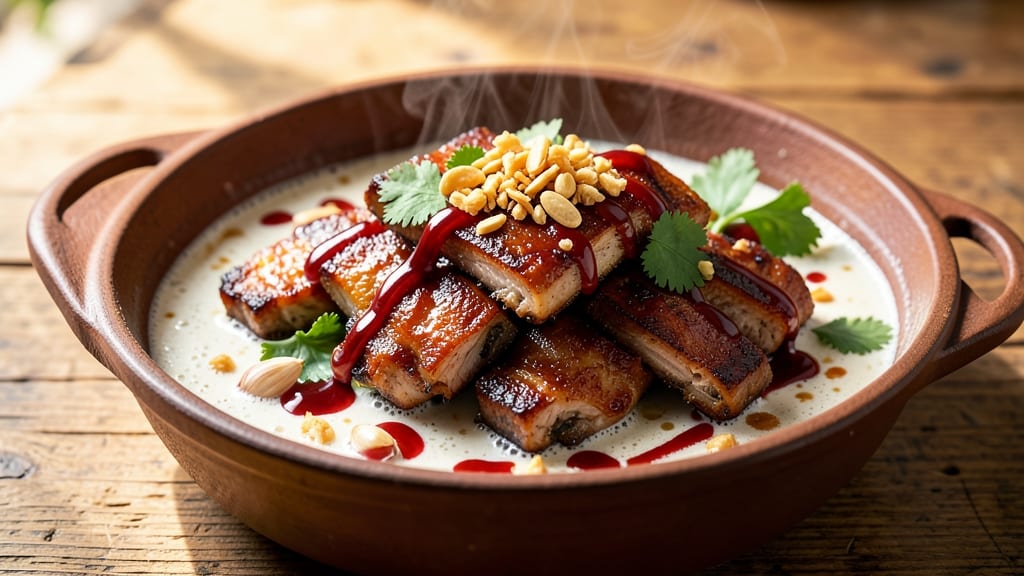
This Filipino-style braised pork ribs recipe brings the rich, aromatic flavors of the Philippines to your table with a perfect balance of five-spice warmth and silky coconut braise. 🌟 After years of perfecting braising techniques in my kitchen, I've developed a method that transforms tough ribs into melt-in-your-mouth perfection—just like my abuela used to make.
The secret lies in the slow simmer with vinegar, soy sauce, and a blend of spices that creates an irresistible depth of flavor.
The beauty of this dish is in its simplicity: ribs marinate overnight in a fragrant blend of garlic, ginger, and spices, then braise until tender.
The coconut milk adds a velvety richness that balances the tangy vinegar and savory soy sauce, while the five-spice mix delivers a warm, aromatic complexity that's pure comfort food. This recipe delivers restaurant-quality results with just a few key ingredients and patience—no fancy techniques required.
By the time you're done, you'll have ribs that are fall-off-the-bone tender with a glossy, caramelized glaze that clings to every bite. The aroma alone will have everyone gathering around the table, and the flavors—sweet, savory, and slightly tangy—will transport you straight to the Philippines.
Serve with steamed rice and pickled papaya (atchara) for the full experience.
What makes this recipe especially rewarding is how it improves with time. The flavors deepen as it sits, making it perfect for meal prep or feeding a crowd.
Whether you're cooking for a family gathering or a quiet weeknight dinner, these braised pork ribs are sure to become a staple in your kitchen. Let's get started!
Ingredients for braised pork ribs filipino
Six aromatic spices and tender ribs create this Filipino comfort food classic.
| Ingredient | Amount | Notes |
|---|---|---|
| Pork Ribs 🥓 | 3 lb | Bone-in, cut into 2-inch pieces |
| Coconut Milk 🥥 | 13 ½ oz | Full-fat, canned preferred |
| Soy Sauce 🍶 | ½ cup | Light or regular, not low-sodium |
| Cane Vinegar 🍶 | ¼ cup | White or apple cider vinegar |
| Brown Sugar 🍚 | ¼ cup | Packed, light or dark |
| Garlic Cloves 🧄 | 6 cloves | Minced, fresh preferred |
| Ginger Root 🌿 | 2 tbsp | Freshly grated, peeled |
| Five-Spice Powder 🌶️ | 2 tsp | Homemade or store-bought blend |
| Black Peppercorns 🌶️ | 1 tsp | Crushed, freshly ground preferred |
| Bay Leaves 🌿 | 2 whole | Dried, standard size |
| Green Onions 🧅 | 3 whole | White and green parts, chopped |
| Salt 🧂 | 1 ½ tsp | Kosher or sea salt |
| Vegetable Oil 🫒 | 2 tbsp | For searing ribs |
The ribs should be bone-in for maximum flavor—ask your butcher to cut them into 2-inch pieces if they're not pre-cut. Costco or Whole Foods usually carry them prepped this way, but any grocery store's meat counter can do it. For the five-spice powder, I grab mine from Penzeys—it's a mix of cinnamon, star anise, fennel, cloves, and peppercorns—but you can make your own if you've got the whole spices. Fresh ginger and garlic are non-negotiable here; the frozen stuff just won't cut it for that bright, fresh punch. Look for full-fat coconut milk—the canned kind works perfectly, but skip the carton stuff if you want real depth of flavor.
No five-spice powder? Mix 1 tsp cinnamon, 0.5 tsp star anise, 0.5 tsp fennel seeds, 0.25 tsp cloves, and 0.25 tsp black pepper—it's the same thing. Running low on cane vinegar? Apple cider vinegar or white vinegar works just fine. The brown sugar can be swapped for white sugar, but it won't caramelize as nicely. For the green onions, use whatever's freshest—white parts for flavor, green for color. If you're prepping ahead, chop all the aromatics and store them in the fridge for up to 3 days—they'll keep their brightness longer that way.
This braise gets better with time, so make it a day ahead if you can. The ribs keep for 4-5 days in the fridge and freeze beautifully for 3 months. I always portion mine into containers with extra sauce—perfect for quick lunches. The sauce thickens as it cools, so if it seems too thin when reheating, just simmer it uncovered for 5 minutes. Leftovers reheat beautifully in the microwave or on the stovetop with a splash of water.
Why You'll Love This Recipe
- One-Pot Magic: I swear by this recipe when I’m too tired to scrub pots—just ribs, coconut milk, and a simmer. The vinegar cuts through the richness while the sugar caramelizes into a glossy, sticky sauce that does half the work for you.
- Sweet-Savory Balance: That first bite? The ribs stay tender but develop a caramelized crust, while the coconut milk and brown sugar create this addictive, slightly tangy glaze. Honestly, the soy sauce and vinegar combo makes it taste like a hug from my lola’s kitchen.
- Leftovers That Shine: Between us, this dish begs to be made in bulk—it reheats beautifully and tastes even better the next day. I freeze portions for lazy Mondays, and the ribs stay juicy, not dry, because the braising locks in all the flavor.
- Budget-Friendly Feast: Pork ribs are cheaper than you’d think, and coconut milk stretches far when braised. I’ve served this to 10 people for under $20, and no one ever guesses it’s not a fancy restaurant dish—just pure, satisfying comfort food.
Step-by-step instructions for braised Filipino pork ribs
Here's how to create tender, aromatic ribs with a glossy coconut sauce that'll have everyone asking for seconds.
🔥 Step 1: Sear the Pork Ribs for Deep Flavor
Heat a large Dutch oven over medium-high heat until it's smoking hot. Add the 2 tablespoons vegetable oil and swirl to coat the bottom evenly. Working in batches if needed, add the 3 lb pork ribs in a single layer—don't crowd the pan.
Let them sear undisturbed for 4-5 minutes until they develop a deep golden-brown crust. You'll know they're ready when they release easily from the pan. Flip and sear the other side for another 4-5 minutes. This initial searing locks in juices and builds that essential caramelized foundation for the braise.
👨🍳 Step 2: Build the Aromatic Base
Remove the seared ribs and set them aside. In the same Dutch oven, reduce the heat to medium and add the 6 cloves minced garlic cloves and 2 tablespoons freshly grated ginger root. Sauté for 1-2 minutes until the garlic becomes fragrant and just starts to turn golden—don't let it burn, or it'll turn bitter.
Sprinkle in the 2 teaspoons five-spice powder and 1 teaspoon crushed black peppercorns, stirring constantly for 30 seconds to toast the spices and release their aromatic oils. Add the 2 whole bay leaves and let them sizzle for another 30 seconds. This aromatic base is the flavor backbone of your braised ribs.
🥘 Step 3: Deglaze and Simmer the Sauce
Pour in the 0.5 cup soy sauce and 0.25 cup cane vinegar, scraping up all those delicious browned bits from the bottom of the pan with a wooden spoon. Add the 0.25 cup packed brown sugar and 1.5 teaspoons salt, stirring until the sugar dissolves completely.
Return the ribs to the Dutch oven, bone-side down, and pour in the 13.5 oz coconut milk. Bring everything to a gentle simmer over medium-low heat, then partially cover with a lid. Let it cook for 1 hour, turning the ribs occasionally to ensure even cooking and sauce distribution. You're looking for the ribs to become fork-tender and the sauce to thicken slightly.
⏰ Step 4: Finish with Green Onions and Rest
After 1 hour of braising, stir in the 3 whole chopped green onions (both white and green parts) and let them cook for another 5-7 minutes until they soften slightly. This final step adds freshness that cuts through the richness of the coconut sauce.
Remove the ribs from the sauce and transfer them to a serving platter. Tent loosely with aluminum foil and let them rest for 10 minutes—this resting period allows the juices to redistribute, ensuring each bite is moist and flavorful. Spoon the aromatic coconut sauce over the top before serving.
Pro Tips For Making Braised Pork Ribs Filipino
- Sear the Ribs First: Hit the ribs with a screaming-hot pan for 3-4 minutes per side before braising—this isn’t just for looks. The crust locks in flavor and keeps them from turning into soggy sticks later, especially when the coconut milk gets involved. I used to skip this, and the ribs always felt underwhelming.
- Use Full-Fat Coconut Milk: The cheap, watered-down stuff ruins the sauce’s richness. Splurge on a can with at least 60% fat—it’s the difference between a glossy, velvety braise and something that tastes like it’s swimming in broth. (Yes, even if you’re watching calories.)
- Deglaze with Vinegar Early: Toss in that cane vinegar right after searing, while the pan is still hot. Let it bubble and sizzle for 30 seconds—this cuts through the fat and builds a deeper flavor base before the soy and sugar join the party. I learned this after my first batch tasted flat.
- Simmer, Don’t Boil: Keep the heat low enough that you’re barely seeing tiny bubbles, not a rolling boil. High heat turns the coconut milk grainy and makes the ribs tough. Patience here means tender meat and a sauce that doesn’t curdle. (I know, I know—you want it fast, but trust me.)
Best sauces and condiments for this recipe
Coconut Milk Magic
The star of this sauce is full-fat coconut milk—it creates that luxurious, velvety texture that makes these ribs unforgettable. I always use canned coconut milk (like Thai Kitchen brand) because the cream separates naturally, giving you control over thickness.
For extra richness, I stir in 1 tablespoon of coconut cream from the top of the can during the final 5 minutes of braising. This adds a luxurious sheen and depth that takes the dish to the next level. 🥥
Vinegar Brightness
Don’t skip the cane vinegar—it’s what cuts through the richness and keeps the sauce balanced. I prefer apple cider vinegar for a subtle fruitiness, but white vinegar works in a pinch. If you forget it, add 1 extra teaspoon of soy sauce to compensate for the missing tang.
The vinegar also helps tenderize the ribs during the braise, so it’s doing double duty here. Trust me, the acidity is key to that authentic Filipino flavor profile.
Five-Spice Blend
This is where the magic happens—the five-spice powder brings warmth, earthiness, and complexity. I make my own blend with 1 tsp cinnamon, ½ tsp star anise, ½ tsp fennel seeds, ¼ tsp cloves, and ¼ tsp black pepper, but Penzeys brand is my go-to shortcut.
For a deeper flavor, toast the whole spices in a dry pan for 1 minute before grinding them into powder. The aroma alone will fill your kitchen and get everyone excited for dinner. 🌶️
Soy Sauce Depth
Use light or regular soy sauce—not low-sodium—because the salt content is crucial for flavor development. I like Kikkoman for its balanced umami, but Lee Kum Kee adds a touch of sweetness that pairs beautifully.
If you’re watching sodium, reduce the added salt slightly, but don’t skip it entirely—the soy sauce is the backbone of the sauce’s savory profile. A splash of dark soy sauce (just 1 teaspoon) at the end adds a gorgeous caramel color and extra depth.
Green Onion Finish
The final touch is chopped green onions, both white and green parts, added in the last 5-7 minutes. This adds a fresh, bright contrast to the rich coconut sauce and a pop of color.
For extra freshness, I pulse the green onions in a food processor for 2 seconds to break them down slightly—it releases more flavor without turning them to mush. Garnish generously before serving, and save the extra for topping rice or sprinkling over noodles. ✨
Sauce Thickness Tips
If your sauce is too thin after braising, simmer it uncovered for 5-10 minutes to reduce it. For extra thickness, mix 1 teaspoon cornstarch with 1 tablespoon water, stir it into the sauce, and cook for 1 more minute until it thickens.
If it’s too thick, simply add 1-2 tablespoons of water or coconut milk and stir gently. The sauce should coat the back of a spoon but still be silky, not gluey. Pro tip: Let it rest 10 minutes before serving—the flavors meld even more during this time. 💫
Nutrition facts
Frequently asked questions
Can I use pork shoulder instead of pork ribs?
While pork shoulder works in many braising recipes, it won't give you the same tender, meaty texture as ribs. The bones in ribs create pockets that soak up the flavorful sauce during braising, while pork shoulder would become too soft. If you must substitute, use pork belly with the fat cap removed—it holds up better but won't be as flavorful.
How do I make the ribs extra tender?
For melt-in-your-mouth tenderness, marinate the ribs overnight in half the soy sauce and vinegar called for in the recipe. Also, after searing, blanch the ribs in boiling water for 2 minutes before braising—this breaks down collagen even faster. The 1-hour braise time is non-negotiable for true tenderness.
What's the best way to reheat leftovers?
Reheat in the oven at 300°F for 15-20 minutes with a splash of water or coconut milk to restore moisture. For quick reheating, microwave on high for 1-2 minutes, then finish in a skillet with a little oil to crisp up the edges. Never reheat in the microwave without adding liquid—it makes the sauce rubbery.
Can I make this recipe in a slow cooker?
Brown the ribs first, then transfer everything to your slow cooker and cook on Low for 6-7 hours or High for 4 hours. The slow cooker gives you even more tender ribs, but the sauce may be thinner. To thicken it, mix 1 tbsp cornstarch with 1 tbsp water and stir it in during the last 30 minutes of cooking.
What sides pair best with these braised ribs?
Steamed jasmine rice is the classic pairing, but for extra Filipino flair, serve with atchara (pickled papaya) and sinigang (sour tamarind soup). The tangy atchara cuts through the richness, while sinigang adds a light, refreshing contrast. For a heartier meal, add crispy garlic fried rice or grilled eggplant.