
Main Courses
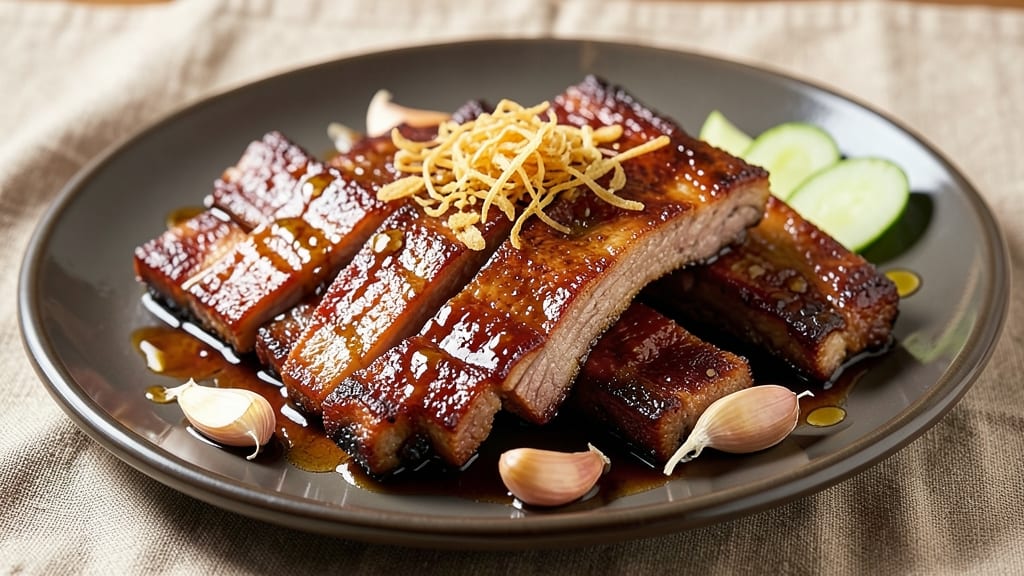
This braised Filipino-style pork spare ribs recipe delivers a perfect marriage of tender meat and aromatic sauce that'll transport you straight to a Filipino karinderia—no passport required.
The secret lies in a slow braise that transforms tough ribs into melt-in-your-mouth perfection, all while building layers of flavor from soy sauce, vinegar, and warming spices. I developed this recipe after years of perfecting the balance between sweet, tangy, and umami notes that define Filipino comfort food.
The process starts with a flavorful marinade that tenderizes the ribs while infusing them with garlic, ginger, and a touch of annatto for that signature golden hue.
As the ribs braise for hours, the sauce reduces into a glossy, caramelized glaze that clings to every rib, creating that coveted crunchy exterior and silky interior. The result is a dish that's rich, complex, and deeply satisfying—perfect for feeding a crowd or meal prepping for the week.
What makes this recipe truly special is how it captures the soul of Filipino cooking—where adobo's tangy depth meets the caramelized richness of guinamos-style braising. The ribs develop a beautiful mahogany color from the annatto, while the sauce achieves that perfect balance of sweet, salty, and slightly acidic.
Each bite delivers layers of flavor that'll have everyone asking for seconds.
Serve these ribs over steamed jasmine rice with a side of atchara for that authentic Filipino spread. The leftovers actually taste better the next day as the flavors meld even more. Let's get cooking—your taste buds are in for a treat!
Ingredients for braised pork spare ribs recipe filipino style
Six pounds of ribs plus pantry staples that transform into Filipino comfort food magic.
| Ingredient | Amount | Notes |
|---|---|---|
| Pork Spare Ribs 🍖 | 4 lb | Bone-in, meaty spare ribs |
| Soy Sauce 🍶 | ½ cup | Kikkoman preferred for depth |
| Cane Vinegar 🍶 | ¼ cup | White or apple cider vinegar |
| Brown Sugar 🍚 | ½ cup | Packed firmly, light brown preferred |
| Garlic Cloves 🧄 | 8 cloves | Minced, not pre-minced jarred |
| Fresh Ginger 🌿 | 2 tbsp | Finely grated, peel removed |
| Annatto Seeds 🌶️ | 1 tsp | For signature golden color |
| Ground Black Pepper 🌶️ | 1 tsp | Freshly cracked preferred |
| Ground Cinnamon 🌿 | ½ tsp | Warm, aromatic variety |
| Ground Cloves 🌶️ | ¼ tsp | Whole cloves ground fresh |
| Bay Leaves 🌿 | 2 whole | Dried, standard size |
| Onion 🧅 | 1 whole | Yellow, sliced into wedges |
| Water 💧 | 1 ½ cups | Room temperature preferred |
| Vegetable Oil 🫒 | 2 tbsp | For searing ribs |
| Salt 🧂 | 1 ½ tsp | Kosher or sea salt |
The ribs are the star—look for meaty spare ribs with good marbling at Costco or your local butcher. They should feel firm but not rock-hard. I always buy extra because leftovers taste even better the next day. For the annatto, Filipino markets carry it in seed form, but you can find it online too. The key is toasting the seeds lightly first—they release more color and flavor. Soy sauce is non-negotiable here; Kikkoman has that perfect balance of salt and umami that works best.
No annatto seeds? Turmeric at one-third the amount gives a similar golden hue, though it won't be as vibrant. Running short on brown sugar? White sugar plus extra vinegar keeps the tangy balance. The ginger needs to be fresh—dried just won't cut it. For the garlic, roast it first if you want to take this to next-level flavor (trust me on this). The bay leaves are optional but add that subtle depth that makes this dish sing. If you're short on time, skip the onion wedges—they're more for aroma than structure.
This braise needs patience—plan for at least 3 hours of cooking time. The ribs keep beautifully in the fridge for up to 5 days, and the sauce actually gets better as it reduces. I portion mine into containers with extra sauce for easy lunches. The sauce freezes well for up to 3 months if you want to make a big batch. Just reheat gently and add a splash of water to loosen it up.
Why You'll Love This Recipe
- One-Pot Magic: I swear by this recipe when I’m too tired to scrub pots—just ribs, sauce, and a slow simmer. The vinegar and soy do all the work while I sip coffee.
- Sweet-Savory Balance: That first bite? The brown sugar caramelizes into the meat, but the cane vinegar cuts through the richness—like a sweet-and-sour hug in every forkful.
- Meal Prep MVP: Between us, this keeps perfectly for four days in the fridge. I toss leftovers into rice bowls or wraps—my kids beg for it cold, even.
- Budget Win: Pork spare ribs are cheaper than beef, and this recipe stretches them for a crowd. Honestly, I’ve fed eight people for under $20 with this alone.
Step-by-step instructions for braised Filipino-style pork spare ribs
Here's how to transform tough ribs into tender, caramelized perfection with bold Filipino flavors.
Sear the Ribs for Deep Flavor
Heat a large Dutch oven over medium-high heat until it's hot enough to make a drop of water dance. Add the 2 tablespoons vegetable oil and swirl to coat the bottom evenly. Place the 4 lb pork spare ribs in the pan, bone-side down, and let them sear undisturbed for 8-10 minutes until they develop a deep golden-brown crust.
This initial sear locks in juices and builds the foundation for that signature caramelized crunch. I press down gently on the ribs during the first minute to prevent them from curling and ensure even contact with the pan. Once the first side is nicely browned, carefully flip the ribs and sear the meaty side for another 5-6 minutes. Remove them and set aside on a plate.
Build the Aromatic Base
In the same Dutch oven, reduce the heat to medium and add the sliced 1 whole onion. Cook for 4-5 minutes until softened and just beginning to color. Add the 8 cloves minced garlic cloves and 2 tablespoons finely grated fresh ginger, cooking for 1 minute until fragrant—this is where all the magic starts.
Stir in the 1 teaspoon annatto seeds and let them toast for 30 seconds until they release their vibrant color. Add the 1 teaspoon ground black pepper, 0.5 teaspoon ground cinnamon, and 0.25 teaspoon ground cloves, stirring to combine. This spice blend gives the ribs their distinctive five-spice glow that's so characteristic of Filipino braising.
Create the Braising Liquid
Pour in the 0.5 cup soy sauce, 0.25 cup cane vinegar, and 0.5 cup packed brown sugar, stirring vigorously to dissolve the sugar completely. Add the 1.5 cups water and the 1.5 teaspoons salt, along with the 2 whole bay leaves. Bring the mixture to a gentle simmer, scraping up any browned bits from the bottom of the pan—these contain concentrated flavor.
Return the seared ribs to the pot, bone-side up, so they'll cook evenly in the liquid. The ribs should be mostly submerged but not completely covered. This balance ensures they braise properly without becoming waterlogged. The liquid should bubble gently—if it's too vigorous, reduce the heat slightly to maintain a steady simmer.
Braise Until Fork-Tender
Cover the Dutch oven and transfer it to a 325°F oven. Here's where patience pays off—braise the ribs for 2.5-3 hours until they're fork-tender. You'll know they're ready when the meat pulls away from the bone with just gentle pressure and the sauce has thickened to a glossy consistency.
I check for doneness by inserting a fork between the bones—if it slides in easily and the meat offers no resistance, they're perfect. The ribs should have a beautiful caramelized sheen from the braising liquid, and the sauce should coat the back of a spoon. If the sauce reduces too quickly, add 2-3 tablespoons water to maintain the proper consistency.
Finish with Caramelized Crunch
Remove the ribs from the oven and increase the heat to medium-high. Uncover the pot and let the braising liquid reduce by 5-7 minutes until it thickens to a syrupy consistency. This final reduction creates that coveted caramelized glaze that clings to every bite.
Carefully transfer the ribs to a serving platter, spooning the reduced sauce over the top. The ribs should be tender enough to fall apart slightly when lifted with a fork, with a beautiful golden-brown crust that contrasts perfectly with the tender meat. Serve immediately with steamed rice to soak up every last bit of that glorious braising sauce.
Pro Tips For Making Braised Pork Spare Ribs Recipe Filipino Style
- Brown Sugar First: Add the brown sugar to the pan before the ribs hit the heat—this prevents it from burning into bitter bits. I learned this the hard way after scraping charred sugar off my ribs twice. Let it caramelize just a little before adding the ribs, so the sauce clings like glue.
- Vinegar Last: Wait until the very end to toss in the cane vinegar—adding it too early will turn your sauce sour before the ribs get tender. Splash it in during the last 5 minutes of simmering, when the flavors are already melding. Trust me, your taste buds will notice the difference.
- Garlic Crush, Don’t Slice: Smash those garlic cloves with the flat side of your knife before mincing—this releases more flavor without burning. Overcrowding the pan with sliced garlic leads to bitterness, and nobody wants that in their braised ribs. A quick smash and rough chop does the trick.
- Simmer, Don’t Boil: Keep the liquid at a gentle simmer, not a rolling boil—this keeps the ribs tender and the sauce rich, not watery. If it’s bubbling hard, lower the heat or add a splash of water, but don’t let it turn into a stew. Patience here makes all the difference.
Flavor customization for braised pork spare ribs recipe filipino style
Spice Level Adjustments
For milder ribs, reduce the ground black pepper to ½ teaspoon and omit the ground cloves. If you love heat, add ½ teaspoon cayenne pepper or 1 tablespoon sriracha to the braising liquid.
I find Filipino siling labuyo chili (bird's eye chili) works beautifully—just add 2-3 chopped chilies at the end for a smoky kick. 🌶️
Sweet-Tangy Balance
The brown sugar and vinegar create the signature Filipino tangy-sweet profile. For extra sweetness, increase sugar to ⅔ cup and reduce vinegar to ¼ cup. Need more tang?
Add 1 tablespoon fish sauce (like Red Boat) for umami depth. I also love adding 1 tablespoon apple cider vinegar at the end for brightness.
Herb Variations
Swap cinnamon for ½ teaspoon coriander or ½ teaspoon allspice for a different aromatic profile. Fresh herbs like cilantro or thai basil add brightness—toss ¼ cup chopped cilantro over ribs before serving.
For a smoky touch, add 1 teaspoon smoked paprika to the braising liquid. The herbs should be added after the ribs are tender to preserve their freshness.
Umami Boosters
Enhance depth with 1 tablespoon oyster sauce or 1 tablespoon hoisin sauce in the braising liquid. For a vegetarian-friendly option, add 1 teaspoon mushroom powder or 2 dried shiitake mushrooms (rehydrated) to the sauce.
I also like adding 1 tablespoon coconut aminos for a gluten-free umami alternative. These additions work best when added with the soy sauce and vinegar.
Texture Contrast
Add crispy fried shallots or toasted sesame seeds for texture. For extra crunch, sprinkle ½ cup crushed pork rinds over the ribs during the final 5 minutes of braising.
I also love adding sliced pickled red onions (like atchara) for a tangy crunch. These toppings should be added just before serving to maintain freshness.
Regional Twists
For a Visayan-style touch, add 1 tablespoon calamansi juice (or substitute with lemon juice) and ½ teaspoon turmeric for color. Bicolano ribs call for ½ cup coconut milk in the braising liquid and 1 tablespoon grated coconut at the end.
These regional variations keep the core technique intact while adding unique cultural flavors. 🗺️
Nutrition facts
Frequently asked questions
Can I use baby back ribs instead of pork spare ribs?
Baby back ribs will work, but they're more tender and cook faster. For best results, reduce the braising time to 2 hours and monitor closely to avoid overcooking. Spare ribs have more connective tissue, which is why they need the longer braise to become fork-tender. The flavor profile will still be delicious, just slightly different in texture.
What's the secret to getting that beautiful golden color?
The annatto seeds are key! Toast them lightly in the pan before adding other spices to release their vibrant color. For extra richness, add 1 teaspoon turmeric along with the annatto. The color develops more as the ribs braise, so don't worry if it's not perfect immediately. The final reduction of the sauce will deepen that mahogany hue.
Can I make this recipe in a slow cooker?
Sear the ribs first in a skillet, then transfer everything to the slow cooker. Cook on low for 6-7 hours or high for 4-5 hours until tender. The sauce may need thickening at the end—simmer it uncovered for 10-15 minutes on the stovetop. The slow cooker method is perfect for hands-off cooking, especially when feeding a crowd.
Why do my ribs sometimes turn out dry?
Overcooking or insufficient braising liquid are the most common causes. Always keep the ribs mostly submerged in liquid and maintain a gentle simmer. If using a Dutch oven, check the liquid level halfway through and add 2-3 tablespoons water if needed. The ribs should be fork-tender but still juicy—never let them sit uncovered on high heat at the end.
How do I store and reheat leftovers?
Store ribs and sauce in an airtight container in the fridge for up to 5 days. The flavors actually improve as they sit! To reheat, cover and warm in a pot over medium-low heat with 2-3 tablespoons water until heated through (10-15 minutes). For microwave reheating, cover with a damp paper towel and heat in 30-second intervals, stirring between each.