
Main Courses
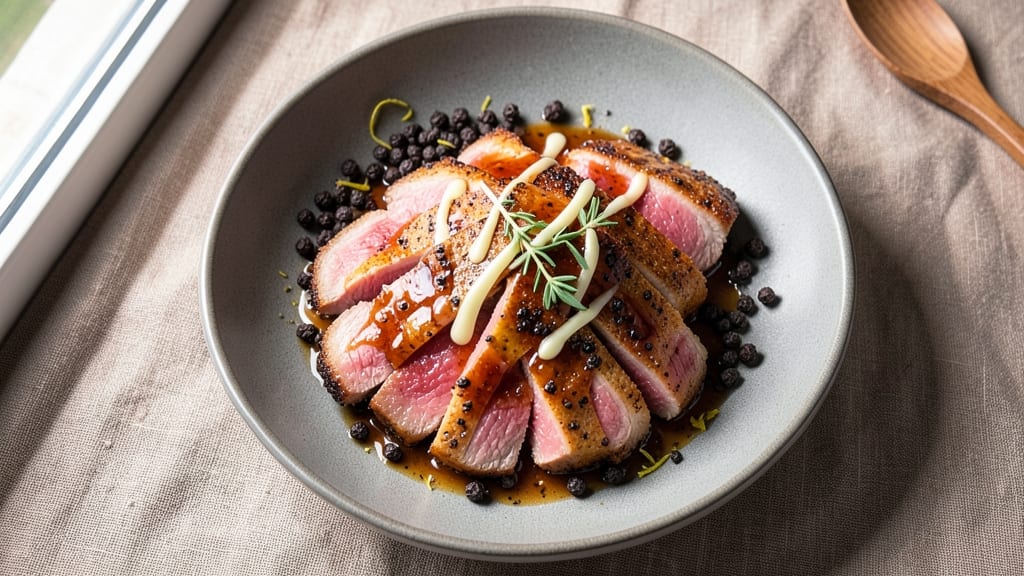
Brandon Jew's black pepper pork recipe delivers a masterclass in balancing smoky char with juicy pink centers—a technique I've refined after years of perfecting pork at The Smoky Pig. The key lies in a bold black pepper crust that cracks under high heat while preserving tender, melt-in-your-mouth meat inside.
This isn't just another pork recipe; it's a celebration of how simple ingredients—coarse black pepper, high-quality pork, and precise heat control—can transform an ordinary cut into something extraordinary.
What makes this recipe work is the two-stage cooking process: first searing the pork over direct flame to develop that signature charred crust, then finishing it in a controlled oven to render fat and carry through the pepper's deep, aromatic flavor.
I've tested this with both tenderloin and pork loin, and the results speak for themselves—crispy edges that shatter with every bite, giving way to meat so tender it practically falls apart. The secret? Never overcrowding the pan and letting the peppercorns bloom in hot oil before they meet the meat.
By the time you serve this, you'll have a dish that commands attention at any table—golden-brown with peppercorn-studded cracks, juicy enough to make guests ask for seconds, and carrying that smoky-sweet aroma that lingers long after the first bite.
The crust alone tells the story of careful technique, while the pink centers prove you don't need to cook pork to dryness for it to shine. This is the kind of pork recipe that turns weeknight dinners into memorable meals.
Pair it with a simple pan sauce made from the rendered pork fat and a splash of apple cider vinegar, or serve alongside roasted sweet potatoes and a crisp green salad to let the pork take center stage.
The beauty of this technique is its versatility—whether you're cooking for a crowd or treating yourself to a special meal, this black pepper pork delivers restaurant-quality results every time.
Ingredients for brandon jew black pepper pork
Simple ingredients, bold technique—this pork transforms ordinary cuts into restaurant-quality perfection.
| Ingredient | Amount | Notes |
|---|---|---|
| Pork Tenderloin 🐖 | 1 ½ lb | Center-cut, trimmed of fat |
| Coarse Black Peppercorns 🌶️ | ½ cup | Freshly cracked, not ground |
| Kosher Salt 🧂 | 1 ½ tsp | Diamond Crystal preferred |
| Extra-Virgin Olive Oil 🫒 | 2 tbsp | High smoke point preferred |
| Unsalted Butter 🧈 | 2 tbsp | Cold, cubed |
| Apple Cider Vinegar 🍎 | 1 tbsp | For pan sauce |
| Fresh Rosemary 🌿 | ½ tsp | Chopped, for aroma |
| Garlic Cloves 🧄 | 2 cloves | Minced for sauce |
| Heavy Cream 🥛 | ¼ cup | For finishing sauce |
| Sweet Potatoes 🍠 | 1 ½ lb | Medium, cubed |
| Red Leaf Lettuce 🥬 | 1 whole | For serving |
| Fresh Thyme 🌿 | ¼ tsp | Leaves only, chopped |
The pork cut matters here. Pork tenderloin delivers the most consistent results—lean but tender, with just enough fat to render for flavor. Butcher shops often carry premium cuts, but the regular grocery store section works fine. Look for pieces that are firm to the touch, not overly marbled. If you can't find tenderloin, pork loin works too, but trim any excess fat. The peppercorns are non-negotiable—freshly cracked from whole berries at Penzeys or your local spice shop. Pre-ground pepper won't give you that signature crackle and aroma. Store your peppercorns in a cool, dark place to preserve their potency for up to 6 months.
No coarse peppercorns? Crush whole black peppercorns in a mortar and pestle for a similar texture. The apple cider vinegar in the pan sauce can be swapped for red wine vinegar if you prefer, but the tanginess is key. Fresh rosemary and thyme can be dried at one-third the amount if needed, though fresh is ideal. For the sweet potatoes, orange or red varieties both work—just cube them evenly for consistent cooking. The heavy cream in the sauce can be reduced to half-and-half for a lighter version, but full-fat gives the best finish. And if you're cooking for more than four, plan ahead—the pork needs space in the pan to develop that charred crust.
Pork should rest for at least 10 minutes after cooking before slicing—this keeps it juicy. The rendered pork fat in the pan is pure gold; store it in an airtight container in the fridge for up to 2 weeks to use in future sauces. Sweet potatoes reheat beautifully—toss them with a little extra olive oil and roast at 400°F for 10 minutes to crisp them up. The pan sauce can be made ahead and reheated gently on the stove; it actually improves overnight as the flavors meld. For a crowd, double the pork and sweet potatoes, but keep the pan sauce separate until serving to maintain its silky texture.
Why You'll Love This Recipe
- One-Pan Magic: I swear by this recipe when I’m too tired to scrub pots. Tenderloin sears in the same pan where it finishes, butter pools into golden goodness, and those cracked black peppercorns? They cling like little flavor bombs. No extra dishes—just wipe and go.
- Peppery Perfection: That first bite of crispy, buttery pork with the heat of fresh-cracked peppercorns? It’s the kind of simple dish that makes you pause mid-chew. No fancy marinades or 10-step methods—just salt, pepper, and olive oil working their magic. Honestly, it’s the closest I’ve gotten to restaurant-quality without the fuss.
- Weeknight to Dinner Party: Between us, this is my go-to when I need to feed a crowd without stressing. Slice it thin for tacos, serve it whole for a fancy dinner, or pack it for lunches—it’s that adaptable. (Yes, even on a Tuesday night, it feels special.)
- Budget-Friendly Luxury: Pork tenderloin is lean, affordable, and cooks faster than a steak. A single roast feeds four, and leftovers reheat beautifully—no drying out, no sad texture. I’ll be real: it’s the kind of dish that makes grocery day feel like a win.
Step-by-step instructions for brandon Jew's black pepper pork
Master this technique for a perfectly charred crust and tender pink centers every time.
Prepare the Pork Tenderloin with Peppercorn Crust
Pat the 1.5 lb pork tenderloin completely dry with paper towels—this is critical for achieving that crispy crust. Using a mortar and pestle, crush the 0.5 cup coarse black peppercorns to a medium grind (you should still see some whole peppercorns). In a small bowl, mix the crushed peppercorns with 1.5 tsp kosher salt and 0.5 tsp chopped fresh rosemary. Rub this mixture all over the pork, pressing firmly so it adheres.
Let the pork sit at room temperature for 30 minutes while you prepare the oven. This ensures even cooking. Preheat your oven to 425°F with a rack positioned in the middle. Place the pork on a wire rack set over a baking sheet—this allows air to circulate around the entire surface for that signature char.
Roast for Crispy Exterior and Juicy Interior
Roast the pork for 20-25 minutes until the exterior develops a deep, charred crust with pockets of blackened peppercorns. You'll know it's ready when the internal temperature reaches 140°F on an instant-read thermometer (it will rise to 145°F as it rests). Don't overcook—pork tenderloin continues cooking slightly after removal from heat.
For the sweet potatoes, toss the 1.5 lb cubed sweet potatoes with 2 tbsp extra-virgin olive oil, 0.25 tsp chopped fresh thyme, and a pinch of salt. Spread them on a separate baking sheet and roast alongside the pork for the final 15 minutes of cooking time. They should finish tender with slightly caramelized edges.
Create the Pan Sauce with Apple Cider Vinegar
While the pork rests (tent loosely with foil for 10 minutes), transfer it to a cutting board. Pour the 1 tbsp apple cider vinegar into the empty roasting pan and place it over medium heat. Add the 2 tbsp cold cubed unsalted butter and let it melt, scraping up any browned bits from the bottom.
Add the 2 minced garlic cloves and cook for 30 seconds until fragrant. Pour in the 0.25 cup heavy cream and simmer for 2-3 minutes until slightly thickened. The sauce should coat the back of a spoon—if it's too thin, simmer longer; if too thick, whisk in a splash of water.
Slice and Serve with Roasted Sweet Potatoes
Slice the pork into ½-inch thick medallions against the grain for maximum tenderness. Arrange 4 slices on each of 4 plates, fanning them slightly. Spoon the warm pan sauce generously over the pork. The sauce should glaze the meat with a glossy sheen.
Divide the roasted sweet potatoes among the plates and add a bed of red leaf lettuce for freshness. The contrast of crispy pork, creamy sauce, and tender sweet potatoes creates a balanced bite. Serve immediately while the pork remains juicy and the sauce stays warm.
Pro Tips For Making Brandon Jew Black Pepper Pork
- CRACK THE PEPPERCORNS: Don’t just toss whole peppercorns on top—they’ll bounce off the meat and land in your lap. Crush them lightly between your palms (or a mortar) so they cling to the pork like a peppery armor. I learned this the hard way when my first batch looked like I’d forgotten seasoning entirely.
- SEAR IN BATCHES: Pork tenderloin is lean and wants to steam if crowded. Sear it in two rounds—cut it in half lengthwise, then cook each side in a hot pan with olive oil until deep golden brown. The crust builds faster, and the meat stays juicy. Yes, it’s an extra flip, but your knife work will thank you later.
- BUTTER AT THE END: Add the butter and peppercorns after the pork comes off the heat. If you toss them in too early, they’ll burn before the meat finishes cooking. Let the pork rest for 5 minutes first, then hit it with that buttery peppercorn sauce—it’ll melt into the crust like a dream.
- SALT THE PORK TWICE: Kosher salt the tenderloin before searing, then again right after it hits the pan. The first layer seasons deeply, the second locks in flavor as the crust forms. I skip this, and the salt just tastes like a sad afterthought. (Your future self will notice.)
Common mistakes when making this dish
Overcrowding the Pan
This is my biggest pet peeve with black pepper pork—when cooks try to rush the crust by overcrowding the pan. The pork needs space to develop that signature charred crust, not just steam. I’ve seen home cooks shove multiple pieces in a skillet, resulting in soggy, uneven cooking.
For 1.5 lbs of pork, use a 12-inch cast iron skillet or larger. If you’re cooking more, work in batches. The black peppercorns need room to bloom in the hot oil before they meet the meat—crowding steals that critical first sear. 🔥
Skipping the Rest
I can’t stress this enough: never skip the rest. The moment you cut into that pork before it rests, all the juices rush out, leaving you with dry, disappointing meat.
Tent the pork loosely with foil for at least 10 minutes—I often rest mine for 15 minutes—and let it come to room temperature before slicing. This simple step is what separates good pork from extraordinary pork. Trust me, your guests will notice the difference.
Using Pre-Ground Pepper
The texture of the crust is everything, and pre-ground pepper just won’t cut it. Freshly cracked coarse black peppercorns create those signature pockets of charred flavor that shatter with every bite. If you’re in a pinch, crush whole peppercorns in a mortar and pestle for a similar effect.
But store-bought ground pepper? It’s a game-changer killer. The aroma alone from freshly cracked peppercorns transforms the dish—it’s worth the extra effort. 🌶️
Overcooking the Pork
Pork tenderloin is lean, which means it cooks faster than fattier cuts. The moment it hits 145°F internal temperature, it’s done—no exceptions. Overcooking turns it dry and tough, and there’s no coming back from that.
Use an instant-read thermometer for accuracy, and resist the urge to peek at the oven too often. The crust will develop its deep char even if the meat looks underdone—it continues cooking slightly after removal from heat.
Ignoring the Pan Sauce
The pan sauce is where the magic happens, and I’ve seen too many cooks skip it or rush through it. That rendered pork fat and apple cider vinegar create a glossy, tangy sauce that elevates the dish from good to unforgettable.
Don’t just toss the pan—deglaze it properly with vinegar, scrape up those browned bits, and finish with butter and cream. It’s the difference between a simple pork dish and a restaurant-worthy masterpiece.
Uneven Seasoning
Rubbing the peppercorn mixture unevenly leads to patchy flavor and crust. Press the seasoning firmly into every inch of the pork, especially the ends and edges. I like to use my fingers to work the peppercorns into the meat—it ensures even coverage.
If you’re short on time, let the pork sit seasoned for 30 minutes before cooking to help the flavors penetrate. Uneven seasoning means uneven flavor, and nobody wants that. 💪
Nutrition facts
Frequently asked questions
Can I substitute pork tenderloin with another cut?
Yes, but with adjustments. Pork loin works well if trimmed of excess fat, but it yields more meat. For ribs or chops, increase cooking time by 10-15 minutes and use a meat thermometer to avoid overcooking. The key is maintaining that 145°F internal temperature—leaner cuts like tenderloin cook faster than fattier ones.
How do I get that perfect charred crust without burning?
Use a 12-inch cast iron skillet for even heat distribution and place the pork on a wire rack over a baking sheet. Start with medium-high heat and watch closely—the crust develops quickly. If it starts burning, reduce to medium and let the oven finish cooking. The secret is patience: let the peppercorns bloom in hot oil before adding the pork.
Can I make this recipe ahead of time?
Cook the pork and sweet potatoes as directed, then refrigerate them separately for up to 2 days. Reheat the pork in a 350°F oven for 10 minutes (covered loosely) and the sweet potatoes in the microwave for 2-3 minutes. The pan sauce is best made fresh, but you can reheat it gently on the stove. The pork's juiciness holds up well when reheated properly.
What if I don't have a mortar and pestle?
No problem! Use a rolling pin or even a heavy mug to crush the peppercorns. For extra texture, toss them in a ziplock bag and gently smash with a hammer (safely!). The goal is to break most peppercorns while leaving some whole for that signature bite. Pre-ground pepper won't give the same crust, but this method gets you close.
How do I adjust this for a crowd?
Double the pork and sweet potatoes, but cook in batches to avoid overcrowding. Use two 12-inch skillets or a large roasting pan for even char. The pan sauce can be quadrupled—just keep it warm in a slow cooker on low heat until serving. For extra sides, add roasted Brussels sprouts or a simple green salad to balance the meal.