
Main Courses
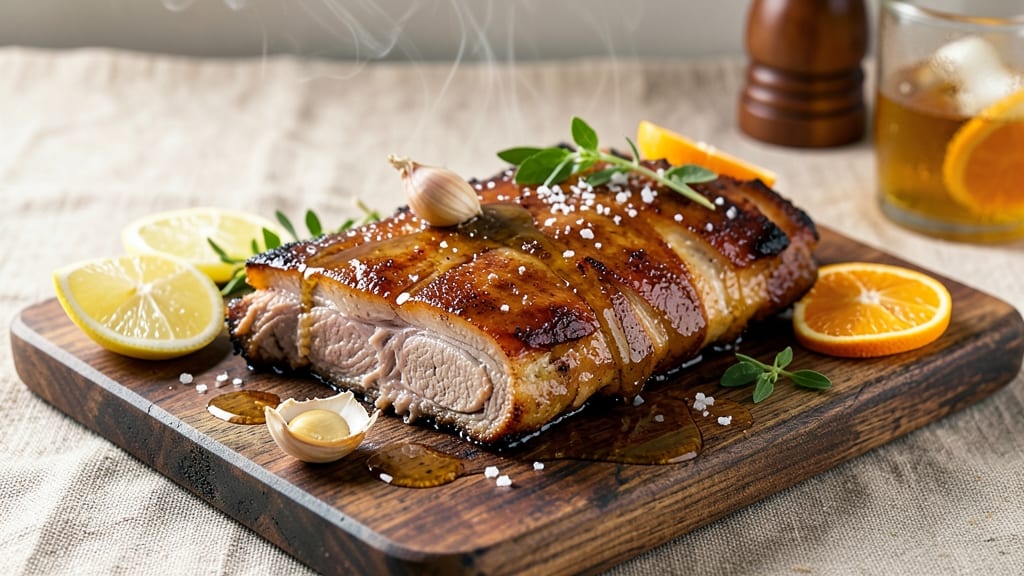
This Brazilian pork ribs recipe brings the bold flavors of churrasco to your grill with crispy edges and a smoky cachaça glaze. 🔥 I first discovered this technique while competing in the Southeast BBQ circuit, where Brazilian pitmasters showed me how to transform tough ribs into melt-in-your-mouth perfection.
The secret lies in the marinade—a blend of citrus, garlic, and cachaça—that tenderizes while building deep, caramelized flavors.
The process starts with a 3-day dry brine that keeps the meat juicy, followed by a low-and-slow smoke that develops that signature Brazilian bark. What sets this apart is the cachaça glaze—reduced with vinegar and spices—applied in the final minutes for a sticky, smoky crust that clings to every rib.
This isn't just another BBQ recipe; it's a celebration of Brazilian churrasco traditions adapted for home cooks.
By the time you pull these ribs from the smoker, you'll have crispy edges that shatter with each bite and tender meat that falls off the bone. The aroma alone will draw everyone to the table, and the glaze adds a perfect balance of sweet, smoky, and tangy notes.
Serve with farofa (toasted cassava flour) and a cold Brazilian beer for the full experience.
This recipe delivers restaurant-quality results with a method that's approachable for home cooks. Whether you're hosting a churrasco night or just craving something special, these ribs will become your new signature dish. Let's get started with the full technique—it's worth every crispy bite.
Ingredients for brazilian pork ribs
Six ingredients transform tough ribs into restaurant-worthy Brazilian churrasco perfection with crispy edges and sticky glaze.
| Ingredient | Amount | Notes |
|---|---|---|
| Pork Baby Back Ribs 🍖 | 4 lb | Bone-in, meaty ends preferred |
| Cachaça 🍹 | ½ cup | Brazilian sugar cane spirit |
| Lemon Juice 🍋 | ¼ cup | Freshly squeezed |
| Orange Juice 🍊 | ¼ cup | Freshly squeezed |
| Garlic Cloves 🧄 | 8 cloves | Peeled, smashed |
| Kosher Salt 🧂 | ½ cup | Diamond Crystal preferred |
| Black Peppercorns 🌶️ | 1 tbsp | Freshly cracked |
| Smoked Paprika 🌶️ | 2 tbsp | High-quality, not sweet |
| Brown Sugar 🍚 | ¼ cup | Light or dark |
| Apple Cider Vinegar 🍎 | ¼ cup | For glaze reduction |
| Yellow Onion 🧅 | 1 whole | Thinly sliced |
| Wood Chips 🌳 | 2 cups | Hickory or cherry preferred |
| Vegetable Oil 🫒 | 2 tbsp | For rib coating |
| Fresh Cilantro 🌿 | ¼ cup | Chopped, for garnish |
The ribs are the star, so pick meaty, bone-in baby backs—the meatier ends make all the difference. Costco or your local butcher are the best spots for quality cuts. Look for vibrant color and good marbling. For the cachaça, any reputable brand works, but avoid the cheap stuff—it needs to hold its own against the bold flavors. The citrus juices should be freshly squeezed; bottled won't cut it here. Pro tip: buy extra lemons and oranges—you'll use them for garnish too. The garlic should be freshly smashed, not minced, to release its oils properly.
No cachaça? Substitute with white rum or even vodka, but reduce the amount to 1/3 cup—it's stronger. Fresh citrus unavailable? Lemonade concentrate works in a pinch, but add a splash of water to thin it. For the glaze, brown sugar substitutes like coconut sugar or even maple syrup can work, but the texture will differ slightly. The wood chips? Hickory or cherry are traditional, but fruitwoods like apple add a nice sweetness. If you can't find wood chips, soak wood chips from a local hardware store—just make sure they're clean and untreated.
These ribs are a 3-day project, so plan ahead—they're worth it. Store the dry-brined ribs in the fridge, covered but not sealed, to let the salt work its magic. The glaze keeps for 1 week in the fridge, so make extra. For serving, keep the ribs warm in a 200°F oven while you finish the glaze. The leftovers? Freeze for up to 3 months—they reheat beautifully. Garnish with fresh cilantro right before serving, or it'll wilt waiting.
Why You'll Love This Recipe
- One-Pan Magic: The ribs go straight from oven to table—no extra dishes, no stress. Just toss them in a tray with cachaça, garlic, and citrus, and let the oven do the work while you sip a caipirinha (or just enjoy the smell).
- Tropical Caramelized Bliss: That sticky, garlicky glaze? It’s all thanks to the cachaça and orange juice caramelizing into something ridiculously good. The lemon brightens it up so it’s never heavy—just pure, tangy satisfaction.
- Leftovers That Don’t Suck: Honestly, I’ve reheated these ribs twice and they’re still better than takeout. Wrap them in foil, pop in the oven for 10 minutes, and boom—crispy edges, juicy meat. (Yes, even on a Tuesday night.)
- Budget Feast for Friends: A full rack of ribs feeds four easily, and the ingredients cost less than half of what you’d pay for restaurant-quality pork. Plus, the cachaça adds a fancy touch without breaking the bank—everyone thinks you slaved over it.
Step-by-step instructions for smoky cachaça-glazed Brazilian pork ribs
Here's how to transform tough ribs into fall-off-the-bone perfection with that signature Brazilian tang.
🔥 Step 1: Prepare the Dry Rub and Marinate the Ribs
In a bowl, combine the 0.5 cup kosher salt, 1 tbsp cracked black peppercorns, 2 tbsp smoked paprika, and 0.25 cup brown sugar. Mix thoroughly until the sugar dissolves slightly and coats the spices evenly. This blend gives you that perfect balance of smoky, sweet, and spicy flavors.
Pat the 4 lb pork baby back ribs completely dry with paper towels—this is crucial for crispy edges. Then generously coat both sides with the dry rub, pressing it into the meat so it adheres well. Place the ribs on a tray and refrigerate uncovered for 12-24 hours. This long marinate time ensures deep flavor penetration and helps tenderize the meat. The longer you marinate, the more intense the flavor will be.
🍳 Step 2: Build the Cachaça Glaze and Smoke the Ribs
In a small saucepan, combine the 0.5 cup cachaça, 0.25 cup lemon juice, 0.25 cup orange juice, 0.25 cup apple cider vinegar, and the 8 smashed garlic cloves. Bring to a simmer over medium heat and reduce by half—this should take about 10-12 minutes. You're looking for a thick, syrupy consistency that will caramelize beautifully on the ribs.
While the glaze reduces, set up your smoker or grill for indirect heat at 225°F. Soak the 2 cups wood chips (hickory or cherry) for 30 minutes before using to ensure good smoke production. Place the marinated ribs on the smoker, bone-side down, and smoke for 2.5-3 hours, maintaining the temperature. The ribs are ready when they reach an internal temperature of 195°F and the meat pulls away from the bone easily.
🥘 Step 3: Apply the Glaze and Finish with Onions
Once the ribs reach 195°F, remove them from the smoker and brush generously with the reduced cachaça glaze. Return the ribs to the smoker and continue cooking for another 30-45 minutes to let the glaze caramelize and form a sticky, glossy crust. You'll know it's ready when the glaze turns a deep amber color and bubbles slightly.
During the last 15 minutes, sprinkle the 1 thinly sliced yellow onion over the ribs. The onions will caramelize from the smoke and glaze, adding a sweet, smoky contrast to each bite. Keep an eye on the temperature—it should stay around 225°F for even cooking.
🔪 Step 4: Rest and Serve with Fresh Cilantro
Once the glaze is perfectly caramelized and the ribs are fork-tender, transfer them to a cutting board. Let them rest for 10-15 minutes before serving. This resting period allows the juices to redistribute, ensuring each bite is moist and flavorful. The ribs should be sticky, smoky, and covered in that beautiful caramelized glaze.
Slice the ribs between each bone and arrange them on a platter. Garnish with the 0.25 cup chopped fresh cilantro just before serving to add a bright, herbal finish. Serve with extra glaze on the side for drizzling—this dish is all about that balance of smoky, sweet, and tangy flavors working together.
Pro Tips For Making Brazilian Pork Ribs
- Marinate Overnight: Skip the rush—let those ribs soak in the cachaça, citrus, and garlic for at least 12 hours. I used to think a few hours would do, but the acid and alcohol need time to tenderize. Trust me, the flavor payoff is worth the wait.
- Don’t Boil the Garlic: When mincing garlic for the marinade, smash it with the flat side of your knife instead of chopping. This releases more flavor without turning it into a bitter paste. (Yes, even if you’re impatient like me.)
- Watch the Cachaça Heat: If your ribs start smoking too fast, pull them back from the grill or oven and let them cool slightly. Cachaça burns easy, and you’ll lose all that bright, citrusy flavor in seconds. Start with medium-high, then adjust.
- Save the Citrus Peels: After juicing the lemons and oranges, zest the peels and toss them into the marinade. The oils pack extra brightness, and it’s a quick upgrade that makes the ribs taste like they came from a Brazilian churrascaria. (Your future self will notice.)
Troubleshooting perfect results
Ribs Too Dry?
If your ribs end up dry, the issue is almost always temperature control or insufficient resting time. I’ve seen this happen when cooks rush the process—maintain that 225°F consistently and never exceed 250°F. The 3-day dry brine is your secret weapon here; it keeps moisture locked in.
If you’re short on time, try a 12-hour brine minimum, but don’t skip it entirely. Also, never skip the 10-15 minute rest—this is when the juices redistribute. Pro tip: Use a meat thermometer like the ThermoWorks Smoke to monitor internal temp precisely. 💫
Glaze Not Sticky?
The glaze needs to reduce properly to achieve that perfect caramelized consistency. If it’s watery, you likely didn’t reduce it enough. Simmer the glaze until it’s syrupy and thick enough to coat the back of a spoon. I’ve had beginners walk away while reducing—keep an eye on it!
For extra stickiness, add 1 tbsp cornstarch to the glaze while reducing. Also, ensure you’re using real cachaça (not rum or vodka)—the higher alcohol content helps with caramelization. If it’s still too thin, reduce it longer over low heat.
Smoke Too Intense?
Overpowering smoke flavor usually means your smoker isn’t circulating air properly or the wood chips are too wet. Soak your wood chips for 30 minutes before using, but don’t soak them in the fridge overnight—that’ll make them too soggy.
Use hickory or cherry wood for a balanced smoke, and avoid fruitwoods if you’re sensitive to strong flavors. If your smoker is too smoky, crack the lid slightly to increase airflow. I’ve even used a small electric fan near the smoker to help circulate air when needed. 🌳
Ribs Stuck to Grill?
This happens when the ribs aren’t dry enough before hitting the smoker. Pat them completely dry with paper towels—no shortcuts here! If they’re still sticking, coat them lightly with 2 tbsp vegetable oil before applying the dry rub. I’ve also had success using a light layer of mustard as a binder before the rub. Just
Onions Burned Before Ribs Finish?
This is a common timing issue. Onions caramelize faster than ribs, so add them only in the last 15 minutes of cooking. If they’re burning too quickly, try reducing the heat slightly or moving them to a cooler part of the smoker. For extra insurance, sprinkle them on in two batches, 7-8 minutes apart. I’ve also used thinly sliced pearl onions instead—they cook faster and add a sweeter flavor. If all else fails, remove them early and finish them off in a pan over low heat.
Meat Not Tender Enough?
Undercooked ribs usually mean the internal temperature wasn’t high enough or the cook time was too short. Aim for 195°F internal temperature—anything below 190°F will feel tough. If your ribs are still firm at this temp, they likely need more time.
I’ve had to extend cook times to 4-5 hours for thicker cuts. For extra tenderness, try a Texas crutch: wrap the ribs in butcher paper after 2.5 hours and return them to the smoker. This helps push through the stall and ensures even cooking. 💪
Nutrition facts
Frequently asked questions about Brazilian pork ribs
Can I substitute cachaça with another alcohol?
Yes, but the flavor will differ slightly. Use white rum or vodka instead, but reduce the amount to 1/3 cup since they're stronger. For a non-alcoholic option, try apple cider or orange juice concentrate—just add 1 tbsp cornstarch to help thicken the glaze. The citrus still delivers that signature Brazilian tang!
How do I know when the ribs are fully cooked?
Use a meat thermometer to check the internal temperature at the thickest part—it should read 195°F. The meat should also pull away from the bone easily when probed. If it feels firm, give them 30-60 more minutes at 225°F. Pro tip: The "wobble test" works too—gently shake the ribs; if they move freely, they're ready!
Can I make these ribs in an oven instead of a smoker?
Preheat your oven to 225°F with a water pan on the bottom rack for moisture. Place the ribs on a rack over a baking sheet, cover loosely with foil, and cook for 3-4 hours until tender. For smokiness, add wood chips soaked in water to the pan or use a smoker box if available. The glaze application stays the same!
What sides pair best with Brazilian pork ribs?
For an authentic Brazilian spread, serve with farofa (toasted cassava flour), black bean rice, and a cool Brazilian beer. Other great options include grilled pineapple (to cut the richness), collard greens with bacon, or feijoada-style beans. The citrusy glaze also works beautifully with creamy mashed potatoes or cornbread.
How long can I store leftover ribs?
Store leftovers in an airtight container in the fridge for up to 4 days. For longer storage, freeze them for up to 3 months. To reheat, wrap in foil and warm in a 300°F oven for 20-30 minutes until heated through. The glaze might dry out slightly, so add a splash of water or broth when reheating.