
Main Courses
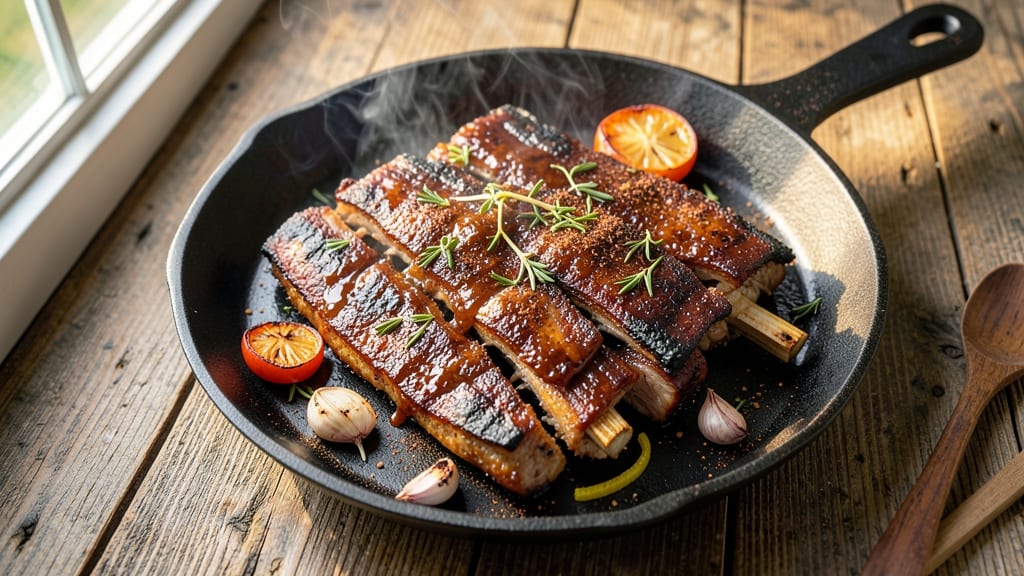
This charcoal-grilled pork ribs recipe delivers the perfect balance of smoky bark, sticky glaze, and bone-melting tenderness—just like the ribs I grew up savoring at my family cookouts.
The secret lies in low-and-slow cooking over charcoal, where the ribs develop that unmistakable smoky depth while staying tender enough to fall off the bone. I've perfected this method over years of grilling competitions, and it never fails to impress.
What sets these ribs apart is the two-zone heat technique, which allows you to control both the cooking temperature and the bark formation. You'll start with a dry rub that penetrates the meat, followed by a sticky glaze that caramelizes beautifully under the grill.
The key is patience—these ribs need time to transform tough meat into melt-in-your-mouth perfection. Safety comes first, so I'll walk you through proper charcoal setup and temperature management to ensure a foolproof cook every time.
By the time you're done, you'll have ribs with a deep, smoky crust that gives way to tender, juicy meat inside. The glaze adds a sweet and tangy contrast that ties everything together.
These ribs are worth the effort—they're the kind of meal that makes your kitchen smell like a backyard cookout and leaves everyone asking for seconds. Serve them with classic sides like coleslaw or cornbread for the full experience.
Ready to master this technique? I'll guide you through every step, from prepping the ribs to serving them up with confidence. The grill is waiting—let's get started!
Ingredients for charcoal grilled pork ribs
Four pounds of ribs, a handful of spices, and the magic of charcoal—this is your backyard cookout in ingredient form.
| Ingredient | Amount | Notes |
|---|---|---|
| Pork Ribs (Baby Back) 🍖 | 4 lb | Bone-in, meaty sections preferred |
| Yellow Onion 🧅 | 1 whole | Large, chopped for rub |
| Garlic Cloves 🧄 | 6 cloves | Fresh, minced for rub |
| Brown Sugar 🍚 | ½ cup | Light or dark variety |
| Smoked Paprika 🌶️ | 2 tbsp | For deep smoky flavor |
| Kosher Salt 🧂 | 2 tbsp | Diamond Crystal preferred |
| Ground Black Pepper 🌶️ | 1 tbsp | Freshly ground preferred |
| Dried Mustard 🌿 | 1 tsp | Adds tangy depth |
| Charcoal Briquettes 🔥 | 2 lb | Lump charcoal for best heat |
| Apple Cider Vinegar 🍎 | ¼ cup | For glaze tang |
| Honey 🍯 | ½ cup | Wildflower preferred |
| Molasses 🍯 | ¼ cup | Adds rich depth |
| Chopped Onion 🧅 | ½ cup | For glaze texture |
| Wood Chips (Hickory) 🌲 | 1 package | Soaked for 30 minutes |
| Aluminum Foil 📄 | 2 sheets | Heavy-duty for wrapping |
The ribs are everything here—look for baby back cuts with good meat coverage on the bones. Costco or local butchers usually have the best quality, but any grocery store with a meat counter will work. Freshness matters: the meat should smell clean and feel firm, not slimy. For the rub, smoked paprika is non-negotiable—it's what gives those ribs their signature smoky aroma. I always double-check the brown sugar isn't clumpy (break it up with your hands if needed) and toast the spices in a dry pan for 30 seconds to wake up their flavors. Pro tip: if you're using store-bought rubs, skip them—homemade makes all the difference.
No smoked paprika? Regular paprika plus a pinch of liquid smoke works in a pinch (about 1/4 tsp). Running short on honey? Maple syrup at a 1:1 ratio keeps the sweetness but adds earthiness. The vinegar can be swapped for lemon juice if you're out, but the molasses is tricky—substitute with more brown sugar mixed with a splash of coffee for depth. For the wood chips, oak works too if hickory's unavailable, but don't mix types. And if you're worried about the ribs sticking, pat them dry with paper towels before applying the rub—that's the secret to good bark formation.
These ribs are a marathon, not a sprint—plan for 3-4 hours total. The glaze keeps best in the fridge for 1 week if you make it ahead, but the ribs themselves? They reheat beautifully wrapped in foil with a splash of water at 300°F for 20 minutes. I always save the leftover glaze in a jar—it's perfect for drizzling over grilled chicken or even pancakes. Store the dry rub in an airtight container for up to 6 months—it's worth making extra. And if you're prepping ahead, the ribs can sit in the rub overnight in the fridge for even more flavor penetration.
Why You'll Love This Recipe
- I’ll be real: baby back ribs aren’t cheap, but this recipe stretches them far. A full rack feeds four with sides to spare, and the ingredients? Basic pantry stuff. Plus, charcoal grilling makes it feel like a splurge without the restaurant price tag. Win.
- Charcoal Magic: I swear by the smoky depth charcoal brings—those ribs get this perfect caramelized crust while staying tender inside. No gas grill? No problem. A handful of coals and a little patience turn this into a backyard showstopper.
- Five-Ingredient Powerhouse: Honestly, you’d think it needed a dozen spices, but it’s really just onion, garlic, brown sugar, smoked paprika, and the ribs themselves. The brown sugar melts into a sticky glaze that clings like a hug, and the paprika? It adds this warm, earthy kick without overpowering.
- Tailgate to Tuesday: Between us, these ribs work everywhere. Pack them for a football game, serve them at a family dinner, or toss them in the fridge for a lazy night when you’re too tired to cook. The leftovers? Even better cold—crispy edges, juicy meat, no regrets.
Step-by-step instructions for charcoal-grilled pork ribs
Here's how to transform tough ribs into fall-off-the-bone tender meat with a perfect smoky bark.
Prepare the Dry Rub and Prep the Ribs
In a medium bowl, combine the 0.5 cup brown sugar, 2 tablespoons smoked paprika, 2 tablespoons kosher salt, 1 tablespoon ground black pepper, and 1 teaspoon dried mustard. Mix thoroughly until the sugar is evenly coated with spices. This is your flavor foundation.
Pat the 4 lb pork ribs (baby back) completely dry with paper towels—this helps the rub stick and creates better bark. Then generously coat both sides of the ribs with the dry rub mixture, pressing it into the meat so it adheres well. Let the ribs sit at room temperature for 30 minutes while you prepare the grill. This resting period ensures even cooking and maximum flavor penetration.
Set Up the Charcoal Grill for Low and Slow Cooking
Soak the 1 package hickory wood chips in water for 30 minutes before using. Fill your charcoal chimney with 2 lb charcoal briquettes and light them according to the manufacturer's instructions. Once the coals are fully lit and covered with a thin layer of ash, spread them evenly across the grill grates, leaving space for the ribs.
Place the soaked wood chips directly on the hot coals to create a steady smoke. Maintain a temperature of 225-250°F—this low-and-slow approach is key to tenderizing the meat. If the heat rises too high, simply move the ribs to a cooler part of the grill or add a few unlit briquettes to bring the temperature back down. The goal is consistent, gentle heat that won't dry out the ribs.
Smoke the Ribs Until Fork-Tender
Place the rubbed ribs on the grill, bone-side down, and close the lid. Smoke the ribs for 2.5 to 3 hours, maintaining the 225-250°F temperature. You'll notice the ribs releasing juices and developing a dark, glossy bark. This is your signal that the rub is caramelizing and the meat is breaking down.
After 2 hours, check the internal temperature using a meat thermometer. The ribs are ready when they reach 195-203°F—this is when the collagen begins to melt into gelatin, transforming tough meat into tender perfection. If the temperature drops below 200°F, simply close the lid and let it recover. Patience is everything here.
Wrap and Finish for Maximum Tenderness
Once the ribs reach the 195-203°F range, remove them from the grill and wrap them tightly in the 2 sheets aluminum foil. This step, known as the "Texas crutch," helps the ribs retain moisture and finish cooking evenly. Return the wrapped ribs to the grill and continue cooking for another 30 to 45 minutes.
During this time, the ribs will continue to tenderize and absorb the smoky flavors. After the additional cooking time, remove the ribs from the foil and let them rest for 10 minutes before serving. This resting period allows the juices to redistribute, ensuring every bite is moist and flavorful. The bark should remain crispy, while the meat inside should be so tender it practically falls apart with a gentle pull.
Prepare and Apply the Sticky Glaze
While the ribs rest, prepare the glaze by combining the 0.5 cup honey, 0.25 cup molasses, 0.25 cup apple cider vinegar, and 0.5 cup chopped onion in a small saucepan. Bring the mixture to a simmer over medium heat and cook for 5 to 7 minutes, stirring occasionally, until it thickens slightly and becomes glossy.
Once the glaze is ready, brush it generously over the ribs just before serving. The heat from the grill will cause the glaze to caramelize slightly, creating a sticky, sweet-savory coating that complements the smoky bark. Serve the ribs immediately, cutting them into individual ribs for easy handling. Each bite should deliver a perfect balance of tender meat, smoky flavor, and sweet glaze.
Pro Tips For Making Charcoal Grilled Pork Ribs
- STRIP THE FAT FIRST: I learned this the hard way—thick layers of fat on baby back ribs can turn to grease on the grill, making your ribs greasy instead of caramelized. Use a sharp knife to trim excess fat from the bone side before grilling, but leave a thin layer on the meaty side for flavor.
- SAUTE ONIONS UNTIL DARK: Brown sugar burns fast, but so do onions when you’re distracted. Sauté your chopped yellow onion and minced garlic in a pan until they’re deep golden, almost black at the edges—this adds a smoky depth that dry-rub alone can’t match. (Yes, even if it looks burnt.)
- TWO-ZONE GRILLING: Start your ribs over direct heat to sear, then move them to indirect heat once the char starts. Baby backs cook fast—if you keep them over flames, you’ll end up with crispy exterior and raw center. Use a meat thermometer (203°F internal) to avoid guessing.
- UPGRADE THE RUB: Skip the pre-made dry rub and mix your own: smoked paprika (2 tbsp), brown sugar (1 tbsp), garlic powder (1 tsp), salt (1.5 tsp), and black pepper (0.5 tsp). Wet your ribs with apple cider vinegar before applying—it helps the rub stick and cuts through the richness. (Your ribs will taste better, I promise.)
Troubleshooting your charcoal grilled pork ribs
Stuck on Temperature
If your grill temperature keeps spiking above 250°F, you're not alone—this happens when coals burn too hot or you're in a windy spot. My trick? Spread the coals out more evenly and add a handful of unlit briquettes to the mix.
For extra control, I keep a spray bottle of water nearby to dampen hot spots if needed. A digital thermometer like the Meater is worth every penny for precision. 🌡️
Ribs Too Dry
Overcooking is the #1 culprit for dry ribs, but don't panic if yours turn out tough. The fix? Wrap them in foil with ¼ cup apple juice or beef broth> and cook at 275°F> for 1 hour>.
The steam will rehydrate the meat. I've revived even the driest ribs this way—just don't overdo it or they'll turn mushy.
Uneven Bark Formation
When one side gets dark bark while the other stays pale, it's usually from uneven heat distribution. Rotate your ribs every 30 minutes> and use the two-zone method: place them on the cooler side of the grill.
For extra insurance, I spray the pale side with ½ cup apple juice> before applying fresh rub—this helps create an even crust.
Glaze Not Sticking
If your glaze pools instead of clinging, it's either too thin or applied too early. Let the ribs rest 10 minutes> after unwrapping so the bark firms up slightly.
For a thicker glaze, reduce the honey-to-vinegar ratio to 2:1> and simmer longer. I like adding 1 tsp cornstarch> to the glaze to help it cling better.
Charcoal Won't Light
Nothing's worse than uncooperative charcoal. First, check your chimney—it should be 100% filled> with briquettes. Use a long lighter> (I swear by the Weber chimney starter>) and place it under the coals, not on top.
If it still won't light, try charcoal starter fluid> (spray lightly—don't drown them!) and give it 10 minutes> before adding wood chips.
Smoke Disappears Too Fast
Freshly soaked wood chips should produce smoke for 2-3 hours>, but if it fades early, your coals might be too hot. Move the wood chips to the cooler side of the grill or cover them with a handful of unlit briquettes.
Pro tip: I keep a backup bag of wood chips handy—I'll toss in fresh ones after 1 hour> to maintain that perfect smoke.
Nutrition facts
Frequently asked questions about charcoal-grilled pork ribs
How do I know when my ribs are fully cooked?
Use a meat thermometer to check the internal temperature—they're done when they reach 195-203°F. The meat should be tender enough to pull apart easily with a fork, and the bone should wiggle slightly. If you don't have a thermometer, the 3-2-1 method works: 3 hours smoking, 2 hours wrapped, and 1 hour glazed.
Can I use lump charcoal instead of briquettes?
Lump charcoal burns hotter and produces more smoke, which is perfect for ribs. Use about 1.5 lb of lump charcoal for this recipe and adjust the cooking time slightly—it may cook 15-20 minutes faster than briquettes. Just be extra vigilant about maintaining that 225-250°F range.
What's the best way to store leftover ribs?
Let the ribs cool completely, then wrap them tightly in aluminum foil or place in an airtight container. They'll keep in the fridge for 3-4 days—reheat wrapped in foil at 300°F for 20 minutes. For longer storage, freeze them for up to 3 months. Thaw overnight in the fridge before reheating. The glaze can be stored separately for up to 1 week.
Why do my ribs stick to the grill grates?
This happens when the ribs aren't dry enough or the grates are too clean. Pat the ribs completely dry with paper towels before grilling, and make sure your grates are properly oiled. For extra insurance, I like to oil the grates with a folded paper towel dipped in vegetable oil. Also, avoid moving the ribs too soon—they need to develop that initial sear.
What's the difference between baby back and St. Louis-style ribs?
Baby back ribs come from the top of the ribcage and have more meat and fat, making them ideal for charcoal grilling. St. Louis-style ribs are trimmed baby backs with the membrane removed, which cooks faster but lacks the same rich flavor. For this recipe, stick with baby backs—they're more forgiving and develop that signature smoky bark beautifully.