
Main Courses
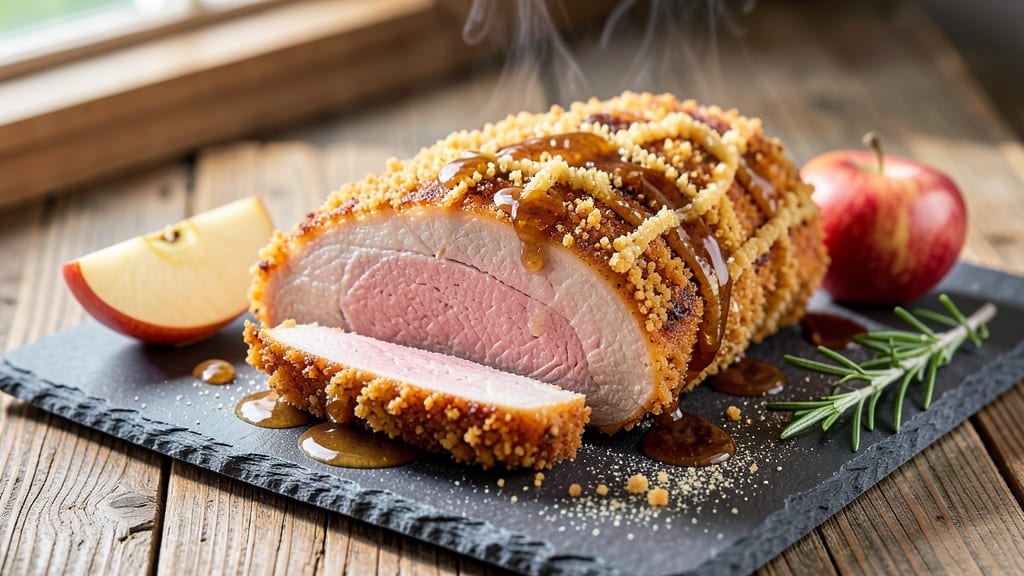
This breaded pork roast recipe delivers the perfect marriage of crispy golden crust and juicy pink center—no fancy equipment required. After years of perfecting this technique in my Atlanta kitchen, I’ve cracked the code for restaurant-quality results at home.
The secret lies in a precise breading method and controlled oven temperature that ensures every bite is tender yet satisfyingly crunchy.
What sets this recipe apart is the one-pan approach, eliminating cleanup while locking in moisture. A simple flour-egg-panko breading creates that coveted crunch, but the real magic happens when the roast rests after cooking—allowing juices to redistribute for maximum flavor.
Whether you’re feeding a crowd or treating yourself to a special meal, this method guarantees impressive results with minimal effort.
The pork emerges from the oven with a shatteringly crisp exterior that gives way to succulent, melt-in-your-mouth meat inside. The breading stays crisp even when sliced, making it ideal for serving whole or carved.
Pair it with roasted potatoes or a fresh green salad for a complete meal that’s both comforting and impressive.
For those with dietary restrictions, I’ve included a gluten-free breading variation in the tips section—just as crispy, just as delicious. This recipe is a testament to how simple techniques can elevate everyday cooking into something extraordinary. Let’s get started on creating your perfect pork roast.
Ingredients for breaded pork roast
Six ingredients make the magic happen—crispy crust, juicy pork, one-pan ease.
| Ingredient | Amount | Notes |
|---|---|---|
| Pork Loin Roast 🐖 | 4 lb | Center-cut, bone-in preferred |
| All-Purpose Flour 🌾 | 1 cup | For dredging, sifted |
| Large Eggs 🥚 | 3 whole | Room temperature for even coating |
| Japanese Panko Breadcrumbs 🍞 | 2 cups | Light and crispy texture |
| Dijon Mustard 🍯 | 1 tbsp | Adds tangy depth to breading |
| Garlic Powder 🧄 | 1 tbsp | Freshly ground preferred |
| Onion Powder 🧅 | 1 tbsp | For aromatic base |
| Dried Parsley 🌿 | 1 tbsp | Finely chopped for garnish |
| Salt 🧂 | 1 ½ tsp | Diamond Crystal preferred |
| Ground Black Pepper 🌶️ | 1 tsp | Freshly cracked |
| Olive Oil 🫒 | ½ cup | For brushing roast |
| Unsalted Butter 🧈 | 2 tbsp | Melted for basting |
| Fresh Rosemary 🌿 | ¼ cup | Chopped, for aroma |
| Fresh Thyme 🍃 | ¼ cup | Leaves only, chopped |
The pork loin is non-negotiable here—center-cut, bone-in roasts stay juicier and hold their shape better. Grab one from Whole Foods or your local butcher for the best quality. Look for good marbling and vibrant color, not grayish meat. If you're on a budget, Kroger's has solid options too. The roast should be roughly 4 pounds for six servings—any smaller and the breading won't crisp properly. For extra insurance, pat it dry with paper towels before breading (that's the secret to crispiness).
No panko? Regular breadcrumbs toasted in a dry pan work in a pinch, but they won't be as crispy. Fresh herbs? Dried thyme at one-third the amount gets you close. The Dijon mustard adds that restaurant-quality tang—substitute with lemon juice if you're out, but it won't be identical. For the breading, I always mix the flour, garlic powder, onion powder, and dried parsley in a bowl first, then add the panko. This keeps the seasoning evenly distributed. Quick tip: Toast the panko in a dry skillet for 2 minutes before mixing—it crisps up even more.
This roast reheats like a dream—20 minutes at 325°F covered with foil. The breading stays crispy if you reheat it uncovered for the last 5 minutes. For make-ahead prep, bread the roast and refrigerate it overnight (covered) for even better flavor development. Store leftovers in the fridge for 3-4 days or freeze for up to 3 months. I always carve it right before serving so the breading stays intact. Pair with roasted potatoes or a simple green salad for a complete meal.
Why You'll Love This Recipe
- Crispy in Minutes: I swear by the panko crust—it’s that perfect balance of crunch and tenderness. Just dip, coat, and bake; no frying mess or waiting hours for a dry roast.
- Dijon Magic: That little spoonful of Dijon mustard does all the work. It cuts through the richness of the pork and adds this bright, tangy punch that makes every bite feel special.
- Leftovers That Shine: This roast reheats like a dream—crispy outside, juicy inside—so I always make it for gatherings. Slice it thin for sandwiches or serve it cold in wraps the next day.
- Budget-Friendly Feast: Pork loin is affordable, and the ingredients won’t break the bank. A single roast feeds four, and the leftovers stretch into lunches without extra cost. Win-win.
Step-by-step instructions for breaded pork roast
Here's how to create a showstopping roast with a golden, shatterproof crust and melt-in-your-mouth interior.
Prepare the Pork for Maximum Flavor
Pat the 4 lb pork loin roast completely dry with paper towels—this is non-negotiable for crispy breading. I like to work in stages: first wipe down the entire surface, then focus on the seams and edges where moisture tends to hide. Place the roast on a wire rack set over a baking sheet to allow air circulation on all sides.
In a small bowl, whisk together 1 tbsp Dijon mustard, 1 tbsp garlic powder, 1 tbsp onion powder, 1 tbsp dried parsley, 1.5 tsp salt, and 1 tsp ground black pepper. Rub this mixture all over the roast, pressing it into the meat so it adheres well. Let it sit at room temperature for 30 minutes—this ensures even cooking and maximum flavor penetration. The mustard adds tang that cuts through the richness, while the garlic and onion build a savory foundation.
Create the Perfect Breading Station
Set up three shallow dishes or plates. In the first, place the 1 cup all-purpose flour and gently mix in 1 tbsp dried parsley. In the second, crack the 3 whole large eggs and whisk them lightly—you want them just beaten, not frothy. In the third, combine the 2 cups Japanese panko breadcrumbs with the remaining 1 tbsp garlic powder and 1 tbsp onion powder. This layered breading technique creates both texture and flavor in every bite.
Bring the pork to room temperature if it's been refrigerated. Working quickly (so the breading doesn't get soggy), dip the roast into the flour mixture, shaking off any excess. Then dip into the egg wash, letting any excess drip off. Finally, press the roast firmly into the panko mixture, coating it completely. The panko's light, airy texture will give you that perfect crispy crust without being too heavy.
Sear for Maximum Crispiness
Heat a large oven-safe skillet over medium-high heat and add 0.5 cup olive oil. Once the oil is shimmering (about 350°F), carefully place the breaded roast in the skillet. Let it sear undisturbed for 4-5 minutes until the breading turns a deep golden brown and the edges begin to crisp. This initial sear locks in the juices and creates that irresistible crunch you're after.
Here's where it gets tricky: after the first side is golden, carefully flip the roast and sear the other side for another 4-5 minutes. You'll need oven mitts for this—panko breading gets hot fast! The key is patience; don't rush the searing or the crust will burn before it's fully set. Once both sides are beautifully browned, transfer the skillet to a 425°F preheated oven.
Roast to Juicy Perfection
Roast the pork for 25-30 minutes until the internal temperature reaches 145°F when measured at the thickest part of the roast. The breading should be deep golden brown and crispy to the touch. If it's browning too quickly, tent loosely with aluminum foil to prevent burning while it finishes cooking.
While it roasts, prepare a basting sauce by melting the 2 tbsp unsalted butter in a small saucepan over low heat. Add the 0.25 cup chopped fresh rosemary and 0.25 cup chopped fresh thyme, letting the aromatics infuse the butter for about 2 minutes. Once the pork is done, brush this fragrant butter mixture all over the roast while it rests. This step adds an extra layer of flavor and keeps the breading moist and aromatic.
Rest and Serve with Confidence
Transfer the roast to a cutting board and let it rest for 10-15 minutes before slicing. This resting period is crucial—it allows the juices to redistribute throughout the meat, preventing them from running out when you cut into it. The breading will stay crispy on the outside while the interior remains succulent and tender.
Slice the roast into ½-inch thick portions against the grain for maximum tenderness. The contrast of the crispy panko crust with the juicy, herb-infused pork is what makes this dish truly special. Serve immediately with your favorite sides—roasted vegetables or a simple green salad work beautifully. The aromatic rosemary and thyme butter will elevate every bite, making this breaded pork roast a centerpiece worth celebrating.
Pro Tips For Making Breaded Pork Roast
- Pat the pork dry: I used to skip this, but after three soggy batches, I finally learned: press paper towels into every inch of the roast—even the fat cap—before breading. Wet pork = gluey crust. (Yes, it’s tedious, but your future self will notice.)
- Use two egg washes: One egg wash feels lazy, but two layers make a difference. Whisk the first egg with 1 tablespoon Dijon mustard, dip the roast, then coat in flour. Repeat with a second egg wash—no mustard this time—before the final panko. The crust stays crisp and sticks.
- Bake on wire rack: I know, it’s not the sexiest hack, but resting the roast on a rack (not the pan) lets air circulate. No more steam turning your panko into a sad, damp blanket. If you’re short on racks, crumple foil into bumps—it works in a pinch.
- Skip the pre-bake: I used to brown the roast first, then bread it, but that’s just extra work. Instead, bread the raw roast, then sear it in the oven for 10 minutes at 425°F (220°C) before lowering the heat. The crust forms faster, and the meat stays juicier—no flipping or fiddling.
Serving suggestions for this recipe
Classic Southern Sides
Nothing complements this breaded pork roast like creamy mashed potatoes with a touch of sour cream and chives. I always make a big batch using Yukon Gold potatoes boiled until tender, then mashed with ½ cup butter, ½ cup warm milk, and a pinch of salt.
The richness balances the crispy pork beautifully. For extra flair, fold in 2 tbsp chives right before serving. 🥔
Another Southern staple is cornbread dressing—savory, crumbly, and perfect for soaking up those pork juices. Use 1 box Jiffy cornbread mix prepared with 2 cups chicken broth instead of water, then fold in ½ cup diced celery, ½ cup diced onion, and 1 cup cooked sausage.
Bake at 375°F for 30 minutes until golden. This dish feels like a hug in food form.
Fresh Contrasts
A simple arugula salad with lemon vinaigrette cuts through the richness perfectly. Toss 6 cups baby arugula with 3 tbsp olive oil, 1 tbsp fresh lemon juice, 1 tsp Dijon mustard, ½ tsp honey, and a pinch of salt.
Top with ¼ cup shaved Parmesan and 2 tbsp toasted pine nuts for crunch. The peppery greens and bright citrus make every bite refreshing. 🥗
For a warm vegetable option, try roasted Brussels sprouts with balsamic glaze. Toss 1 lb halved Brussels sprouts with 2 tbsp olive oil, ½ tsp salt, and ¼ tsp black pepper, then roast at 425°F for 20 minutes.
Drizzle with 2 tbsp balsamic glaze and 2 tbsp crumbled feta before serving. The caramelized edges add a sweet contrast to the savory pork.
Bold Pairings
If you're feeling adventurous, serve this roast with apple sauce—not the syrupy kind, but a spiced version with ½ cup diced apples, 1 tsp cinnamon, ½ tsp nutmeg, and a splash of apple cider.
Simmer until thickened, then swirl in 1 tbsp butter for richness. The sweet-tart flavor cleanses the palate between bites of crispy pork. 🍏
For a heartier meal, add brown sugar-glazed carrots. Toss 1 lb baby carrots with 2 tbsp brown sugar, 1 tbsp butter, and ½ tsp thyme, then roast at 400°F for 25 minutes until caramelized.
The natural sweetness pairs wonderfully with the herby pork, creating a balanced plate that feels both comforting and elegant.
Nutrition facts
Frequently asked questions
Can I use a different cut of pork instead of pork loin?
For best results, stick with pork loin as it stays tender and holds its shape well. However, you could try a bone-in pork shoulder (like a picnic roast) if you prefer more flavor and want to braise it first. Just reduce the oven temperature to 325°F and cook until fork-tender (225°F internal temp), then bread and finish in the oven. Never use pork chops—they're too thin and will overcook.
Why did my breading fall off during cooking?
This usually happens when the pork isn't dry enough or the egg wash is too runny. Always pat the roast completely dry with paper towels before breading, and let the egg wash sit for 5 minutes after cracking to thicken slightly. Another trick: chill the breaded roast uncovered in the fridge for 15 minutes before cooking to help the coating set. The breading should stay intact if it's pressed firmly onto the meat.
Can I make this recipe gluten-free?
Replace the flour with 1 cup gluten-free all-purpose flour blend and use 2 cups gluten-free panko (or regular panko toasted in the oven for 5 minutes at 350°F). For extra crispiness, add 1 tbsp cornstarch to the flour mixture. The texture will be slightly different but still delicious. Just be sure to use a gluten-free egg wash to avoid cross-contamination.
How do I keep the breading crispy when reheating leftovers?
Reheat leftovers in a 400°F oven for 10-12 minutes uncovered, placing them on a wire rack over a baking sheet. The heat circulates better this way, preventing sogginess. For air fryer reheating, use 375°F for 5 minutes—this maintains crispiness without drying out the meat. Never microwave breaded pork, as it will turn rubbery and lose its crunch.
What's the best way to carve a breaded pork roast?
Always slice against the grain for maximum tenderness. Start by making a shallow cut down the center of the roast to expose the meat, then work your way outward. For even slices, use a sharp carving knife and cut at a 45-degree angle to create elegant portions. Serve immediately so the breading stays crisp—it loses its crunch if left sitting too long after carving.