
Main Courses
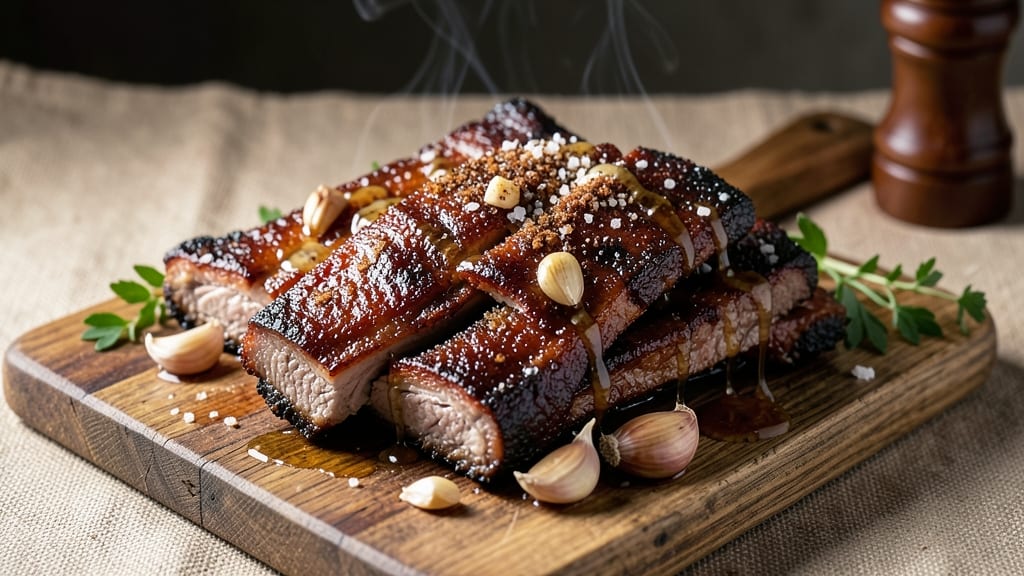
This brine recipe for country-style pork ribs transforms tough cuts into melt-in-your-mouth perfection with a crispy, caramelized bark. Growing up in Cincinnati, I learned from Mrs. Henderson that brining isn't just about seasoning—it's about science: salt breaks down muscle fibers while locking in juices, ensuring every bite stays tender.
The key lies in balancing time, temperature, and technique to create ribs so flavorful they'll have your whole table begging for seconds.
What sets this method apart is the dry-rub finish—a bold blend of spices that clings to the bark during the final cook, creating that signature smoky-sweet crust.
Unlike quick marinades, brining requires patience: ribs soak overnight, then bake or smoke until they reach 203°F internal temperature, where collagen dissolves into gelatinous perfection. The result? Ribs that fall apart at the touch, with a crust so crisp it shatters like glass.
Pair these ribs with classic sides like baked beans, cornbread, and collard greens for a meal that feels like a Sunday supper. The brining process also works for other cuts—think pork shoulders or even chicken—but country-style ribs?
That's where the magic happens. Trust me: once you try this method, you'll never settle for ribs that aren't brined.
Ready to master the full process? From brining to plating, this recipe delivers restaurant-quality tenderness with a technique even beginners can nail. The secret isn’t complicated—it’s consistent. Let’s get started on ribs that’ll make your taste buds sing.
Ingredients for brine recipe for country style pork ribs
Salt, sugar, and smoke create melt-in-your-mouth ribs with a glass-like crust.
| Ingredient | Amount | Notes |
|---|---|---|
| Country Style Pork Ribs 🍖 | 4 lb | Bone-in, meaty ends included |
| Kosher Salt 🧂 | 1 ½ cups | Diamond Crystal preferred |
| Brown Sugar 🍯 | ½ cup | Light or dark, packed |
| Granulated Sugar 🍚 | ¼ cup | For balanced sweetness |
| White Vinegar 🍶 | ¼ cup | For tenderizing and tang |
| Garlic Cloves 🧄 | 6 cloves | Smashed for deeper flavor |
| Onion Powder 🧅 | 2 tbsp | For dry rub depth |
| Smoked Paprika 🌶️ | 1 ½ tbsp | For signature smoky bark |
| Ground Black Pepper 🌶️ | 1 ½ tbsp | Freshly cracked preferred |
| Ground Cumin 🌿 | 1 tbsp | Toasted for warmth |
| Mustard Powder 🌶️ | 1 tsp | For subtle tang |
| Butter 🧈 | ½ cup | Cold, cubed for coating |
| Water 💧 | 4 cups | Filtered preferred |
The ribs are non-negotiable—country-style cuts with meaty ends are essential for that signature tenderness. Costco or your local butcher usually carries them, often labeled as 'pork loin ribs' or 'st. louis-style.' Look for cuts with good marbling—the more fat, the more flavor. If you can't find them fresh, frozen works too, just thaw overnight in the fridge. The kosher salt is the star here, and Diamond Crystal is your best bet—it dissolves better than table salt, which means deeper penetration and more tender meat. Grab a big bag; you'll need it for both the brine and the dry rub.
No kosher salt? Morton coarse sea salt works in a pinch, but you'll need about 20% more by volume. The vinegar adds tang and helps break down the meat fibers—apple cider vinegar works too, but white vinegar is more neutral. For the dry rub, smoked paprika is a must—it's what gives those ribs their signature bark. If you're in a hurry, Trader Joe's sells pre-mixed rib rubs, but trust me, making your own is worth it. The butter in the dry rub might seem odd, but it's what helps create that crispy, caramelized crust. Use cold butter—it coats the ribs better and doesn't melt into a greasy mess.
The brine can be made a day ahead and stored in the fridge—just give it a stir before using. The ribs themselves? Use within 2 days of brining for best texture. For the dry rub, mix everything in a bowl and store in an airtight container for up to 2 weeks. These ribs reheat beautifully—wrap them in foil and bake at 300°F for 20 minutes. Leftovers? They're rare, but if you have any, they keep for 4 days in the fridge. Freeze for up to 3 months if you're planning ahead—just thaw overnight before cooking.
Why You'll Love This Recipe
- Five-Ingredient Magic: I swear by this brine—just ribs, salt, sugars, and vinegar. No fancy marinades or hours of prep; the vinegar tenderizes while the sugars caramelize into that sticky, sweet glaze you’ll want to lick off your fingers.
- Sweet-Savory Balance: That brown sugar and white vinegar combo? It’s like a hug for your taste buds—tart, rich, and just enough sweetness to make your ribs irresistible. Honestly, the first bite makes me forget I’m not at a BBQ joint.
- Tailgate or Tuesday: These ribs shine at picnics, game days, or lazy weeknights. The brine keeps them juicy whether you grill, bake, or slow-cook, and they’re hearty enough to feed a crowd but simple enough for two.
- Leftovers That Don’t Suck: Slow-cooked ribs stay tender for days, and the glaze thickens into a sauce you can drizzle on toast or toss with rice. I’ll be real—my kids beg for seconds, even after the original meal. (Yes, even on a Tuesday night.)
Step-by-step instructions for brining and rubbing country style pork ribs
Here's how to transform tough country ribs into melt-in-your-mouth tender meat with a perfect smoky bark.
Create the Wet Brine for Maximum Tenderness
In a large non-reactive container (I use a gallon-sized Ziploc bag for easy handling), combine the 4 cups water, 1.5 cups kosher salt, 0.5 cup brown sugar, 0.25 cup granulated sugar, and 0.25 cup white vinegar. Stir until the salt and sugars dissolve completely—this ensures even distribution throughout the brine.
Place the 4 lb country style pork ribs in the brine, making sure they're fully submerged. If needed, weigh them down with a plate. Refrigerate for 12-24 hours, turning the bag occasionally. The ribs are perfectly brined when they feel firm to the touch and the brine takes on a golden hue. This step doesn't just add flavor—it breaks down connective tissue for that signature tenderness we're after.
Prepare the Dry Rub for Crispy Bark
While the ribs brine, combine the 2 tbsp onion powder, 1.5 tbsp smoked paprika, 1.5 tbsp ground black pepper, 1 tbsp ground cumin, 1 tsp mustard powder, and 6 smashed garlic cloves in a small bowl. This is your flavor foundation—each spice plays a crucial role: smoked paprika for that signature bark, cumin for warmth, and mustard powder for subtle tang.
After removing the ribs from the brine (rinse them briefly under cold water to remove excess salt), pat them completely dry with paper towels. This drying step is non-negotiable—it's what creates that perfect crispy bark later. Spread the dry rub evenly over all surfaces, pressing it into the meat so it adheres well. Let the ribs sit uncovered at room temperature for 30 minutes before cooking—this allows the rub to penetrate and develop flavor.
Coat with Butter for Extra Flavor and Moisture
Take the 0.5 cup cold cubed butter and rub it all over the ribs, coating them thoroughly. The butter acts as a flavor carrier and helps prevent the rub from falling off during cooking. It also adds another layer of richness that complements the smoky, sweet, and spicy notes from the rub.
Here's where it gets interesting: let the ribs rest for another 15-20 minutes at room temperature. This final step ensures even cooking and maximum flavor development. You'll know they're ready when the butter has melted slightly and the rub looks slightly sticky—this indicates the spices are activating and getting ready to create that incredible bark.
Cook to Perfect Doneness
Preheat your oven to 325°F (this lower temperature is key for even cooking). Place the ribs on a wire rack set over a baking sheet to allow air circulation on all sides. Bake for 2 hours, then increase the heat to 375°F and continue baking for another 30-45 minutes until the internal temperature reaches 195-203°F and the bark is deep mahogany brown.
The ribs are done when they're fork-tender and the bark is crisp enough to crack when you press it gently. If the bark isn't crispy enough, return them to the oven for another 5-10 minutes at 400°F. Let them rest for 10 minutes before serving—this resting period is crucial for juices to redistribute, ensuring each bite is moist and flavorful.
Pro Tips For Making Brine Recipe For Country Style Pork Ribs
- Trim the Membrane First: Country ribs come with that tough membrane on the bone side—peel it off before brining. I learned this the hard way when my ribs stayed chewy even after hours of cooking. Use a paring knife to slide under it and lift it off in one piece, then score the fat cap lightly so the brine penetrates deeper.
- Use a 1:4 Salt-to-Water Ratio: Too much salt? Your ribs will taste like a swimming pool. Too little? They’ll be bland. For a 3-quart brine, use 3 cups kosher salt—this balances flavor without overpowering. If you’re using iodized salt, reduce by a third. And yes, even if the recipe says "a lot," measure it.
- Cold Brine Only: I used to toss ribs into warm brine to save time, and they’d turn out mushy. Keep the brine ice cold—right out of the fridge—and soak the ribs for 4–6 hours max. The cold helps the salt penetrate evenly without breaking down the meat prematurely. No shortcuts here.
- Add Vinegar Last: Brown sugar and granulated sugar caramelize in vinegar, turning your brine cloudy and dull. Stir in the white vinegar right before submerging the ribs. This keeps the brine clear and lets the acid work its magic on the surface without turning into syrup. Trust me, it makes a real difference.
Serving suggestions for brine recipe for country style pork ribs
Classic BBQ Sides
These ribs shine with traditional Southern sides that balance their rich, smoky-sweet flavors. I always serve them with baked beans—my go-to is a slow-cooked version with brown sugar, molasses, and bacon—because the deep, caramelized sauce soaks into the ribs beautifully.
For texture contrast, add crusty cornbread made with stone-ground cornmeal from my local Portland farmers market; the slight sweetness pairs perfectly with the smoky rub. 🍖
Fresh and Tangy
To cut through the richness, I recommend a cucumber and tomato salad with red onion slices, fresh dill, and a light buttermilk dressing. The cool crunch and tangy dressing refresh your palate after each bite of ribs.
Another favorite is collard greens cooked with apple cider vinegar, smoked paprika, and a splash of chicken broth—the vinegar echoes the white vinegar in the brine, creating a cohesive meal.
I often make a big batch on Sundays while Lily helps me pick the freshest greens from the backyard garden.
Bread Basket Essentials
No ribs meal is complete without a basket of warm bread. I love serving honey butter cornbread muffins (made with New Seasons Market's stone-ground cornmeal) alongside the ribs. The buttery sweetness complements the smoky flavors, and the muffins are perfect for soaking up any leftover sauce.
For a heartier option, add crusty sourdough rolls from a local bakery—their chewy texture stands up to the tender ribs. Pickles the tabby always "supervises" while I'm shaping the dough, and she gets a few crumbs as a reward. 🐱
Drink Pairings
For beverages, I reach for sweet tea—brewed strong with lemon slices—to balance the smoky, spicy notes. A cold light beer like Deschutes Brewery's Mirror Pond Pale Ale (a local favorite) also works beautifully, with its crisp, citrusy finish.
For something non-alcoholic, sparkling peach iced tea adds a refreshing contrast. I always keep a pitcher of one of these on hand when hosting, and it’s the first thing to disappear during our Sunday dinners. 🍹
Make-Ahead Sides
To streamline your meal prep, I suggest making sides the day before. The baked beans and cornbread can both be reheated in the oven at 325°F for 15-20 minutes—just cover them with foil to keep them moist.
The collard greens also reheat well; store them in an airtight container and warm them on the stovetop with a splash of water. This way, you can focus on brining and cooking the ribs fresh, knowing the sides are ready to go.
It’s a game-changer when you’re juggling a busy Sunday like I do with Lily’s soccer practice and Tom’s grilling duties. ⏰
Nutrition facts
Frequently asked questions
Why do country-style ribs need brining?
Brining breaks down tough muscle fibers while locking in moisture—critical for these meaty cuts. The 12-24 hour soak in salt and sugar solution transforms tough collagen into gelatin, creating that signature fall-apart tenderness. Without brining, you risk dry, chewy ribs even with perfect cooking. Think of it as a flavor and texture upgrade for your pork!
Can I use this brine for other pork cuts?
This same brine works beautifully for pork shoulders or even chicken thighs. The key is adjusting the brining time: 4-6 hours for chicken, 12-24 hours for pork shoulders. Just reduce the salt slightly (by 20%) for thinner cuts like chicken breasts. The sugar and vinegar ratios stay the same—they're what create that perfect balance of sweetness and tang.
What if my ribs aren't tender after cooking?
First check your internal temperature—ribs need to reach 195-203°F for maximum tenderness. If they're still tough, they likely didn't brine long enough. For next time, extend the brining to 24 hours and consider adding 1 tbsp baking soda to the brine (it helps break down proteins faster). Pro tip: Wrap cooked ribs in foil and bake at 300°F for 30 minutes to finish them if they're close but not quite there.
How do I store leftover brined ribs?
Wrap ribs tightly in plastic wrap, then place in an airtight container. They'll keep in the fridge for 4 days—reheat at 300°F until warmed through. For longer storage, freeze for up to 3 months. Thaw overnight in the fridge before reheating. Never refreeze once thawed. The butter coating helps preserve freshness, but ribs reheat best when wrapped in foil to maintain moisture.
Can I make the dry rub ahead of time?
Yes! Store mixed dry rub in an airtight container for up to 2 weeks at room temperature. For best flavor, let it sit at room temp for 30 minutes before applying to ribs—this activates the spices. The smoked paprika and cumin develop deeper flavors when rested. Just be sure to add the cold butter right before cooking, as it melts quickly at room temperature.