
Main Courses
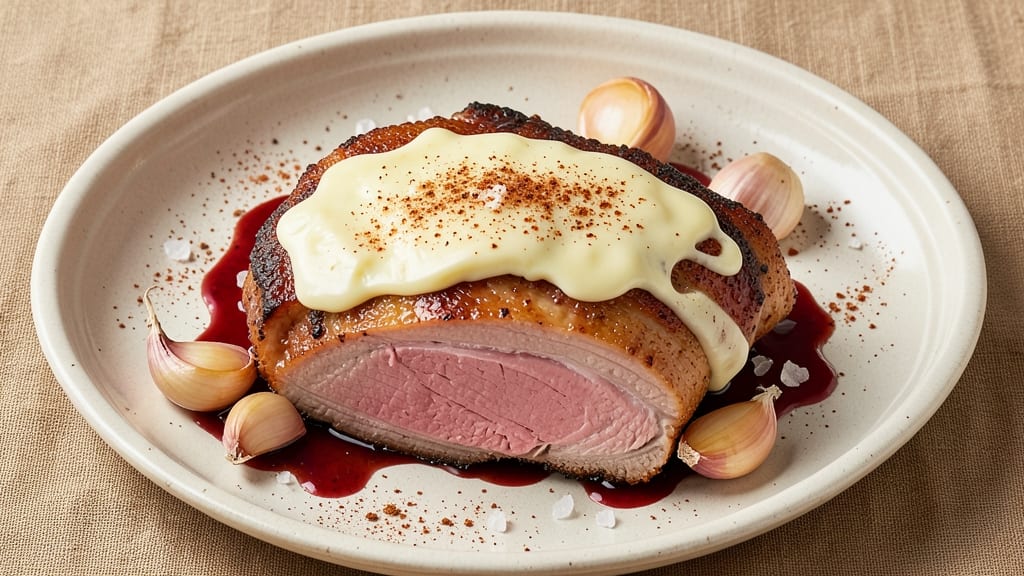
This butterflied pork loin recipe transforms a simple cut into a showstopper with crispy edges and tender, juicy meat—perfect for weeknight dinners or special occasions. After years of perfecting this technique in my kitchen and at The Smoky Pig, I can confidently say this method delivers restaurant-quality results every time.
The butterflying process ensures even cooking and maximum flavor penetration, while the high-heat roast creates that coveted caramelized crust.
The secret lies in the preparation: scoring the loin, flattening it evenly, and seasoning generously before roasting. I use a combination of salt, pepper, and a touch of smoked paprika to build deep, savory flavor without overpowering the natural taste of the pork.
This recipe works with any pork loin cut, making it accessible for home cooks while still impressing guests. The one-pan approach keeps cleanup minimal while maximizing flavor development.
What you'll achieve is a perfectly cooked pork loin with a crispy exterior that shatters with each bite and a moist, tender interior that melts in your mouth. The edges develop a beautiful golden-brown crust through careful temperature control, while the center remains juicy and pink—just how I like it.
This technique has become a staple in my kitchen, whether I'm feeding a crowd or treating myself to a special meal.
Serve with roasted vegetables, mashed potatoes, or a fresh herb salad to complete the meal. The versatility of this recipe makes it ideal for any occasion, from family dinners to holiday feasts. Once you try butterflying pork loin, you'll never go back to cooking it the traditional way—it's that transformative.
Ingredients for butterflied pork loin
Pork loin at its finest—where simple prep meets restaurant-quality results.
| Ingredient | Amount | Notes |
|---|---|---|
| Pork Loin 🍖 | 1 ½ lb | Center-cut, bone-in preferred |
| Diamond Crystal Kosher Salt 🧂 | 1 ½ tsp | For seasoning and scoring |
| Freshly Ground Black Pepper 🌶️ | 1 tsp | Cracked peppercorns preferred |
| Smoked Paprika 🌶️ | ½ tsp | For depth of flavor |
| Unsalted Butter 🧈 | 2 tbsp | Cold, cubed for crispy edges |
| Garlic Cloves 🧄 | 4 cloves | Minced for seasoning paste |
| Fresh Rosemary 🌿 | ¼ cup | Chopped, for herb paste |
| Extra-Virgin Olive Oil 🫒 | 2 tbsp | High smoke point for roasting |
| Fresh Thyme Leaves 🌿 | ⅛ cup | Chopped, for finishing |
| Fresh Lemon Juice 🍋 | 1 tbsp | Brightens final flavor |
| Garlic-Infused Olive Oil 🫒 | 1 tbsp | Optional for brushing |
| Fresh Parsley 🌿 | ⅛ cup | Chopped, for garnish |
The pork loin makes all the difference here. Center-cut is key for even cooking, and bone-in pieces hold up better to high heat. Grab the thickest cut you can find—Costco or Whole Foods usually carry premium options. Score the fat cap in a diamond pattern before butterflying to ensure even crisping. I always buy mine a day ahead to let it sit uncovered in the fridge, which helps it crisp better. Look for good marbling—it's what creates that irresistible caramelized crust during roasting.
No smoked paprika? Regular paprika plus a pinch of cayenne works in a pinch. Fresh herbs? Dried works at one-third the amount, but honestly, nothing beats the fresh stuff. The butter needs to be cold—take it out of the fridge 20 minutes before use. For extra flavor, make a quick herb paste by blending minced garlic, chopped rosemary, and a splash of olive oil—spread it on the pork before roasting. The lemon juice is non-negotiable at the end—it cuts through the richness and brightens everything. And if you're feeling fancy, garlic-infused olive oil for brushing adds another layer of flavor.
This roast reheats beautifully—just warm in the oven with a splash of water for 10 minutes at 325°F. The pork keeps 3-4 days in the fridge, but honestly, it's best eaten fresh. For leftovers, slice against the grain and serve on toasted baguette slices with a drizzle of that garlic-infused oil. The crispy edges? They're best enjoyed immediately, so don't wait too long. If you're making this ahead, butterfly and season the pork, wrap tightly, and refrigerate for up to 24 hours before roasting.
Why You'll Love This Recipe
- One Knife Job: I swear, butterflying that pork loin takes less time than debating what to make for dinner. Just slice through the tough band, flatten it out—no fancy cuts, no stress—and you’re ready to season in minutes. (Yes, even on a Tuesday night.)
- Smoky Butter Magic: That smoked paprika and black pepper rub? It’s the secret weapon. When you sear the edges and baste with butter, the crust gets this addictive crunch while the inside stays juicy. Honestly, it’s the kind of flavor that makes people ask for the recipe mid-bite.
- Weeknight Workhorse: This cuts prep time in half compared to roasting a whole loin. Use half for dinner, save the rest for sandwiches or tacos—no one will guess it’s the same dish. My daughter picks out the leftovers first, and that’s saying something.
- Budget-Friendly Feast: Pork loin stretches further than you’d think when butterflied. A single cut feeds four easily, and the cost per serving is half what you’d pay for steak. Between us, it’s my go-to for feeding guests without breaking the bank.
Step-by-step instructions for butterflied pork loin roast
Here's how to transform a simple pork loin into a showstopper with perfectly crisp edges.
Butterflying the Pork Loin
Begin by placing the 1.5 lb pork loin on a cutting board, fat-side up. Using a sharp boning knife, carefully score the thickest part of the loin about ½ inch deep, cutting through the connective tissue to create a hinge. This prevents tearing when you open it flat.
Next, press down firmly on the scored side to flatten the loin completely. You should end up with a single, even-thick piece that looks like a large cutlet. If it resists, use your palm to press down while twisting the knife gently through the hinge. The goal is an even ½-inch thickness throughout—this ensures even cooking and maximum crispiness.
Seasoning and Herb Paste
In a small bowl, combine the 1.5 tsp Diamond Crystal kosher salt, 1 tsp freshly ground black pepper, and 0.5 tsp smoked paprika. Rub this mixture all over the butterflied pork loin, pressing it into the meat so it adheres evenly. Let it sit for 10 minutes at room temperature—this allows the salt to penetrate and develop flavor.
While the pork seasons, make the herb paste by mincing the 4 cloves garlic and finely chopping the 0.25 cup fresh rosemary. In a separate bowl, mix these with the 2 tbsp unsalted butter (cold, cubed) and 1 tbsp garlic-infused olive oil until it forms a thick paste. Spread this generously over both sides of the pork, covering every inch. The butter will render during roasting, creating those coveted crispy edges.
Searing for Maximum Crisp
Heat a large oven-safe skillet over medium-high heat until very hot. Add the 2 tbsp extra-virgin olive oil and swirl to coat the pan. Place the butterflied pork loin in the skillet and sear for 3-4 minutes per side until the edges are deep golden brown and the butter begins to crisp. This step is crucial—don't rush it. You want that butter to brown and crisp up, not just melt away.
Once the pork is seared on both sides, transfer the skillet to a 425°F preheated oven. Roast for 12-15 minutes until the internal temperature reaches 145°F (measured with a meat thermometer in the thickest part). The edges should be crispy and caramelized, while the center remains juicy. If the top isn't brown enough, broil for 1-2 minutes at the end.
Finishing with Herbs and Lemon
Remove the pork from the oven and let it rest for 5 minutes on a cutting board. This resting period is non-negotiable—it allows the juices to redistribute, ensuring every bite is moist. While it rests, stir together the 0.125 cup fresh thyme leaves and 0.125 cup fresh parsley with the 1 tbsp fresh lemon juice. Spoon this mixture over the top of the pork.
Slice the pork loin against the grain into ½-inch thick medallions. The crispy edges should contrast beautifully with the tender, juicy center. Serve immediately, drizzling any pan juices over the top. The lemon brightens the rich pork, while the herbs add a fresh finish that cuts through the fat perfectly.
Pro Tips For Making Butterflied Pork Loin
- USE A MEAT MALLET: Butterflying pork loin is easier than it looks—just pound it gently between two sheets of plastic wrap with a mallet until it’s about ½-inch thick. I learned this the hard way by trying to slice through it raw, which left jagged edges and uneven cooking.
- SALT THE LOIN FIRST: Pat the butterflied loin dry, then season it generously with kosher salt and black pepper at least 30 minutes before cooking. This isn’t just about flavor—it helps the crust form better and keeps the meat juicy. (Yes, even if you’re impatient like me.)
- WATCH THE BUTTER: When you add the butter and smoked paprika to the pan, resist the urge to stir constantly. Let it melt and sizzle for 30 seconds first—this gives the butter time to brown and coat the meat evenly. Stirring too soon just makes a mess.
- REST IT UNDER FOIL: After pulling the pork from the pan, tent it loosely with foil and let it rest for 5-10 minutes. Skipping this step means your slices will be dry and stringy. (Your future self will thank you.)
Essential equipment for butterflied pork loin
Skillet Selection
For this recipe, I swear by a 12-inch cast iron skillet—preferably my vintage Lodge 10.25-inch with its heavy-duty construction. The deep sides prevent butter spillage while searing, and the material retains heat perfectly for that golden crust.
If you don’t own cast iron, a stainless steel skillet with oven-safe handles (like All-Clad) works too—just preheat it longer to match the heat retention. Avoid nonstick for this dish; you need that natural browning reaction for crispy edges. 🔥
Knife Essentials
Your boning knife is the MVP here—look for a 6-8 inch blade with a flexible spine for precision. I use my Wüsthof Classic for butterflying because it glides through connective tissue without tearing.
For scoring, a sharp chef’s knife (like Shun Premier) works too, but keep it ½-inch deep—any deeper risks piercing the meat. A meat mallet (optional but helpful) flattens stubborn sections without bruising the meat. Never use a dull knife—it’ll crush the fibers instead of cleanly separating them.
Temperature Tools
An instant-read meat thermometer is non-negotiable. I trust my ThermoWorks Smoke for its precision—it reads 145°F at the thickest part of the loin. For oven monitoring, a laser thermometer (like Kizen) helps track skillet temps without opening the door.
Pro tip: Place your thermometer probe away from the butterfat to get an accurate internal reading. If you’re new to thermometers, practice with a turkey breast first—it’s the best teacher for consistent doneness.
Butterflying Aids
Two tools make butterflying easier: a meat tenderizer mallet (for stubborn sections) and a plastic cutting board (to prevent knife slippage). I also keep a small offset spatula handy to press down on thick areas while butterflying—it distributes pressure evenly.
For scoring, a diamond-tip knife (like Victorinox) creates clean lines without tearing. Avoid plastic boards with grooves—they catch meat fibers and make cleanup harder. A sharpener (I use Work Sharp) keeps your knife in top form for clean cuts every time.
Oven-Safe Gear
Your skillet must be oven-safe—check the manufacturer’s guidelines. I line my Lodge skillet with a silicone baking mat (like OXO Good Grips) to prevent sticking and make cleanup effortless.
For extra insurance, I place a wire cooling rack inside the skillet before roasting—it elevates the pork slightly for even browning on all sides. If your skillet lacks handles, use heat-resistant oven mitts or potholders to transfer it safely.
Never use aluminum foil directly on the skillet—it blocks heat and traps steam, leading to soggy edges.
Resting Station
A wooden cutting board (like Baltic birch) is ideal for resting the pork—it absorbs moisture without warping. I keep a small bowl nearby for catching pan juices and a tongs set (preferably stainless steel) to flip the pork during searing.
For garnishing, a microplane (to zest lemon) and pair of kitchen shears (to snip herbs) streamline prep. Pro move: Place a small plate under the cutting board to catch any drips—this keeps your workspace clean and organized. 💡
Nutrition facts
Frequently asked questions
Why does butterflying make pork loin cook more evenly?
The butterflying technique creates a uniform ½-inch thickness throughout the loin, ensuring even heat penetration and consistent doneness. Traditional roasting leaves the center potentially undercooked while the outer edges overcook. This method also maximizes surface area for crispy edges while keeping the interior juicy.
Can I use bone-in pork loin for this recipe?
Bone-in pork loin works beautifully—it actually holds up better to high heat and adds extra flavor. Just be sure to score the thickest part ½ inch deep to create your hinge, and press firmly to flatten it completely. The bone will stay intact during butterflying.
What if my butterflied pork loin isn't flat enough?
If the loin resists flattening, use a meat mallet or your palm to press down firmly while twisting the knife gently through the hinge. For stubborn sections, place the pork between two sheets of plastic wrap and pound lightly with the mallet. The goal is even thickness—this ensures perfect crispiness and doneness throughout.
How do I know when the pork is done without overcooking?
Use an instant-read meat thermometer to check the thickest part—it should reach 145°F internally. The edges will be crispy and caramelized while the center remains juicy. If your thermometer isn't available, cut into the thickest section: juices should run clear, not pink. Remove it from heat at 140°F and let it rest—it'll carry over to 145°F.
Can I make this ahead of time?
Yes! Butterfly and season the pork, then wrap tightly in plastic and refrigerate for up to 24 hours before roasting. For leftovers, slice against the grain and reheat in the oven at 325°F for 10 minutes with a splash of water. The crispy edges are best enjoyed fresh, but the tender meat reheats beautifully.