
Main Courses
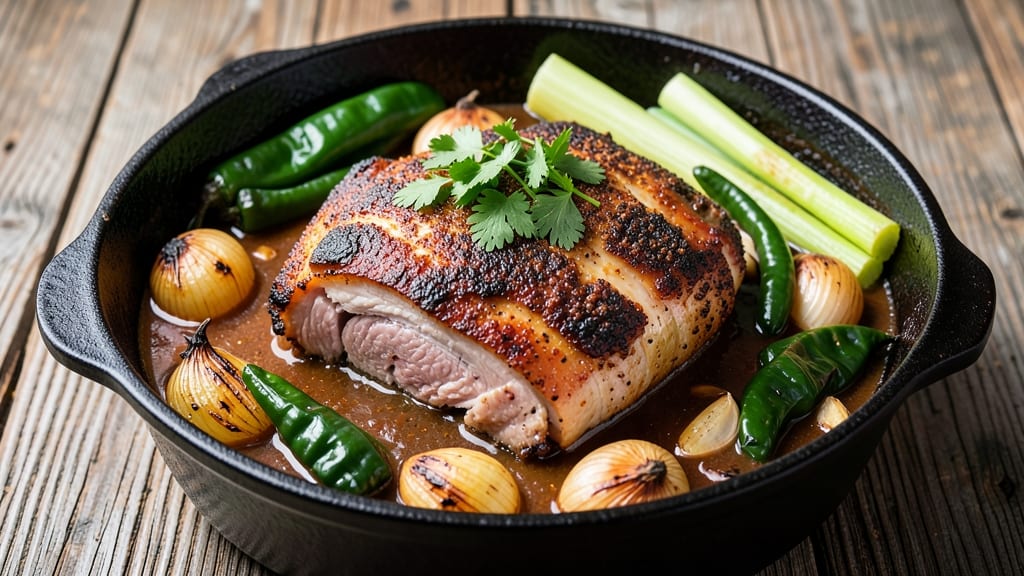
This Cajun pork pot recipe transforms tough pork cuts into melt-in-your-mouth tenderness with just a few hours of hands-off cooking. The secret lies in layering smoky Cajun spices with sweet bell peppers and onions, creating a rich, aromatic base that caramelizes beautifully in a Dutch oven.
I've perfected this method over years of testing—each bite delivers a perfect balance of heat, sweetness, and savory depth that makes it a weeknight standout.
The beauty of this one-pan dish is its simplicity: brown the pork first for maximum flavor, then simmer everything together until the meat falls apart. No fancy techniques required—just time and patience.
The slow cooking process develops deep, complex flavors while keeping the pork incredibly tender, and the vegetables absorb all that smoky goodness. This isn't just another pork stew; it's a restaurant-quality meal that comes together with minimal effort.
What you'll end up with is a pot of golden, fragrant stew where the pork is so tender it practically melts on your tongue, the vegetables are perfectly softened but still vibrant, and the sauce is thick with flavor.
The aroma alone will have everyone gathering at the table. Serve it with crusty bread to soak up every last drop of that rich, spiced sauce—this is comfort food at its finest, elevated by bold Cajun seasoning.
Perfect for feeding a crowd or meal prepping for the week, this recipe scales beautifully without sacrificing flavor. The leftovers actually taste better the next day as the flavors meld even more.
Whether you're hosting a dinner party or just craving a hearty meal, this one-pan wonder delivers every time. Let's get cooking!
Ingredients for cajun pork pot
Pantry staples plus a few specialty spices transform tough pork into melt-in-your-mouth perfection.
| Ingredient | Amount | Notes |
|---|---|---|
| Pork Shoulder 🥩 | 3 lb | Bone-in for flavor, cut into 2-inch chunks |
| Yellow Onion 🧅 | 1 whole | Diced, medium size |
| Green Bell Pepper 🍅 | 2 whole | Diced, any color works |
| Celery Stalks 🥬 | 3 whole | Diced, classic mirepoix |
| Garlic Cloves 🧄 | 6 cloves | Minced, fresh preferred |
| Cajun Seasoning 🌶️ | 3 tbsp | Store-bought or homemade blend |
| Smoked Paprika 🌶️ | 1 tbsp | For extra smoky depth |
| Dried Thyme 🌿 | 1 tsp | Or 1 tbsp fresh thyme |
| Bay Leaves 🍃 | 2 whole | For aromatic depth |
| Chicken Broth 💧 | 4 cups | Low-sodium preferred |
| Tomato Paste 🍅 | 2 tbsp | For rich, thick sauce |
| Olive Oil 🫒 | 2 tbsp | For searing pork |
| Salt 🧂 | 1 ½ tsp | Kosher or sea salt |
| Black Pepper 🌶️ | 1 tsp | Freshly ground |
| Crusty Bread 🍞 | 1 loaf | For serving, optional |
The pork shoulder is where all the magic happens—bone-in for extra flavor, but any cut will work if you're in a pinch. I always grab Costco's pork shoulder when I can, but the regular supermarket stuff works fine too. Look for good marbling—white fat streaks mean juicier meat. The Cajun seasoning is non-negotiable here; Tony Chachere's is my go-to, but any good blend with paprika, garlic powder, and cayenne will do. Fresh thyme is ideal but dried works at one-third the amount—just make sure it's not ancient dust in your spice rack.
No Cajun seasoning? Mix 2 tbsp paprika, 1 tsp garlic powder, 1 tsp onion powder, 1 tsp dried oregano, 1/2 tsp cayenne, and 1/2 tsp thyme. Short on bell peppers? Sweet potatoes or carrots add sweetness too. The tomato paste can be the squeeze-tube kind from Trader Joe's—it's perfect for this. And if you're worried about the pork being too fatty, pat it dry before searing to get maximum browning. That's where all the flavor lives.
This dish gets better as it sits—3-4 days in the fridge, 3 months frozen. I always make a double batch because the leftovers are even better. Store in an airtight container with the lid slightly loose so flavors can breathe. The bread? French or sourdough works best, but whatever you've got is fine. Toast it lightly to soak up that rich, smoky sauce—trust me on this, it's a game-changer.
Why You'll Love This Recipe
- One-Pot Magic: I swear by this recipe when I’m too tired to wash dishes. Toss everything—pork, onions, peppers, celery, and garlic—into one pot, and let the spices work their magic while you do something else. No chopping boards to clean, no extra pans to scrub.
- Spice Bomb Flavor: That Cajun seasoning? It’s not just flavor—it’s a full-on experience. The pork gets tender and smoky, while the bell pepper and onion add a sweet, caramelized depth. Honestly, the first bite makes you want to skip dinner and just eat straight from the pot.
- Meal Prep MVP: Between us, this is my go-to for lunches all week. The pork shreds easily, and the veggies hold up perfectly. Pack it in containers, and you’ve got hearty, satisfying meals without the fuss—even my picky teenage son asks for seconds.
- Budget-Friendly Feast: Pork shoulder is cheap, and a single cut stretches into multiple meals. I’ll be real: it’s not the prettiest dish, but the taste makes up for it. Plus, the leftovers? Even better the next day, especially with some rice or crusty bread to soak up all that rich sauce.
Step-by-step instructions for smoky-spiced Cajun pork pot
Here's how to transform simple ingredients into a rich, flavorful Cajun pork dish that practically cooks itself.
🔥 Step 1: Sear the Pork Shoulder for Maximum Flavor
Heat a large Dutch oven over medium-high heat and add the 2 tablespoons olive oil. Once shimmering, add the 3 lb pork shoulder cut into 2-inch chunks, working in batches if needed. Let each piece sear undisturbed for 3-4 minutes until deeply browned on all sides—this creates that irresistible crust we're after.
While the pork browns, sprinkle each batch with 1 teaspoon salt and ½ teaspoon black pepper. I like to press the seasoning into the meat so it sticks. Don't rush this step—the deeper the brown, the more complex the flavor. Transfer the browned pork to a plate as you go.
👨🍳 Step 2: Build the Cajun Aromatics Base
In the same Dutch oven, reduce heat to medium and add the 1 whole yellow onion, 2 whole green bell peppers, and 3 whole celery stalks, all diced. Cook for 5-6 minutes until the vegetables soften slightly but still retain their shape. This is your mirepoix foundation.
Add the 6 cloves minced garlic and cook for 30 seconds until fragrant—don't let it burn. Stir in the 3 tablespoons Cajun seasoning, 1 tablespoon smoked paprika, and 1 teaspoon dried thyme. Let everything toast together for 1 minute, stirring constantly. This is where all the Cajun magic happens.
🥘 Step 3: Deglaze and Simmer the Pot
Pour in the 4 cups chicken broth and scrape up all those beautiful browned bits from the bottom of the pot—this is called deglazing, and it's how we capture all that meaty flavor. Add the 2 tablespoons tomato paste and 2 whole bay leaves, then return all the pork to the pot.
Bring to a gentle boil, then reduce heat to low. Cover and let it simmer for 2 hours, stirring occasionally. You'll know it's ready when the pork is fork-tender and pulls apart easily. The sauce should have thickened nicely, coating the pork in a rich, spiced broth.
⏰ Step 4: Rest and Serve with Crusty Bread
Remove the pork from the pot and let it rest for 10 minutes before slicing. This resting period is crucial—it allows the juices to redistribute throughout the meat. Meanwhile, taste the cooking liquid and adjust seasoning if needed, adding more salt or pepper as necessary.
Slice the pork against the grain into ½-inch thick pieces and serve directly from the pot, spooning that delicious Cajun broth over the top. Pair with the 1 loaf crusty bread to soak up every last drop of that smoky, spiced goodness. The combination of tender pork and flavorful sauce makes this dish truly special.
Pro Tips For Making Cajun Pork Pot
- Sear the Pork Shoulder First: High heat and a dry pan make all the difference—don’t skip this. After patting the pork bone-dry, sear it in batches over medium-high for 3-4 minutes per side until the crust is deep brown. This locks in flavor and keeps the meat juicy when it slows later.
- Dice the Holy Trinity Small: Cut your yellow onion, green bell pepper, and celery into ¼-inch pieces—no bigger. I used to rush this, but smaller pieces cook faster and blend into the sauce more smoothly. (Yes, it takes 5 minutes extra, but it’s worth it.)
- Don’t Rush the Sauté: Let the onions and peppers sweat for 5-7 minutes before adding garlic. If you rush, they’ll release too much water and steam instead of caramelizing. This is where the base flavor builds—give it time.
- Use a Meat Thermometer: Pull the pork at 203°F, not by guessing. I learned this after one disastrous batch where the outside was perfect but the inside was tough. A cheap thermometer is your best friend here—no more dry, overcooked pork.
Essential equipment for perfect results
Dutch Oven Essentials
A heavy-duty Dutch oven is your secret weapon for this Cajun pork pot recipe. I swear by the Le Creuset 5.5-quart for its even heat distribution and durable construction, but Lodge Cast Iron is a fantastic budget-friendly alternative.
The deep sides prevent spills while simmering, and the tight lid traps steam for perfectly tender pork. 🔥
If you don't have a Dutch oven, a large, heavy pot with a tight-fitting lid will work—just monitor the heat more carefully. Avoid thin aluminum pots that can't handle the prolonged simmering without burning the bottom.
The key is maintaining steady heat while keeping the pork submerged in its own juices.
Searing Tools
For that crucial first step of searing, you'll need a long-handled spoon or tongs to safely flip the pork chunks. I use OXO Good Grips because they stay cool and provide a secure grip.
A meat thermometer is also essential—look for a Thermoworks Smoke model to track both the pot temperature and pork's internal temp. 🌡️
If your Dutch oven doesn't have a lid with a vent, a separate metal lid will help control steam during simmering. The All-Clad Stainless Steel lids work perfectly, though any heavy metal lid will do. Just avoid glass lids—they can't handle the heat and may crack.
Cajun Spice Kit
While store-bought Cajun seasoning works perfectly, having a small mortar and pestle lets you customize your blend. I keep Tony Chachere's on hand but always adjust with extra smoked paprika or cayenne for heat.
A fine-mesh strainer comes in handy if you want to remove bay leaves before serving—just don't skip them during cooking! 🌶️
For measuring spices precisely, a small digital scale (like the OXO Good Grips) ensures consistency. The difference between 1/2 teaspoon and 1 teaspoon of cayenne can change your dish dramatically. I also recommend keeping a small spice grinder for fresh thyme if you prefer that over dried.
Broth and Liquid Control
A ladle with a long handle helps stir without burning yourself, and a fine-mesh skimmer removes any foam that rises during simmering. For adjusting consistency, I keep low-sodium chicken broth and tomato paste on hand—both are pantry staples that elevate this dish. 🥄
If you're making this ahead, quart-sized freezer bags with zip locks let you portion individual servings perfectly. Just leave 1 inch headspace to prevent expansion. For reheating, a heavy-bottomed saucepan maintains even heat better than a microwave.
Nutrition facts
Frequently asked questions
Can I use pork chops instead of pork shoulder for this recipe?
Pork chops will work, but the cooking time changes dramatically. Bone-in chops should cook for 20-25 minutes until internal temp reaches 145°F, while boneless chops need 15-20 minutes. The texture will be more tender but less fall-apart. For best results, cut chops into 1-inch thick pieces and reduce simmering time to 30-45 minutes after searing.
How can I make this recipe less spicy for kids or sensitive eaters?
Reduce the Cajun seasoning to 1.5 tablespoons and omit the extra smoked paprika. For even milder flavor, use ½ teaspoon cayenne-free Cajun seasoning and add 1 teaspoon sugar to balance. The bell peppers naturally add sweetness that helps offset any remaining heat. Always taste the broth before serving!
What's the best way to store and reheat leftovers?
Store in an airtight container for up to 4 days in the fridge or 3 months in the freezer. To reheat, warm in a saucepan over medium-low heat with 2 tablespoons broth until bubbling. Never microwave directly from the fridge—this causes uneven heating. The sauce will thicken further when reheated, so add extra broth if needed.
Can I substitute chicken broth with beef broth?
Yes, but the flavor profile will shift slightly. Beef broth adds richness that pairs beautifully with pork. For a balanced approach, use half chicken and half beef broth. If using all beef broth, reduce the Cajun seasoning by ½ teaspoon to prevent overpowering the meaty flavor. The cooking time remains the same.
Why did my pork turn out tough instead of tender?
This usually happens from one of three issues: under-simmering (pork needs 2 hours minimum), too much liquid (reduces to 1 cup at end), or not resting before slicing. Always cook until pork reaches 203°F internally for true tenderness. If in doubt, check with a meat thermometer—the most reliable indicator!