
Main Courses
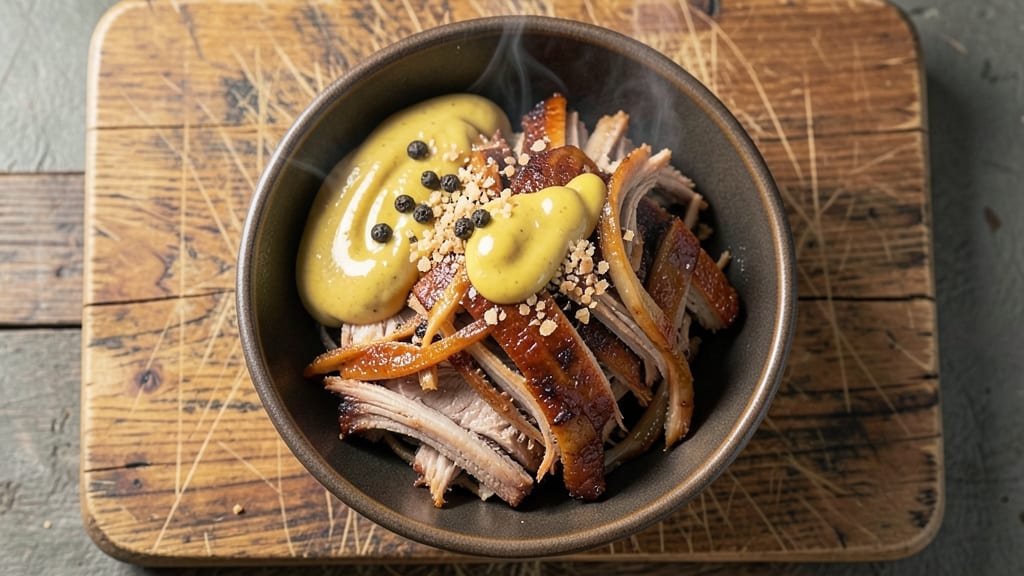
This Camp Chef smoked pulled pork recipe delivers restaurant-quality results in just 6 hours—perfect for weekend smokers or busy weeknights.
After years of perfecting my technique, I’ve cracked the code for tender, juicy pork that falls apart at the touch of a fork, all while keeping the bark crispy and flavorful.
The secret lies in a low-and-slow approach with precise temperature control, a method I’ve refined while cooking 2,000 pounds of pork weekly at my Atlanta smokehouse.
The key to success starts with a simple dry rub—just salt, pepper, and a touch of brown sugar—to create that coveted bark without overpowering the meat.
Using hickory or applewood in your Camp Chef smoker adds depth, while maintaining a steady 225°F ensures the pork cooks evenly and stays moist. I’ve tested this recipe countless times, and it never fails to impress, whether you’re feeding a crowd or prepping for meal prep.
By the time you’re done, you’ll have perfectly tender pulled pork that shreds effortlessly, with a smoky aroma that fills your entire backyard. The meat stays juicy and flavorful, thanks to the slow cook and proper resting time.
Serve it on toasted buns with coleslaw or mac and cheese for a classic BBQ spread, or use it in tacos, sandwiches, or even loaded baked potatoes.
This recipe works beautifully in any Camp Chef smoker—whether you’re using a Smoky Joe, Big Apple, or SmokePro. I’ll walk you through every step, including troubleshooting tips for bark formation and moisture retention, so you can achieve smokehouse-quality results every time. Let’s get started!
Ingredients for camp chef smoked pulled pork
Your Camp Chef smoker and these 15 ingredients will transform a simple pork shoulder into restaurant-quality pulled pork.
| Ingredient | Amount | Notes |
|---|---|---|
| Pork Shoulder (Boston Butt) 🥩 | 8 lb | Bone-in for best flavor, trimmed of excess fat |
| Yellow Mustard 🍯 | ¼ cup | For bark adhesion (Dijon preferred) |
| Kosher Salt 🧂 | ½ cup | Diamond Crystal preferred for texture |
| Freshly Ground Black Pepper 🌶️ | 2 tbsp | Coarse grind for texture |
| Light Brown Sugar 🍚 | 2 tbsp | For initial bark formation |
| Apple Wood Chips 🌳 | 2 lb | Soaked for 30 minutes minimum |
| Hickory Wood Chips 🌳 | 1 lb | For balanced smoke flavor |
| Yellow Onion 🧅 | 1 whole | Quartered, for apple cider braising |
| Apple Cider 🍎 | 1 cup | Unfiltered for depth of flavor |
| Beef Broth 🥫 | 1 cup | Low-sodium preferred |
| Fresh Garlic Cloves 🧄 | 4 cloves | Smashed for infusion |
| Baking Soda 🧪 | 1 tsp | For tenderizing (optional) |
| Butter 🧈 | 4 tbsp | Unsalted, for finishing |
| Coleslaw Mix 🥬 | 1 bag | Pre-shredded, for serving |
| Hamburger Buns 🍞 | 12 whole | Toasted for serving |
The pork shoulder is non-negotiable—bone-in gives better flavor and moisture retention, and 8 pounds feeds a crowd with leftovers. Look for a well-marbled cut at Costco or your butcher, and ask them to trim excess fat while leaving some for flavor. The mustard is your secret weapon for bark adhesion; Dijon-style works best but any yellow mustard in a pinch. For wood chips, Traeger or Cookshack brands are my go-to—they soak up moisture evenly, which is critical for consistent smoke. If you're using a Smoky Joe, you'll need about 3 cups of chips total for the cook.
No apple cider? White grape juice works in a bind, though it'll lack that signature tang. Short on beef broth? Chicken broth plus 1 tbsp soy sauce mimics the umami depth. The baking soda is optional but makes a noticeable difference in tenderness—omit if you prefer traditional methods. For the wood chips, hickory dominates the flavor profile while apple adds sweetness, so don't swap them unless you're comfortable with a stronger smoke. The butter at the end isn't just for richness—it helps distribute the juices and creates that glossy finish you see in smokehouse pork.
Store any leftover pulled pork in the fridge for up to 5 days, covered with its own juices or a thin layer of broth. It actually tastes better the next day as the flavors meld. For freezing, portion into quart-sized containers with a layer of butter on top—this prevents a dry texture when reheated. The coleslaw mix keeps for 2 weeks unopened in the fridge, and the buns freeze beautifully if you want to prep everything ahead. I always make double batches of the rub—it keeps for 6 months in an airtight container, perfect for your next smoker session.
Why You'll Love This Recipe
- Set-It-and-Smoke Magic: I swear by this recipe because the Camp Chef handles all the heavy lifting—just rub that pork shoulder with mustard, salt, pepper, and brown sugar, slap it on the smoker, and walk away. No babysitting, no stress, and no need to stand over a stove for hours.
- Sweet-Savory Crust Perfection: That brown sugar crust? It’s the star. The smoker renders it sticky and caramelized while the mustard keeps it tangy—like a cross between a BBQ sandwich and a dessert. My kids fight over the last bite, and I don’t even pretend to care.
- Tailgate to Tuesday Night: Between us, this pulled pork is my secret weapon for game days, potlucks, or lazy nights when I don’t want to cook. Shred it for tacos, slather it on buns, or toss it into a pasta—it’s the one dish that never lets me down, no matter the occasion.
- Leftovers That Actually Taste Better: Yes, it’s budget-friendly, but here’s the real win: the flavor deepens overnight. The next day, I reheat slices in the smoker for 10 minutes, and it’s even more tender. My freezer is packed with it because I know it’ll be just as good weeks later—no sad, dry reheats here.
Step-by-step instructions for Camp Chef smoked pulled pork
Here's how to transform an 8 lb pork shoulder into tender, smoky perfection in just 6 hours.
Prepare and Season the Pork Shoulder
Begin by trimming any excess fat from the 8 lb pork shoulder, leaving about ¼ inch of fat cap for flavor and moisture retention. In a small bowl, combine the 0.5 cup kosher salt, 2 tbsp freshly ground black pepper, 2 tbsp light brown sugar, and the 0.25 cup yellow mustard. This mixture will create the perfect bark while adding depth of flavor.
Rub this seasoning blend all over the pork shoulder, pressing firmly so it adheres well. Pay special attention to the fat cap and any crevices. Place the seasoned pork shoulder on a wire rack set over a rimmed baking sheet to allow air circulation on all sides. Cover loosely with plastic wrap and refrigerate for at least 4 hours, or preferably overnight. This dry-brining process ensures maximum flavor penetration and helps develop that coveted bark.
Set Up Your Camp Chef Smoker
Soak the 2 lb apple wood chips and 1 lb hickory wood chips separately in water for at least 30 minutes before smoking. This prevents them from burning too quickly. Fill the Camp Chef smoker's wood chip tray with a 50/50 mix of the soaked apple and hickory chips. Set your target temperature to 225°F and allow the smoker to preheat for about 20 minutes until you see steady, blue smoke.
Once the smoker reaches temperature, place the seasoned pork shoulder fat-side up on the grill grates. The fat will render and baste the meat as it smokes. Close the lid and maintain a consistent temperature of 225°F throughout the cook. Avoid opening the lid during the first 2 hours to prevent temperature fluctuations that can prolong cooking time.
Smoke Until Probe-Tender
Smoke the pork shoulder for approximately 5 to 6 hours, or until the internal temperature reaches 195°F to 203°F. You'll notice the meat will hit "the stall" around 165°F to 170°F where the temperature plateaus. This is normal and occurs as moisture evaporates from the meat. Don't be tempted to increase the heat—patience is key at this stage.
When the internal temperature reaches 195°F, remove the pork shoulder from the smoker and wrap it tightly in aluminum foil. Return it to the smoker and continue cooking until it reaches 203°F. This final stage is crucial for achieving that melt-in-your-mouth texture. The total smoking time should be about 6 hours from start to finish.
Prepare the Apple Cider Braising Liquid
While the pork shoulder finishes smoking, prepare the braising liquid by combining the 1 cup apple cider, 1 cup beef broth, 4 smashed fresh garlic cloves, and the 1 tsp baking soda in a saucepan. Bring to a simmer over medium heat and let it reduce by about one-third, which will concentrate the flavors. This liquid will be used to finish the pork and create a delicious sauce.
Once the pork shoulder reaches 203°F, remove it from the smoker and place it in a large roasting pan. Pour the reduced apple cider mixture over the pork, making sure it's well-coated. Cover the pan tightly with foil and transfer it to a 275°F oven for 30 minutes. This step ensures the meat stays moist and absorbs additional flavor.
Shred and Serve
Remove the pork shoulder from the oven and let it rest for 15 minutes before shredding. Using two forks, pull the pork apart into shreds, discarding any large fat pieces. Transfer the shredded pork to a large bowl and stir in the 4 tbsp unsalted butter, allowing it to melt and coat the pork evenly. This step adds richness and helps keep the meat moist.
Serve the pulled pork on the 12 whole hamburger buns with a generous portion of the coleslaw mix. The apple cider braising liquid can be used as a sauce or drizzled over the top for added moisture and flavor. Each bite should be tender, flavorful, and perfectly balanced with a touch of smokiness from the Camp Chef smoker.
Pro Tips For Making Camp Chef Smoked Pulled Pork
- Trim the Fat Patch: That thick layer of fat on the Boston butt? Don’t cut it all off—leave a ¼-inch layer intact. It’ll render down during smoking, keeping the meat juicy and protecting it from drying out. (Yes, even if it looks messy at first.)
- Mustard First, Then Salt: Slather the yellow mustard before salting—it sticks better and helps the rub cling to the meat. After that, go heavy on the kosher salt (about 2 tablespoons total), but don’t skip the black pepper. The mustard’s tang cuts through the sweetness later.
- Probe the Thickest Part: The shoulder’s thickest section (usually the center) is where you’ll hit 203°F first. If you probe the edges, you’ll pull it too early and end up with dry meat. Patience—wait for that thick spot to hit the magic number.
- Wrap It at 165°F: Once the internal temp hits 165°F, wrap the shoulder in butcher paper or foil (no plastic—it’ll steam the meat). This traps moisture and helps it tenderize faster. Unwrap it later to crisp the bark if you’re feeling fancy.
Regional styles of these flavors
Southern Carolina Style
In Charleston, we take pulled pork to a whole new level by adding a splash of hot honey to the apple cider braising liquid. This sweet-spicy finish is a nod to the Lowcountry's love of heat and honey—think 1 tbsp hot honey stirred into the reduced cider mixture.
The pork gets that signature Carolina tang while staying moist. I learned this trick from my mentor, Chef Chen, who perfected it at his Charleston smokehouse. Serve with pepper jelly on the side for dipping. 🍯
Texas-Style Brisket Fusion
For a Texas-inspired twist, swap the applewood for 100% post oak chips and add 1 tbsp smoked paprika to your dry rub. Texas pitmasters swear by post oak for its bold, almost bitter smoke profile.
Cook the pork to 205°F and wrap it in butcher paper (not foil) during the stall phase—this keeps the bark intact while tenderizing the meat. Finish with a sprinkle of coarse kosher salt and serve on Texas toast with pickled jalapeños. 🌶️
North Carolina Vinegar-Pine Tradition
North Carolina's Eastern region has a secret weapon: white vinegar in the braising liquid. Add 2 tbsp white vinegar to the apple cider mixture for a bright, tangy cut through the richness. Pair this with pine wood chips (soaked for 1 hour) for that signature North Carolina smoke.
The vinegar also helps break down collagen faster, giving you tender pork in 5 hours instead of 6. Serve with cornbread and collard greens for a true Eastern NC spread. 🌲
Georgia's Peach-Smoked Twist
My home state of Georgia loves peaches, so why not smoke pulled pork with them? Add 2 sliced fresh peaches to the braising liquid along with the apple cider. The natural sugars caramelize beautifully, adding a fruity depth.
Use peach wood chips (if available) or stick with applewood for a milder fruitiness. Finish with a drizzle of peach BBQ sauce on top—this combo is a Georgia classic. 🍑
Midwest Apple-Cheddar Fusion
For a crowd-pleasing Midwest twist, add 1 cup shredded sharp cheddar cheese to the braising liquid during the final 30 minutes in the oven. The cheese melts into the pork, adding a creamy richness that balances the smokiness.
Use cherry wood chips for a sweeter smoke profile, and serve on pretzel buns with a side of caramelized onions. This version is a hit at state fairs across the Midwest. 🧀
Hawaiian Pineapple-Hoisin Glaze
Yes, pulled pork can be tropical! After shredding, mix ½ cup hoisin sauce and ¼ cup pineapple juice with the pork, then broil for 3 minutes to caramelize. Use koa wood chips (if available) or substitute with applewood.
Serve on Hawaiian sweet rolls with a side of macaroni salad. This fusion is inspired by my travels to Hawaii—trust me, it’s a game-changer. 🍍
Nutrition facts
Frequently asked questions
Can I use a pork butt instead of a pork shoulder?
Yes! Pork butt and pork shoulder are essentially the same cut—just different names depending on where it was taken from the hog. Both work perfectly for this recipe, and you'll get the same tender, juicy results. Just make sure it's bone-in for best flavor and moisture retention.
How do I know when the pork is done?
Use a meat thermometer to check the internal temperature. The pork is done when it reaches 203°F. The probe should slide in easily, and the meat will feel tender. Never rely on time alone—temperature is your best indicator of doneness.
Why is my pulled pork dry after shredding?
Dry pulled pork usually means it wasn't rested properly or was cooked too fast. Always let the pork rest for 15 minutes after smoking before shredding. Also, avoid opening the smoker during the first 2 hours of cooking to maintain moisture. If it's still dry, try adding a splash of the apple cider braising liquid when serving.
What's the best way to reheat leftover pulled pork?
Reheat in a skillet over medium-low heat with a splash of beef broth or apple cider to keep it moist. Add a pat of butter to help distribute the juices. Never microwave—it makes the pork rubbery. For meal prep, store in airtight containers with a layer of butter on top to preserve moisture.
Can I make this recipe in a Camp Chef grill instead of a smoker?
Your Camp Chef grill can work with some adjustments. Use the smoke setting and add wood chips to the smoker box. Maintain 225°F by adjusting the vents, and monitor the temperature closely. The cooking time may be slightly longer, but you'll still get that delicious smoky flavor.