
Main Courses
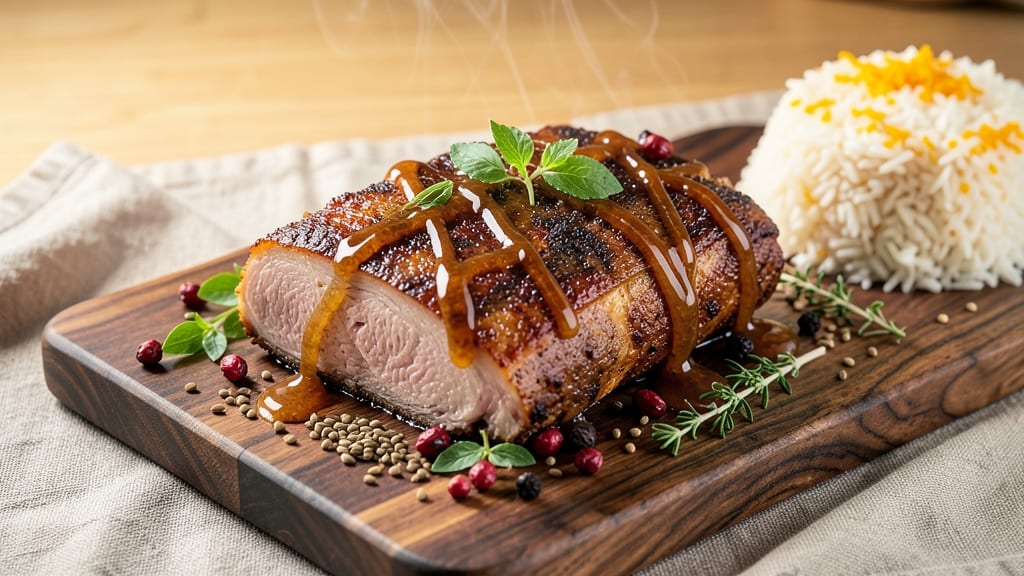
This Caribbean pork loin roast delivers bold island flavors with a jerk-spiced crust and sweet pineapple glaze that transforms a simple roast into a showstopper. 🌟 After perfecting this technique at The Smoky Pig, I've adapted it for home kitchens—where the smoky-sweet aroma alone will have everyone heading to the table.
The secret lies in a balanced marinade that tenderizes while building that signature crust, then finishes with a caramelized pineapple glaze that cuts through the richness.
What makes this recipe work is the marriage of traditional Caribbean spices—allspice, thyme, and Scotch bonnet—with modern roasting techniques that ensure juicy, evenly cooked pork.
We start with a dry rub that develops a deep, aromatic crust while keeping the interior tender, then finish with a quick glaze that adds both sweetness and visual appeal. The result is pork that's impossible to resist, with layers of flavor in every bite.
By the time you're serving, you'll have perfectly roasted pork loin with a caramelized exterior and moist interior, topped with a glossy pineapple glaze that adds both sweetness and acidity. The crust is rich and slightly charred, while the meat remains tender enough to slice cleanly.
This is the kind of dish that elevates a simple weeknight dinner into something special—without requiring hours in the kitchen.
Serve with roasted sweet potatoes and steamed jasmine rice for a complete Caribbean-inspired meal. The glaze pairs beautifully with fresh cilantro and lime wedges for garnish, while the rich pork flavor stands up to bold sides. Let's get started on creating this restaurant-quality roast at home.
Ingredients for caribbean pork loin roast
Six bold flavors, one showstopping roast—just these ingredients transform simple pork into Caribbean magic.
| Ingredient | Amount | Notes |
|---|---|---|
| Pork Loin Roast 🐖 | 3 lb | Center-cut, bone-in preferred |
| Allspice Berries 🌶️ | 1 tbsp | Crushed, for deep aroma |
| Ground Cumin 🌿 | 1 ½ tbsp | Toasted for richer flavor |
| Dried Thyme 🌿 | 1 ½ tbsp | Or 1 tbsp fresh thyme leaves |
| Garlic Powder 🧄 | 1 tbsp | Fresh minced garlic works too |
| Onion Powder 🧅 | 1 tbsp | For balanced depth |
| Scotch Bonnet Pepper 🌶️ | 1 whole | Seeds removed for less heat |
| Brown Sugar 🍯 | ½ cup | Light or dark works |
| Kosher Salt 🧂 | 1 ½ tbsp | Diamond Crystal preferred |
| Ground Black Pepper 🌶️ | 1 tbsp | Freshly cracked preferred |
| Fresh Pineapple 🍍 | 1 ½ cups | Juice + finely chopped chunks |
| Lime Juice 🍋 | ¼ cup | Freshly squeezed |
| Honey 🍯 | 2 tbsp | Wildflower preferred |
| Olive Oil 🫒 | 2 tbsp | For basting and glaze |
| Fresh Cilantro 🌿 | ¼ cup | Chopped, for garnish |
The pork loin is your canvas here. Center-cut stays juicier than shoulder cuts, and bone-in adds flavor. Grab it from Whole Foods or your butcher counter—they'll trim it to size if you ask. For the Scotch bonnet, Latin markets have the freshest, but any grocery store carries them. If you can't find Scotch bonnet, halve a habanero and remove seeds—just be warned, it'll pack a punch. The allspice berries are non-negotiable for that signature Caribbean warmth. Toast them in a dry pan for 30 seconds to release their aroma before grinding.
No Scotch bonnet? Jalapeño seeds removed works in a pinch, but cut the amount to 1/4 pepper. Fresh thyme is ideal, but dried at half the quantity gets you close. Brown sugar substitutes? Coconut sugar or white sugar both work, but brown gives that caramelized crust. The pineapple juice can be bottled, but fresh is worth the effort—cut the top and bottom, blend the rest. For the glaze, if you're avoiding honey, maple syrup or agave keeps it vegan. And don't skip the lime juice—it brightens everything up.
This roast tastes even better the next day, so make extra. Wrap leftovers tightly and refrigerate for 4 days, or freeze for 3 months. The glaze keeps separately for 1 week in the fridge—great for brushing on chicken or tofu later. For serving, let the roast rest 15 minutes before slicing. Trust me, it's worth the wait. Garnish with fresh cilantro right before serving—it wilts fast once chopped.
Why You'll Love This Recipe
- One-Pan Magic: Between us, this roast needs nothing but a sheet pan and 30 minutes in the oven. No chopping veggies, no basting—just rub the spices (cumin, thyme, crushed allspice berries) straight onto the pork, pop it in, and walk away.
- Flavor Bomb: That deep, toasty cumin and peppery allspice? It’s like a warm hug for your taste buds. The garlic powder gives it this subtle, savory punch that makes it taste like you slaved over it—when really, you just mixed a few things.
- Weeknight Hero: I swear by this for busy nights—it feeds four but costs less than takeout. My kids even ask for it, and honestly? That’s the real win. (Yes, even on a Tuesday night.)
- Leftovers That Don’t Suck: The meat stays juicy for days, and it’s perfect cold in sandwiches or reheated with rice and beans. I’ll be real: this is the only roast I make that doesn’t turn into sad, dry scraps by day three.
Step-by-step instructions for Caribbean pork loin roast
Here's how to transform that pork loin into a showstopper with bold Caribbean flavors.
👨🍳 Step 1: Build the Jerk Spice Rub
In a small bowl, combine the 1 tbsp crushed allspice berries, 1.5 tbsp ground cumin, 1.5 tbsp dried thyme, 1 tbsp garlic powder, 1 tbsp onion powder, 1 whole seeded Scotch bonnet pepper (finely chopped), 0.5 cup brown sugar, 1.5 tbsp kosher salt, and 1 tbsp ground black pepper. Mix well until the spices are evenly distributed and the brown sugar helps bind everything together.
This spice blend is the heart of the dish—don't skip toasting the cumin and allspice in a dry pan for 30 seconds first if you want to deepen those nutty, earthy notes. The Scotch bonnet adds just enough heat without overpowering, while the brown sugar creates that beautiful caramelized crust we're after.
🔥 Step 2: Prep and Season the Pork
Pat the 3 lb pork loin roast completely dry with paper towels—this is non-negotiable for crispy skin. Rub the jerk spice mixture all over the pork, pressing it into every crevice so it adheres well. Let it sit at room temperature for 30 minutes while you prep the remaining ingredients.
Here's the thing—room temperature pork cooks more evenly. If you're short on time, at least let it sit for 15 minutes uncovered on the counter. The spices will penetrate better and you'll avoid that dreaded cold center. Trust me, this small step makes a huge difference in the final result.
🍳 Step 3: Sear for Maximum Flavor
Preheat your oven to 375°F. Heat 2 tbsp olive oil in a large oven-safe skillet over medium-high heat until shimmering. Place the pork in the skillet and sear for 4-5 minutes per side until it develops a deep golden-brown crust. You want that Maillard reaction happening—look for color changes and those irresistible aromas.
Don't walk away during this step. The pork should release easily from the pan when it's ready to flip. If it sticks, add a splash of water and scrape up those flavorful browned bits. Once seared, transfer the skillet to the preheated oven and roast for 25-30 minutes for medium doneness (or until internal temperature reaches 145°F).
🥘 Step 4: Create the Pineapple Glaze
While the pork roasts, make the glaze by combining 1.5 cups fresh pineapple (juice and finely chopped chunks), 0.25 cup lime juice, 2 tbsp honey, and 2 tbsp olive oil in a blender. Blend until smooth, then strain through a fine-mesh sieve to remove any pulp if you prefer a silky texture. Set aside.
The pineapple's acidity cuts through the richness of the pork while adding natural sweetness. The honey helps caramelize beautifully when we baste it on later. I like to keep the chunks for visual appeal—just blend them separately if you prefer a completely smooth glaze. Taste and adjust the seasoning if needed with a pinch of salt or extra lime juice.
🔥 Step 5: Glaze and Finish
Remove the pork from the oven and let it rest for 10 minutes (this is crucial—don't skip it!). Meanwhile, pour the pineapple glaze into a small saucepan and simmer over medium heat for 5-7 minutes until it thickens slightly and coats the back of a spoon. Brush half of this glaze over the pork, then return it to the oven for 5-10 minutes to caramelize.
For the final touch, brush on the remaining glaze and broil for 1-2 minutes until bubbly and golden. The pork should be beautifully glazed with caramelized edges. Let it rest for another 5 minutes before slicing against the grain into ½-inch thick slices. Garnish with 0.25 cup chopped fresh cilantro and serve with extra pineapple chunks on the side.
Pro Tips For Making Caribbean Pork Loin Roast
- CRUSH THE ALL SPICE: Crush the allspice berries with the flat side of your knife before adding them—this releases their aromatic oils and makes them work harder. I used to just toss them in whole, and the flavor was half as strong as it should’ve been.
- SEAR BEFORE YOU SAUCE: Get that pork loin screaming hot in a dry pan for 3-4 minutes before adding any liquid or marinade. The crust locks in moisture and carries the Caribbean spices like a flavor bomb. (Yes, even if you’re impatient like me.)
- DON’T SKIP THE REST: Let the roast sit under foil for 10 minutes after pulling it from the oven—this keeps it juicy and makes slicing cleaner. I learned this the hard way when my first cut was dry as a bone.
- UPGRADE THE THYME: Use fresh thyme sprigs instead of dried if you can—toss a few whole sprigs into the pan while searing, then remove them before serving. The extra brightness makes all the difference, and it’s only 2 minutes of extra effort.
Common mistakes when making this recipe
Overcooking the Pork
I've seen this happen too many times—pork that's dry as a bone because someone didn't check the internal temperature. Caribbean pork should be tender, not tough. Use a meat thermometer and remove it when it hits 145°F internal temperature.
Overcooking by even 5°F turns that juicy roast into something sad. Let it rest for 10-15 minutes before slicing—this is when the juices redistribute. I promise you, skipping this step is a rookie mistake.
Skipping the Resting Time
This is my biggest pet peeve when I see people serving pork immediately after cooking. That's when all the juices rush to the surface and pool, leaving you with dry meat. The 10-15 minute rest is non-negotiable for Caribbean pork—it's what keeps it moist and flavorful.
Use this time to make your glaze or set the table. Trust me, your guests will notice the difference when they take that first juicy bite.
Uneven Seasoning
I've had pork where the spices were clumped in one spot or barely stuck at all. This happens when you don't press the rub firmly into the meat or when the pork isn't dry enough. Pat that pork completely dry with paper towels first—this helps the spices adhere.
Then press that rub into every crevice, especially the sides and ends. Don't be shy—work those spices in good. The flavor should be consistent throughout every bite.
Using the Wrong Cut
Not all pork cuts are created equal, and loin isn't the only option—but it's the best for this recipe. Shoulder cuts can be tougher and require longer cooking. If you're using loin, make sure it's center-cut and bone-in for the best results.
The bone adds flavor, and the center cut stays juicier. I always ask my butcher for a 3 lb center-cut loin when I'm making this dish. Using the wrong cut is a surefire way to end up with dry, flavorless pork.
Rushing the Marinating
Some recipes say you can marinate pork for just 30 minutes, but that's barely enough time for the flavors to penetrate. If you have time, let that pork sit with the rub for at least 2 hours (overnight is even better).
The spices need time to work their magic and tenderize the meat. I know time is tight, but this is where the real flavor develops. If you're short on time, at least let it sit for 1 hour uncovered at room temperature before cooking.
Ignoring the Glaze Timing
Applying the pineapple glaze at the wrong time can make all the difference. If you glaze too early, the sugars will burn before the pork is done. If you wait too late, you won't get that beautiful caramelization.
The best approach is to glaze halfway through cooking, then finish with a quick broil. This gives you that perfect balance of sweetness and caramelization without overpowering the pork's natural flavors. Timing is everything here—don't rush it.
Nutrition facts
Frequently asked questions
Can I use bone-in pork loin for this recipe?
Bone-in pork loin actually enhances the flavor and keeps the meat juicier during roasting. The bone adds depth to the taste, and the extra weight helps maintain moisture. Just ask your butcher for a 3 lb center-cut loin with the bone intact—it's perfect for this Caribbean-style roast.
How spicy is the Scotch bonnet pepper in this recipe?
The recipe uses a whole seeded Scotch bonnet, which adds noticeable heat but isn't overwhelming. If you're sensitive to spice, reduce it to half a pepper or swap for jalapeño seeds removed. The heat balances beautifully with the pineapple glaze and sweet brown sugar in the rub.
Can I make this recipe in a slow cooker?
While this roast is designed for oven roasting, you can adapt it for a slow cooker by searing the pork first, then cooking on low for 4-5 hours with the jerk rub. However, the crust won't be as crispy, and the glaze should be added during the last 30 minutes of cooking. For best results, stick with the oven method.
What's the best way to store leftovers?
Wrap the roast tightly in plastic wrap, then place it in an airtight container. It keeps for 4 days in the fridge or 3 months in the freezer. The glaze can be stored separately for 1 week—great for brushing on other proteins later. Reheat gently in the oven to maintain moisture.
How do I adjust the recipe for a larger crowd?
For 8-10 servings, increase the pork to 5-6 lbs and double all other ingredients. Use two oven-safe skillets or a larger roasting pan. The cooking time will extend by about 15-20 minutes—check internal temperature with a meat thermometer to avoid overcooking.