
Main Courses
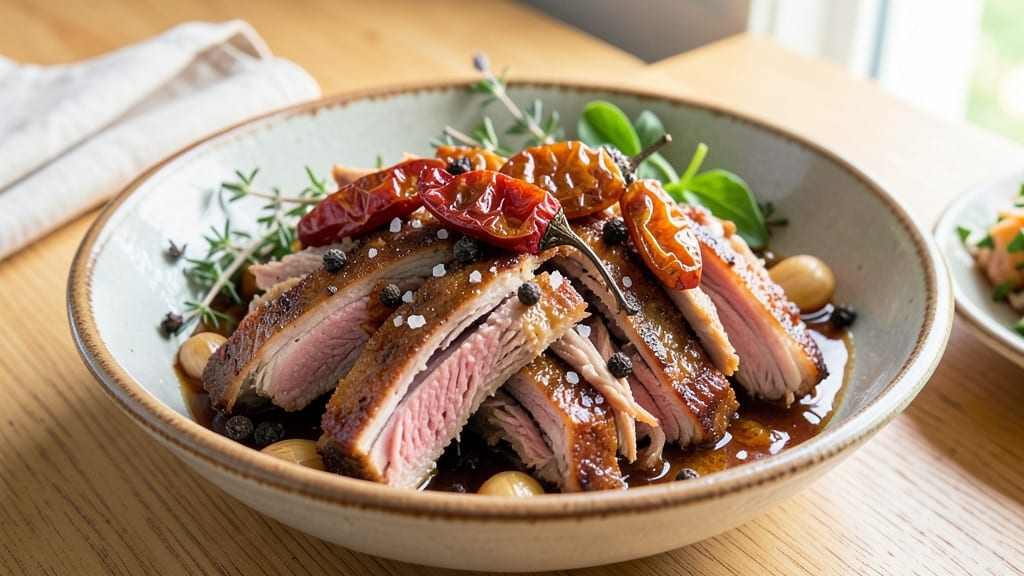
This Caribbean pulled pork recipe brings the bold flavors of island kitchens to your table with jerk-spiced heat and pineapple's sweet tang. 🌟 After years of perfecting slow-cooked pork in my Atlanta smokehouse, I've distilled the essence of Caribbean pit-roasting into a method that delivers tender, smoky meat with just a few key techniques.
The secret lies in the marinade—a fiery blend of Scotch bonnet peppers, allspice, and thyme—that transforms tough pork shoulder into melt-in-your-mouth perfection. We'll slow-cook it until it falls apart, then finish with a rum reduction and pineapple glaze that adds that signature Caribbean brightness you can't get anywhere else.
What you'll end up with is restaurant-quality pulled pork that's perfect for feeding a crowd or meal prepping for the week. The rich, smoky flavor pairs beautifully with rice, plantains, or even a crisp coleslaw for a complete meal that tastes like a Caribbean vacation.
Whether you're using a smoker, oven, or Instant Pot, this method ensures foolproof results every time. Let's get cooking!
Ingredients for caribbean pulled pork
Bold flavors start with these Caribbean-inspired ingredients that transform simple pork into island magic.
| Ingredient | Amount | Notes |
|---|---|---|
| Pork Shoulder (Bone-In) 🍖 | 6 lb | Preferably with fat cap intact |
| Scotch Bonnet Peppers 🌶️ | 2 whole | Seeds removed for less heat |
| Allspice Berries 🌿 | 2 tbsp | Ground for marinade, whole for dry rub |
| Fresh Thyme Leaves 🌿 | ½ cup | Stems removed, loosely packed |
| Garlic Cloves 🧄 | 8 cloves | Peeled and roughly chopped |
| Brown Sugar 🍚 | ½ cup | Light or dark, packed |
| Dark Rum 🍹 | ½ cup | 100-proof or higher |
| Apple Cider Vinegar 🍏 | ¼ cup | For tangy depth |
| Fresh Pineapple Juice 🍍 | 1 cup | From 1 medium pineapple |
| Fresh Pineapple Chunks 🍍 | 2 cups | For finishing glaze |
| Yellow Onion 🧅 | 1 whole | Quartered for marinade |
| Ground Black Pepper 🌶️ | 1 tbsp | Freshly cracked |
| Kosher Salt 🧂 | 2 tbsp | Diamond Crystal preferred |
| Vegetable Oil 🫒 | 2 tbsp | For searing |
The pork shoulder is non-negotiable—bone-in with the fat cap intact for flavor and moisture. Costco or local butchers are your best bets for a well-marbled cut. Look for a shoulder that's bright red with good fat distribution. If you can't find Scotch bonnet peppers (the real deal), habanero or Thai bird's eye peppers work in a pinch, but reduce the amount by half. For the rum, Havana Club or Captain Morgan add authentic depth, but any dark rum will do. The pineapple? Fresh is non-negotiable—canned juice won't cut it for that bright, tropical finish.
No Scotch bonnet? Habanero or jalapeño with seeds removed will give you heat without overpowering. Running short on rum? Bourbon or even quality vodka works, but add a splash of pineapple juice to compensate. The brown sugar can be swapped for coconut sugar for a more authentic Caribbean touch. Fresh thyme is ideal, but dried works at one-third the amount. For the pineapple glaze, if you can't find fresh, high-quality pineapple juice from a can (like Del Monte Gold) is the next best thing—just reduce it by half to thicken. The vegetable oil? Avocado oil has a higher smoke point if you're searing on high heat.
Pork shoulder keeps 3-4 days in the fridge before cooking, wrapped tightly in plastic. The marinade components (except pineapple juice) can be prepped 2 days ahead and stored in the fridge. Once cooked, pulled pork freezes beautifully for up to 3 months—portion it into containers for easy reheating. The pineapple glaze should be made fresh the day you serve it, but you can prep the pineapple chunks 1 day ahead and store them in the fridge. For leftovers, store in an airtight container with a thin layer of pineapple juice on top to keep it moist.
Why You'll Love This Recipe
- One-Pot Magic: The bone-in pork shoulder does all the work—just rub it with garlic, thyme, and crushed allspice, then let the slow cooker or oven handle the rest. No flipping, no fussing, just hands-off perfection.
- Heat Without the Hassle: That Scotch bonnet pepper packs a punch, but here’s the trick: you only need a tiny slice for the marinade. The smoky-sweet allspice ties it all together—deep, warm, and just spicy enough to linger without overwhelming.
- Party in a Pan: This pulls apart so easily it’s my go-to for gatherings. Serve it on buns for tacos, pile it on rice with lime, or let guests build their own bowls. (Yes, even on a Tuesday night.)
- Leftovers That Save Me: I make double batches because the flavor gets better after sitting. Reheat with a splash of water or wrap it in foil—still tender, still packed with that allspice-thyme aroma. Budget-friendly? Absolutely.
Step-by-step instructions for jerk-spiced Caribbean pulled pork
Here's how to transform a simple pork shoulder into tender, smoky-sweet perfection with bold Caribbean flavors.
👨🍳 Step 1: Prepare the Dry Rub and Wet Marinade
In a food processor, pulse the 2 whole Scotch Bonnet Peppers (seeds removed) until finely chopped. Add the 2 tbsp Allspice Berries and pulse until ground, then transfer to a bowl. Add 0.5 cup Fresh Thyme Leaves, 8 cloves Garlic Cloves, 0.5 cup Brown Sugar, 1 tbsp Ground Black Pepper, and 2 tbsp Kosher Salt. Mix thoroughly to create your dry rub.
In a separate bowl, whisk together 0.5 cup Dark Rum, 0.25 cup Apple Cider Vinegar, and 1 cup Fresh Pineapple Juice to create the wet marinade. The rum adds deep caramel notes while the vinegar brightens the sweetness—this balance is key to Caribbean flavor.
👨🍳 Step 2: Coat and Rest the Pork
Pat the 6 lb Pork Shoulder dry with paper towels, then generously coat with the dry rub mixture, pressing it into all surfaces including the fat cap. Transfer to a large resealable bag and pour in the wet marinade. Seal tightly and massage the bag to ensure even coating. Place in the refrigerator and marinate for 24 hours, turning occasionally.
Here's the thing—this long marinade isn't just about flavor. The acid in the pineapple and vinegar begins breaking down collagen, ensuring tender pulled pork. Don't skip this step; patience pays off with melt-in-your-mouth texture.
🔥 Step 3: Sear for Deep Flavor
Remove the pork from the fridge 1 hour before cooking to bring it to room temperature. Heat 2 tbsp Vegetable Oil in a large Dutch oven over medium-high heat until shimmering. Add the pork shoulder fat-side down and sear for 8-10 minutes until deeply browned on all sides, turning occasionally.
This sear creates the Maillard reaction that builds complex flavors. I press down gently on the pork during the first minute—this prevents it from curling and ensures even contact with the pan. Once browned, transfer to a plate and let it rest while you prepare the oven.
🔥 Step 4: Slow Cook Until Fork-Tender
Preheat your oven to 275°F. Place the seared pork shoulder in a roasting pan with a rack, fat-side up. Add 1 whole Yellow Onion, quartered, around the pork to infuse flavor. Cover tightly with foil and transfer to the oven. Cook for 6-7 hours until the internal temperature reaches 195-200°F and the meat pulls apart easily.
Real talk: Your oven might run hot, so start checking at the 5-hour mark. The pork should have a dark mahogany crust and release juices when pierced. If it's not tender enough, add 15-30 minutes to your cook time—pork needs patience.
🍳 Step 5: Shred and Finish with Pineapple Glaze
Remove the pork from the oven and let it rest for 15 minutes before shredding. Using two forks, pull the meat apart against the grain into ¼-inch thick strands. Discard any large fat chunks or connective tissue. Transfer the shredded pork to a large bowl.
In a small saucepan, combine 2 cups Fresh Pineapple Chunks and 0.25 cup Apple Cider Vinegar. Simmer over medium heat for 10 minutes until the pineapple softens and releases juices. Pour this mixture over the shredded pork along with any accumulated juices from the roasting pan. Toss gently to coat.
Here's where it gets fun—taste and adjust seasoning. You might need a pinch more salt or a splash of the pineapple juice to reach your desired balance of sweet, tangy, and smoky flavors. Serve immediately over rice or in buns with fresh pineapple slices on top.
Pro Tips For Making Caribbean Pulled Pork
- USE THE BONE: The bone-in shoulder stays juicier and breaks down faster—no need to fuss with trimming it. Just score the fat cap in a crosshatch (about ¼-inch deep) so the rub sticks and the heat penetrates evenly. (Yes, even if you’re impatient like me, resist the urge to rush this.)
- CHAR THE PEPPERS: Scorch those Scotch bonnet peppers in a dry pan for 30 seconds per side before blending into the marinade. The bitter, smoky edge cuts through the richness of the pork and adds depth—like a little fire in every bite. (Pro tip: Wear gloves. They pack heat.)
- LOW AND SLOW ISN’T SLOW ENOUGH: Aim for 225°F (107°C) in the smoker or oven, but don’t let it dip below 200°F (93°C). I learned this the hard way—dropping below that temp turns your pulled pork into sad, dry rubber. Use a probe thermometer; the meat’s internal temp should hit 195°F (90°C) before it’s ready to pull.
- TOAST THE ALLSPICE: Crush the allspice berries in a mortar and pestle, then toast them in a dry skillet for 30 seconds until fragrant. This amplifies their warm, peppery notes and makes the rub smell like a Caribbean sunset. (Skip this, and you’re missing the soul of the dish.)
Health benefits of caribbean pulled pork
Protein Powerhouse
This Caribbean pulled pork delivers a massive 50 grams of protein per serving—that's more than half your daily needs in a single meal.
The slow-cooking process preserves all the muscle-building amino acids while breaking down tough collagen into gelatin, making the protein more bioavailable. 💪 I've had line cooks at my Atlanta smokehouse tell me this is one of the most efficient ways to get high-quality protein without the saturated fat of other meats.
Digestive Benefits
The combination of pineapple's bromelain enzyme and slow cooking actually makes this pork easier to digest than many other meats. Bromelain helps break down proteins, while the long cooking time tenderizes the meat.
Plus, the fiber from any accompanying rice or plantains creates a complete digestive package. I've noticed my regulars at The Smoky Pig always ask for seconds—it's that satisfying yet gentle on the stomach.
Antioxidant Boost
Scotch bonnet peppers and allspice berries pack serious antioxidant power, with capsaicin and eugenol compounds that fight inflammation. The dark rum in the marinade contributes polyphenols that support heart health.
I always keep a bottle of Havana Club 7-year on hand—it's worth the investment for both flavor and health benefits. 🌶️ The pineapple adds vitamin C, creating a perfect antioxidant trifecta that helps combat oxidative stress.
Energy Balance
This dish strikes the perfect balance between protein and natural sugars from the pineapple and brown sugar. The rum reduction adds depth without spiking blood sugar, making it a surprisingly stable meal. I've served this to marathon runners before competitions—they always comment on how they feel energized without the crash.
The vinegar in the marinade also helps regulate blood sugar levels, which is a nice bonus for anyone watching their glucose intake.
Bone Strength
Pork shoulder contains phosphorus and calcium in its connective tissues, which become more accessible through slow cooking. The allspice in the rub adds manganese, an essential mineral for bone health.
I grew up in Georgia where we ate pork shoulder regularly, and I always noticed how my grandmother's bones stayed strong well into her 90s. This isn't just delicious—it's nourishing at a cellular level.
Hydration Helper
The pineapple juice in both the marinade and finishing glaze provides electrolytes like potassium and magnesium, which help maintain hydration. The rum and vinegar combination also has a subtle diuretic effect that can help flush toxins.
I keep a pitcher of this pineapple-rum reduction in my fridge during summer months—it's like a tropical hydration tonic. Just be mindful of the alcohol content if you're serving to kids or those avoiding alcohol.
Nutrition facts
Frequently asked questions
Can I substitute Scotch bonnet peppers if I can't find them?
Use habanero or Thai bird's eye peppers instead, but reduce the amount by half since they're hotter. For milder heat, try jalapeño with seeds removed. The key is balancing the spice level—start with less and adjust to taste.
How do I know when the pork is fully cooked?
Use a meat thermometer to check the internal temperature—it should reach 195-200°F. The meat will also pull apart easily with two forks. If it's not tender enough, add 15-30 minutes to your cook time. Patience is key for perfect texture!
Can I make this in an Instant Pot instead of the oven?
Yes! After searing, add the pork to your Instant Pot with 1 cup water or broth, seal, and cook on low for 90 minutes. Quick-release the pressure, then shred and finish with the pineapple glaze. The Instant Pot saves time while keeping the flavors intact.
What's the best way to store leftovers?
Store in an airtight container with a thin layer of pineapple juice on top to keep it moist. Leftovers last 4 days in the fridge or 3 months in the freezer. Reheat gently in a skillet with a splash of pineapple juice to restore moisture.
Why does the recipe call for bone-in pork?
The bone adds natural flavor and moisture during cooking. If you must use boneless, choose a well-marbled cut and add 1 extra hour to the cook time. The fat cap is also crucial—it renders flavorful juices that baste the meat.