
Main Courses
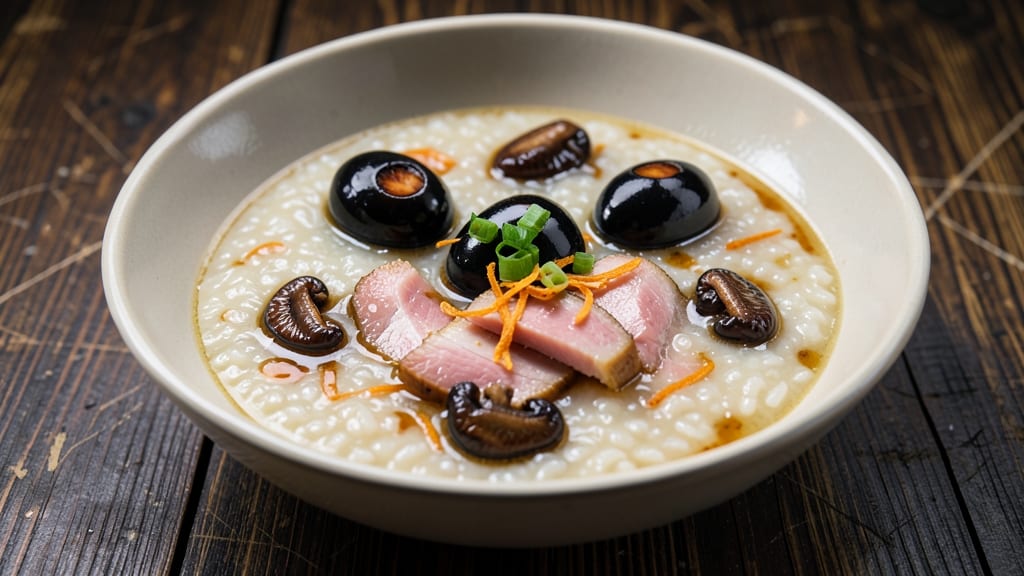
This century egg and pork congee recipe delivers the perfect balance of rich umami and comforting silkiness—exactly what you need when craving a soul-warming bowl. 🌟 As someone who's spent years perfecting pork-based dishes, I know how to transform simple ingredients into something deeply satisfying, and this congee is no exception.
The secret lies in the century eggs' unique texture and flavor, which meld beautifully with tender pork in a fragrant broth.
What makes this recipe special is the harmony of textures: the jelly-like century eggs, the melt-in-your-mouth pork, and the velvety congee that coats your spoon. I've streamlined the process while keeping the traditional techniques that make this dish so beloved.
Whether you're preparing it for a cozy night in or sharing with family, this congee promises to be a standout centerpiece.
The preparation is straightforward but rewarding—the century eggs require gentle handling to reveal their signature marbled yolk, while the pork cooks until it's effortlessly shredded. The congee itself is where the magic happens, simmering low and slow to achieve that perfect, porridge-like consistency.
Each spoonful is a testament to the power of patience in cooking.
Serve it garnished with scallions and a drizzle of chili oil for added depth, or pair it with pickled vegetables for a tangy contrast. This dish is as comforting as it is impressive, making it ideal for both everyday meals and special occasions.
Let's get started on creating your own bowl of perfection.
Ingredients for century egg and pork congee
Four century eggs and tender pork shoulder create this soul-soothing congee—rich, velvety, and packed with umami.
| Ingredient | Amount | Notes |
|---|---|---|
| Century Eggs 🥚 | 4 whole | High-quality, marbled yolk preferred |
| Pork Shoulder 🥩 | 1 lb | Bone-in for flavor, cut into 1-inch cubes |
| Dried Shitake Mushrooms 🍄 | 4 whole | Rehydrated for umami depth |
| Dried Tangerine Peel 🍊 | 2 tbsp | For aromatic balance, sliced thin |
| Jasmine Rice 🍚 | ½ cup | Short-grain, uncooked |
| Dried Shiitake Mushrooms 🍄 | 2 whole | Rehydrated, sliced for broth |
| Dried Scallions 🧅 | 1 tbsp | For garnish and aroma |
| Light Soy Sauce 🍶 | 2 tbsp | High-quality, for seasoning |
| Dark Soy Sauce 🍶 | 1 tbsp | For color and depth |
| Sesame Oil 🫒 | 1 tbsp | Toasted, for finishing |
| Chili Oil 🌶️ | 1 tbsp | Optional, for heat |
| Water 💧 | 6 cups | Filtered for best flavor |
| Salt 🧂 | 1 tsp | Kosher or sea salt |
| White Pepper 🌶️ | ½ tsp | Freshly ground for warmth |
| Dried Ginger 🧄 | 1 tsp | Sliced thin for fragrance |
Century eggs are the star here—look for ones with that signature marbled yolk. Asian grocery stores or specialty markets carry the best quality, often sold in jars or vacuum-sealed packs. If you can't find them fresh, frozen works too (just thaw gently in the fridge). The pork shoulder should have good marbling—Costco or butcher shops often have excellent cuts. For the shiitake mushrooms, dried is ideal since it intensifies the umami flavor. Bulk bins at Whole Foods or Trader Joe's usually have them. Avoid pre-sliced mushrooms—they lose potency fast.
No century eggs? Substitute with preserved eggs from a Chinese market—they're similar but less marbled. Short on pork? Chicken thigh works too, but pork's fat renders beautifully for that signature richness. Dried tangerine peel can be hard to find—substitute with orange zest if needed. The soy sauces matter: Kikkoman or Lee Kum Kee are reliable brands. For extra depth, toast the dried shiitake mushrooms in a dry pan for 30 seconds before rehydrating. The rice? Jasmine rice is non-negotiable—it absorbs liquid perfectly and gives that signature sticky texture.
The century eggs keep for 2 weeks in the fridge once opened—store them in their liquid to preserve freshness. Pork shoulder freezes beautifully for 3 months, but thaw it overnight in the fridge before cooking. The dried mushrooms and ginger can sit in your pantry for 6-12 months if stored in airtight containers. For leftovers, this congee actually tastes better the next day as flavors meld. Portion into jars and reheat with a splash of water—just stir gently to avoid breaking the rice grains.
Why You'll Love This Recipe
- One-Pot Magic: I swear by this recipe when I’m too tired to scrub pots—just chop the pork shoulder into bite-sized pieces, toss in the dried shiitakes and tangerine peel, and let the rice simmer. The century eggs slice themselves right into the broth, so no extra prep.
- Umami Bomb: The pork shoulder melts into tender, rich shreds while the century eggs add that signature funky-sweet depth—like a secret sauce you didn’t have to buy. Honestly, the first bite makes me pause mid-spoonful.
- Leftovers That Beg: This congee actually improves the next day. The flavors meld even more, and I’ll often reheat it for lunch with a fried egg on top. My roommate still steals my portion when I’m not looking.
- Pantry Powerhouse: Dried shiitakes and tangerine peel? Those little bags last forever and turn this into a budget-friendly staple. Between us, I’ve made this for sick days, lazy Sundays, and even as a hangover cure—it’s that reliable.
Step-by-step instructions for century egg and pork congee
Transform simple ingredients into a luxurious congee with deep umami layers and velvety texture.
🍳 Step 1: Prepare the Pork and Aromatics
Cut the 1 lb pork shoulder into 1-inch cubes—larger pieces stay tender while cooking. In a large pot, combine the pork with the 6 cups water, 1 tsp salt, 0.5 tsp white pepper, and 1 tsp dried ginger. Bring to a rolling boil over high heat, then reduce to a simmer for 45 minutes until the pork is fork-tender and the broth develops a rich, meaty aroma.
While the pork simmers, rehydrate the 4 whole dried shitake mushrooms and 2 whole dried shiitake mushrooms separately in hot water for 20 minutes. Slice the 2 tbsp dried tangerine peel into thin strips—this aromatic ingredient will infuse the broth with citrusy depth. Once the pork is tender, skim off any foam from the surface and add the sliced tangerine peel, mushrooms, and their soaking liquid to the pot.
🥘 Step 2: Build the Umami-Rich Broth
Simmer the pork mixture for another 30 minutes until the broth reduces slightly and the flavors meld. Add the 2 tbsp light soy sauce and 1 tbsp dark soy sauce, stirring well. The dark soy sauce will give the broth a beautiful mahogany hue while adding complexity. Taste and adjust seasoning—you want a balance of saltiness and umami that sings with the pork's natural richness.
Here's the thing—this is where the magic happens. The combination of century eggs, pork, and shiitake mushrooms creates a symphony of textures and flavors. The broth should be deeply aromatic, with a subtle sweetness from the tangerine peel and a lingering earthiness from the mushrooms. If it tastes too mild, add a splash more soy sauce or a pinch of salt.
🍚 Step 3: Cook the Jasmine Rice to Perfection
Rinse the 0.5 cup jasmine rice thoroughly under cold water until the water runs clear—this removes excess starch and prevents a gummy texture. Add the rinsed rice to the simmering broth and cook for 30-40 minutes on low heat, stirring occasionally to prevent sticking. The rice should absorb the liquid gradually, creating a thick, creamy congee with a delicate sheen.
You'll know it's ready when the rice grains are completely tender and the congee has a luxurious, pudding-like consistency. It should coat the back of a spoon smoothly, with no resistance. If it's too thick, add hot water 1 tablespoon at a time until you reach your desired texture—some prefer it thicker, others slightly looser, but it should never be watery.
👨🍳 Step 4: Prepare and Add the Century Eggs
Peel the 4 whole century eggs carefully, separating the yolks from the whites. The yolks should be dark, marbled, and intensely flavorful—this is the star of your congee. Gently place the whole yolks into the congee first, letting them warm through without breaking. Once they're settled, carefully add the whites on top, arranging them attractively for serving.
Real talk: century egg yolks are delicate when warm. If you're serving immediately, add them just before plating. If you're making this ahead, let the congee cool slightly before adding the yolks to prevent them from overcooking. The contrast between the creamy congee, tender pork, and silky century egg yolks is what makes this dish extraordinary.
🔥 Step 5: Finish and Serve with Garnishes
Remove the pot from heat and stir in 1 tbsp sesame oil and 1 tbsp chili oil—this adds a final layer of aroma and a subtle kick. The sesame oil brings nutty warmth, while the chili oil introduces just enough heat to balance the dish. Ladle the congee into deep bowls, ensuring each serving gets a generous portion of pork, rice, and century egg.
Garnish each bowl with 1 tbsp dried scallions and serve immediately. The scallions add a fresh, bright contrast to the rich, umami-packed congee. Pair with steamed greens or pickled vegetables to cut through the richness. Every spoonful should deliver a perfect harmony of textures—creamy rice, tender pork, and the velvety, complex century egg yolks.
Pro Tips For Making Century Egg And Pork Congee
- SOAK SHITAKE 30 MINUTES: I used to toss them in boiling water for 5 minutes, but that leaves them tough and bitter. Soak dried shitake in warm water for 30 minutes first—they plump up, absorb flavor better, and slice like butter. No need to boil them separately later.
- SIMMER PORK LOW AND SLOW: After browning pork shoulder, crank the heat down to a bare simmer. I learned the hard way that boiling makes the meat turn rubbery. Keep it at 180°F (82°C) for 2 hours—just until the fat renders and pork shreds easily. Patience here matters most.
- PEEL CENTURY EGGS HALFWAY: Don’t crack them open like eggs—century eggs have thick shells and jelly-like insides. Slide a knife between shell and membrane, then peel just enough to expose the black yolk. Leave the white membrane intact; it keeps the texture smooth when stirred into congee.
- SALT THE CONGEE LATER: Add pork broth and rice, then wait 10 minutes before seasoning. I was skeptical until I tried it—salting too early breaks down the rice faster. Stir in soy sauce, tangerine peel, and a pinch of salt only after the congee reaches a thick, creamy consistency.
Perfect pairings for this dish
Classic Garnishes
Freshly chopped scallions and a drizzle of chili oil are my go-to garnishes—they add a bright, crisp contrast to the rich congee. I like to sprinkle 1 tbsp dried scallions over each bowl just before serving, as their sharp aroma cuts through the umami depth.
For extra flair, add a few cracked black peppercorns or a sprinkle of toasted sesame seeds—they add texture and visual appeal. 🧅
Pickled Vegetable Pairing
Pickled vegetables like daikon radish or cucumber add a tangy crunch that balances the dish's richness. I serve them on the side for guests to add as they please.
Quick-pickle ½ cup sliced daikon with 2 tbsp rice vinegar, 1 tsp sugar, and a pinch of salt for a refreshing contrast. The acidity helps cleanse the palate between spoonfuls of congee. 🥒
Steamed Greens
Light, steamed greens like bok choy or garlic spinach make an excellent side. Blanch 4 cups baby bok choy in boiling water for 2 minutes, then finish with a splash of toasted sesame oil.
The mild bitterness complements the congee's creaminess, creating a well-rounded meal. I often serve this with a sprinkle of toasted black sesame seeds for added crunch. 🥬
Dipping Sauce
A simple dipping sauce elevates the dish—mix 2 tbsp light soy sauce, 1 tbsp rice vinegar, 1 tsp honey, and a dash of chili oil. This sweet-savory sauce adds another layer of flavor for dipping century egg whites or pork pieces.
I keep it on the table so everyone can adjust to their taste. The balance of sweet, tangy, and spicy makes every bite more exciting. 🍶
Herbal Tea Pairing
For a beverage pairing, I recommend a light jasmine tea or pu-erh tea—both complement the dish's umami notes without overpowering them. The floral notes of jasmine tea enhance the congee's delicate aroma, while pu-erh's earthy depth mirrors the century egg's complexity.
Avoid heavy, tannin-rich teas that could clash with the dish's richness. ☕
Regional Variations
In Southern China, this dish often includes preserved mustard greens for a funky, pungent contrast. For a Sichuan twist, add 1 tsp Sichuan peppercorns to the broth and finish with crushed dried chilies.
In Hong Kongchar siu (BBQ pork) for extra richness. Each variation keeps the core congee intact while adding local flavors. 🗺️
Nutrition facts
Frequently asked questions
How do I properly peel century eggs without breaking them?
Start by rinsing the eggs under cold water to remove any preservative residue. Use a small knife to carefully score the shell in a cross pattern, then gently tap it to crack. The shell should peel away easily—never force it! The key is patience; if you rush, the delicate yolks may rupture. For best results, peel them just before adding to the congee to maintain their texture.
Can I make this congee ahead of time?
This dish actually tastes better the next day as flavors meld. Store the cooked congee (without century eggs) in an airtight container in the fridge for up to 3 days. Reheat gently on low heat, adding a splash of water if needed. Add the century eggs just before serving to preserve their texture.
What's the best way to achieve the perfect congee texture?
The secret lies in the rice-to-water ratio and cooking time. Use 1 part rice to 12 parts liquid (½ cup rice to 6 cups broth). Simmer on low heat for 30-40 minutes, stirring occasionally to prevent sticking. The congee should be thick enough to coat the back of a spoon but still smooth—never watery. If too thick, add hot water 1 tbsp at a time.
Can I substitute pork shoulder with another protein?
While pork shoulder is ideal for its fat content, you can use chicken thigh (for a lighter version) or beef chuck (for richer flavor). Cut the meat into 1-inch cubes and adjust cooking time—chicken needs 30 minutes while beef requires 1.5 hours. The key is tender, shreddable meat that blends beautifully with the congee.
Why do my century egg yolks turn rubbery?
Overcooking is the most common cause. Century egg yolks are delicate when warm—they should be added to the congee just before serving or when the broth is barely simmering. If your yolks seem rubbery, they may have been exposed to heat too long. For best results, let the congee cool slightly before adding them, and serve immediately after.