
Main Courses
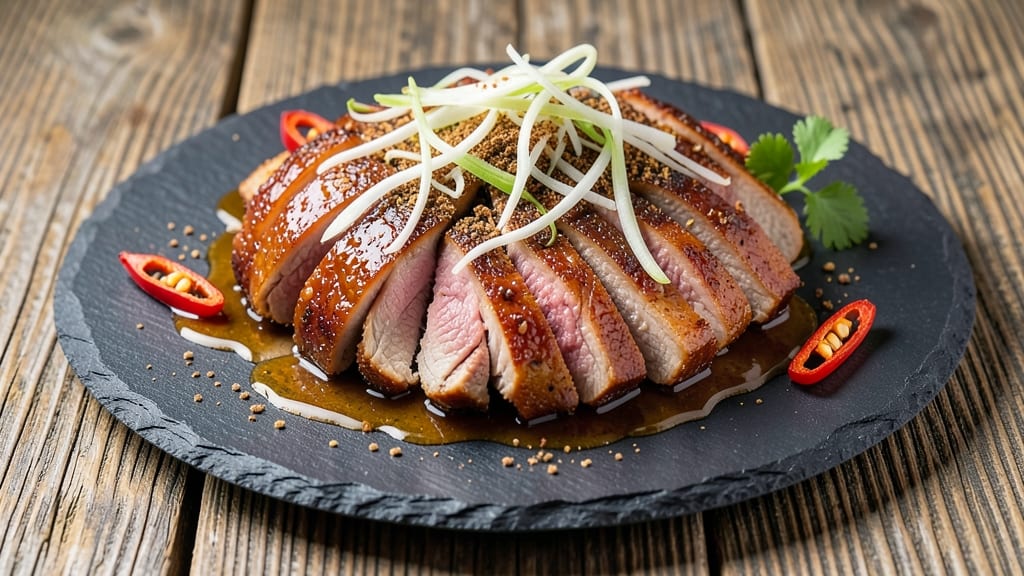
This Trinidad-style char siu pork recipe transforms traditional Cantonese techniques with bold Caribbean spices, creating a dish that's both nostalgic and entirely new. 🔥 The secret lies in marinating the pork overnight with a blend of five-spice powder, scotch bonnet peppers, and local rum—elements that give this version its signature depth and caramelized crust. I first discovered this adaptation while traveling in Trinidad, where the heat of the island meets the sweet-savory balance of char siu in a way that feels revolutionary.
The process begins with tender pork shoulder, marinated until the meat absorbs the aromatic spices and becomes irresistibly sticky. After roasting, the glaze—a fusion of Trinidad's sweet sorrel syrup and Cantonese honey—caramelizes into a glossy, amber finish that's dangerously addictive.
What makes this recipe special is how it bridges two culinary worlds: the precision of traditional char siu meets the vibrant, spicy-sweet profile of Caribbean cooking.
By the time it emerges from the oven, you'll have perfectly roasted pork with a mahogany glaze that clings to every bite, offering layers of smoky, sweet, and slightly spicy flavors.
The texture is crisp on the outside while remaining tender inside, making it ideal for slicing thinly over rice or serving as a centerpiece for family gatherings. This isn't just another pork recipe—it's a celebration of cultural fusion that delivers restaurant-quality results at home.
Whether you're hosting a dinner party or simply craving a flavor-packed meal, this Trinidad-inspired char siu delivers on both tradition and innovation. The technique is straightforward, but the flavors are unforgettable. Let's get cooking—your taste buds will thank you.
Ingredients for char siu pork recipe trinidad
Six aromatic ingredients transform ordinary pork into Trinidad's boldest char siu—where sweet sorrel meets five-spice magic.
| Ingredient | Amount | Notes |
|---|---|---|
| Pork Shoulder 🥩 | 3 lb | Bone-in for flavor, cut into 1-inch chunks |
| Five-Spice Powder 🌶️ | 2 tbsp | Authentic blend for depth of flavor |
| Scotch Bonnet Peppers 🌶️ | 2 whole | Seeds removed for less heat |
| Light Rum 🍹 | ½ cup | Local rum for authentic Caribbean taste |
| Soy Sauce 🧂 | ½ cup | Use light soy for balance |
| Honey 🍯 | ½ cup | Local honey preferred for depth |
| Sweet Sorrel Syrup 🍋 | ¼ cup | Trinidadian specialty for tangy sweetness |
| Garlic Cloves 🧄 | 6 cloves | Minced for aromatic punch |
| Ginger Root 🌿 | 2 tbsp | Freshly grated for zesty kick |
| Brown Sugar 🍬 | ½ cup | Packed for caramelization |
| Sesame Oil 🫒 | 1 tbsp | Toasted for nutty aroma |
| Cornstarch 🌾 | 2 tbsp | For glaze thickening |
| Vegetable Oil 🫒 | 2 tbsp | For roasting pan |
| Salt 🧂 | 1 ½ tsp | Kosher salt for seasoning |
| Black Pepper 🌶️ | ½ tsp | Freshly cracked for heat |
The pork shoulder is non-negotiable—bone-in for maximum flavor, and Trader Joe's or Costco often have the best cuts. Look for good marbling, not lean meat. For the five-spice powder, Penzeys or bulk bins at Asian markets carry authentic blends—avoid the generic supermarket versions. Scotch bonnet peppers? Caribbean markets are your best bet, but if you can't find them, habaneros work in a pinch (just halve the amount). The rum should be light and flavorful—Angostura or Plantation are solid choices. Pro tip: Toast your garlic and ginger in the oil before marinating for extra depth.
No sweet sorrel syrup? Substitute with lime juice plus 1 tbsp brown sugar—it won't be identical, but it'll get you close. Running low on soy sauce? Coconut aminos work in a bind, though the flavor will be subtly different. The honey should be local if possible—Trinidadian honey has a distinct floral note, but any good-quality honey will do. For a quicker glaze, blend the cornstarch with cold water before adding to the simmering sauce. And if you're feeling adventurous, swap half the brown sugar for demerara sugar for a deeper caramel flavor. The sesame oil? Toast it first—heat gently in a pan until fragrant, then cool before using.
Marinate the pork overnight for maximum flavor infusion, but don't exceed 24 hours or the meat will get mushy. The glaze keeps for 1 week in the fridge, so make extra—it's perfect for brushing on roasted veggies or drizzling over rice. Store the cooked pork in an airtight container with a paper towel to absorb any moisture. For reheating, low oven (300°F) for 15 minutes keeps it crispy. Freeze portions for up to 3 months—just thaw overnight in the fridge before reheating. The leftovers? Absolutely delicious in sandwiches or fried rice.
Why You'll Love This Recipe
- One-Pan Magic: I swear by this—just the pork, the five-spice, and a quick char. No chopping vegetables, no extra pots. That rum glaze? It caramelizes right on the pan while you sip your coffee.
- Scorch-Worthy Heat: Between the Scotch bonnet and five-spice, this isn’t your grandma’s pork. It’s got that Trinidadian kick—sweet, smoky, and just spicy enough to make your taste buds dance.
- Party in a Flash: Need to feed a crowd? Double the batch, slice it thin, and serve it on rice, in wraps, or straight from the bone. My in-laws asked for seconds before dessert even came out.
- Budget Hero: Pork shoulder stretches forever, and the spices cost pennies. That bottle of rum? A splash goes a long way. I’ve made this for under $10 per serving—better than takeout, honestly.
Step-by-step instructions for Caribbean char siu pork
Here's how to transform humble pork shoulder into sticky, caramelized perfection with Trinidadian flair.
👨🍳 Step 1: Marinate the Pork for Maximum Flavor
In a large bowl, combine the 3 lb pork shoulder (cut into 1-inch chunks), 2 tbsp five-spice powder, 1.5 tsp salt, and 0.5 tsp black pepper. Massage the spices into the meat until evenly distributed—this ensures every bite gets that aromatic punch. Add the 6 minced garlic cloves and 2 tbsp freshly grated ginger root, rubbing them into the pork so they penetrate deeply.
Pour in the 0.5 cup light rum, 0.5 cup soy sauce, and 0.25 cup sweet sorrel syrup, mixing until the pork is fully coated. Cover and refrigerate for at least 4 hours (overnight is even better). The longer it marinates, the more tender and flavorful the pork becomes—this isn't a step you want to rush.
🔥 Step 2: Roast Until Fork-Tender
Preheat your oven to 325°F. In a large roasting pan, heat 2 tbsp vegetable oil over medium heat. Add the marinated pork in a single layer, letting it brown slightly on all sides—this creates a better seal for juices. Transfer the pan to the oven and roast for 2.5 hours, turning the pork every 45 minutes to ensure even cooking.
Check for doneness by inserting a meat thermometer into the thickest piece—it should read 195°F (the internal temperature will rise to 203°F as it rests). If the pork isn't tender yet, add ¼ cup water to the pan and continue roasting, covered with foil, until it reaches the right consistency. The goal is melt-in-your-mouth tenderness, not dryness.
🍳 Step 3: Create the Sticky Glaze
While the pork roasts, make the glaze by combining 0.5 cup honey, 0.5 cup brown sugar, 1 tbsp toasted sesame oil, and 2 tbsp cornstarch in a saucepan. Cook over medium heat, stirring constantly, until the sugar dissolves completely. Add the 2 seeded Scotch bonnet peppers (remove seeds for less heat) and simmer for 3 minutes until the mixture thickens to a syrupy consistency.
Here's the thing—this glaze needs to be smooth and glossy. If it starts to crystallize or burn, reduce the heat and keep stirring. The cornstarch is key for that perfect sticky texture, so don't skip it. Once it reaches a thick, pourable consistency, remove from heat and let it cool slightly before using.
🥘 Step 4: Glaze and Caramelize to Perfection
Transfer the roasted pork to a large baking dish. Pour the glaze evenly over the pork, making sure every piece is coated. Return to the oven (now at 400°F) and broil for 8-10 minutes, watching closely—you want the glaze to bubble and caramelize into a deep amber color. This is where the magic happens: the high heat transforms the glaze into that irresistible sticky crust.
If the glaze sets too quickly, brush on additional glaze in the last 2 minutes of broiling. The pork is done when the glaze is glossy and slightly crispy on top. Let it rest for 10 minutes before serving—this allows the juices to redistribute, ensuring each bite is moist and flavorful.
🍽️ Step 5: Serve with Caribbean Flair
Slice the char siu against the grain for tender, easy-to-eat pieces. The glaze should be sticky enough to coat each slice beautifully. Serve with steamed jasmine rice, grilled pineapple, or fresh coleslaw to balance the richness. For extra drama, garnish with thinly sliced scallions or a sprinkle of toasted sesame seeds.
This dish tastes even better the next day, so don't hesitate to make it ahead. Store leftovers in the refrigerator for up to 3 days, reheating gently in a skillet with a splash of water to restore that sticky glaze. Trust me, the aroma alone will have everyone gathering around the table.
Pro Tips For Making Char Siu Pork Recipe Trinidad
- Marinate Overnight: I used to rush this and wondered why my char siu always tasted flat—Trinidad-style marinades need time. Five-spice powder and Scotch bonnet heat build depth overnight in the fridge, especially when mixed with light rum and soy sauce. If you're short on time, at least let it sit 4 hours uncovered (the alcohol needs to evaporate a bit for that proper caramelized crust).
- Blot That Pork Dry: Wet pork shoulder is the enemy of crispy char siu. After marinating, pat it thoroughly with paper towels—yes, even if it feels dry. The Trinidad version relies on a sticky, caramelized crust, and moisture underneath will turn your pan into a steam bath instead of a sear. Trust me, the difference in texture is night and day.
- Start High, End Slow: After searing the pork shoulder in a screaming-hot pan (cast iron if you have it), finish cooking it at 325°F (165°C) until internal temp hits 203°F (95°C). The high heat gets the crust, but the low-and-slow phase renders fat and keeps the meat tender—especially important for pork shoulder. Skip the slow part, and you’ll end up with chewy, sad meat.
- Toast the Five-Spice: My grandmother swore by this, and she was right: dry-toast your five-spice powder in a pan for 30 seconds before mixing it into the marinade. It deepens the aroma and cuts through the heat of the Scotch bonnet peppers, balancing the flavor. Sounds weird, but it works—your char siu will taste more complex without it.
Perfect pairings for this dish
Caribbean Side Dishes
Trinidadian flavors shine alongside char siu pork with grilled plantains—caramelized to golden perfection. Slice 2 ripe plantains lengthwise, brush with oil, and grill until tender with blackened edges. The natural sweetness complements the pork's smoky-sweet glaze beautifully. 🍌
For a refreshing contrast, serve with cooling coconut rice—jasmine rice cooked in coconut milk with 1 tsp turmeric and ½ tsp cinnamon. The creamy texture balances the char siu's richness while keeping the meal light. I make a big batch and freeze portions for quick weeknight meals.
Spicy Condiments
Add a kick with pepper sauce—mix 2 tbsp hot sauce (like Valentina or Cholula) with 1 tbsp lime juice and a pinch of cayenne pepper.
Drizzle over slices for a tangy, fiery finish. For heat lovers, serve with scotch bonnet pepper jelly—spread it thinly on toasted bread for a sweet-spicy bite.
Beverage Pairings
A crisp Trinidadian rum punch elevates the meal—mix 1 cup light rum, ½ cup pineapple juice, ½ cup orange juice, and a splash of cola>. Serve over ice with a lime wedge. The citrus cuts through the pork's richness while enhancing its caramelized flavors. 🍹
For non-alcoholic options, try hibiscus iced tea—steep 2 tbsp dried hibiscus flowers in 4 cups boiling water> for 10 minutes, then chill. The tart, cranberry-like flavor refreshes the palate between bites. I often make a big pitcher and keep it in the fridge for the week.
Global Fusion Twists
Transform leftovers into char siu bao—stuff steamed buns with sliced pork, pickled daikon, and a drizzle of the glaze. The soft, pillowy texture contrasts perfectly with the sticky pork. For a modern twist, serve over sushi rice with avocado slices and sesame seeds for a fusion Caribbean-sushi bowl.
Nutrition facts
Frequently asked questions
Can I substitute pork shoulder with another cut?
While pork shoulder is ideal for its fat content and tenderness, you can use pork tenderloin or pork loin in a pinch. However, these leaner cuts may require 10-15 minutes less roasting time to avoid dryness. For best results, marinate them for 6-8 hours instead of overnight, as they absorb flavors faster. The bone-in version adds extra flavor, but boneless works too—just monitor internal temperature closely.
How do I adjust the heat level in the glaze?
The scotch bonnet peppers provide the kick, so remove seeds for mild heat or leave them in for extra spice. For a milder version, reduce the peppers to 1 whole pepper or swap for ½ habanero. If you love heat, add ½ tsp cayenne pepper directly to the glaze. Always taste the glaze before applying—you can always add more, but you can't remove excess heat!
What's the best way to reheat leftovers?
Reheat in a skillet over medium heat with 1 tbsp water or broth to restore moisture and that sticky glaze. Cover and cook for 3-4 minutes until warmed through. For oven reheating, cover with foil and bake at 300°F for 15 minutes. Avoid microwaving—it makes the glaze rubbery. Pro tip: Brush with a little extra glaze before reheating for maximum shine!
Can I make this recipe without rum?
Yes! Replace the 0.5 cup rum with an equal amount of apple juice or pineapple juice for sweetness, or use extra soy sauce for umami depth. For a non-alcoholic version, try ½ cup coconut water plus 1 tsp vanilla extract to mimic rum's caramel notes. The flavor will differ slightly, but the dish will still be delicious.
Why did my glaze crystallize instead of caramelizing?
This happens when sugar cooks too fast or isn't stirred constantly. Keep heat at medium-low and stir frequently to prevent burning. If it starts crystallizing, add 1 tsp water and stir until smooth. For extra shine, whisk in ½ tsp lemon juice at the end—it helps break down sugar crystals. The glaze should be thick but pourable, not grainy.