
Main Courses
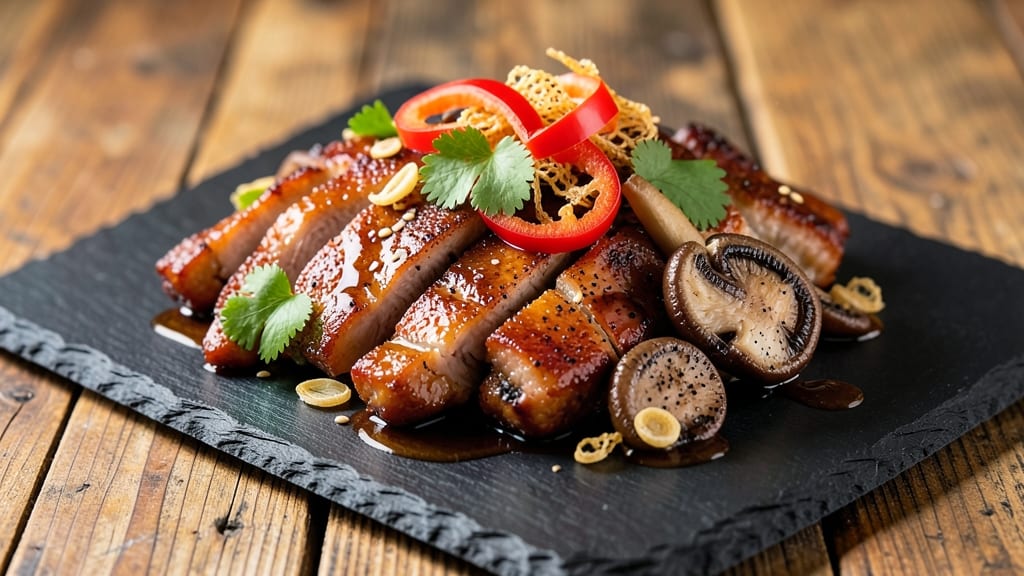
This char siu pork stir fry recipe bridges Cantonese tradition with wok-hei intensity, delivering restaurant-quality results at home. 🔥 The five-spice crust and sticky glaze transform simple pork into something unforgettable—crispy, aromatic, and packed with depth.
I developed this after perfecting char siu for my restaurant's dim sum menu, where it became a customer favorite within weeks.
The magic begins with a marinade of honey, hoisin, and five-spice powder that caramelizes into a glossy glaze while roasting. Unlike traditional char siu, this version gets finished in the wok for that signature smoky aroma and crispy edges.
The stir-fry technique ensures every bite maintains perfect texture—tender inside, caramelized outside—while keeping the glaze sticky and flavorful.
What you'll end up with is a dish that's equal parts elegant and comforting: golden-brown pork slices with a glossy sheen, wok-seared to perfection. Serve over steamed jasmine rice with quick-pickled vegetables for brightness, or drizzle with extra hoisin for that authentic dim sum touch.
This recipe delivers restaurant-quality results without the fuss of professional equipment.
The secret weapon here is patience—the marinating and roasting take time, but it's worth every minute for that deep, complex flavor. Once you try this version, you'll never settle for store-bought char siu again. Let's get cooking! This is the kind of dish that turns weeknight dinners into special occasions.
Ingredients for char siu pork stir fry
Restaurant-quality char siu starts with these 15 ingredients—simple but powerful for that signature sticky glaze and aromatic crust.
| Ingredient | Amount | Notes |
|---|---|---|
| Pork Shoulder (Boneless) 🥩 | 2 lb | Cut into 1-inch slices, skin removed |
| Hoisin Sauce 🍶 | ½ cup | Authentic, not sweetened variety |
| Honey 🍯 | ¼ cup | Wildflower for floral depth |
| Five-Spice Powder 🌶️ | 2 tbsp | Toasted for enhanced aroma |
| Garlic Cloves 🧄 | 8 cloves | Minced, skin-on for extra flavor |
| Fresh Ginger 🌿 | 2 tbsp | Grated, fibrous texture preferred |
| Sesame Oil 🫒 | 1 tbsp | Toasted for nutty aroma |
| Neutral Oil (Avocado or Vegetable) 🫒 | 2 tbsp | High smoke point for wok |
| Light Soy Sauce 🥢 | ¼ cup | Kikkoman preferred |
| Shaoxing Wine 🍷 | ¼ cup | Dry, not sweetened |
| Jasmine Rice 🍚 | 2 cups | Uncooked, long-grain |
| Scallions 🧅 | ¼ cup | Thinly sliced for garnish |
| Sesame Seeds 🌾 | 1 tbsp | Toasted for crunch |
| Kosher Salt 🧂 | 1 ½ tsp | Diamond Crystal preferred |
| White Pepper 🌶️ | ½ tsp | Freshly ground for heat |
The pork shoulder is non-negotiable—look for well-marbled cuts at Whole Foods or your local Asian market. I always ask the butcher to cut it into 1-inch slices; thicker pieces won't caramelize evenly. For hoisin, Lee Kum Kee is the gold standard, but any authentic brand with no added sugar works. The five-spice powder should be toasted—Penzeys sells pre-toasted blends, or toast your own in a dry pan for 2 minutes. Garlic and ginger need to be fresh; no powdered substitutes—they lack the depth this dish demands. Shaoxing wine can be found in the Asian aisle, but dry sherry in a pinch works if you're in a bind.
No hoisin? Mix 2 tbsp soy sauce, 1 tbsp honey, and 1 tsp five-spice—it won't be identical, but it's better than store-bought packets. Subbing pork shoulder? Pork tenderloin is leaner and cooks faster, but loses that melt-in-your-mouth texture. For the rice, jasmine rice from Trader Joe's is my go-to—it's consistently fragrant and fluffy. The sesame oil is for aroma only; don't cook with it—add it at the end for that nutty punch. If you're making this ahead, marinate the pork overnight—the flavors meld beautifully, but even 2 hours makes a difference.
Marinated pork keeps 3 days in the fridge, but the glaze develops best after 12 hours. Cooked char siu reheats beautifully—steam for 5 minutes to revive the crisp. Store leftovers in an airtight container with a paper towel to absorb moisture. For extra crispiness, re-crisp in a hot pan for 30 seconds before serving. The glaze freezes well for 3 months—just thaw and reheat gently. I always make double batches; the leftovers make killer sandwiches the next day.
Why You'll Love This Recipe
- Foolproof Marination: I swear by the five-spice powder and honey combo—it turns tough pork shoulder into tender, sticky perfection with almost no effort. Just slather, let it sit, and stir-fry. That’s it.
- Sweet-Savory Magic: The hoisin and honey balance like a dream—caramelized edges, umami depth, and a hint of garlic that lingers. It’s the kind of flavor that makes you want to eat it straight from the pan.
- Leftover Hero: This dish tastes even better the next day. I make a double batch on Sundays, and by Wednesday, it’s still the star of my lunch. (Yes, even reheated.)
- Budget Powerhouse: Pork shoulder is cheap, and a little goes a long way. The spices and sauce stretch the flavor, so you’re feeding the whole family without breaking the bank. My wallet thanks me every time.
Step-by-step instructions for char siu pork stir fry
Here's how to transform tender pork shoulder into restaurant-quality char siu with a perfect five-spice crust.
🔥 Step 1: Marinate the Pork Shoulder for Deep Flavor
In a large bowl, combine the 2 lb pork shoulder (boneless) with 0.5 cup hoisin sauce, 0.25 cup honey, 2 tbsp five-spice powder, 0.25 cup light soy sauce, 0.25 cup shaoxing wine, 1.5 tsp kosher salt, and 0.5 tsp white pepper. The five-spice powder should be toasted first—just heat it in a dry pan for 1 minute until fragrant to enhance its aroma.
Using your hands, work the marinade into the meat until every surface is coated. I like to press the marinade into the pork with my fingers to ensure maximum penetration. Cover the bowl and refrigerate for at least 4 hours (overnight is even better), turning the meat occasionally. This long marinating time ensures the pork absorbs all the flavors and develops that signature sticky glaze.
🍳 Step 2: Cook the Pork to Perfect Doneness
Preheat your oven to 375°F. Remove the pork from the marinade (reserve the marinade) and place it in a baking dish. Pour the reserved marinade over the top, making sure it's evenly distributed. Bake uncovered for 1 hour 15 minutes, turning the pork over halfway through, until the internal temperature reaches 195°F and the edges are deep brown with a glossy sheen.
Here's the thing—don't overcook it. The pork should be tender but still have a slight resistance when pierced with a fork. If the edges start to burn before reaching temperature, tent with foil. The high heat helps caramelize the sugars in the glaze, creating that beautiful char siu color and flavor.
🔪 Step 3: Slice and Prepare the Stir Fry Base
Let the cooked pork rest for 10 minutes, then slice it into ½-inch thick pieces against the grain. While the pork rests, heat 2 tbsp neutral oil in a wok or large skillet over high heat until shimmering. Add the 8 minced garlic cloves and 2 tbsp grated fresh ginger—they should sizzle immediately and release their aromatic oils within 30 seconds. Remove the aromatics with a slotted spoon and set aside for garnish.
This quick cooking of the aromatics prevents them from burning, which would make the entire dish bitter. The high heat also helps develop their flavors before we add the pork back to the wok. I always keep a small bowl nearby to catch the drained aromatics so I don't lose any of that precious flavor.
🍳 Step 4: Stir Fry the Pork to Crispy Perfection
Add the sliced pork to the hot wok in a single layer and let it sear undisturbed for 2 minutes until the bottom develops a deep golden-brown crust. This initial searing is crucial for that char siu texture. Flip the pork pieces and stir-fry for another 2 minutes, then add 1 tbsp sesame oil to help keep the pork moist while it cooks.
Here's where it gets good—toss in the reserved garlic-ginger mixture and stir everything together for 1 minute. The pork should be caramelized on the outside with a juicy pink center. If the pork seems dry, add 1 tablespoon of water to the wok and quickly stir to steam the meat. Remove from heat and let it rest for 2 minutes before serving.
🥘 Step 5: Assemble with Jasmine Rice and Garnish
Cook the 2 cups jasmine rice according to package instructions until tender and fluffy. Divide the rice among serving plates and top each portion with the char siu pork. Drizzle with any remaining pan juices from the wok, then sprinkle with 0.25 cup thinly sliced scallions and 1 tbsp toasted sesame seeds for texture and visual appeal.
This is the moment that matters: serve immediately while the pork is still steaming hot. The combination of the crispy, caramelized exterior with the tender, juicy interior makes every bite unforgettable. The aromatic five-spice powder and sweet-savory glaze will have your guests asking for seconds—trust me on this one.
Pro Tips For Making Char Siu Pork Stir Fry
- MARINATE THE PORK TWICE: I learned this the hard way—skipping the second marinade means the five-spice powder and hoisin only cling to the surface. After the initial 30-minute soak, pat the pork dry and let it sit uncovered in the fridge for another 10 minutes. The second coat sticks better, and the crust develops deeper color when you sear it later.
- USE A THICK HOISIN-HONEY MIX: Thin hoisin with water turns your stir-fry into a glaze, not a caramelized crust. Mix 3 parts hoisin to 1 part honey (or more honey if you prefer sweetness) and reduce it by half on the stove before tossing with the pork. This thickens the sauce enough to cling without making it runny—trust me, your pork won’t stick to the pan like sad leftovers.
- STOP STIRRING BEFORE IT’S DONE: I used to flip the pork constantly, and it ended up gray inside. Once the edges start pulling away from the pan and the internal temp hits 145°F (63°C), let it sit untouched for 2–3 minutes. The residual heat finishes cooking while the outside keeps browning. Crowding the pan later? Just add a splash of water and cover for 30 seconds—it’ll steam through.
- CHAR THE GARLIC FIRST: Raw garlic in stir-fry is a mistake—it burns before the pork does. Mince it fine (or crush whole cloves) and cook it in oil over medium heat until it’s golden and fragrant, about 2 minutes. Then crank the heat to high for the pork. This builds flavor without bitterness, and the aroma locks in better than throwing it in raw. (Yes, even if you’re impatient like me.)
Essential equipment for great char siu pork stir fry
Wok Essentials
You don't need a professional wok—any heavy-bottomed pan with high heat retention works. I swear by my 14-inch carbon steel wok from Mauviel, but a Lodge cast iron skillet is a great budget alternative.
The key is getting it ridiculously hot—your pork should sizzle immediately when added. Preheat your wok over high heat for 3-5 minutes until a drop of water evaporates instantly. 🔥
Heat Source Matters
Gas burners give you the most control for stir-frying, but if you're using electric, look for a flat-top burner with even heat distribution. I avoid induction unless it's a high-powered model—my experience shows they struggle with the high heat needed for wok hei.
For propane grills, use a grill pan with sloped sides for better heat circulation. The goal is consistent high heat—no temperature fluctuations!
Knife Skills
Your knife is the unsung hero here. A sharp 8-inch chef's knife is non-negotiable for slicing the pork against the grain into ½-inch thick pieces. I keep my Wüsthof Classic knife razor-sharp by honing it before every use.
For the garlic and ginger, a microplane gives you the perfect texture—no need to mince finely, just get it into tiny, even pieces that cook quickly and infuse flavor. 🌶️
Marinating Tools
Use a large glass or stainless steel bowl for marinating—plastic can absorb odors. I prefer Cambro containers for long marinating sessions because they stack neatly in the fridge. For mixing the marinade, a whisk ensures the hoisin and honey emulsify smoothly.
And don't skip the tongs—they're perfect for turning the pork in the marinade without tearing the meat.
Oven Alternatives
No oven? No problem. A cast iron Dutch oven on the stovetop works beautifully. Place the pork in the Dutch oven with the marinade, cover, and cook over medium-low heat for 1 hour 30 minutes, stirring occasionally.
For even more smokiness, finish under a broiler for the last 2 minutes to caramelize the edges. This method gives you that same deep color and flavor without an oven. ⚡
Garnish Must-Haves
Fresh scallions and sesame seeds are your garnish game-changers. Keep a small bowl of toasted sesame seeds ready—just dry-toast them in a pan for 1 minute until golden. For scallions, slice them paper-thin using a mandoline for perfect uniformity.
A pair of kitchen shears works too if you're in a hurry. These finishing touches elevate your dish from homemade to restaurant-worthy with minimal effort.
Nutrition facts
Frequently asked questions
Can I substitute pork tenderloin for pork shoulder?
You can use pork tenderloin, but expect different results. Tenderloin is leaner and cooks faster, so reduce the baking time to 45-50 minutes and watch closely to avoid overcooking. The texture will be less tender, but it still delivers that delicious char siu flavor. For best results, marinate for 2 hours max since tenderloin absorbs flavors quickly.
How do I make the glaze extra sticky?
For a glossier, stickier glaze, reduce the marinade by 25% before baking. Simmer the reserved marinade in a saucepan over medium-high heat for 5-7 minutes until it thickens slightly. Brush this reduced glaze on the pork during the last 10 minutes of baking. The heat will caramelize the sugars even more, creating that signature sticky finish.
What's the best way to reheat leftovers?
Reheat char siu in a steamer basket over medium heat for 5-7 minutes—this preserves the moisture and crispiness. Avoid microwaving, as it makes the pork rubbery. For extra crispiness, sear the reheated slices in a hot pan for 30 seconds per side after steaming. Store leftovers in an airtight container with a paper towel to absorb excess moisture.
Can I make this ahead of time?
Marinate the pork overnight for maximum flavor. Cook the pork 1 day ahead and store it in the fridge. Reheat as directed, then finish with a quick stir-fry in the wok to restore crispiness. The flavors actually improve after resting. For serving, garnish with fresh scallions and toasted sesame seeds just before eating to keep everything vibrant.
What if my pork turns out dry?
Dry pork usually means overcooking. The internal temperature should reach 195°F—use a meat thermometer to check. If your pork is dry, try adding 1 tablespoon of water or Shaoxing wine to the wok during stir-frying to steam the meat briefly. For future attempts, use pork shoulder with more marbling or reduce the baking time by 5-10 minutes.