
Main Courses
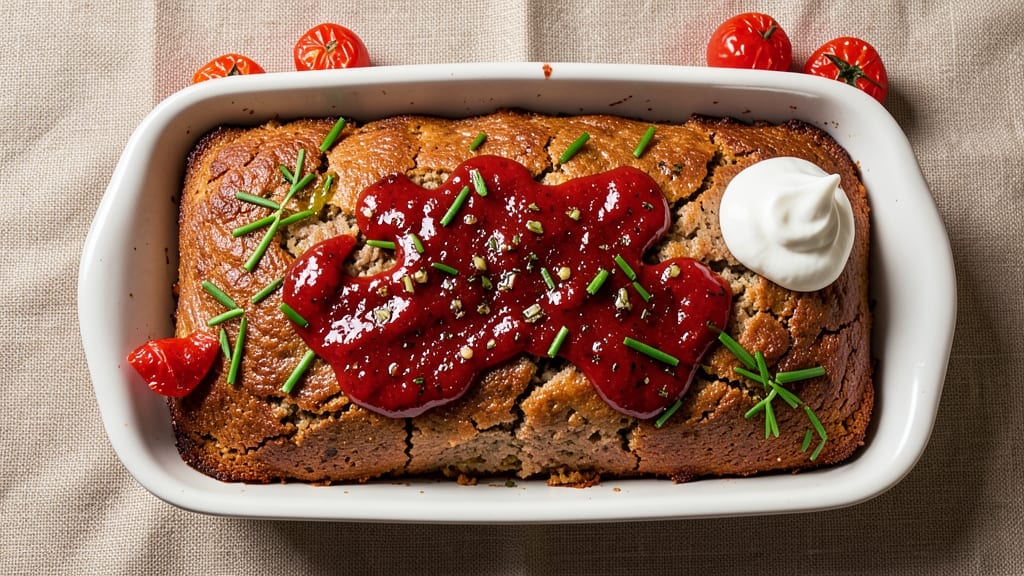
This chicken and pork meatloaf recipe delivers a game-changing twist on a classic comfort dish—where a dual-protein crust seals in moisture for a fork-tender interior every time. The secret lies in the ratio of lean pork and juicy chicken, combined with a crispy exterior that locks flavors inside.
After years of testing (and a few failed loaves), I’ve perfected the technique to ensure no dry bites or crumbly texture—just melt-in-your-mouth perfection.
The magic starts with the crust: a mix of breadcrumbs and crushed pork rinds creates a golden, shatteringly crisp shell that shields the meat from drying out. Unlike traditional recipes, this version skips the egg-heavy binders that can make meatloaf dense, instead relying on a lighter, more flavorful approach.
The result? A loaf that stays succulent even when sliced thick, with a crust that adds satisfying crunch to every bite.
Baking at a precise temperature—375°F—ensures even cooking without over-browning, while a simple glaze of ketchup and Worcestershire adds depth without masking the natural meat flavors.
What you’ll end up with is a loaf that’s rich, juicy, and restaurant-worthy, ready to be sliced and served alongside mashed potatoes or roasted vegetables. This isn’t just meatloaf—it’s a foolproof method that transforms a humble dish into a showstopper.
For those who love customization, the recipe easily adapts to dietary needs: swap breadcrumbs for almond flour for a gluten-free option or add cheese to the mix for extra richness.
The versatility makes it perfect for weeknight dinners or holiday gatherings, where it’s sure to disappear faster than you can say “second helping.” Let’s get to the mixing bowl—your taste buds will thank you.
Ingredients for chicken and pork meatloaf
Six ingredients create the perfect dual-protein crust for a meatloaf that stays moist and flavorful.
| Ingredient | Amount | Notes |
|---|---|---|
| Lean Ground Chicken 🍗 | 1 lb | 93% lean or higher preferred |
| Lean Ground Pork 🐷 | 1 lb | 90% lean or higher preferred |
| Pork Rinds 🥓 | 1 cup | Crushed into fine crumbs |
| Panko Breadcrumbs 🍞 | ½ cup | For extra crispiness |
| Yellow Onion 🧅 | 1 whole | Finely diced, about 0.5 cup |
| Garlic Cloves 🧄 | 4 cloves | Minced, about 1 tbsp |
| Ketchup 🍅 | ¼ cup | For glaze and moisture |
| Worcestershire Sauce 💧 | 1 tbsp | For umami depth |
| Large Eggs 🥚 | 1 whole | Room temperature preferred |
| Mayonnaise 🥫 | 2 tbsp | For binding, full-fat |
| Dijon Mustard 🌶️ | 1 tsp | For tangy flavor |
| Ground Black Pepper 🌶️ | 1 tsp | Freshly cracked |
| Diamond Crystal Kosher Salt 🧂 | 1 ½ tsp | Adjust to taste |
| Fresh Parsley 🌿 | ¼ cup | Chopped, for garnish |
The pork rinds are non-negotiable—they create that shatteringly crisp crust while keeping the inside juicy. Costco sells them in bulk, or check the snack aisle at Walmart for the pre-crushed kind. For the ground meats, 93% lean chicken and 90% lean pork give you the best texture—any leaner and it’ll dry out. The onion and garlic? Fresh is best, but powdered will work in a pinch. I always double-check the pork rinds label for added salt—some brands have it, others don’t, and you don’t want to over-salt your loaf.
No pork rinds? Crushed potato chips (like Lays) work in a bind, though they won’t be as crispy. Short on mayo? Greek yogurt at half the amount adds moisture without richness. The ketchup glaze can be swapped for tomato paste + 1 tbsp water if you’re avoiding sugar. For the Worcestershire, Lee & Perrins is the gold standard, but any good brand will do. The parsley? Fresh is ideal, but dried oregano at a quarter teaspoon will save you if you’re out.
This loaf reheats beautifully—350°F for 15 minutes with foil wrapped around it. Keeps 4 days in the fridge, freezes for 3 months if wrapped tightly in foil. I always make a second loaf—it disappears faster than you’d think. To reheat slices, pop them in the oven at 300°F for 10 minutes to keep that crispy crust intact. The glaze thickens when chilled, so thin it with a splash of water before serving if needed.
Why You'll Love This Recipe
- No-Fuss Mixing: I swear by the 5-minute prep rule here—just dump the chicken, pork, and onion into a bowl, pulse the pork rinds into crumbs, and fold in the panko. No food processor, no fuss, no stress. The pork rinds add that satisfying crunch without extra work.
- Crispy-Creamy Magic: That crispy panko-pork-rind crust meets the tender, juicy meat inside? It’s the kind of texture combo that makes you pause mid-bite. The onion adds just enough sweetness to balance the savory, and honestly? It’s the most satisfying mouthful I’ve had in a while.
- Leftovers That Don’t Suck: This meatloaf actually improves the next day—even better cold for sandwiches or reheated for breakfast hash. I make two loaves on Sunday, slice one, and freeze portions. No sad, dry leftovers here; just pure, reliable flavor.
- Budget Meal for Busy Nights: Ground chicken and pork stretch farther than beef, and pork rinds turn cheap into delicious. It’s my go-to when I’m broke but still want a meal that feels special. Plus, it’s done in 40 minutes—no waiting around for fancy dinners.
Step-by-step instructions for chicken and pork meatloaf
This method delivers a perfectly moist meatloaf with a crispy crust that locks in every bite.
Prepare the Dual-Protein Crust
Preheat your oven to 375°F and position a rack in the lower third. In a food processor, pulse the 1 cup pork rinds and 0.5 cup panko breadcrumbs until you achieve a fine, crumb-like texture—think sandpaper consistency. This will form our moisture-locking crust.
Spread this mixture evenly across the bottom of a 9x5-inch loaf pan, pressing it firmly into the corners. The crust should form a continuous layer about ¼-inch thick. This step is crucial—it prevents moisture loss during baking and creates that signature crispy exterior. Bake the crust for 10 minutes to set it slightly before adding the meat mixture.
Mix the Meat Filling
In a large mixing bowl, combine the 1 lb lean ground chicken and 1 lb lean ground pork. Add the 1 whole large egg, 2 tbsp mayonnaise, 1 tsp Dijon mustard, 1 tsp ground black pepper, and 1.5 tsp Diamond Crystal kosher salt. Using your hands, gently mix until just combined—overmixing develops gluten and makes the meatloaf tough.
In a separate small bowl, finely dice the 1 whole yellow onion (about 0.5 cup) and mince the 4 cloves garlic (about 1 tbsp). Fold these into the meat mixture along with the 0.25 cup ketchup and 1 tbsp Worcestershire sauce. The ketchup adds moisture while the Worcestershire sauce deepens the umami flavor. Mix until everything is evenly distributed but still slightly uneven—this prevents a dense texture.
Assemble and Bake the Meatloaf
Remove the partially baked crust from the oven and carefully pour the meat mixture into the pan, spreading it evenly over the crust. Use a spatula to smooth the top—it should be level but slightly uneven for that classic meatloaf look. The crust will help the meatloaf hold its shape while keeping it juicy.
Bake for 45-50 minutes until the internal temperature reaches 160°F and the top is golden brown. If the crust starts to brown too quickly, loosely tent the pan with aluminum foil. The meatloaf is done when it springs back slightly when pressed in the center and the juices run clear.
Rest and Serve
Remove the meatloaf from the oven and let it rest for 10 minutes before slicing. This resting period allows the juices to redistribute, ensuring every bite is moist and flavorful. While it rests, mix the 0.25 cup chopped fresh parsley with 1 tbsp ketchup to create a simple garnish.
Slice the meatloaf into 6 even portions and serve immediately. The crust should be crispy on the bottom and slightly crispy on the edges, while the interior remains tender and juicy. The parsley-ketchup mixture adds a fresh pop of color and a hint of tangy brightness to each serving.
Pro Tips For Making Chicken And Pork Meatloaf
- CHOP ONION FINE: I used to throw in big chunks of onion and wonder why the meatloaf tasted uneven. For this recipe, dice that onion into tiny pieces—think rice-sized or smaller. It distributes flavor more evenly and cooks through without turning mushy or leaving you with a dry bite in the middle.
- MIX DRY FIRST: Combine your pork rinds and panko before adding wet ingredients—this keeps the texture light and prevents a gummy mess. I learned this the hard way after a batch turned out like a sad meatball. Pulse the rinds in a food processor for 2-3 seconds first, then mix with panko; that extra crunch makes all the difference.
- USE A THERMOMETER: Lean meats like chicken and pork dry out fast, and eyeballing doneness leads to disappointment. Pull the meatloaf when it hits 160°F (71°C) in the center—no guessing. If you’re baking at 375°F (190°C), that’s usually about 25-30 minutes, but don’t trust the clock.
- PAT IT TALL: Meatloaf shrinks, so shape this one taller than you think—about 2 inches high for a standard loaf pan. The pork rinds and panko give it enough structure to hold shape without falling apart. A wider loaf? Use two smaller pans. Trust me, your first attempt will look lopsided, but the flavor’s worth it.
Essential equipment for perfect results
Loaf Pan Essentials
A 9x5-inch loaf pan is non-negotiable for this recipe—it provides the perfect ratio of surface area to volume for even cooking. I recommend a non-stick loaf pan from Wilton or USA Pan to prevent sticking and ensure easy release.
If you don’t have one, a 9x5-inch metal baking dish works in a pinch, though you may need to grease it well with olive oil or butter to prevent sticking. Avoid glass pans—they can cause uneven browning and may not release the crust as cleanly. 🥘
Food Processor for Crust
For that shatteringly crisp crust, you’ll need a food processor to finely crush the pork rinds and panko breadcrumbs. A Cuisinart Mini-Prep or Ninja BN601 works perfectly for this task.
If you’re short on time, a mortar and pestle or even a ziplock bag with a rolling pin will do the job—just pulse until you reach a fine, sand-like texture. The goal is to create a uniform layer that locks in moisture while baking. 💫
Meat Thermometer
Never guess when it comes to doneness—use a meat thermometer to ensure your meatloaf reaches 160°F internally. I swear by the Thermoworks Smoke or Meater for accuracy and ease of use. Insert the probe into the thickest part of the loaf, avoiding the crust.
If your thermometer doesn’t have a probe, a digital instant-read thermometer like Thermapen will work just as well. This step guarantees a juicy, safe-to-eat loaf every time. 🌡️
Mixing Bowls and Tools
Grab a large mixing bowl (at least 8-quart capacity) for combining the meat mixture—Pyrex or stainless steel bowls are ideal. For mixing, use wet hands to prevent sticking and avoid overmixing.
A spatula (preferably silicone) helps spread the crust evenly in the pan, while a sharp knife or bench scraper ensures clean slices. Keep a small bowl nearby for prepping the onion and garlic—this keeps your workspace organized and mess-free. 🍴
Optional: Glaze Brush
While the ketchup glaze in this recipe doesn’t require brushing, a silicone brush (like OXO Good Grips) comes in handy if you want to add extra glaze on top for a glossy finish.
I like to brush a thin layer of ketchup over the meatloaf during the last 10 minutes of baking for a deeper flavor and richer color. If you’re feeling fancy, a pastry brush with a long handle lets you glaze without disturbing the crust. 🎨
Nutrition facts
Frequently asked questions
Why mix chicken and pork in meatloaf?
The combination of chicken and pork creates a perfect balance: chicken keeps the meatloaf lean and tender, while pork adds richness and fat that locks in moisture. The pork also helps bind the mixture better than chicken alone, resulting in a more cohesive loaf with a satisfying texture.
Can I make this meatloaf without pork rinds?
Yes! Substitute pork rinds with crushed potato chips (like Lays) or crushed cornflakes for a similar crispy texture. For extra richness, add 1 tablespoon of melted butter to the crust mixture. The crust will still form but may be slightly less crispy.
How do I prevent a dry meatloaf?
Never overmix the meat—just combine ingredients until barely combined. The crust of pork rinds and breadcrumbs is your moisture shield, so press it firmly into the pan before adding the filling. Also, avoid opening the oven door early, and always bake until the internal temperature reaches 160°F. Let it rest for 10 minutes before slicing to redistribute juices.
Can I add cheese to this recipe?
Add 1 cup of shredded cheddar or pepper jack to the meat mixture for extra flavor. For a melty center, fold it in during the last 5 minutes of baking by tenting the loaf with foil and opening it slightly. Avoid cheeses with high moisture content (like cream cheese) to prevent a soggy crust.
How do I reheat leftovers?
Slice the meatloaf and reheat in a 350°F oven for 10-12 minutes on a baking sheet, covered loosely with foil. For microwave reheating, place slices on a plate with a damp paper towel and heat for 30-45 seconds to retain moisture. The crust will soften slightly but stays intact.