
Main Courses
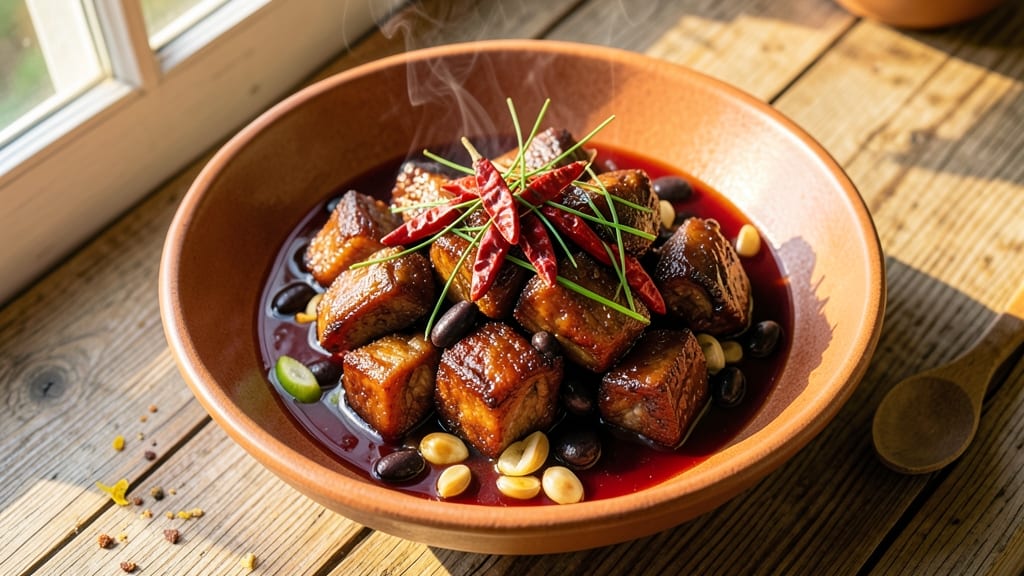
This Chinese chilli pork recipe transforms humble ingredients into a restaurant-worthy dish with just 30 minutes of active time and layers of aromatic complexity. The secret lies in balancing five-spice warmth with sticky vinegar magic—creating a sauce that clings to tender pork while delivering that signature Sichuan peppercorn tingle.
I first discovered this technique while decoding my grandmother's handwritten notes, where she'd scribbled "double-boil the sauce" in the margin—something I initially overlooked until I tasted the difference.
What sets this dish apart is the marriage of textures: crispy edges on the pork from high-heat stir-frying, followed by a velvety sauce that's both sweet and fiery. The marinade—garlic, ginger, and fermented black beans—builds deep umami before the chilli kick takes over, while the vinegar cut keeps everything balanced.
This isn't your average chilli pork; it's a dish that carries the soul of a Hong Kong street stall into your home kitchen.
By the time you serve it over steamed jasmine rice with quick-pickled vegetables on the side, you'll understand why this recipe earns its place as a weeknight standout. The aroma alone transforms any meal into something special, and the leftovers? Even better the next day as flavors meld further.
Trust me on this—once you try this version, store-bought chilli sauces will never taste the same.
The beauty of this recipe is its versatility—equally at home as a quick weeknight dinner or an impressive takeout replacement.
I've tested it countless times (including that infamous smoke-alarm incident with burnt rice), and each variation brings something new: adding a splash of soy sauce for depth, swapping in ground pork for convenience, or finishing with fresh cilantro for brightness. The technique remains the same, but the possibilities are endless.
For those new to Chinese cooking, don't let terms like "wok hei" intimidate you—this recipe breaks down the essentials without requiring specialized equipment. A cast-iron skillet works perfectly, and the double-boiling method for the sauce is simpler than it sounds.
What matters most is achieving that perfect harmony of heat, sweetness, and umami that makes this dish irresistible. Let's get cooking!
Ingredients for chilli pork recipe chinese
Fifteen ingredients that unlock the soul of Hong Kong street stalls in your kitchen.
| Ingredient | Amount | Notes |
|---|---|---|
| Pork Shoulder 🥩 | 1 ½ lb | Cut into 1-inch cubes, boneless preferred |
| Garlic Cloves 🧄 | 6 cloves | Minced, fresh preferred |
| Fresh Ginger 🌿 | 2 tbsp | Grated, peeled, about 1-inch piece |
| Fermented Black Beans 🫘 | ½ cup | Rinsed, chopped, from Asian market |
| Chinese Five-Spice Powder 🌶️ | 1 ½ tbsp | Authentic blend, not substitute |
| Dried Red Chilies 🌶️ | 4 whole | Stemmed, not powdered |
| Sichuan Peppercorns 🌶️ | 1 tsp | Toasted, lightly crushed |
| Light Soy Sauce 🥄 | 2 tbsp | Kikkoman preferred |
| Dark Soy Sauce 🥄 | 1 tbsp | For color depth |
| Black Vinegar 🍶 | 2 tbsp | Chinkiang preferred, aged |
| Rock Sugar 🍬 | 1 tbsp | Or granulated sugar |
| Cornstarch 🌾 | 1 tbsp | For sauce thickening |
| Neutral Oil 🫒 | 2 tbsp | Peanut or vegetable oil |
| Fresh Cilantro 🌿 | ¼ cup | Chopped, for garnish |
| Jasmine Rice 🍚 | 1 ½ cups | Uncooked, for serving |
The pork shoulder is non-negotiable—it stays tender through the stir-fry while developing deep flavor. Grab the thick-cut variety from Asian markets or your grocery store's meat counter, where they'll often cube it for you. Fresh garlic and ginger are essential—peeled, grated ginger adds layers of warmth that dried powder can't match. Fermented black beans? Don't skip them. H Mart or 99 Ranch sell them pre-packaged, or hunt for the canned version at Trader Joe's. These beans bring that funky umami that makes this dish sing. For the five-spice powder, Penzeys carries an authentic blend, but the small red packets at Asian grocery stores work too—just check the ingredients list for fillers.
No Sichuan peppercorns? Substitute with a pinch of black pepper plus a dash of cayenne, but you'll lose that signature tingle. Running low on black vinegar? Balsamic vinegar at half the amount gives a similar tang, though it won't have the same depth. The rock sugar can be swapped for brown sugar, but it won't caramelize as beautifully. For the chilies, dried arbol or guajillo work in a pinch—just toast them first. The cilantro is optional but adds that fresh finish. Skip it if you hate the taste, but I always grab extra because half gets torn over the top while the other half goes into the sauce. Pro tip: toast your five-spice powder in a dry pan for 30 seconds before using—it intensifies the aroma instantly.
Pork cubes keep 3 days in the fridge, but cook within 2 days for best texture. The five-spice powder stays potent for 6 months in a sealed jar, while Sichuan peppercorns last 1 year if stored in a cool, dark place. Black vinegar? It lasts forever—once opened, it just gets better with age. For leftovers, store in an airtight container with a splash of water to keep the pork moist. This reheats beautifully—microwave 2 minutes or warm in a skillet with a splash of water. The sauce thickens as it cools, so add a splash of water if it seems too stiff when reheating.
Why You'll Love This Recipe
- One-Pan Magic: I swear by this—just toss everything in one wok, and the pork shoulder practically cooks itself while the black beans and five-spice powder work their flavor magic. No fancy techniques, no stress.
- Umami Bomb: That fermented black bean paste? It’s the secret weapon—salty, funky, and deep all at once. Pair it with the garlic and ginger, and suddenly you’ve got a dish that tastes like it simmered for hours (even if it didn’t).
- Leftovers That Don’t Suck: Between us, most stir-fries turn into sad, dry meals the next day. Not this one. The pork stays tender, and the sauce clings to every bite—perfect for quick lunches or tossing into rice bowls all week.
- Budget Meal for Crowds: Pork shoulder is cheap, and this recipe stretches it far without sacrificing flavor. Honestly, I’ve fed six people for under $15 with this, and no one ever complains about leftovers. (Yes, even my picky teenager.)
Step-by-step instructions for Chinese chilli pork with five-spice glow
Here's how to transform humble pork shoulder into restaurant-worthy chilli pork with layers of aromatic complexity.
Prepare the Pork and Aromatics
Cut the 1.5 lb pork shoulder into 1-inch cubes, removing any large fat deposits but leaving some marbling for flavor. In a small bowl, combine the 6 cloves minced garlic, 2 tbsp grated fresh ginger, 1.5 tbsp Chinese five-spice powder, 1 tsp toasted and lightly crushed Sichuan peppercorns, and 1 tbsp rock sugar. Mix thoroughly until the spices coat the aromatics evenly.
Spread the pork cubes on a plate and rub this spice mixture all over, pressing gently to ensure each piece is well-coated. Let the pork marinate at room temperature for 15 minutes while you prepare the remaining ingredients. This step develops the five-spice aroma and ensures the pork absorbs maximum flavor before cooking.
Build the Flavor Base
Heat the 2 tbsp neutral oil in a large wok or deep skillet over medium-high heat until shimmering. Add the marinated pork in a single layer and let it sear undisturbed for 3-4 minutes until the edges turn golden brown. Stir occasionally to prevent burning, but don't rush this step—good browning creates depth of flavor.
Once the pork is well-seared, remove it from the wok and set aside. In the same wok, add the 4 whole stemmed dried red chilies and stir for 30 seconds until fragrant. Add the 0.5 cup rinsed and chopped fermented black beans and cook for another 1 minute until they darken slightly. This step builds the foundational umami and spicy notes that define the dish.
Develop the Sauce
Pour in the 2 tbsp light soy sauce, 1 tbsp dark soy sauce, and 2 tbsp black vinegar, scraping up any browned bits from the bottom of the wok with a wooden spoon. Return the pork to the wok and bring everything to a gentle simmer. Cover and cook for 15 minutes on medium-low heat, stirring occasionally, until the pork is 80% tender and the sauce begins to thicken.
Here's the thing—this simmering time is crucial. You want the pork to develop tenderness without falling apart, while the sauce reduces to a glossy, sticky consistency. If the sauce reduces too quickly, add 1-2 tablespoons of water to maintain the right balance.
Thicken and Finish
In a small bowl, whisk together the 1 tbsp cornstarch with 2 tablespoons of water until smooth. Pour this slurry into the wok and stir constantly for 1-2 minutes until the sauce thickens to a glossy, coatable consistency. The sauce should cling to the pork and have a slight sheen—this is what gives the dish its signature sticky texture.
Taste and adjust seasoning if needed. You might need a touch more light soy sauce for saltiness or a splash of black vinegar for tang. Remove from heat and let the pork rest for 5 minutes before serving. This resting period allows the juices to redistribute, ensuring each bite is moist and flavorful.
Serve with Jasmine Rice
Cook the 1.5 cups jasmine rice according to package instructions until tender and fluffy. To serve, spoon the chilli pork over the rice, garnishing each portion with 0.25 cup chopped fresh cilantro. The contrast of the fragrant rice with the deep, complex flavors of the chilli pork makes this dish truly special.
For the best experience, serve immediately while the pork is still warm and the sauce maintains its glossy sheen. The five-spice aroma will fill your kitchen, and each bite will deliver a perfect balance of sweet, spicy, umami, and tangy flavors. This dish is a celebration of Chinese comfort food at its finest.
Pro Tips For Making Chilli Pork Recipe Chinese
- Sear the Pork Shoulder First: Don’t skip browning—get that pork shoulder sizzling in a hot wok or pan until it’s deep golden, not just pink. I used to rush this, and the dish never had that rich, caramelized depth. Two minutes per side, high heat, and resist the urge to move it around too much.
- Blanch Fermented Black Beans: Soak the fermented black beans in hot water for 10 minutes before adding them to the stir-fry. This softens them and removes some of the funky bitterness that can overpower the dish if you toss them in raw. Drain and rinse quickly—don’t let them sit in water or they’ll turn mushy.
- Control the Five-Spice Heat: Add Chinese five-spice powder after the pork is mostly cooked, not at the start. If you toss it in too early, the heat can turn bitter and overpower the garlic and ginger. A pinch (about ½ teaspoon) is enough—this spice is potent, and you can always add more later.
- Use Cold Pork for Clean Slices: Let the cooked pork shoulder rest for 5-10 minutes before slicing—yes, even if you’re impatient. Cold pork pulls apart cleaner, giving you those perfect, restaurant-style strips. If you slice it hot, you’ll end up with ragged pieces and lost juices.
Perfect pairings for chilli pork recipe chinese
Rice Pairings
Steamed jasmine rice is the classic companion to this dish, soaking up the sticky sauce like a sponge. Cook 1.5 cups of rice while the pork simmers, and serve it fluffy and fragrant.
For extra authenticity, try Chinese short-grain rice—it's stickier and holds up better to the bold flavors. 🍚
Looking for variety? Black rice adds a dramatic visual contrast with its deep purple hue, while brown rice offers a nuttier, heartier bite. Both work beautifully if you're watching your carb intake. Just remember: the rice should be fully cooked and slightly warm when serving to balance the pork's heat.
Quick-Pickled Veggies
My grandmother always served this dish with quick-pickled cucumbers—they cut through the richness with their bright acidity. Toss 1 cup thinly sliced cucumbers with 2 tbsp rice vinegar, 1 tsp sugar, and a pinch of salt.
Let them sit for 30 minutes before serving. The crunch and tang make every bite more vibrant. 🥒
For extra crunch, add carrot matchsticks or red onion slices to the pickle mix. If you're short on time, store-bought pickled vegetables from the Asian aisle work in a pinch. Just drain them well before serving so they don't make the rice soggy.
Dumpling Sides
Add steamed or pan-fried dumplings to turn this into a full meal. I love pork and chive dumplings or shrimp dumplings—their delicate texture contrasts perfectly with the bold pork.
Buy frozen dumplings from Trader Joe's or your local Asian market and steam them for 8-10 minutes while the pork finishes cooking. 🥟
For a homemade touch, try potstickers with a crispy bottom. Serve them with the chilli pork and rice for a satisfying, handheld option. The dumplings soak up the extra sauce, making them even more flavorful.
Drink Pairings
A light beer like Tsingtao or Asahi cleanses the palate between bites, while a green tea (like jasmine or dragon well) complements the dish's aromatic complexity. For something stronger, a dry Riesling brings bright acidity that stands up to the spice. 🍷
If you prefer non-alcoholic options, lychee juice or mango nectar adds a sweet contrast. For a warming drink, ginger tea with a slice of lemon enhances the dish's spicy notes. Always serve drinks slightly chilled to balance the heat.
Nutrition facts
Frequently asked questions
Can I use ground pork instead of cubed pork shoulder?
Yes, but expect different textures! Ground pork cooks faster and won't develop the same tender bite as cubed pork. For best results, use 80% lean ground pork and cook it just until heated through (3-4 minutes) to avoid drying out. The sauce will still cling beautifully, but the dish will have a more uniform, meaty texture rather than distinct pork cubes.
How do I adjust the spice level for kids or sensitive eaters?
Remove the dried red chilies and reduce the Sichuan peppercorns to ½ tsp for a milder version. For extra safety, set aside some sauce before adding chilies, then mix it back in later if needed. The five-spice powder and fermented black beans still provide depth without heat, so the dish remains flavorful. Always taste as you go!
What's the deal with Sichuan peppercorns—can I skip them?
You can substitute, but you'll lose that signature "tingly" sensation! For a similar effect, mix ½ tsp black pepper with ¼ tsp cayenne. Without them, the dish becomes more traditional chilli pork but lacks the complex, numbing-spicy balance that makes Sichuan-style dishes special. If you're curious, try toasting the peppercorns in a dry pan for 30 seconds before crushing—the aroma alone makes it worth it.
Can I make this in a slow cooker instead of stir-frying?
Brown the pork first in a skillet, then transfer everything to the slow cooker with ¼ cup water. Cook on low for 4-5 hours or high for 2-3 hours. Finish by thickening the sauce on the stove with cornstarch slurry. The pork will be extra tender, and the sauce will develop even deeper flavors. Just add a splash of water if it gets too dry during cooking.
Why does my sauce turn out too thin or too thick?
Sauce consistency depends on timing and cornstarch. For a thinner sauce, add 1-2 tbsp water during simmering. For thicker sauce, increase cornstarch to 2 tbsp or simmer uncovered for 5 extra minutes to reduce. Pro tip: If the sauce separates, whisk in 1 tsp water to blend it back together. The ideal texture should coat the back of a spoon but still be pourable.