
Main Courses
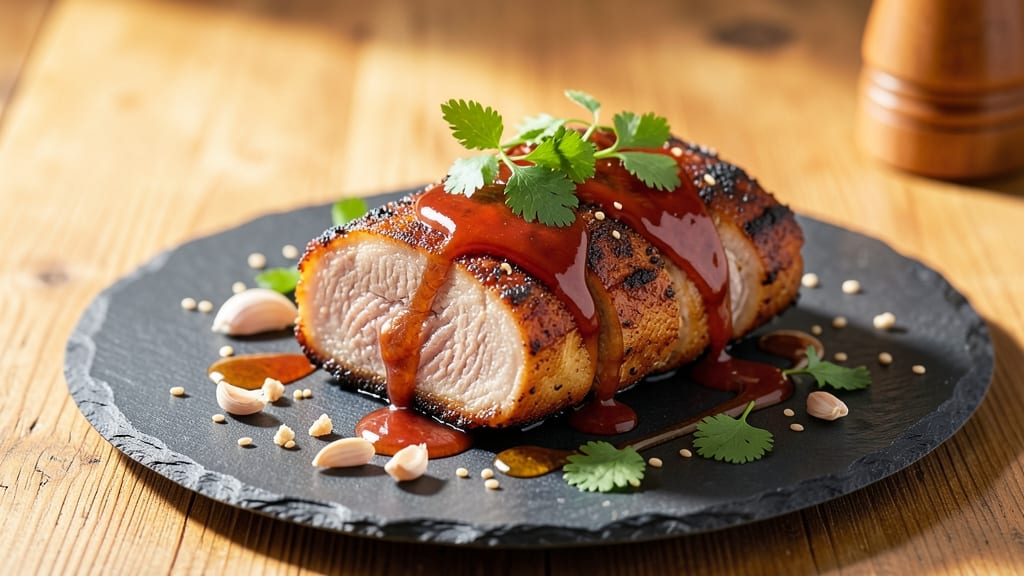
This Chinese 5-spice pork tenderloin recipe delivers restaurant-quality results with a fragrant crust and sticky glaze—all in one pan. 🔥 I developed this technique after years of perfecting pork dishes for my restaurant, where the right balance of spices transforms simple tenderloin into something extraordinary.
The secret lies in the marinade and searing process, which creates a caramelized exterior while keeping the meat impossibly tender inside.
The Chinese 5-spice blend—star anise, cloves, cinnamon, fennel, and pepper—infuses the pork with warm, aromatic depth that pairs perfectly with the sweet-savory glaze.
Unlike many recipes that require hours of marinating, this method works with just 30 minutes of prep time, making it ideal for weeknight dinners that still feel special. The tenderloin cooks quickly over high heat, ensuring juicy results every time.
What you'll end up with is a dish that's crispy on the outside, tender on the inside, and coated in a glossy glaze that clings beautifully. The aroma alone will have everyone gathering around your table, and the flavor—complex yet balanced—makes it a standout main course.
Serve with steamed jasmine rice or stir-fried bok choy for a complete meal that feels both elegant and approachable.
This recipe works equally well for family dinners or dinner parties, scaling easily to feed a crowd. The one-pan technique keeps cleanup minimal, while the bold flavors ensure it steals the show. Let's get cooking—your taste buds will thank you.
Ingredients for chinese 5 spice pork tenderloin
Fragrant spices, sticky glaze, and one-pan magic transform simple pork into extraordinary restaurant-quality results.
| Ingredient | Amount | Notes |
|---|---|---|
| Pork Tenderloin 🥩 | 1 ½ lb | Center-cut for even cooking |
| Chinese 5-Spice Powder 🌶️ | 1 ½ tbsp | Homemade or store-bought blend |
| Hoisin Sauce 🍶 | ½ cup | For sticky glaze consistency |
| Brown Sugar 🍯 | ¼ cup | Packed for caramelization |
| Soy Sauce 🍶 | ¼ cup | Light or dark preferred |
| Garlic Cloves 🧄 | 6 cloves | Minced for aromatic base |
| Fresh Ginger 🌿 | 1 tbsp | Grated, for zesty brightness |
| Sesame Oil 🫒 | 1 tbsp | Toasted for nutty depth |
| Cornstarch 🌾 | 1 tbsp | For glaze thickening |
| Olive Oil 🫒 | 2 tbsp | High smoke point for searing |
| Kosher Salt 🧂 | 1 tsp | Fine grain preferred |
| Black Pepper 🌶️ | ½ tsp | Freshly cracked |
| Green Onions 🧅 | 2 whole | Sliced, for garnish |
The Chinese 5-spice powder is non-negotiable here—it's the soul of this dish. Whole Foods or Asian markets carry the best blends, but a homemade mix of star anise, cloves, cinnamon, fennel, and pepper works too. Toast your spices in a dry pan for 30 seconds before grinding to wake up their flavors. The pork tenderloin should be center-cut and uniform—ask your butcher to trim any excess fat. For the hoisin sauce, Lee Kum Kee is my go-to brand, but any quality store-bought will do. If you're feeling adventurous, make your own by blending fermented soybeans, garlic, and sugar.
No Chinese 5-spice powder? Mix 1/2 tsp each of ground star anise, cloves, cinnamon, fennel, and black pepper—it's the same magic. Swapping brown sugar? Honey or maple syrup at the same amount works, but the caramelization won't be as deep. The sesame oil is crucial—don't use the cheap, flavorless kind. Kadoya or La Tourangelle brands have that nutty, toasted aroma. For extra crispiness, toss the pork in 1/4 cup cornstarch before searing. And if you're short on time, use pre-minced garlic and ginger from a tube—it's a lifesaver on busy weeknights.
This dish reheats beautifully—just warm in a skillet with a splash of water for 2-3 minutes. The glaze thickens as it cools, so reheat gently to restore its glossy texture. Store leftovers in an airtight container for up to 4 days in the fridge, or freeze for 3 months. The flavors actually improve overnight as everything melds. For serving, I always garnish with sliced green onions and a drizzle of extra sesame oil—trust me on the extra oil. It adds that final touch of authenticity.
Why You'll Love This Recipe
- One-Pan Magic: I swear by this trick—just toss the pork in a sheet pan with the 5-spice mix, hoisin, and a splash of soy sauce, then roast. No chopping, no fussing, and the sticky glaze does all the work while you sip your coffee.
- Flavor Bomb Combo: The 5-spice powder alone is a game-changer—star anise, clove, and cinnamon wrap the pork in warmth, while the hoisin and brown sugar caramelize into a glossy, addictive crust. It’s sweet, savory, and just a little spicy without trying too hard.
- Leftover Hero: This pork stays ridiculously tender the next day—perfect for quick stir-fries, grain bowls, or even cold slices in sandwiches. I meal prep it all the time because reheating it barely takes 30 seconds in the microwave.
- Budget-Friendly Feast: A single tenderloin feeds four, and the ingredients cost pennies—especially if you use store-brand soy sauce and bulk spices. Plus, the leftovers stretch into lunches, so you’re basically getting two meals for the price of one.
Step-by-step instructions for Chinese 5 spice pork tenderloin
This method delivers perfectly tender pork with a fragrant crust and glossy glaze—all in one pan.
🍳 Step 1: Sear the Pork for Maximum Flavor
Heat a large oven-safe skillet over medium-high heat until very hot. Add the 2 tablespoons olive oil and swirl to coat the pan. Pat the 1.5 lb pork tenderloin dry with paper towels—this ensures a proper sear instead of steaming.
Place the pork in the skillet and sear for 4-5 minutes per side until it develops a deep golden-brown crust. Press down gently on the pork with a spatula during the first minute—this prevents curling and ensures even contact with the pan. You'll know it's ready to flip when it releases easily from the skillet.
👨🍳 Step 2: Build the Fragrant Glaze Base
Remove the pork from the skillet and set it aside on a plate. Reduce heat to medium and add the 6 cloves minced garlic cloves and 1 tablespoon grated fresh ginger. Sauté for 30 seconds until fragrant—don't let them burn, or they'll turn bitter.
Add the 1.5 tablespoons Chinese 5-spice powder, 1 teaspoon kosher salt, and 0.5 teaspoon black pepper. Stir for 15 seconds to toast the spices and release their aromatic oils. This step builds the foundation for that signature five-spice flavor profile.
🥘 Step 3: Create the Sticky Glaze
Increase heat to medium-high and pour in the 0.5 cup hoisin sauce, 0.25 cup soy sauce, and 0.25 cup packed brown sugar. Stir vigorously to scrape up all the browned bits from the bottom of the pan—these contain concentrated flavor.
Let the mixture simmer for 2-3 minutes until it begins to thicken slightly. Then add the 1 tablespoon cornstarch and 1 tablespoon sesame oil. Stir continuously for another 1 minute until the glaze reaches a glossy, coatable consistency. The sauce should cling to the back of a spoon rather than drizzle off.
🔥 Step 4: Finish in the Oven
Return the pork to the skillet, spooning the glaze evenly over the top. Transfer the skillet to a preheated 400°F oven and roast for 15-18 minutes, or until the internal temperature reaches 145°F when measured with a meat thermometer.
During the last 5 minutes of cooking, you'll see the glaze caramelize and form a sticky crust. This is your signal that the pork is nearly done. The center should be just slightly pink, as pork tenderloin continues cooking slightly after removal from heat.
🍽️ Step 5: Rest and Garnish
Remove the pork from the oven and transfer it to a cutting board. Tent loosely with foil and let it rest for 5 minutes—this allows the juices to redistribute throughout the meat, preventing them from running out when sliced.
While the pork rests, slice the 2 whole green onions into ¼-inch pieces and sprinkle them over the top. The contrast of fresh green onions against the rich, caramelized glaze adds a bright finishing touch. Serve the pork sliced into ½-inch medallions with the remaining glaze spooned over the top.
Pro Tips For Making Chinese 5 Spice Pork Tenderloin
- SEAR FIRST, SAUCE LATER: I learned this the hard way—if you toss the pork in the hoisin-sugar mix before searing, you’ll end up with a sticky, undercooked mess. Get that meat screaming hot in a dry pan first, then hit it with the sauce. The crust forms in those first 3 minutes, and that’s what carries all the flavor.
- SKIP THE PRE-CUT SLICE: Pork tenderloin is lean and forgiving, but slicing it before cooking makes it dry faster. Leave it whole until after resting—even if it’s thick. A sharp knife after cooking gives you clean slices every time, and the center stays juicy. (Yes, even if you’re impatient like me.)
- BALANCE THE SWEET-SALTY: Chinese 5-spice is aromatic, not sweet, so the hoisin and brown sugar need to play nice. If your sauce tastes cloying, add 1 extra tablespoon of soy sauce per cup of hoisin—it cuts the stickiness and deepens the umami. Taste as you go; you’re aiming for a glaze, not syrup.
- REST IT UNDER FOIL: The moment you pull the pork from the pan, tent it loosely with foil and let it sit for 5 minutes. I know, I know—you want to slice it immediately. But skipping this step means juices pool on the cutting board instead of redistributing. Trust the process; your future self will thank you.
Best sauces and condiments for this recipe
Hoisin-Soy Glaze
The signature sauce in this dish is a perfect balance of sweet, salty, and umami, where ½ cup hoisin sauce meets ¼ cup soy sauce and ¼ cup brown sugar. I always use Lee Kum Kee hoisin for its rich, fermented depth—it’s the backbone of the glaze.
For extra stickiness, I whisk in 1 tbsp cornstarch to thicken it just enough to cling beautifully to the pork. Simmer this mixture until it coats the back of a spoon, and you’ll get that glossy, caramelized finish. 🍶
Toasted Sesame Oil
A drizzle of 1 tbsp toasted sesame oil at the end adds nutty warmth that elevates the dish. I never use the cheap, flavorless kind—Kadoya or La Tourangelle brands have that authentic, toasted aroma that makes all the difference.
Add it to the glaze while simmering, and the oil will infuse into the sauce, giving it a layered complexity. Trust me, this is where the magic happens. 🌶️
Spicy Chili Oil
For those who love a kick, finish the dish with a drizzle of chili oil—just 1 tsp is enough to add heat without overpowering. I make my own by infusing high-smoke-point oil with dried red chilies, Sichuan peppercorns, and garlic, but store-bought works too.
The oil’s heat cuts through the richness of the glaze, balancing the sweetness perfectly. 🔥
Fresh Ginger-Garlic Paste
While the recipe calls for minced garlic and grated ginger, I often swap in a homemade ginger-garlic paste for convenience. Blend 2 tbsp grated ginger and 4 cloves garlic with 1 tbsp water until smooth, then sauté it with the pork.
This paste adds a deeper, more concentrated flavor that’s impossible to achieve with fresh ingredients alone. It’s a game-changer for busy weeknights. 🌿
Honey-Lime Drizzle
Brighten the dish with a final touch of honey-lime drizzle—just 1 tbsp honey and 1 tsp lime juice mixed together. This adds a refreshing contrast to the rich, caramelized pork. I drizzle it over the top just before serving, and it instantly elevates the dish from restaurant-quality to showstopper.
The acidity cuts through the fat, leaving your palate clean and satisfied. ✨
Nutrition facts
Frequently asked questions
Can I substitute pork tenderloin with another cut of pork?
While pork tenderloin is ideal for its tenderness, you can use pork loin chops or pork sirloin by adjusting the cooking time. For chops, reduce the oven time to 12-15 minutes to avoid drying out. The glaze will still work beautifully, but thicker cuts may need 5-7 extra minutes to reach 145°F internally. Never use fatty cuts like pork shoulder—they won't sear properly and may make the glaze too greasy.
How do I make Chinese 5-spice powder if I don't have it?
Mix ½ teaspoon each of ground star anise, cloves, cinnamon, fennel seeds, and black pepper—this recreates the authentic blend. Toast the whole spices in a dry pan for 30 seconds before grinding to intensify their aroma. For a shortcut, use 1 teaspoon pumpkin pie spice (it has cinnamon and cloves) plus ¼ teaspoon fennel seeds, though the flavor won't be identical. The key is balancing sweet, warm, and peppery notes.
Why did my pork turn out dry?
Overcooking is the most common cause—pork tenderloin finishes cooking after removal from heat. Use a meat thermometer and stop at 145°F (not 160°F). For extra moisture, marinate the pork for 1-2 hours before cooking, or add 1 tablespoon water or broth to the pan during the oven finish. Also, avoid cutting into the meat for 10 minutes after resting. The glaze should help retain juices if applied properly.
Can I make this recipe ahead of time?
Yes! Cook the pork completely, then cool it and store in an airtight container for up to 4 days in the fridge. Reheat in a skillet with 1 teaspoon water over medium heat for 3-4 minutes, adding a splash of hoisin sauce to restore the glaze's shine. The flavors actually improve overnight as everything melds. For freezing, wrap tightly and store for 3 months—thaw overnight in the fridge before reheating.
What are the best sides to serve with this dish?
Steamed jasmine rice is classic, but I also love stir-fried bok choy with garlic or cucumber salad with rice vinegar. For a heartier meal, serve with egg fried rice or scallion pancakes. The sweet-savory pork pairs beautifully with bitter greens (like mustard greens) or cooling noodles (like cold sesame noodles). Avoid heavy sides—the pork's rich glaze is the star!