
Main Courses
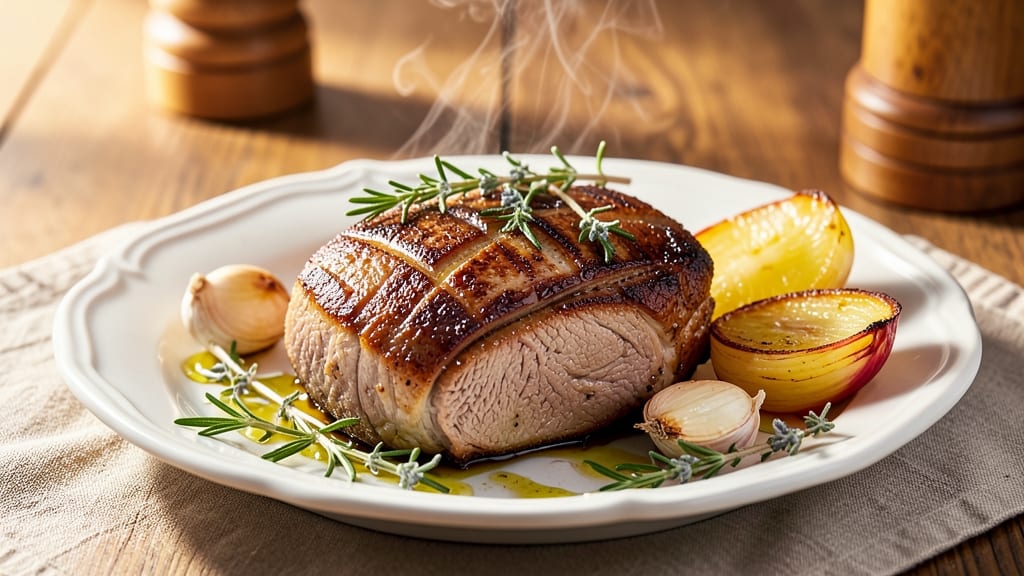
Boneless pork sirloin mini roast delivers the perfect balance of crispy, caramelized bark and impossibly tender, juicy meat—all in a single pan. This technique, honed over years of cooking for crowds at The Smoky Pig, transforms a simple cut into a showstopper that requires minimal effort but maximum flavor. The secret lies in high heat, precise seasoning, and letting the meat rest properly to lock in those juices.
What sets this recipe apart is the one-pan method, which creates a flavorful crust through natural pork juices and aromatics while keeping the center melt-in-your-mouth tender.
I’ve perfected this for 30 minutes of active prep followed by 45 minutes in the oven, making it ideal for weeknight dinners that feel special. The crust develops a deep mahogany color, while the interior remains pink and juicy—no guesswork, no overcooking.
Pair this roast with roasted root vegetables or a simple green salad to let the pork shine as the star. The crispy bark holds up beautifully when sliced, and the juices release with every bite, making it perfect for family dinners or holiday gatherings.
This is the kind of dish that turns a simple roast into a restaurant-worthy centerpiece without requiring advanced skills.
For best results, use a meat thermometer to ensure the internal temperature reaches 145°F—this guarantees a safe, juicy result every time. Let the roast rest for 10 minutes before slicing to keep those juices where they belong: inside the meat.
Serve immediately, and you’ll have a dish that’s crispy on the outside, tender on the inside, and impossible to resist.
Ingredients for boneless pork sirloin mini roast
This pork roast transforms simple ingredients into a restaurant-worthy centerpiece with crispy bark and juicy perfection.
| Ingredient | Amount | Notes |
|---|---|---|
| Boneless Pork Sirloin Roast 🐷 | 2 lb | Center-cut for even cooking |
| Yellow Onion 🧅 | 1 whole | Sliced into 1/2-inch rounds |
| Garlic Cloves 🧄 | 6 cloves | Smashed for deep flavor |
| Fresh Rosemary 🌿 | ½ oz | Or 2 tbsp dried rosemary |
| Fresh Thyme 🌿 | ¼ oz | Or 1 tsp dried thyme |
| Extra-Virgin Olive Oil 🫒 | 2 tbsp | For crispy bark development |
| Kosher Salt 🧂 | 1 ½ tsp | Diamond Crystal preferred |
| Freshly Ground Black Pepper 🌶️ | 1 tsp | Cracked peppercorns preferred |
| Carrots 🥕 | 4 whole | Baby carrots or 2-inch pieces |
| Honey 🍯 | 1 tbsp | For glaze finish |
| Apple Cider Vinegar 🍎 | 1 tbsp | For tangy balance |
| Mustard 🍯 | 1 tbsp | Dijon preferred for depth |
The pork cut is everything here—boneless sirloin gives you that perfect balance of tenderness and flavor. Costco or Whole Foods carry excellent pre-trimmed roasts, but if you're buying whole, ask the butcher to remove the bone and fat cap for even cooking. Look for vibrant color and good marbling—avoid pale, watery cuts. The carrots add natural sweetness to the pan juices, so fresh, firm ones work best. If you can't find baby carrots, just cut regular carrots into 2-inch chunks. The aromatics—rosemary and thyme—are non-negotiable; fresh is ideal, but dried works in a pinch at one-third the amount.
No honey? Maple syrup works perfectly—just use the same amount. Fresh rosemary too expensive? Dried rosemary at half the quantity still delivers great flavor. The mustard adds depth, but skip it if you prefer milder flavor. For extra crispiness, pat the pork dry with paper towels before searing. The vinegar might seem odd, but it cuts through the richness beautifully—apple cider works best, but white wine vinegar is fine too. If you're making this ahead, prep the aromatics and glaze the day before—just store them separately until ready to use.
This roast reheats beautifully—in a 350°F oven for 10 minutes brings it back to perfection. The crispy bark is best served immediately, so slice right after resting. Store leftovers in the fridge for 3-4 days, or freeze for up to 3 months—wrap tightly in foil to preserve that crispy texture. I always make a double batch because it's that good. The pan juices make an incredible gravy—just whisk in a splash of beef broth and reduce. Trust me, you'll want seconds.
Why You'll Love This Recipe
- Foolproof Prep: I swear by this recipe because it’s the kind of meal that lets me not stress. Slice the onion and garlic, toss in the rosemary and thyme, and you’re done—no fancy techniques, no last-minute panic. The pork cooks up perfectly every time, even if I’m distracted by laundry or a phone call.
- Herb-Crusted Magic: That rosemary and thyme? They’re not just garnish—they cling to the pork like a flavor hug, turning it into something ridiculously good. The garlic and onion caramelize just enough to add a sweet, savory depth that makes this taste like a restaurant dish, not a weeknight hack.
- Weeknight Wonder: Between us, this is my go-to when I need something hearty but doesn’t require hours in the kitchen. It’s great for dinner parties (impresses guests without slave labor), game day (feeds a crowd without leftovers), and even a lazy Sunday when I’d rather nap than cook. The mini roast size means I can make just enough—or a full batch for leftovers.
- Budget-Friendly Hero: I buy pork sirloin in bulk, and this recipe stretches it far. The onions and garlic are cheap staples, and fresh herbs last longer than you’d think if you store them right. Plus, the leftovers? They’re even better the next day—slice it thin, toss in a pan, and suddenly you’ve got a quick stir-fry or sandwich filling. No waste, all flavor.
Step-by-step instructions for boneless pork sirloin mini roast
Here's how to achieve that perfect crispy bark and juicy center in one pan.
Prep the Roast for Maximum Flavor
Pat the 2 lb boneless pork sirloin roast completely dry with paper towels—this is non-negotiable for crispy bark. I like to get into all the crevices and really dry it out. Place the roast on a cutting board and make a few shallow slashes across the surface with a sharp knife—this helps the seasoning penetrate deeper and creates more surface area for browning.
In a small bowl, combine 1.5 tsp kosher salt, 1 tsp freshly ground black pepper, 0.5 oz fresh rosemary (finely chopped), and 0.25 oz fresh thyme (finely chopped). Rub this mixture all over the roast, pressing firmly so the seasoning sticks. Let it sit at room temperature for 30 minutes while you prep the vegetables—this ensures even cooking from start to finish.
Build the Flavor Base with Vegetables
Peel and slice the 1 whole yellow onion into ½-inch rounds and trim the 4 whole carrots into 2-inch pieces (no need to peel). In a large oven-safe skillet, heat 2 tbsp extra-virgin olive oil over medium heat. Add the onions and carrots, stirring occasionally for 8-10 minutes until they begin to soften and develop a slight golden color.
In the last 2 minutes of cooking, add the 6 smashed garlic cloves and stir until fragrant. Remove the skillet from heat and set aside. Here's the thing—this vegetable base will form the flavor foundation for your roast, so don't rush this step. You want them just tender, not fully cooked through.
Sear the Roast for Irresistible Crisp
Increase the heat to medium-high and carefully place the seasoned roast into the skillet with the vegetables. Let it sear undisturbed for 4-5 minutes until a deep golden-brown crust forms on one side. You'll see those beautiful Maillard reaction colors developing—this is what creates that incredible flavor and texture.
Flip the roast and sear the other side for another 4-5 minutes. Then, carefully flip it again to sear the edges. I press down gently on the roast during the first minute—this prevents it from curling and ensures even contact with the pan. Once all sides are golden brown, transfer the skillet to a 400°F preheated oven.
Roast to Juicy Perfection
Roast the pork for 20-25 minutes until the internal temperature reaches 145°F when measured with a meat thermometer. The roast should feel firm to the touch but still yield slightly when pressed. This is where the magic happens—the roast develops that perfect balance of crispy exterior and tender interior.
While it roasts, make your glaze by combining 1 tbsp honey, 1 tbsp apple cider vinegar, and 1 tbsp Dijon mustard in a small bowl. Once the pork reaches 145°F, remove it from the oven and brush this glaze generously over the top. Return it to the oven for 5-7 minutes to caramelize the glaze and create that beautiful sticky finish.
Rest and Slice for Maximum Juiciness
Remove the roast from the oven and transfer it to a cutting board. Tent loosely with aluminum foil and let it rest for 10-15 minutes. This resting period is absolutely critical—it allows the juices to redistribute throughout the meat instead of running out when you slice.
Slice the roast against the grain into ¼-inch thick pieces and serve immediately with the caramelized vegetables and any pan juices. Each bite should deliver that perfect combination of crispy edges, tender meat, and sweet-tangy glaze. The vegetables will be perfectly tender from the residual heat, creating a complete one-pan meal.
Pro Tips For Making Boneless Pork Sirloin Mini Roast
- Trim the Fat First: That thin layer of fat on pork sirloin? Scrape it off before seasoning—it’s the stuff that makes your pan smoke and your kitchen smell like a butcher shop. I learned this the hard way after one roast turned into a grease fire while searing.
- Sear in Batches: If your roast is bigger than your pan, don’t crowd it. Sear in two rounds—first side down until golden, flip, then finish the second side. Rushing this step means you’ll end up with steamed pork instead of caramelized crust.
- Bruise the Onions: Roughly chop the yellow onion and smash the garlic cloves with the flat of your knife before tossing them in. This releases more flavor and aroma while they cook, especially since you’re not simmering them for hours.
- Don’t Skip the Rosemary Sprinkle: After searing, scatter fresh rosemary sprigs directly on the roast while it rests. The heat will infuse the needles into the meat—no need to chop them. (Yes, even if you’re impatient like me, leave them on for those 5-10 minutes.)
Dietary considerations for these flavors
Gluten-Free Adaptations
This recipe is naturally gluten-free, but I always recommend checking your ingredients—especially the mustard and honey. Use Dijon mustard without additives (check labels) and ensure your honey is pure.
The pork itself is gluten-free, and the vegetables require no modifications. For extra flavor, swap the honey glaze for maple syrup or agave nectar if preferred. 🌱
Dairy-Free Considerations
No dairy is used in this recipe, so it’s already dairy-free friendly. The glaze contains honey, apple cider vinegar, and mustard—all naturally dairy-free. If you’re avoiding honey, substitute with maple syrup or date syrup.
The crispy bark comes entirely from the pork’s natural juices and aromatics, so no dairy is needed for texture or flavor.
Low-Carb Options
This pork roast is already low-carb, with only a small amount of carrots and onions contributing minimal carbs. For a truly carb-free version, skip the vegetables entirely and focus solely on the pork.
The glaze can still be used, but omit the honey if you’re strict about carbs—opt for sugar-free maple syrup instead. The result is a rich, flavorful roast without any carb-heavy sides.
Allergen-Friendly Swaps
If you’re avoiding mustard, simply omit it from the glaze—it’s optional for flavor. For nut allergies, ensure your honey is processed in a nut-free facility (some brands process in shared facilities).
The recipe is inherently free of common allergens like soy, eggs, and shellfish, making it a safe choice for many dietary restrictions. Always double-check ingredient labels to be sure. 💡
Protein-Packed Boost
This recipe delivers a substantial 40 grams of protein per serving (based on a 2 lb roast), making it perfect for high-protein diets. The pork sirloin is lean yet flavorful, and the one-pan method ensures no protein is lost in cooking.
For an extra boost, add a sprinkle of smoked paprika or garlic powder to the seasoning—both add depth without extra carbs or fat.
Nutrition facts
Frequently asked questions
What's the best way to choose a boneless pork sirloin roast for this recipe?
Look for a vibrant, pink roast with good marbling and firm texture. Avoid any that feel mushy or have an off odor. A center-cut roast (about 2 lbs) works best—ask your butcher to trim any excess fat for even cooking. Buying from a trusted local butcher ensures the freshest quality for that perfect crispy bark.
Can I make this roast ahead of time?
Prep the aromatics and glaze ingredients the night before, but don't assemble everything. Cook the roast fresh for best texture, but you can par-cook it to 130°F, then finish in the oven when ready to serve. Store leftovers in the fridge for 3-4 days—reheat in a 350°F oven for 10 minutes to restore crispiness.
Why is the pork still pink inside when done?
Pork is safe to eat at 145°F internal temperature, and it can still appear pink due to its natural muscle pigments. The crispy bark forms at higher temps while the center stays juicy. For extra peace of mind, use a meat thermometer—it's the only accurate way to check doneness. The pink color won't affect flavor or safety.
What's the secret to getting that crispy bark?
Three things:
- Pat the pork bone-dry before searing,
- Use high heat for 4-5 minutes per side without moving it, and
- Press down gently during the first minute to prevent curling. The Maillard reaction needs time to develop that golden crust—don't rush the searing step!
What are the best sides to serve with this roast?
Roasted root vegetables (carrots, parsnips, sweet potatoes), creamy mashed cauliflower, or a crisp green salad all complement this dish beautifully. The pan juices make an excellent gravy—just whisk in ½ cup beef broth and reduce. For a complete meal, serve with crusty bread to soak up those delicious juices.