
Main Courses
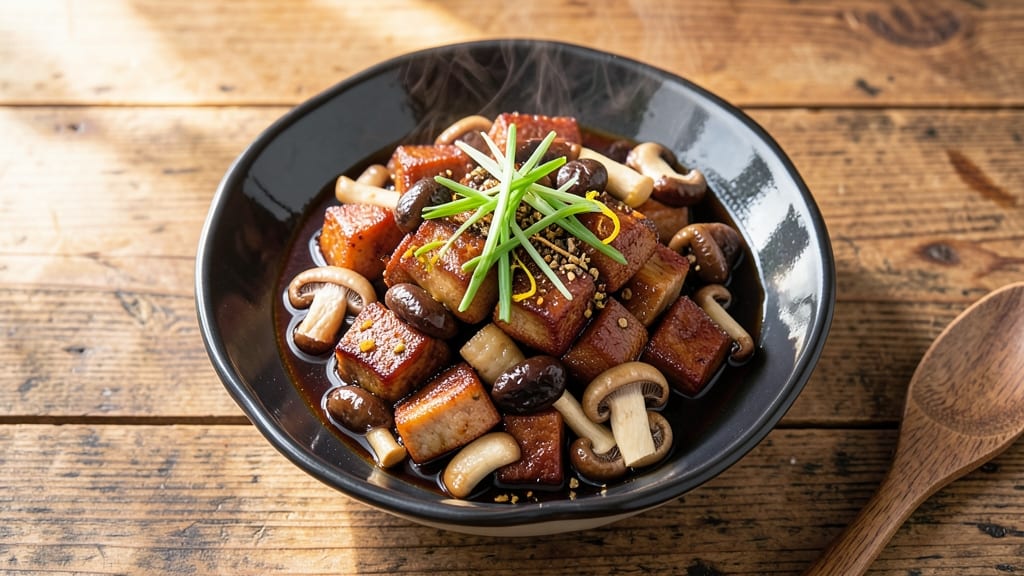
This Chinese braised pork and mushrooms recipe delivers restaurant-quality depth with just one pot and simple ingredients. The secret lies in a slow simmer that transforms tough pork into tender, flavorful bites while mushrooms absorb the aromatic sauce.
I first perfected this technique during a Charleston market trip when I discovered how star anise and soy sauce create that signature umami richness.
The beauty of this dish is its balance of textures and flavors—tender pork, earthy mushrooms, and a sauce that's both savory and slightly sweet. Traditional Chinese cooking methods like high-heat searing and low-simmering ensure every bite is packed with flavor without requiring advanced techniques.
You'll need about 2 hours of active cooking time, but the hands-off braising makes it perfect for weeknight dinners.
By the end, you'll have a dish that's hearty enough for a family meal but elegant enough for guests. The pork becomes fork-tender, the mushrooms melt into the sauce, and the aromatic spices create layers of flavor that will have everyone asking for seconds.
Serve it over steamed rice or noodles to soak up every last bit of that rich, umami-packed sauce.
This recipe works equally well with pork shoulder or pork belly, and the leftovers reheat beautifully for lunch the next day. The combination of pork and mushrooms creates a satisfying, protein-rich meal that's both comforting and impressive. Let's get cooking!
Ingredients for chinese braised pork mushroom
Simple yet transformative ingredients for a restaurant-worthy Chinese braise with deep umami flavors.
| Ingredient | Amount | Notes |
|---|---|---|
| Pork Shoulder 🥩 | 1 ½ lb | Bone-in for flavor, cut into 1.5-inch cubes |
| Dried Shiitake Mushrooms 🍄 | 8 whole | Rehydrated in hot water |
| Fresh Shiitake Mushrooms 🍄 | 8 whole | Stems removed, sliced (optional) |
| Light Soy Sauce 🍶 | ½ cup | High-quality, low-sodium preferred |
| Dark Soy Sauce 🍶 | 2 tbsp | For deep umami flavor |
| Shaoxing Wine 🍷 | ¼ cup | Substitute with dry sherry |
| Star Anise 🌟 | 2 whole | Lightly crushed for aroma |
| Fresh Ginger 🧅 | 2 tbsp | Grated, peeled (about 1-inch piece) |
| Garlic Cloves 🧄 | 6 cloves | Minced, peeled |
| Sesame Oil 🫒 | 1 tbsp | Toasted for aroma, not cooking |
| Brown Sugar 🍯 | 2 tbsp | Light or dark preferred |
| Green Onions 🧅 | 4 whole | Sliced, for garnish |
| Vegetable Oil 🫒 | 2 tbsp | High smoke point for searing |
| Cornstarch 🌾 | 1 tbsp | Slurry with 2 tbsp water |
| Salt 🧂 | 1 tsp | Kosher or sea salt |
The pork shoulder is the foundation—bone-in for richer flavor, cut into even 1.5-inch cubes for consistent cooking. Trader Joe's or Asian markets often carry pre-cut pork shoulder if you're short on time. For mushrooms, dried shiitake add earthy depth when rehydrated, while fresh shiitake provide texture. Look for plump, firm shiitake with intact stems—avoid slimy or bruised ones. The star anise and ginger are non-negotiable; Penzeys Spices carries high-quality whole spices that release aroma beautifully when crushed lightly. Shaoxing wine can be found in the international aisle of most supermarkets, but dry sherry works in a pinch.
No Shaoxing wine? Dry sherry or even a splash of apple cider vinegar adds acidity. Substitute dried shiitake with cremini mushrooms, but rehydrate them first in hot water—they shrink dramatically. Fresh ginger can be swapped for powdered (use half the amount), but fresh is ideal for that bright, citrusy kick. The sesame oil is purely aromatic—add it at the end to preserve its nutty flavor. For a quicker version, use pre-minced garlic and ginger—just check for added salt. The brown sugar balances the soy sauce's saltiness, but honey or maple syrup work too—just reduce liquid by 1 tbsp if using.
Pork and mushrooms keep beautifully in the sauce—reheat gently on the stove—never microwave. The dish improves overnight as flavors meld. Store in an airtight container for up to 5 days>, or freeze for 3 months. For meal prep, portion into containers with rice—just reheat the sauce separately to maintain texture. The cornstarch slurry is optional but thickens the sauce beautifully—skip if you prefer a looser consistency.
Why You'll Love This Recipe
- One-Pot Magic: I swear by this recipe when I’m too tired to wash multiple dishes. The pork shoulder and mushrooms braise together in the same pot—no extra pans, no stress—just rich, sticky goodness that practically cooks itself.
- Umami Bomb: Between the dried shiitakes soaking up water like little flavor sponges and that perfect balance of light and dark soy sauce? Every bite is a punch of savory depth. The fresh mushrooms add that meaty-chew contrast, and honestly, it’s the kind of taste that makes you go back for thirds.
- Leftover Goldmine: This dish tastes even better the next day—if you can resist eating it all. I make a big batch on Sundays, and it’s my go-to for quick lunches or late-night cravings. Just reheat with a splash of water, and it’s like it was just made.
- Budget-Friendly Feast: Pork shoulder is affordable, dried mushrooms last forever, and a little soy sauce goes a long way. I feed four people for under $15, and somehow, it always feels like a restaurant-worthy meal. My wallet and taste buds both win.
Step-by-step instructions for Chinese braised pork and mushrooms
A rich, umami-packed dish where tender pork and shiitake mushrooms meld in a deep, caramelized sauce.
Prepare the Pork and Mushrooms
Cut the 1.5 lb pork shoulder into 1.5-inch cubes, ensuring each piece maintains some fat for flavor. In a separate bowl, soak the 8 whole dried shiitake mushrooms in 2 cups hot water for 20 minutes to rehydrate. Drain, reserving the soaking liquid, and slice the mushrooms. Remove stems from the 8 whole fresh shiitake mushrooms and slice them—this step enhances their texture and flavor.
Grated the 2 tbsp fresh ginger and peel and mince the 6 cloves garlic. Lightly crush the 2 whole star anise with the side of a knife to release their aromatic oils. These preparations ensure all ingredients contribute to the dish's layered complexity, with the mushrooms absorbing the braising liquid while the pork tenderizes.
Sear the Pork and Build the Base
Heat 2 tbsp vegetable oil in a large Dutch oven over medium-high heat until shimmering. Working in batches, sear the pork cubes until golden brown on all sides—about 2-3 minutes per batch. Remove and set aside, leaving the rendered fat in the pot. This step creates a deep, caramelized foundation for the sauce.
In the same pot, add the dried and fresh shiitake mushrooms and cook for 3-4 minutes until they begin to soften. Add the minced garlic and grated ginger, stirring for 30 seconds until fragrant. Pour in the 0.25 cup Shaoxing wine and scrape up any browned bits from the bottom—this deglazes the pot and incorporates flavor into the sauce.
Simmer the Braise to Perfection
Return the pork to the pot and add 0.5 cup light soy sauce, 2 tbsp dark soy sauce, 2 tbsp brown sugar, and 1 tsp salt. Stir to combine, then pour in the reserved 2 cups shiitake soaking liquid. Bring to a simmer over medium heat, then reduce to low heat, cover, and let it cook for 1.5 hours. The pork should become fork-tender, and the sauce should thicken slightly.
After 1.5 hours, uncover the pot and increase the heat to medium. Add the 2 whole star anise and simmer for an additional 10 minutes to allow the flavors to meld. The sauce should coat the back of a spoon and cling to the pork and mushrooms. This slow cooking process ensures the pork remains juicy while developing a rich, umami depth.
Finish with Cornstarch and Garnish
Remove the 2 whole star anise from the pot. In a small bowl, whisk together 1 tbsp cornstarch and 2 tbsp water to form a slurry. Slowly pour the slurry into the simmering braise, stirring constantly for 1-2 minutes until the sauce thickens to a glossy consistency. This step elevates the dish, giving it a silky finish.
Drizzle with 1 tbsp toasted sesame oil and garnish with sliced green onions. Serve immediately over steamed rice, allowing the fragrant aromas to fill the room. The dish should be rich, slightly sweet, and deeply savory, with tender pork and mushrooms swimming in a velvety sauce.
Pro Tips For Making Chinese Braised Pork Mushroom
- STEAM FIRST, SEAR LATER: I learned this the hard way—don’t rush the pork shoulder into the pot raw. After browning, blanch the pork in simmering water for 3-4 minutes to firm it up before searing. This prevents it from turning mushy when braising, especially with all that liquid from the mushrooms.
- SOAK DRY MUSHROOMS TWICE: Dried shiitakes need a proper bath: soak them in hot water for 20 minutes, then drain and rinse. Soak them again in fresh water for another 15 minutes if they’re extra tough. This ensures they rehydrate evenly and don’t turn to mush—critical when they’re the star of the dish.
- DARK SOY SAUCE LAST: Add dark soy sauce in the final 5 minutes of cooking. It burns easily, and you want that glossy, caramelized crust on the pork and mushrooms. If you add it too soon, you’ll end up with bitter, charred bits instead of that rich, deep color.
- USE AROMA BASE WISELY: Don’t skip the garlic, ginger, and scallions, but don’t overcrowd the pan. Sear them in oil until fragrant (about 30 seconds), then remove half before adding the pork. This keeps the flavors concentrated and prevents the sauce from turning into a bland mush.
Wine and beer pairings for this dish
Rich Red Wine Pairings
For this umami-rich braise, I reach for a Chinese red wine like Cabernet Sauvignon from Ningxia—its bold tannins and dark fruit notes stand up to the soy and pork fat. If you can't find Ningxia, a California Cabernet with its blackcurrant and cedar undertones works beautifully.
The wine's acidity cuts through the sauce's richness while complementing the star anise's licorice notes. 🍷
Another fantastic choice is Pinot Noir from Yunnan—lighter than Cabernet but still structured enough to handle the dish's depth. Look for bottles labeled "vintage" or "reserve" for better complexity. Serve slightly chilled (around 60°F) to enhance the wine's aromatic qualities against the warm pork and mushrooms.
Crisp Beer Complements
A Chinese lager like Tsingtao or Snow Beer provides the perfect crisp contrast to the braise's richness. Their clean, slightly malty profiles refresh your palate between bites.
For craft beer lovers, a Belgian witbier with its citrusy coriander notes pairs surprisingly well—the effervescence cleanses while the spice echoes the star anise. 🍺
Avoid heavy stouts or IPAs—they'll overpower the delicate mushroom flavors. Instead, opt for a German Helles or Japanese Sapporo—both offer subtle sweetness that balances the soy sauce's saltiness. The beer's carbonation also helps cut through the dish's natural fattiness, making each bite feel lighter.
Unexpected Liquor Pairings
For a bold twist, serve with Shaoxing wine straight from the bottle—it's the same wine used in the recipe! The aromatic, slightly nutty profile enhances the dish's umami layers. If you prefer something stronger, a Chinese baijiu like Moutai adds a fiery contrast that cleanses the palate between bites.
Just a small sip (about 1 oz) is enough to elevate the experience. 🔥
For non-alcoholic options, yuzu soda from Japan creates a refreshing contrast with its citrusy brightness. The effervescence complements the dish's hearty nature while the yuzu's tartness balances the soy's saltiness. I keep a bottle in my fridge specifically for pairing rich braises like this one.
Serving Temperature Tips
Let your wine or beer come to room temperature before serving—about 30 minutes for reds and 15 minutes for beers. The braise's natural warmth pairs best with beverages that have fully opened their aromas.
I always pour my wine first, then let it sit while finishing the dish to ensure perfect timing. 🍷
For beer, serve slightly colder than room temperature (around 50-55°F) to maintain its crispness. The contrast between the warm pork and cool beer creates a satisfying sensory experience that keeps guests reaching for seconds. This temperature balance is especially important for lagers and witbiers.
Nutrition facts
Frequently asked questions
Can I use pork belly instead of pork shoulder?
Pork belly adds even more richness to this dish. Cut it into ½-inch thick slices (not cubes) and reduce the braising time to 1 hour—it cooks faster. The fat renders beautifully, creating a luxurious sauce. Just skip the cornstarch slurry since the belly's natural fat will thicken the sauce naturally.
What if I don't have dried shiitake mushrooms?
No problem! Use 16 oz cremini or oyster mushrooms instead. Sauté them for 5 extra minutes before adding other ingredients to deepen their flavor. For maximum umami, add 1 tsp mushroom powder (like umami powder) to the braising liquid.
Why does my pork turn out tough?
Overcooking is the most common mistake. The pork should be fork-tender, not falling apart. Use a meat thermometer—it's done at 205°F (not 165°F!). If using a Dutch oven, keep heat at low simmer—never boil. For extra tenderness, add 1 tbsp honey to the braising liquid.
Can I make this in an Instant Pot?
Yes! Sear the pork first in a skillet, then transfer to the Instant Pot with all ingredients (except cornstarch). Cook on high pressure for 30 minutes, then natural release for 15 minutes. Finish with cornstarch slurry as directed. The sauce will be slightly thinner, but equally flavorful.
How do I store leftovers?
Store in an airtight container with the sauce for up to 5 days in the fridge. Reheat gently on the stove over medium-low heat—never microwave. For freezing, portion into containers with sauce and freeze for 3 months. Thaw overnight in the fridge before reheating.