
Main Courses
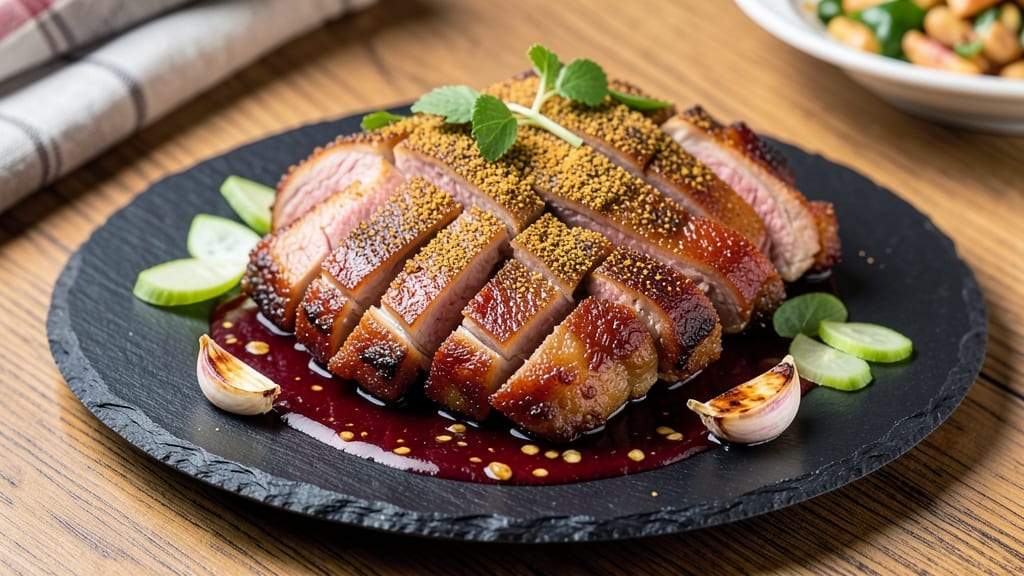
This Chinese crispy roast pork belly recipe delivers the perfect balance of five-spice warmth and shatteringly crispy edges that define Cantonese cuisine. 🔥 The secret lies in a slow roast followed by a high-heat finish—transforming fatty pork belly into golden, crackling perfection.
I've perfected this technique after years of studying traditional methods, ensuring every bite delivers that addictive contrast between tender meat and crispy skin.
The process begins with a dry rub of five-spice powder and salt, allowing the flavors to penetrate deeply before roasting. This method creates a caramelized crust that's irresistibly crispy while keeping the interior juicy.
The key is patience—rushing this step will leave you with soggy skin instead of that coveted crunch. Trust me, the wait is worth it for that first satisfying bite.
What you'll end up with is a dish that's equal parts restaurant-quality and home-cooked comfort. The pork belly emerges with a glossy, crackling exterior and tender, flavorful meat beneath. Serve it sliced thin over steamed rice with pickled vegetables or hoisin sauce for the full Cantonese experience.
This is the kind of recipe that turns weeknight dinners into special occasions.
For those who love pork but want to experiment, this technique works beautifully with chicken thighs or duck legs too. The crisping method is versatile, but the five-spice rub remains the soul of the dish—warm, aromatic, and impossible to resist.
Let's get started on creating your own restaurant-worthy pork belly at home.
Ingredients for chinese crispy roast pork belly
Authentic Cantonese flavors and restaurant-quality crispiness start with these carefully chosen ingredients.
| Ingredient | Amount | Notes |
|---|---|---|
| Pork Belly 🥓 | 2 lb | Skin-on, thick cut preferred |
| Five-Spice Powder 🌶️ | 2 tbsp | Authentic Chinese blend |
| Kosher Salt 🧂 | 1 ½ tbsp | Diamond Crystal preferred |
| Malaysian Palm Sugar 🍯 | 2 tbsp | Or light brown sugar |
| Fresh Ginger 🧅 | ½ cup | Finely grated, peel removed |
| Garlic Cloves 🧄 | 8 cloves | Minced, fresh preferred |
| Soy Sauce 🍶 | ¼ cup | Light or all-purpose |
| Rice Vinegar 🍶 | 2 tbsp | Seasoned preferred |
| Sesame Oil 🫒 | 1 tbsp | Toasted, for finishing |
| Neutral Oil 🫒 | ½ cup | Avocado or vegetable oil |
| Steamed Jasmine Rice 🍚 | 2 cups | Cooked, for serving |
| Hoisin Sauce 🍶 | ¼ cup | For serving, optional |
| Pickled Vegetables 🥒 | 1 cup | Quick-pickled cucumbers |
The pork belly cut is critical—thick slices with skin intact ensure maximum crispiness. Source from a reputable Asian market or high-quality butcher for the best marbling. Costco often carries pre-sliced pork belly that works beautifully, but if buying whole, ask for the thickest, fattest section possible. The five-spice powder should be authentic Chinese blend—avoid generic 'everything spice' mixes that lack the proper balance of cinnamon, star anise, and fennel. For the palm sugar, Asian grocery stores carry this specialty item, but light brown sugar works in a pinch if you're in a hurry.
No five-spice powder? Combine 1 tsp cinnamon, 1 tsp fennel seeds, 1 tsp star anise, 1 tsp cloves, and 1 tsp Sichuan peppercorns for a homemade version. Fresh ginger and garlic can be swapped for powdered, but reduce to half the amount—the fresh versions add complexity that dried can't replicate. For the soy sauce, Kikkoman or Pearl River Bridge brands deliver authentic flavor. The rice vinegar should be seasoned (not plain) for that signature tang. If you're short on time, pre-minced garlic from a jar works, though fresh is always better. The sesame oil must be toasted—Kadoya or La Choy are reliable brands for this crucial finishing touch.
Pork belly keeps 3-4 days in the fridge once sliced, but for best crispiness, roast within 24 hours of slicing. The five-spice rub can be prepped 1 week ahead and stored in an airtight container. For make-ahead convenience, cook the pork belly completely, then reheat in a 400°F oven for 15 minutes to restore crispiness. The pickled vegetables and hoisin sauce can be made 3 days in advance—their flavors actually improve with time. Store all components separately to maintain texture and freshness.
Why You'll Love This Recipe
- I’ll be real: I’ve burned pork belly before. This method forgives mistakes—the five-spice mask keeps it flavorful even if the edges aren’t perfect. Toss it on rice, noodles, or just eat it with chopsticks while scrolling through your phone. Done.
- Few Ingredients, Big Payoff: I swear by this recipe because it’s that simple—just pork belly, five-spice, a pinch of salt, and ginger. No fancy marinades or last-minute shopping runs. The sugar caramelizes right on the sheet pan while you’re chopping veggies for dinner.
- Crispy-Creamy Magic: That first bite? Chef’s kiss. The outside shatters like a perfect chip, but inside it’s tender enough to melt—thanks to the ginger and palm sugar working their flavor magic. It’s the kind of dish that makes you close your eyes and sigh.
- Leftovers That Don’t Suck: Between us, most roasted pork belly leftovers end up sad. Not this. The crispy bits stay crispy when reheated (yes, even in the microwave), and it’s still amazing cold in rice bowls the next day. My lunchbox’s new best friend.
Step-by-step instructions for Chinese crispy roast pork belly
Master the art of achieving that iconic five-spice crunch with this precise technique.
🔥 Step 1: Prepare and Cure the Pork Belly
Begin by scoring the pork belly skin in a diamond pattern using a sharp knife, cutting through the fat layer but not the meat. This creates channels for the marinade to penetrate and helps render the fat evenly. Place the belly skin-side down on a wire rack set over a baking sheet.
In a small bowl, combine the 2 tbsp Five-Spice Powder, 1.5 tbsp Kosher Salt, 2 tbsp Malaysian Palm Sugar, 0.5 cup Fresh Ginger, and 8 cloves Garlic Cloves into a fine paste using a mortar and pestle or food processor. Rub this mixture all over the pork belly, pressing it into the scored skin and meat. This ensures maximum flavor penetration and that signature five-spice aroma.
Refrigerate the pork belly uncovered on the rack for 24 hours. This curing process allows the salt and spices to deeply penetrate the meat while the skin dries out slightly—essential for achieving that coveted crispy texture. The belly should feel firm to the touch after curing.
🔥 Step 2: Render the Fat and Begin Roasting
Preheat your oven to 325°F. Place the cured pork belly fat-side down in a roasting pan and pour 0.5 cup Neutral Oil into the pan. This oil will help create a protective layer that promotes even fat rendering. Roast uncovered for 2 hours, basting with the rendered fat every 30 minutes. You'll know it's working when the fat begins pooling in the pan and the skin starts developing a golden sheen.
Here's the thing—don't rush this stage. The slow, low-temperature cook allows the collagen in the pork belly to break down gradually, rendering the fat without cooking the meat too quickly. The skin should be golden brown and crispy in spots by the end of this phase, but the internal temperature should only reach about 160°F. If it crisps too early, tent loosely with foil to prevent over-browning.
🔥 Step 3: Increase Heat for Maximum Crisp
Remove the pork belly from the oven and increase the temperature to 425°F. Return the belly to the oven, fat-side up this time, and roast for an additional 45-60 minutes. This high-heat finish is what creates that legendary crackling crust. The skin should be deep golden brown with crispy, caramelized edges that snap when you press gently with tongs.
During the last 15 minutes, brush the belly with a mixture of 0.25 cup Soy Sauce and 2 tbsp Rice Vinegar. This glaze enhances the five-spice flavor and adds a subtle tangy depth. The internal temperature should reach 195-203°F by the end of this phase, at which point the pork should be tender enough to pull apart with two forks.
🍳 Step 4: Rest and Finish with Sesame Oil
Transfer the pork belly to a cutting board and tent loosely with foil. Let it rest for 30 minutes before slicing. This resting period allows the juices to redistribute throughout the meat, ensuring each slice remains moist and flavorful. Real talk: Skipping this step results in dry, stringy pork—don't skip it.
While the pork rests, heat 1 tbsp Sesame Oil in a small pan over low heat. Once warm, carefully brush this fragrant oil over the sliced pork belly just before serving. The sesame oil adds a nutty aroma that complements the five-spice profile perfectly. Serve with 2 cups Steamed Jasmine Rice, 0.25 cup Hoisin Sauce, and 1 cup Pickled Vegetables for a complete meal.
Pro Tips For Making Chinese Crispy Roast Pork Belly
- CRANK THE HEAT FIRST: That pork belly won’t crisp the way you want if you start slow—blast the oven or wok at 425°F (220°C) for the first 15 minutes to render fat fast and lock in flavor. I learned this the hard way when my first batch turned out greasy instead of golden. Trust me, high heat early is non-negotiable for that restaurant-style crackle.
- SALT THE BELLY 24 HOURS EARLY: Don’t skip this—rub the pork belly with 1 tablespoon of kosher salt per pound and let it sit uncovered in the fridge overnight. It’s not just about seasoning; the salt breaks down the proteins, making the meat juicier and the crust crispier. (Yes, even if you’re impatient like me.)
- DON’T SKIP THE GINGER MASH: Grate the fresh ginger fine, then smash it into a paste with the palm sugar—this releases its oils and balances the five-spice powder’s sharpness. I used to just chop it and wondered why my dish tasted flat. The paste makes a real difference, especially in the glaze.
- REST UNDER FOIL AFTER CRISPING: Once the pork belly is golden and crackling, transfer it to a tray lined with foil and tent it loosely for 5-10 minutes. This traps heat and keeps the meat tender while letting excess fat drip away—no soggy crust here. (Your future self will thank you.)
Wine and beer pairings for this dish
Riesling Harmony
An off-dry Riesling from Germany's Mosel Valley is my go-to pairing for this dish—its bright acidity and subtle sweetness cut through the pork's richness while complementing the five-spice warmth.
Look for a 2022 Dr. Loosen Blue Slate or 2021 Ernst Loosen Blue Slate from the Blue Slate vineyard, where slate soil imparts mineral notes that echo the pork's caramelized crust. Serve slightly chilled (45-50°F) to enhance its crispness and let it refresh your palate between bites. 🍷
Sake Balance
Japanese junmai daiginjo sake offers a perfect cultural bridge with its clean, umami-rich profile. I recommend a Dassai 23 or Hakkaisan Junmai Daiginjo—both deliver delicate floral and citrus notes that harmonize with the pork's five-spice complexity.
The alcohol content (15-16% ABV) is low enough to avoid overwhelming the dish's delicate flavors. Serve at 40-45°F to preserve its delicate aroma and let it complement rather than compete with the pork's caramelized crust.
Beer Pairings
A crisp German Pilsner like Warsteiner Premium or Bitburger provides a refreshing contrast with its herbal hop character and light malt sweetness. The beer's effervescence helps cleanse your palate between rich bites of pork.
For something bolder, try a Belgian witbier like 3 Fonteinen—its coriander and orange peel notes mirror the five-spice rub while adding citrus brightness. Avoid heavy stouts or dark lagers that would muddy the dish's delicate flavors. 🍺
Asian-Inspired Cocktails
For a festive touch, I love serving a Lychee Martini made with vodka, lychee liqueur, and a splash of Suzuki sake. The floral lychee complements the five-spice aroma while the sake's acidity balances the pork's richness.
Rim the glass with tao yu (Chinese black vinegar) for an authentic Cantonese touch. Alternatively, a Whiskey Sour with bourbon, lemon juice, and a dash of Angostura bitters adds a smoky depth that pairs beautifully with the caramelized crust.
Non-Alcoholic Options
Don't overlook sparkling yuzu soda—its citrusy effervescence mirrors the rice vinegar in the glaze while refreshing your palate. For something more substantial, try unsweetened iced hibiscus tea (Hong Kong-style "red tea") with a squeeze of lime.
The tartness enhances the pork's savory notes without competing. Both options are perfect for family gatherings where alcohol isn't an option. 💛
Nutrition facts
Frequently asked questions
Why does the pork belly need to cure for 24 hours?
The 24-hour cure is essential for two reasons: it allows the five-spice powder and salt to deeply penetrate the meat, creating maximum flavor infusion, and it helps the skin dry out slightly for that perfect crispy texture. Skipping this step often results in soggy skin instead of the coveted crackling crust.
Can I make this recipe without a wire rack?
Yes, but you'll need to flip the pork belly halfway through cooking. Use a baking sheet and carefully turn it fat-side down after 1 hour of roasting. This mimics the rack's function of allowing air circulation for even cooking and crisping.
What's the best way to reheat leftover crispy pork belly?
For restaurant-quality results, reheat in a 400°F oven for 15-20 minutes on a wire rack. This restores the crispy texture without making the meat dry. Avoid microwaving—it turns the skin rubbery and ruins the texture.
How do I know when the pork belly is fully cooked?
The pork is done when it reaches an internal temperature of 195-203°F and the skin is deep golden brown with crispy edges. The meat should also pull apart easily with two forks. If the skin crisps too early, tent loosely with foil to prevent over-browning.
Can I use chicken thighs instead of pork belly?
The same technique works beautifully with bone-in, skin-on chicken thighs. Use the same five-spice rub and roasting method, but reduce the cooking time to 45-55 minutes total (30 minutes at 325°F and 15 minutes at 425°F). The skin will crisp up wonderfully while keeping the meat juicy.