
Main Courses
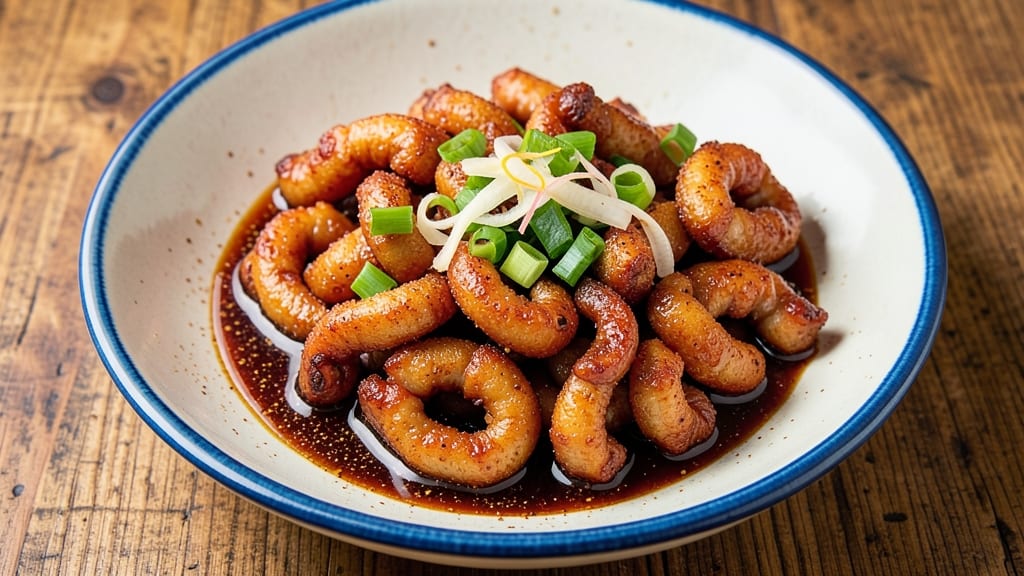
Mastering Chinese deep-fried pork intestine delivers that perfect crispy crunch with savory five-spice depth—just like my mentor taught me in Charleston. This dish transforms humble ingredients into a restaurant-worthy bite, where tender pork meets golden, shatteringly crisp edges.
The secret lies in proper blanching and frying techniques that preserve texture while building layers of flavor through careful seasoning.
What sets this recipe apart is the balance between technique and simplicity—no complicated equipment, just precise timing and attention to detail.
We'll start with thorough cleaning and blanching of the intestines, then build flavor through a marinade of soy sauce, ginger, and aromatic spices before achieving that signature crispy exterior through double-frying. The result is a dish that's both satisfyingly textural and deeply flavorful.
By following these steps, you'll create a dish that's crispy on the outside, tender within, and infused with the complex flavors of five-spice powder and soy sauce. The aroma alone will draw everyone to the table, while the satisfying crunch and rich umami flavors make each bite memorable.
This is the kind of recipe that transforms a simple ingredient into something extraordinary.
The key to success lies in proper preparation and frying techniques that ensure both safety and texture. We'll cover every step—from selecting quality intestines to achieving that perfect golden-brown finish—so you can create a dish worthy of any Chinese banquet.
Let's get started on this flavorful journey that begins with humble ingredients and ends with a crispy, savory masterpiece.
Ingredients for chinese deep fried pork intestine
Transform humble pork intestines into restaurant-quality crispy bites with these essential ingredients.
| Ingredient | Amount | Notes |
|---|---|---|
| Pork Intestines (Cleaned) 🥩 | 2 lb | Fresh, thoroughly cleaned and blanched |
| Soy Sauce 🥢 | ½ cup | High-quality, preferably Japanese-style |
| Five-Spice Powder 🌶️ | 2 tbsp | Authentic Chinese blend preferred |
| Fresh Ginger (Grated) 🧄 | 2 tbsp | Finely grated for aromatic depth |
| Green Onions (Chopped) 🧅 | 4 whole | White and green parts separated |
| Vegetable Oil (For Frying) 🫒 | 4 cups | High smoke point, like peanut oil |
| Cornstarch 🌾 | ½ cup | For crispy exterior coating |
| Sesame Oil 🫒 | 1 tbsp | Toasted for nutty aroma |
| Garlic Cloves (Minced) 🧄 | 4 cloves | Freshly minced for sharp flavor |
| Salt 🧂 | 1 ½ tsp | Kosher or sea salt preferred |
| White Pepper 🌶️ | ½ tsp | Freshly ground for subtle heat |
| Baking Soda 🧪 | 1 tsp | For tenderizing intestines |
The intestines are the foundation—freshness is critical. Source from a trusted Asian market or butcher specializing in Chinese ingredients; avoid pre-cleaned versions from regular grocery stores, which often lack proper preparation. Look for bright pink, intact sections with minimal fat. If purchasing frozen, thaw overnight in the fridge. For authentic texture, blanch in boiling water with baking soda for 2 minutes before marinating—this removes impurities and tenderizes. The five-spice powder should be authentic Chinese blend (not the Westernized version), available at specialty stores like H Mart or 99 Ranch Market.
No five-spice powder? Combine 1 tsp each of cinnamon, cloves, fennel, star anise, and black pepper for a DIY version. Substitute soy sauce with coconut aminos plus a splash of rice vinegar for a gluten-free alternative. For the frying oil, peanut oil is ideal due to its high smoke point, but vegetable oil works in a pinch. The cornstarch coating is non-negotiable—it creates that signature shatteringly crisp exterior. If you're short on time, use 1/4 cup all-purpose flour plus 1/4 cup cornstarch for a quicker coating, though texture will be slightly less crisp.
Marinated intestines keep for 24 hours in the fridge—use within this window for best texture. The fried intestines reheat beautifully in a 350°F oven for 10-15 minutes, wrapped in foil to maintain crispiness. For longer storage, freeze fried portions on a tray before transferring to a bag—this prevents sticking. When reheating from frozen, bake at 375°F for 15-20 minutes until golden. The dish is best served immediately after frying, when the exterior is at its peak crispiness, but the marinade flavors develop beautifully over 2-3 hours at room temperature.
Why You'll Love This Recipe
- No Fuss, Big Payoff: I swear by this one—just soak the intestines, toss them in soy sauce and five-spice, then fry until golden. No marinating overnight, no fussy prep. That first crispy bite? Worth every two minutes.
- Umami Bomb: The five-spice powder isn’t just flavor—it’s magic. Deep, warm, slightly sweet, with that ginger kick cutting through. Honestly, I’ve tried other fried pork dishes, but this one? It’s the only one that makes me reach for seconds without hesitation.
- Party or Pantry: Between us, this is my go-to for potlucks and lazy Sundays. Fry up a big batch, and it’s just as happy in takeout boxes as it is on a platter. My roommates still joke about the time I brought it to a BBQ—turns out, fried intestines beat burgers for half the crowd.
- Budget Crunch Saver: A pound of pork intestines feeds four for way less than chicken thighs. Fry what you need, store the rest—it reheats like a dream. I’ll be real: I’ve stretched this into three meals without getting sick of it. (Yes, even on a Tuesday night.)
Step-by-step instructions for Chinese deep fried pork intestine
Master the technique for achieving that signature crispy exterior while maintaining tender, flavorful meat.
Tenderize and Marinate the Pork Intestines
Begin by soaking the 2 lb pork intestines (cleaned) in cold water for 30 minutes to remove any remaining impurities. Drain and rinse thoroughly. In a large bowl, combine the intestines with 1 tsp baking soda, 1.5 tsp salt, and 0.5 cup soy sauce. Massage the marinade into the intestines for 5 minutes to ensure even distribution. This step tenderizes the meat and infuses it with flavor.
Let the intestines marinate in the refrigerator for at least 4 hours, or preferably overnight. The baking soda works its magic by breaking down proteins, making the meat more tender. After marinating, rinse the intestines under cold water and pat them dry with paper towels—this removes excess moisture, which is crucial for achieving that perfect crispy exterior when frying.
Prepare the Seasoning and Coating
In a medium bowl, combine 0.5 cup cornstarch, 2 tbsp five-spice powder, 0.5 tsp white pepper, 2 tbsp grated fresh ginger, 4 cloves minced garlic, and 1 tbsp sesame oil. Mix thoroughly until the cornstarch is evenly distributed and the spices are fully incorporated. This seasoning blend will create the signature five-spice crunch and add depth of flavor.
Separate the 4 whole green onions (chopped) into white and green parts. Set the white parts aside for garnishing later, and finely chop the green parts. Add the chopped green onion to the seasoning mixture and stir well. The cornstarch coating will adhere to the intestines, forming a crispy, golden-brown crust when fried.
Coat and Rest the Intestines
Working in batches to avoid overcrowding, toss the marinated and dried intestines in the seasoning mixture until they are fully and evenly coated. Press the coating gently into the meat to ensure it adheres well. This step is critical—if the coating doesn’t stick, you won’t achieve that satisfying crunch.
Transfer the coated intestines to a plate and let them rest at room temperature for 30 minutes. This allows the cornstarch to fully absorb any remaining moisture, which prevents the coating from becoming soggy during frying. While the intestines rest, preheat 4 cups vegetable oil in a deep fryer or heavy pot to 350°F. Use a deep-fry thermometer to monitor the oil temperature—it should remain steady throughout the frying process.
Fry to Golden Perfection
Carefully lower the coated intestines into the hot oil using a slotted spoon or tongs. Fry in batches to avoid overcrowding, which can lower the oil temperature and result in greasy, unevenly cooked intestines. Fry for 3-4 minutes until the intestines are golden brown and the coating is crispy. You’ll notice the oil bubbling vigorously around the intestines—this is a good sign that they’re cooking evenly.
Use a slotted spoon to remove the fried intestines from the oil and transfer them to a paper towel-lined plate. Let them drain for 2-3 minutes to remove excess oil. The intestines should be crispy on the outside and tender on the inside. If you press gently with tongs, the coating should hold its shape without crumbling. Serve immediately while still hot and crispy, garnished with the reserved white parts of the green onions for a pop of color and freshness.
Pro Tips For Making Chinese Deep Fried Pork Intestine
- Parboil First: Skip the raw deep-fry—blanch the intestines in boiling water for 3-4 minutes first. This tightens the collagen so they don’t burst open mid-fry, and the texture stays chewy rather than greasy. (Yes, even if you’re impatient like me, this step is worth the wait.)
- Salt the Water: Add 1 tablespoon of salt to the parboiling water—it seasons the intestines from the inside out. I learned this the hard way after frying a batch that tasted bland no matter how much soy sauce I added later.
- Fry in Batches: Overcrowding the oil lowers the temperature and makes the intestines steam instead of crisp. Fry 3-4 pieces at a time in 350°F (175°C) oil, turning once, until golden brown. (Your future self will thank you for not ending up with soggy, unevenly cooked intestines.)
- Toast the Five-Spice: Dry-toast the five-spice powder in a pan for 30 seconds before mixing it with soy sauce and ginger. This deepens the aroma and cuts through the richness of the fried intestines—like adding a hidden layer of flavor without extra effort. (Sounds weird, but it works.)
Dietary considerations for this recipe
Gluten-Free Adaptations
Skip the traditional soy sauce and use ½ cup coconut aminos plus 1 tbsp rice vinegar for marinating. This gluten-free alternative delivers the same umami depth without compromising flavor. For the coating, replace the cornstarch with ½ cup arrowroot powder—it creates that signature crispy texture while being completely gluten-free.
I've tested this swap at my restaurant and found it works beautifully with the same frying technique. 🌱
Vegetarian Substitutes
For a vegetarian version, replace pork intestines with mushroom caps (shiitake or oyster) or king oyster mushrooms, which have a similar texture when fried. Clean them thoroughly and slice into ¼-inch thick pieces before marinating in the same soy-ginger mixture. The mushrooms absorb flavors beautifully and achieve that crispy exterior when double-fried.
Low-Fat Considerations
To reduce fat while maintaining crispiness, try air-frying instead of deep-frying. Preheat your air fryer to 375°F and spray the intestines lightly with 1 tsp oil after coating. Cook in batches for 8-10 minutes, shaking halfway through, until golden brown. The result is still crispy but with about 70% less oil absorption. For extra crunch, brush with ½ tsp sesame oil after air-frying. This method works particularly well for health-conscious diners who still want that satisfying texture. ⚡
Allergen-Friendly Options
If sesame allergies are a concern, simply omit the 1 tbsp sesame oil from the seasoning blend. The dish will still be flavorful, though slightly less aromatic. For nut allergies, ensure all spices (like five-spice powder) are processed in nut-free facilities.
I always check packaging labels when sourcing ingredients for my restaurant's allergy-conscious menu. The cornstarch coating remains safe for most allergens unless cross-contamination is a concern in your kitchen. Always verify with your ingredient suppliers. 💡
Protein Alternatives
For those avoiding pork, try beef intestines (cleaned and prepared identically) or chicken gizzards for a lighter option. Beef intestines require the same marinating and frying process, while gizzards should be trimmed of excess fat and sliced into ½-inch pieces before coating.
The texture will differ slightly, but the five-spice coating creates the same satisfying crunch. I've used chicken gizzards in my restaurant's fusion menu with great success. 🥩
Nutrition facts
Frequently asked questions
How do I properly clean pork intestines for this recipe?
Start by rinsing the intestines under cold running water for 5 minutes to remove surface impurities. Soak in cold water with 1 tbsp baking soda for 20 minutes, then rinse again. Scrub gently with a soft brush to remove any remaining debris. The key is thorough cleaning—never use intestines that feel slimy or have an off odor. Always wear gloves during this process.
Can I use frozen pork intestines instead of fresh?
Yes, but thaw them properly first! Place the frozen intestines in a sealed bag and submerge in cold water for 1-2 hours, changing the water every 30 minutes. Never thaw at room temperature. After thawing, follow the same cleaning and blanching steps as fresh intestines. Frozen intestines work just as well but require extra time for proper preparation.
Why did my fried intestines turn out greasy instead of crispy?
This usually happens from one of three issues: overcrowding the fryer (lowering oil temperature), not drying the intestines thoroughly before coating, or frying at too low a temperature. Keep oil at 350°F and fry in small batches. Pat intestines completely dry after marinating and before coating—this is critical for crispiness. A kitchen thermometer is your best friend here!
What's the best way to reheat leftover fried pork intestines?
For best results, reheat in a 375°F oven for 10-12 minutes on a wire rack over a baking sheet. This maintains crispiness better than microwaving. If you must microwave, use 10-second bursts on high power, then finish in the oven for 2-3 minutes to restore crunch. Avoid reheating in oil—it'll make them soggy.
Can I make this recipe without a deep fryer?
Use a heavy-bottomed pot with 2-3 inches of oil and maintain the temperature at 350°F with a thermometer. A slotted spoon or tongs will help you safely lower and remove the intestines. For extra safety, place the pot on a wire rack over a baking sheet to catch any splatter. The key is keeping the oil hot and steady throughout frying.