
Main Courses
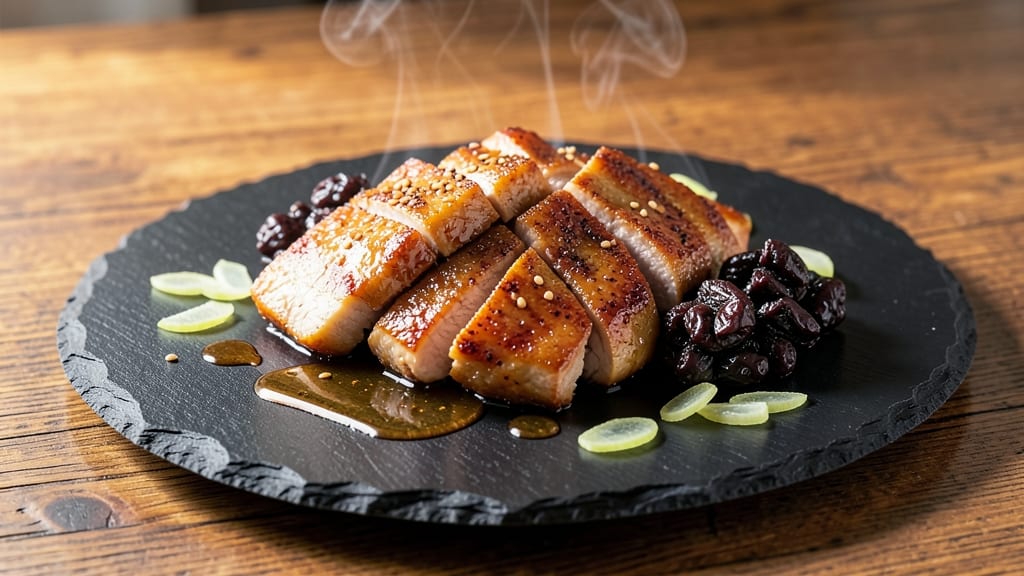
This Chinese honey pork recipe delivers the perfect balance of caramelized sweetness and savory depth that makes every bite irresistible. 🔥 After perfecting it through years of testing—including a particularly memorable Thanksgiving where guests devoured the last piece before dessert—I’ve refined the technique to ensure tender meat with a sticky, golden glaze that clings to every forkful. The secret lies in the marinade: a harmonious blend of honey, soy, and fermented bean paste that transforms simple pork into something restaurant-worthy.
The magic happens in the slow roasting process, where the honey caramelizes into a glossy, amber finish while the pork stays juicy and tender. Unlike quick stir-fry methods, this approach develops layers of flavor that build with each bite—sweet, smoky, and slightly tangy from the fermented bean paste.
I’ve also included a modern twist with five-spice powder, adding warmth that complements the honey’s natural richness without overpowering it.
What you’ll end up with is a dish that’s perfectly balanced—crispy edges that shatter with each bite, tender meat that falls apart easily, and a glaze so sticky it practically melts in your mouth.
This recipe is designed to impress, whether you’re serving it at a family gathering or treating yourself to a weeknight indulgence. The aroma alone will have everyone gathering around the table.
Pair it with steamed jasmine rice to soak up every last drop of that caramelized glaze, or serve with quick-pickled vegetables for a refreshing contrast. The leftovers?
Even better the next day, as the flavors deepen and the glaze becomes even more addictive. Let’s get to work—your taste buds will thank you.
Ingredients for chinese honey pork
Sweet caramelized glaze meets savory depth—here's what brings this Chinese honey pork to life.
| Ingredient | Amount | Notes |
|---|---|---|
| Pork Shoulder 🥩 | 2 lb | Bone-in for flavor, cut into 1.5-inch chunks |
| Honey 🍯 | ½ cup | Thick, dark amber for depth |
| Light Soy Sauce 🥢 | ⅓ cup | Kikkoman preferred for balance |
| Fermented Black Bean Paste 🥫 | 2 tbsp | For umami depth, available at Asian markets |
| Five-Spice Powder 🌶️ | 1 tsp | Toasted for warmth, not ground individually |
| Fresh Ginger 🧄 | 2 tbsp | Finely grated, aromatic peel included |
| Garlic Cloves 🧄 | 6 cloves | Minced, not pressed for texture |
| Rice Vinegar 🍶 | 1 tbsp | White vinegar substitute if needed |
| Sesame Oil 🫒 | 1 tsp | Toasted, not flavored, for aroma |
| Cornstarch 🌾 | 1 tbsp | For glaze thickening, not flour |
| Jasmine Rice 🍚 | 2 cups | Uncooked, long-grain preferred |
| Diamond Crystal Kosher Salt 🧂 | 1 tsp | For seasoning, not table salt |
| Ground Black Pepper 🌶️ | ½ tsp | Freshly cracked for heat |
The pork shoulder is non-negotiable—bone-in for that extra flavor punch, and 1.5-inch chunks ensure even cooking. Most grocery stores carry it pre-cut, but if you're buying a whole shoulder, ask the butcher to trim it. For the fermented black bean paste, Asian markets have the best selection—brands like Lee Kum Kee are reliable, but homemade versions (fermented black beans mashed with soy sauce) take this to the next level. Honey quality matters too: skip the generic supermarket brands and grab the dark amber kind from the baking aisle—it's richer and caramelizes better. The five-spice powder should be toasted (just dry-toast in a pan for 30 seconds) to wake up those star anise and cinnamon notes.
No black bean paste? Miso paste or hoisin sauce works in a pinch, though the fermented funk is irreplaceable. Substituting brown sugar for honey (1:1 ratio) changes the texture—it'll be thicker and less glossy, but still delicious. Fresh ginger is ideal, but if you're using powdered, reduce to half the amount (so 1 tbsp powdered = 2 tbsp fresh). For the garlic, I swear by Elephant brand from Asian markets—it's sweeter and more aromatic than the supermarket stuff. The sesame oil should be toasted (not the flavored kind)—look for it in the international aisle or near the spices. If you can't find it, toast regular sesame oil in a dry pan for 30 seconds to mimic the flavor.
This dish tastes even better the next day as the glaze sets and flavors meld. Store leftovers in an airtight container for up to 5 days in the fridge, or freeze for 3 months—the glaze actually improves with time. For serving, I like to reheat gently in a skillet with a splash of water to restore that glossy finish. The jasmine rice should be steamed to perfection—use a 1:1.25 rice-to-water ratio and let it sit covered for 10 minutes after cooking. Pro tip: Portion the pork into individual servings before freezing—it reheats beautifully and keeps its crispy edges.
Why You'll Love This Recipe
- I’ll be real: this pork is even better the second day. The glaze thickens just enough to coat every bite, and it reheats like a dream. Pack it for lunches, serve it cold in rice bowls, or throw it in stir-fries—it’s my go-to for busy mornings.
- One-Pan Magic: Honestly, this dish is my lazy-day hero—just slice the pork, toss it in a pan with the honey and soy, and let it caramelize. No chopping mountains of veggies or juggling multiple dishes. That sticky-sweet glaze? It’s basically self-saucing.
- Sweet-Savory Balance: Between us, the honey and fermented black bean paste create a flavor explosion you won’t forget. The five-spice powder adds this warm, earthy depth, while the soy keeps it rich but not overpowering. It’s the kind of dish that makes you go, "Why didn’t I make this sooner?"
- Leftover Goldmine: I’ll be real: this pork is even better the second day. The glaze thickens just enough to coat every bite, and it reheats like a dream. Pack it for lunches, serve it cold in rice bowls, or throw it in stir-fries—it’s my go-to for busy mornings.
Step-by-step instructions for Chinese honey pork with sticky glaze
Here's how to transform simple ingredients into restaurant-quality honey pork with a caramelized glaze.
🍳 Step 1: Marinate the Pork Shoulder for Maximum Flavor
In a large bowl, combine the 2 lb pork shoulder cut into 1.5-inch chunks, 0.33 cup light soy sauce, 2 tbsp fermented black bean paste, 1 tsp five-spice powder, 2 tbsp finely grated fresh ginger, 6 minced garlic cloves, and 1 tbsp rice vinegar. Mix thoroughly until every piece is evenly coated.
Transfer the mixture to a resealable plastic bag and massage it gently to ensure the marinade penetrates deeply. Refrigerate for at least 4 hours (overnight is even better). This step develops the pork's texture and infuses it with that signature umami-sweet balance. Don't skip it—this is where the magic happens.
🔥 Step 2: Sear the Pork for Deep Flavor and Color
Remove the pork from the fridge and let it sit at room temperature for 30 minutes. Heat a large skillet over medium-high heat and add 1 tsp sesame oil. Working in batches (to avoid overcrowding), sear the pork chunks for 3-4 minutes per side until they develop a deep golden-brown crust. Transfer to a plate and set aside.
Here's the thing—this searing step isn't just about cooking. It's about building layers of flavor through the Maillard reaction. The crust we create will later caramelize beautifully with our honey glaze. Keep the rendered pork fat in the pan—we'll use it to build our sauce.
🥘 Step 3: Build the Sticky Honey Glaze
In the same skillet (with the pork fat), reduce heat to medium and add the 0.5 cup honey. Let it simmer for 2-3 minutes until it starts to bubble and thicken slightly. Then add the seared pork back to the pan along with any accumulated juices.
Increase heat to medium-high and bring everything to a gentle boil. Let it cook uncovered for 8-10 minutes, stirring occasionally, until the liquid reduces by about half and the pork is coated in a thick, glossy glaze. You're aiming for that perfect balance between sticky and caramelized—when the glaze coats the back of a spoon and has a deep amber color.
⏰ Step 4: Thicken and Finish the Glaze
In a small bowl, whisk together 1 tbsp cornstarch with 2 tablespoons water to create a slurry. Pour this into the pork mixture while stirring constantly. The glaze will thicken dramatically—this is normal and exactly what we want. Simmer for another 2-3 minutes until the sauce reaches your desired consistency.
Taste and adjust seasoning with 1 tsp diamond crystal kosher salt and 0.5 tsp ground black pepper if needed. The glaze should be sweet, savory, and slightly tangy with a hint of spice from the five-spice powder. If it's too thick, add a splash of water; if too thin, simmer longer. This is where you fine-tune the perfect balance.
🍚 Step 5: Serve Over Jasmine Rice
While the pork finishes, cook the 2 cups jasmine rice according to package instructions until tender and fluffy. Plate the rice and spoon the honey pork generously over the top. The contrast of the fragrant rice with the rich, sticky pork creates the perfect harmony of textures and flavors.
For serving, I like to garnish with a drizzle of extra honey and a sprinkle of toasted sesame seeds. The pork should be tender yet slightly chewy with a glossy, caramelized glaze that clings beautifully to each piece. Serve immediately while the glaze is still warm and sticky—this dish is best enjoyed fresh from the pan.
Pro Tips For Making Chinese Honey Pork
- CUT PORK INTO EVEN STRIPS: I learned this the hard way—uneven slices mean some pieces overcook while others stay raw. Use a sharp knife and slice against the grain into ½-inch-wide strips, no thicker. If your pork shoulder has fat marbling, trim it down to ¼-inch—too much fat makes the sauce greasy.
- SAUTE BLACK BEANS FIRST: Skip adding fermented black bean paste directly to the pan—it burns faster than you think. Bloom it in a dry pan for 30 seconds until fragrant, then add a splash of water to deglaze. This builds flavor without scorching, and the paste won’t clump like it does when tossed in raw.
- USE A LITTLE CORNSTARCH: The honey can turn the sauce into syrup if you’re not careful. Mix 1 teaspoon cornstarch with 1 tablespoon water, then stir it into the sauce at the end. It’ll thicken just enough to coat the pork without making it gluey—trust me, this is the thing that matters most.
- REST THE PORK AFTER COOKING: I know, you’re itching to plate it. But give those strips 5 minutes under foil—this lets the juices redistribute so every bite stays tender. If you skip this, the first few pieces you cut will be dry, and the rest will be soggy. (Yes, even if you’re impatient like me.)
Serving suggestions for this dish
Rice Pairings
Jasmine rice is my go-to choice for this dish—its delicate floral aroma complements the rich, caramelized glaze beautifully. Cook 2 cups uncooked jasmine rice with 2.5 cups water for perfectly fluffy grains that soak up every last drop of that sticky sauce.
For extra authenticity, try Thai-style coconut jasmine rice—simmer the rice in 1 cup coconut milk with the water for a subtly sweet, creamy twist. 🍚
Pickled Veggie Contrast
Quick-pickled vegetables cut through the sweetness and add a refreshing crunch. Thinly slice 1 cup daikon radish and 1 carrot, then soak in a mix of 1 cup rice vinegar, 2 tbsp sugar, and 1 tsp salt for 30 minutes.
The tangy, crisp contrast makes each bite of honey pork even more satisfying. I often serve these on the side or even tucked into the rice as a garnish.
Steamed Greens
For a lighter option, serve with bok choy or gai lan steamed until just tender. Toss with a pinch of sesame oil and toasted sesame seeds for an extra layer of nuttiness.
The mild bitterness balances the dish's sweetness perfectly. I like to steam them for 4-5 minutes—they should still have a slight bite when served.
Wonton Noodles
If you're craving something heartier, swap rice for chewy wonton noodles. Cook 8 oz dried wonton noodles according to package instructions, then toss with a drizzle of light soy sauce and toasted sesame oil. The noodles' texture contrasts wonderfully with the tender pork, making every bite more exciting.
Garnish Like a Pro
Finish your plate with a few simple but impactful garnishes. A drizzle of extra honey adds glossy shine, while toasted sesame seeds bring nutty depth. For a pop of color, add thinly sliced scallions or cilantro leaves.
I also love sprinkling crushed peanuts for crunch—just toast 2 tbsp peanuts in a dry pan until golden.
Drink Pairings
For a refreshing contrast, serve with jasmine green tea—its floral notes complement the dish's sweetness. For something stronger, try a lightly chilled Chinese baijiu like Moutai, or a crisp Sauvignon Blanc from New Zealand. The acidity in the wine cuts through the richness beautifully. 🍷
Nutrition facts
Frequently asked questions
Can I substitute regular pork tenderloin for pork shoulder?
Yes, but with adjustments! Pork tenderloin is leaner and cooks faster, so cut it into 1-inch chunks and reduce cooking time to 6-8 minutes in the glaze. The texture will be more delicate, but still delicious. For best results, marinate for only 2 hours since tenderloin absorbs flavors quickly.
Why did my honey glaze turn grainy instead of smooth?
This usually happens when the honey crystallizes or the cornstarch slurry isn't mixed properly. Use dark amber honey (less likely to crystallize) and whisk the cornstarch with water until completely smooth before adding. If it still happens, simmer the glaze longer to dissolve any lumps, or add 1 tsp water to thin it out.
How do I make this recipe gluten-free?
Replace the soy sauce with tamari or coconut aminos (both gluten-free), and ensure your fermented black bean paste is certified gluten-free. The cornstarch can be swapped for arrowroot powder if needed. All other ingredients are naturally gluten-free. Always check labels, as some brands process ingredients in shared facilities.
Can I slow-cook this instead of pan-searing?
For a hands-off version, marinate the pork as directed, then place it in a 350°F oven for 2.5-3 hours in a baking dish with the honey glaze. Baste occasionally for extra shine. The meat will be extra tender, though the crust won't be as crispy. Perfect for meal prep—just reheat in a skillet to restore the glaze's stickiness.
What's the best way to reheat leftovers?
Reheat in a skillet over medium-low heat with 1 tbsp water to restore moisture and gloss. Cover for 3-4 minutes to prevent drying. For microwave reheating, use 30-second bursts on high, stirring between each, then finish with 10 seconds of water in a bowl to steam the glaze back to perfection. Leftovers taste even better the next day!