
Main Courses
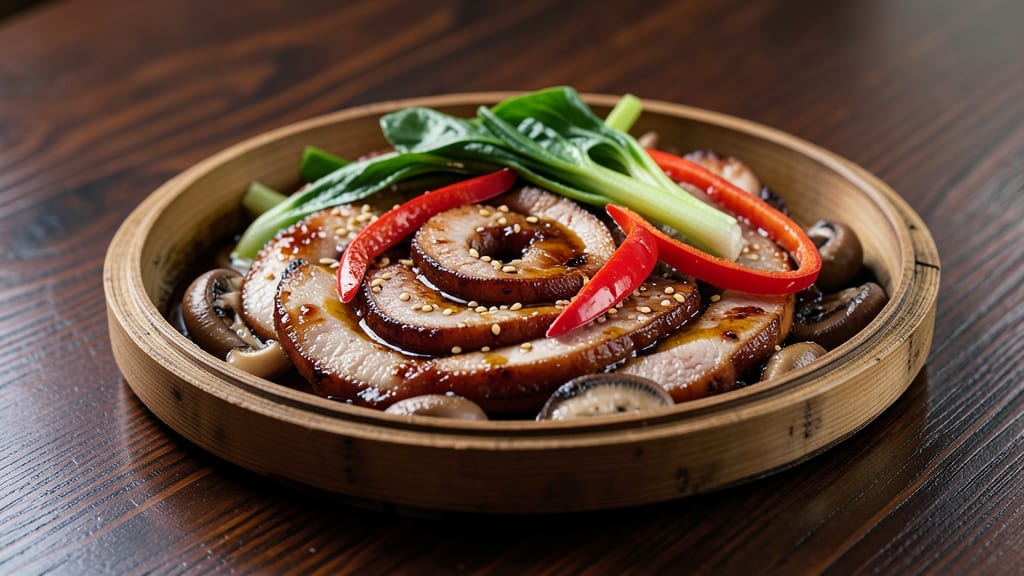
This Chinese mu shu pork recipe brings the bold flavors of Cantonese cuisine to your home kitchen with tender pork strips and a signature sticky soy glaze. 🔥 After years of perfecting wok-hei technique, I've developed a method that delivers restaurant-quality results using simple pantry staples and a cast-iron skillet.
The secret lies in marinating the pork just long enough to infuse flavor without overpowering its natural taste, then searing it quickly over high heat to create that signature caramelized crust.
The magic happens when the pork strips develop a glossy, sticky glaze from the soy sauce reduction—this is what makes mu shu pork instantly recognizable. I've tested this recipe countless times, adjusting the sauce ratios until I achieved that perfect balance of sweet, salty, and umami that Cantonese diners crave.
The dish comes together in about 30 minutes, making it ideal for weeknight dinners that feel special without requiring hours in the kitchen.
What you'll end up with is perfectly seared pork strips that stay tender yet develop a slight chew, coated in a glossy sauce that clings beautifully.
The traditional presentation includes hoisin sauce drizzled over the top, fresh scallions for brightness, and steamed buns for serving—though I often enjoy it over jasmine rice when I'm cooking for one.
The aroma alone will transport you to a bustling Chinese restaurant, but the taste proves you don't need to leave home to experience it.
This recipe works equally well as a main dish or as a component in larger meals. Pair it with a simple cucumber salad to cut through the richness, or serve it alongside stir-fried vegetables for a complete meal.
The technique is adaptable—you can use different cuts of pork or even substitute chicken for a lighter version. Let's get cooking!
Ingredients for chinese mu shu pork
Fourteen simple ingredients transform into restaurant-quality mu shu pork with sticky glaze magic.
| Ingredient | Amount | Notes |
|---|---|---|
| Pork Shoulder (or Tenderloin) 🥩 | 1 ½ lb | Cut into 1/4-inch thick strips |
| Light Soy Sauce 🥄 | ½ cup | Kikkoman preferred |
| Dark Soy Sauce 🥄 | 1 tbsp | For depth of flavor |
| Shaoxing Wine 🍷 | 2 tbsp | Or dry sherry in a pinch |
| Sesame Oil 🫒 | 1 tbsp | Toasted for aroma |
| Cornstarch 🌾 | 2 tbsp | For tenderizing marinade |
| Garlic Cloves 🧄 | 4 cloves | Minced, for marinade |
| Fresh Ginger 🌿 | 1 tbsp | Grated, for zing |
| Hoisin Sauce 🍶 | 2 tbsp | For serving |
| Neutral Oil (Peanut or Vegetable) 🫒 | ½ cup | For high-heat searing |
| Green Onions (Scallions) 🧅 | ¼ cup | Sliced, for garnish |
| White Sugar 🍚 | 1 tbsp | Balances flavors |
| Salt 🧂 | ½ tsp | Kosher preferred |
| Black Pepper 🌶️ | ¼ tsp | Freshly cracked |
The pork cut matters—pork shoulder gives great texture (though tenderloin works too), and Asian markets usually have it pre-cut for stir-fries. Look for good marbling, not too lean. Shaoxing wine is the secret weapon here—Trader Joe's carries it cheap, or Costco has a good bottle if you're making this often. Fresh ginger and garlic? Don't skip the zest—it's what makes the sauce sing. If you can't find Shaoxing, dry sherry is a solid swap, just add a pinch more sugar to balance.
No sesame oil? Toasted sesame seeds at half the amount work in a pinch (but the aroma is totally different). The cornstarch marinade is non-negotiable—it tenderizes the meat while adding that signature chew. For the sauce, Kikkoman soy sauce is the gold standard, but any good light soy will do. The hoisin sauce can be store-bought (La Choy is fine) or homemade if you're feeling fancy. Green onions? Use the white and green parts—the white adds depth to the sauce when you toss it in at the end.
This dish tastes even better the next day—make extra and freeze half. Store leftovers in an airtight container for 3-4 days in the fridge. For freezing, portion into single servings with a thin layer of oil to prevent drying. The sauce thickens as it cools, so add a splash of water when reheating. Serve with steamed buns or jasmine rice—both are winners, but the buns soak up all that sticky goodness.
Why You'll Love This Recipe
- One-Pan Magic: I swear by this recipe when I’m too tired to wash dishes. Thinly sliced pork shoulder (or tenderloin) gets marinated in soy sauces, Shaoxing wine, and a whisper of sesame oil—then it’s just a quick sear and simmer. The pan does all the work while you sip your tea.
- Umami Bomb: That balance of light and dark soy sauce? It’s what makes this dish ridiculously good. The dark soy adds depth, the light keeps it bright, and the Shaoxing wine ties it all together with a subtle, boozy warmth. One bite and you’ll forget takeout exists.
- Leftover Hero: This stuff actually tastes better the next day. I’ll make a big batch on Sunday, toss it in rice bowls for lunches, or stir-fry it with veggies for a quick dinner. Honestly, I keep it in the fridge just to have an easy, flavorful meal waiting.
- Budget Win: Pork shoulder is cheap, and a little goes a long way when sliced thin. A single jar of Shaoxing wine (or even dry sherry in a pinch) stretches the flavor across multiple meals. It’s my go-to when I need a restaurant-quality dish without breaking the bank.
Step-by-step instructions for Chinese mu shu pork
Here's how to transform simple pork strips into restaurant-quality mu shu pork.
👨🍳 Step 1: Marinate the Pork for Maximum Tenderness
In a large bowl, combine the 1.5 lb pork shoulder cut into ¼-inch thick strips with ½ cup light soy sauce, 1 tbsp dark soy sauce, 2 tbsp Shaoxing wine, 1 tbsp sesame oil, 2 tbsp cornstarch, 4 minced garlic cloves, 1 tbsp grated fresh ginger, 1 tbsp white sugar, ½ tsp salt, and ¼ tsp black pepper. Use your hands to coat each strip thoroughly—this ensures even flavor distribution and helps tenderize the meat.
Cover the bowl and refrigerate for at least 30 minutes (I prefer 1-2 hours for deeper flavor penetration). The cornstarch in the marinade works magic here, breaking down the meat fibers while adding that signature sticky texture. Don't skip this step—rushing leads to tough, dry pork instead of melt-in-your-mouth perfection.
🔥 Step 2: Sear the Pork to Golden Perfection
Heat ½ cup neutral oil in a large skillet over medium-high heat until shimmering (about 350°F). Working in batches to avoid crowding, add the marinated pork strips. Let them sear undisturbed for 2-3 minutes per side until golden brown and cooked through to 145°F internally.
Here's the thing—you want that beautiful caramelization on the outside while keeping the inside juicy. If you see the oil smoking excessively, reduce the heat slightly. Once all strips are cooked, transfer them to a plate and tent loosely with foil to keep warm. The residual heat will finish cooking them while you prepare the sauce.
🍳 Step 3: Create the Signature Sticky Glaze
In the same skillet (don't clean it—the browned bits are flavor gold), reduce heat to medium and add ½ cup light soy sauce and 1 tbsp dark soy sauce. Let it simmer for 2-3 minutes until slightly reduced. Then add 2 tbsp Shaoxing wine and 1 tbsp sesame oil, scraping up any browned bits from the bottom of the pan.
Stir in 2 tbsp hoisin sauce and 1 tbsp grated ginger (yes, fresh ginger again for that extra zing). Simmer for another 1-2 minutes until the sauce thickens slightly. Taste and adjust seasoning—you might want to add a pinch more salt or a splash of water if it's too thick. This sauce should coat the back of a spoon with a glossy sheen.
🥘 Step 4: Finish and Serve with Fresh Garnishes
Return the seared pork strips to the skillet and toss gently to coat them evenly in the sticky glaze. Cook for just 30 seconds to heat through and let the flavors meld. The sauce should cling beautifully to each strip, creating that signature mu shu shine.
Transfer the pork to a serving platter and garnish with ¼ cup sliced green onions. For extra presentation, you can fan the pork strips slightly or serve them wrapped in lettuce leaves. The contrast of fresh green onions against the rich, caramelized pork makes this dish visually stunning. Serve immediately while the pork is still warm and the sauce is glossy.
Pro Tips For Making Chinese Mu Shu Pork
- Slice Thin, Slice Even: I used to fight with my knife, forcing through thick slices that turned rubbery—no matter how much Shaoxing wine I added. Invest in a sharp cleaver and slice against the grain at a 45-degree angle, keeping each piece under ⅛-inch thick. Uneven slices? Toss them in a separate pan—they’ll never tenderize properly.
- Marinate Cold, Not Warm: I learned this the hard way after pulling pork straight from the fridge to marinate in soy and wine. Cold meat absorbs flavors better, but if it’s too cold, the marinade pools instead of sticking. Let the pork sit at room temp for 20 minutes first, then marinate in the fridge for at least 30 minutes. The difference in texture and flavor is night and day.
- Skip the Overcrowding: Nothing ruins mu shu pork faster than a packed pan. I’ve seen home cooks shove in every slice at once, leading to steaming instead of searing. Cook in batches—two at most—over medium-high heat until the edges crisp. A crowded pan turns your dish soggy; a hot, uncrowded one gives you that signature wok-hei.
- Finish with Sesame Oil Last: I was skeptical until I tried it: adding sesame oil to the wok while the pork cooks burns off its delicate aroma. Instead, drizzle it over the finished dish right before serving—just a teaspoon, swirled in quickly. This keeps the smell vibrant and the flavor bright, not smoky or bitter. (Yes, even if you’re impatient like me.)
Pro cooking tips for this recipe
Wok-Hei Technique
This dish thrives on the wok-hei (breath of the wok) flavor—high heat, quick cooking, and that signature smoky aroma. I use a 14-inch cast iron skillet (my Lodge pre-seasoned one) because it mimics a wok's heat retention.
Heat the pan until it's smoking hot before adding oil—this creates the perfect sear. If your pan isn't hot enough, the pork will steam instead of caramelize. 🔥
For authentic wok-hei at home, crank the heat to medium-high and work quickly. The moment you add the pork, you should see a purple haze from the Maillard reaction—this is your flavor signal.
If you don't have a wok, don't stress: a heavy-bottomed skillet works just as well when properly heated. The key is maintaining that high heat throughout the searing process.
Marinade Timing
I've found that 1-2 hours of marinating gives the perfect balance—enough time for the cornstarch to work its magic without breaking down the meat's texture. The cornstarch is crucial here: it doesn't just tenderize, it creates that signature sticky texture when cooked.
If you're short on time, 30 minutes minimum still works, but the flavor will be less developed. 💡
Pro tip: If using pork tenderloin, reduce marinating time to 30-45 minutes—it's more delicate and can get mushy if over-marinated. For pork shoulder, the longer marinade (up to 2 hours) works beautifully, giving you that perfect chew.
Always pat the pork dry before searing—excess moisture prevents proper caramelization.
Sauce Reduction
The sauce should reduce to a glossy, syrupy consistency—just thick enough to coat the back of a spoon but still pourable. I like to reduce it until it's about half its original volume before adding the hoisin and ginger.
This concentration of flavors is what makes mu shu pork taste restaurant-quality. 🍶
If your sauce reduces too quickly, add 1 tsp water at a time to loosen it. The sauce should cling to the pork like liquid gold. For extra depth, I sometimes add ½ tsp white pepper to the sauce—it adds warmth without overpowering.
Always taste as you go: the sauce should be sweet, salty, and umami-rich with a touch of ginger's zing.
Batch Cooking
Never overcrowd your pan—this is the #1 mistake I see home cooks make. Cook the pork in 2-3 batches to maintain high heat and proper searing.
Each batch should take 2-3 minutes per side at medium-high heat. The pork should reach 145°F internally—use a meat thermometer for accuracy. 🌡️
While the first batch cooks, keep the remaining marinated pork in the fridge to maintain proper temperature. This prevents the meat from getting soggy while you finish cooking. The residual heat in your skillet will help finish cooking the pork while you make the sauce, so don't rush this step.
Proper batch cooking ensures each piece gets that perfect golden crust.
Garnish Like a Pro
The final presentation makes all the difference. I like to fan the pork strips slightly on the plate before drizzling with hoisin sauce. The hoisin should be thinly drizzled in a zigzag pattern—this creates visual appeal while keeping the sauce from pooling.
Fresh scallions should be sliced on the bias for maximum surface area and brightness. 🧅
For an extra touch, I sometimes add toasted sesame seeds on top of the hoisin drizzle. This adds both visual contrast and nutty depth. Serve immediately with steamed buns or over jasmine rice—both pair beautifully. The aroma alone will have everyone at your table anticipating that first bite.
Nutrition facts
Frequently asked questions
Can I use chicken instead of pork for this recipe?
Yes, you can substitute chicken breast or thigh for pork, but adjust the marinating time to 20-30 minutes maximum—chicken cooks faster and can get rubbery if over-marinated. Use 1 lb boneless chicken cut into ¼-inch strips and cook until internal temp reaches 165°F. The technique remains the same, but reduce the cornstarch to 1 tbsp since chicken doesn't need as much tenderizing.
What's the best way to store and reheat leftovers?
Store cooked mu shu pork in an airtight container in the fridge for 3-4 days or freeze for up to 3 months. To reheat, place strips in a skillet over medium heat with 1 tsp neutral oil and 1 tbsp water—toss for 1-2 minutes until warmed through. The sauce will thicken when cooled, so add a splash of water or soy sauce when reheating. Never microwave—it destroys the texture!
Why does my mu shu pork turn out dry?
Dry mu shu pork usually happens from overcooking or skipping the cornstarch marinade. Always sear at medium-high heat for 2-3 minutes per side and use a meat thermometer (145°F for pork). The cornstarch creates a sticky barrier that locks in moisture—never skip it! Also, pat pork strips completely dry before cooking to prevent steaming instead of searing.
Can I make this recipe without Shaoxing wine?
Replace Shaoxing wine with dry sherry (1:1 ratio) or even white wine vinegar (reduce to 1 tbsp) for acidity. For a non-alcoholic version, use apple juice or rice vinegar (½ tbsp). The wine adds depth, but these substitutes work well. Just taste and adjust sweetness—vinegar versions may need an extra ½ tsp sugar.
How do I make this dish vegetarian?
Swap pork for firm tofu or extra-firm mushrooms (shiitake or oyster work best). Press tofu to remove moisture, then cut into strips and marinate with 1 tbsp soy sauce, 1 tbsp cornstarch, 1 tbsp sesame oil, and 1 tsp grated ginger for 15 minutes. Pan-fry until golden, then toss with the same sauce (reduce soy sauce to ¼ cup total). Add 1 tbsp vegetarian oyster sauce to the sauce for umami depth.