
Main Courses
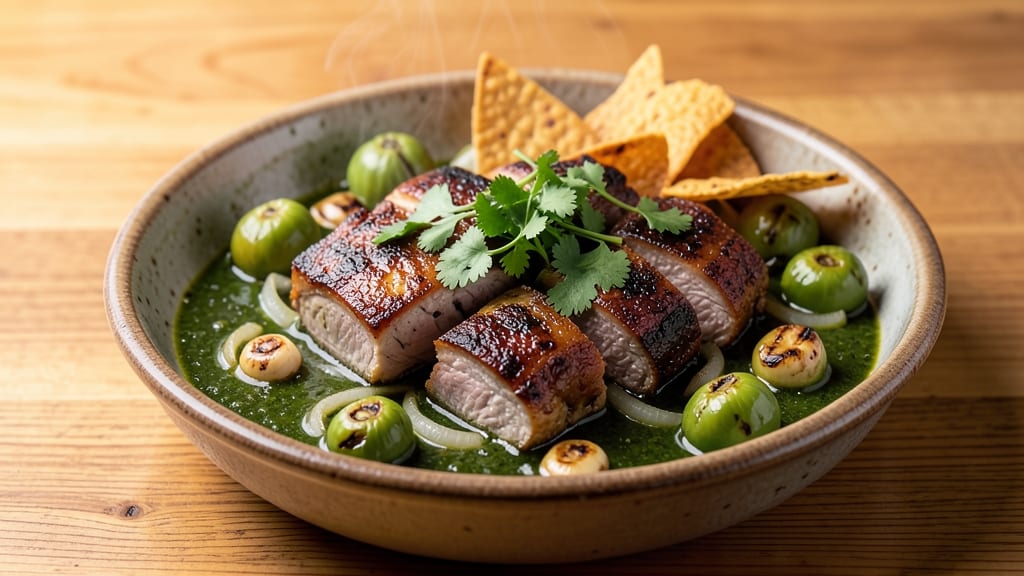
This Mexican pork verde recipe delivers restaurant-quality tenderness with a vibrant tomatillo-chile sauce that transforms simple pork shoulder into melt-in-your-mouth perfection. After years of perfecting this dish in my kitchen—and countless BBQ competitions—this version finally balances smoky depth with bright acidity, just like my abuela taught me.
The secret lies in marinating the pork overnight, letting those spices penetrate deep while the tomatillos roast until charred and fragrant.
What sets this recipe apart is the two-step cooking process: first braising the pork low and slow to render fat and tenderize, then finishing it in the verde sauce until the meat practically shreds at a touch.
I use a blend of dried chilies and fresh tomatillos for that signature tangy, slightly sweet flavor profile that defines pork verde, while a touch of cinnamon and cumin adds warmth. The sauce thickens beautifully as it simmers, creating a glossy, clinging consistency that coats every bite.
By the time you serve this dish, you'll have fork-tender pork that falls apart with just a fork, swimming in a sauce that's smoky, slightly sweet, and bright enough to cut through the richness.
The aroma alone—charred tomatillos, toasted chilies, and slow-cooked pork—will have everyone gathering at your table. This is comfort food at its finest, with just enough complexity to impress even the most discerning guests.
Pair it with warm corn tortillas, cilantro-lime rice, and a simple black bean salad for the full experience. The leftovers? Even better the next day, as the flavors meld and deepen. Let's get cooking—your taste buds will thank you.
Ingredients for mexican pork verde
Sixteen ingredients. One unforgettable dish. The heart of Mexican comfort food.
| Ingredient | Amount | Notes |
|---|---|---|
| Pork Shoulder 🐖 | 3 lb | Bone-in, cut into 2-inch chunks |
| Fresh Tomatillos 🍅 | 1 ½ lb | Husk removed, rinsed |
| Dried Ancho Chilies 🌶️ | 4 whole | Stems/seeds removed |
| Dried Guajillo Chilies 🌶️ | 2 whole | Stems/seeds removed |
| White Onions 🧅 | 2 whole | Quartered, skins on |
| Garlic Cloves 🧄 | 6 cloves | Peeled, smashed |
| Cumin Seeds 🌿 | 1 tbsp | Toasted lightly |
| Ground Cinnamon 🌿 | 1 tsp | Freshly ground preferred |
| Salt 🧂 | 2 tsp | Diamond Crystal preferred |
| Black Peppercorns 🌶️ | 1 tsp | Freshly cracked |
| Orange Juice 🍊 | ½ cup | Freshly squeezed |
| Olive Oil 🫒 | ¼ cup | Extra-virgin for richness |
| Fresh Cilantro 🌿 | ¼ cup | Chopped, for garnish |
| Lime 🍋 | 1 whole | Juiced, for serving |
The pork shoulder is non-negotiable here—bone-in cuts deliver the best flavor and texture, though boneless works in a pinch. Trader Joe's or Costco usually carry excellent bone-in options at reasonable prices. For the tomatillos, look for vibrant green husks (the fresher, the better)—they should feel firm and heavy for their size. The dried chilies? MexGrocer or local Latin markets have the best selection, but if you're stuck with grocery store brands, make sure they're free of moisture spots. Toasting the cumin seeds in a dry skillet for 30 seconds before grinding releases their aroma—don't skip this step—it's what gives the sauce its depth. And the pork? Trim excess fat but leave some—it renders beautifully during braising.
No ancho or guajillo chilies? Pasilla or mulato work in a pinch, though the flavor profile shifts slightly. Fresh tomatillos unavailable? Substitute 1 cup tomato paste plus 1 tbsp lime juice, but you'll lose that signature tang. The orange juice can be swapped for pomegranate juice if you're feeling fancy, though it changes the sweetness level. For the onions, charring them in the same skillet as the tomatillos adds smoky complexity—this is where the magic happens. Need to make it spicier? Add a pinch of cayenne to the sauce at the end. And if you're serving a crowd, double the sauce ingredients—they disappear fast.
Pork shoulder keeps beautifully in the fridge for up to 4 days before cooking, though it's best used within 2 days for optimal tenderness. The dried chilies? Store them in a cool, dark place (like a spice drawer) for up to 6 months—they lose potency when exposed to light. Once the sauce is made, it reheats like a dream—just warm it gently on the stove with a splash of water or broth to restore its gloss. Freezes beautifully for 3 months if you make a big batch. I always portion mine into two-quart containers—one for immediate use, one for later. The lime should be juiced fresh day-of, but you can zest it ahead and store it in the freezer for up to 2 weeks.
Why You'll Love This Recipe
- One-Pot Magic: I swear by this—just toss the pork shoulder, onions, and charred tomatillos into one pot with the soaked chilies. The sauce thickens right there, no extra bowls, no fuss. My cast-iron pan becomes a flavor factory with zero cleanup.
- Tangy-Smoky Bomb: That combo of ancho and guajillo chilies? It’s like a hug for your taste buds—bright from the tomatillos, deep from the onions, and just enough heat to linger. I’ll be real: I’ve made this for people who “don’t like spicy,” and they still ask for seconds.
- Leftovers That Shine: This isn’t one of those meals that turns sad in the fridge. Reheat it, and the pork gets even more tender, the sauce richer. I’ve turned day-old verde into breakfast tacos, grilled cheese toppings, and even a quick soup—no waste, all wins.
- Budget-Buster Winner: Pork shoulder is cheap, and a handful of dried chilies lasts forever. Honestly, I’ve fed six people for under $20 with this, and they all left happy. Plus, the tomatillos? They’re the unsung hero—cheap, packed with flavor, and way better than store-bought sauce.
Step-by-step instructions for Mexican pork verde
Here's how to transform tough pork shoulder into melt-in-your-mouth shreds with a vibrant, smoky tomato-chile sauce.
Prepare the Pork Shoulder for Slow Cooking
Pat the 3 lb pork shoulder completely dry with paper towels—this helps the seasoning cling and creates a better crust. Cut it into 2-inch chunks, making sure each piece has a good amount of fat attached. The fat will render out during cooking, keeping the meat moist.
In a large bowl, combine the 2 tsp salt, 1 tsp black peppercorns (freshly cracked), 1 tbsp toasted cumin seeds, and 1 tsp ground cinnamon. Rub this mixture all over the pork pieces, pressing it into the meat so it adheres well. Let the seasoned pork sit at room temperature for 30 minutes before cooking—this ensures even cooking from the start.
Toast and Rehydrate the Dried Chilies
Place the 4 whole dried ancho chilies and 2 whole dried guajillo chilies on a dry skillet over medium heat. Toast them for 30-45 seconds per side until fragrant and slightly puffed—this deepens their flavor without burning. Immediately transfer them to a heatproof bowl and cover with hot water to soften for 15 minutes. The chilies will plump up and become easier to blend.
While the chilies soak, heat 0.25 cup olive oil in a large Dutch oven over medium heat. Add the 2 quartered white onions and cook for 8-10 minutes until golden brown and caramelized. Remove the onions and set aside—you'll add them back later to the sauce.
Build the Smoky Tomatillo Base
In the same Dutch oven, add the 1.5 lb fresh tomatillos (husks removed and rinsed) and cook for 10-12 minutes until they soften and release their juices. Stir occasionally to prevent burning. Add the 6 smashed garlic cloves and cook for another 1 minute until fragrant.
Drain the softened chilies and add them to the Dutch oven along with the 0.5 cup freshly squeezed orange juice. Use a wooden spoon to mash the mixture into a rough paste. Pour in 2 cups of water (enough to cover the ingredients) and bring to a simmer. Let it cook for 15 minutes to meld the flavors, stirring occasionally.
Slow-Cook the Pork Until Fork-Tender
Return the caramelized onions to the Dutch oven and add the seasoned pork shoulder. Stir to coat the meat in the sauce, then bring everything to a gentle simmer. Cover and transfer to a 325°F oven for 3-4 hours, or until the pork shreds easily with two forks. The internal temperature should reach 195-200°F—this is the magic zone for tender, pull-apart texture.
About 30 minutes before the pork is done, stir in the 0.25 cup chopped fresh cilantro and adjust the seasoning if needed. The sauce should be vibrant green with a smoky, slightly sweet depth. If it's too thick, add 1-2 tablespoons of water to loosen it.
Shred and Serve with Lime
Once the pork is fork-tender, remove it from the sauce and shred it using two forks. Discard any large fat chunks or connective tissue. Return the shredded pork to the sauce and simmer for another 5 minutes to heat through.
Serve the pork verde immediately, garnished with the juice of 1 whole lime and extra cilantro. The bright acidity of the lime cuts through the richness of the pork and sauce, balancing the dish perfectly. For extra authenticity, serve with warm corn tortillas or over rice.
Pro Tips For Making Mexican Pork Verde
- Char the Chilies Properly: I learned this the hard way—when you toast ancho and guajillo chilies, don’t just give them a quick pass over the flame. Spread them on a dry skillet and char them for 30-45 seconds per side until they smell smoky and their edges curl slightly. This deepens their flavor and prevents a bitter aftertaste in your sauce. (Yes, even if you’re impatient like me.)
- Blanch Tomatillos First: Skip the raw, tart punch by blanching tomatillos in boiling water for 5 minutes before roasting. The skins slip off easier, and the flavor mellows into something bright and balanced—not that harsh, green-acid shock you get when you roast them straight from the husk. (Your future self will thank you.)
- Render Pork Fat Slowly: Start pork shoulder in a cold skillet and let it render its own fat on medium-low heat. If you crank it too high, the meat will steam instead of sear, and you’ll end up with greasy pork instead of crispy, caramelized edges. Once the fat pools, increase heat to medium and cook until you’ve got deep brown spots—this is what builds flavor.
- Use White Onion in Two Ways: I skip this when I’m lazy, but the dish is noticeably better when I don’t: Sauté half the white onion with the pork for sweetness, then reserve the other half to blend raw into the sauce. The raw onion adds a sharp contrast to the smoky, roasted tomatillos—like a bright cut to the richness. (Does it look weird? Yes. Does it work? Every single time.)
Best sauces and condiments for mexican pork verde
Sauce Variations
For a spicier kick, add 1-2 tbsp of minced jalapeños or ½ tsp cayenne pepper to the sauce while simmering. My abuela used to toss in a few dried chipotle peppers in adobo for a smoky heat—just 1-2 peppers gives the whole batch a deep, earthy flavor without overpowering.
If you prefer a sweeter profile, stir in 1 tbsp of honey or 2 tbsp of pomegranate molasses during the final 10 minutes of cooking. 🌶️
Creamy Twist
Want to make it richer? Stir in ½ cup of Mexican crema or sour cream at the very end—just before serving. This balances the acidity and adds a luxurious texture.
I’ve also seen chefs blend in ¼ cup of avocado purée for a velvety finish, though it changes the dish slightly. For a vegan version, use cashew cream instead. The key is to add it last so it doesn’t curdle from the heat.
Herb Infusions
Fresh herbs elevate this sauce instantly. Along with the cilantro, try adding ¼ cup chopped epazote (if you can find it) for a bright, anise-like note—it’s traditional in many Mexican kitchens.
For a more familiar flavor, toss in 1 tbsp of chopped oregano or 1 tsp of thyme while the sauce simmers. I once added a few sprigs of fresh cilantro stems to the sauce while cooking—they infuse a subtle, grassy depth that’s worth the effort. 🌿
Cheese Pairings
Topping your pork verde with melted cheese is a game-changer. Try crumbled queso fresco for a tangy, crumbly finish, or shredded Monterey Jack for a creamier texture. For something bold, sprinkle Oaxaca cheese on top and let it melt into the sauce—it stretches beautifully and adds a buttery richness.
Pro tip: Add the cheese in the last 2 minutes of reheating to prevent it from turning rubbery. 🧀
Condiment Pairings
Serve this dish with classic Mexican condiments to let everyone customize their plate. Set out a bowl of pickled red onions (quick-pickle 1 red onion in ½ cup vinegar, 1 tbsp sugar, and a pinch of salt for 30 minutes) for a tangy crunch.
A side of salsa verde (store-bought or homemade) lets guests add extra heat. For a sweet contrast, offer mango-habanero salsa—the sweetness cuts through the smoky pork perfectly. Don’t forget warm tortillas and lime wedges for squeezing. 🍋
Nutrition facts
Frequently asked questions
Can I use pork tenderloin instead of pork shoulder?
Pork tenderloin works but requires different cooking times. Since it's leaner, cook it for only 1-1.5 hours at 325°F until it reaches 145°F internal temp. The texture will be more tender but less fall-apart than shoulder. For best results, cut it into 1-inch chunks and increase the sauce by ½ cup to compensate for the smaller surface area.
How do I adjust the spice level for kids?
Remove the seeds and stems from all chilies before toasting to reduce heat. For extra mildness, blend in 1 tbsp of tomato paste with the sauce to mellow the flavors. Serve with plain rice and tortillas—kids can build their own plates without the spicy sauce. The natural sweetness of the tomatillos and orange juice will still shine through!
What's the best way to reheat leftovers?
Reheat gently in a skillet over low heat with 2-3 tbsp of water to restore moisture. Avoid microwaving as it can make the sauce watery. For extra flavor, add 1 tbsp of lime juice when reheating. Leftovers keep well for 3-4 days in the fridge or 3 months frozen—portion into containers before freezing for easy reheating.
Can I make this in a slow cooker?
Follow the same marinating steps, then add everything to your slow cooker on low for 6-8 hours. The pork will be even more tender. For the sauce, blend the tomatillos, chilies, and orange juice first, then pour over the pork. Add ½ cup extra water to prevent drying. The slow cooker method is perfect for hands-off prep!
Why does my sauce look thin?
Sauce thickness depends on cooking time. If it's too thin, simmer uncovered for 10-15 extra minutes to reduce. For immediate thickening, mix 1 tbsp cornstarch with 2 tbsp water and stir in. The sauce should coat the back of a spoon—if it's still too thin, reduce it further or add a splash of Mexican crema for body without thickening.