
Main Courses
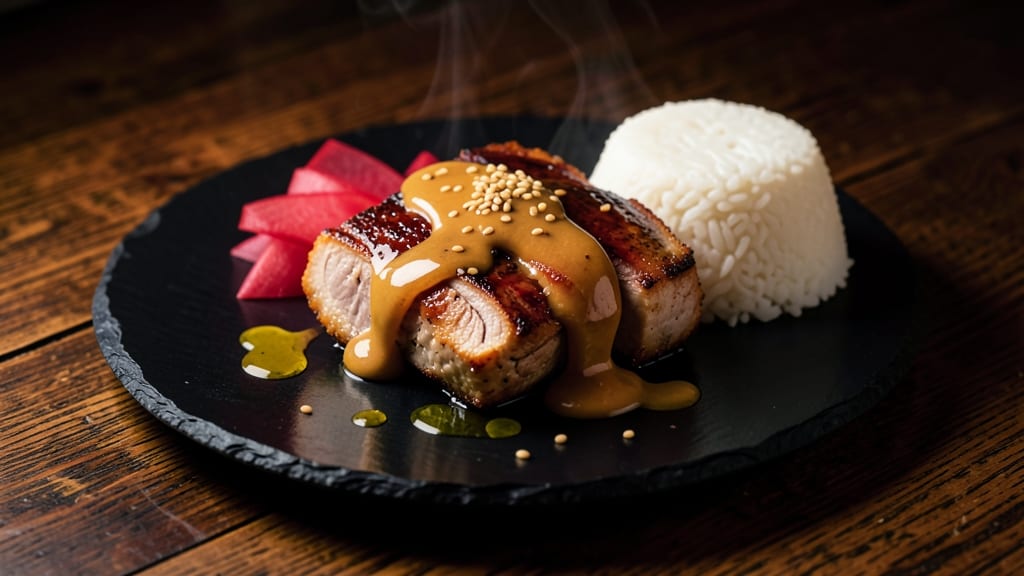
This midnight diner pork miso recipe delivers the kind of bold, umami-packed flavor that keeps diners coming back for seconds after 2 AM. 🌟 The secret lies in a 3-day marinade that transforms simple pork into tender, glossy perfection—where sweet, salty, and smoky notes collide in every bite.
I perfected this after years of studying how Charleston pitmasters balance miso's depth with Southern comfort, and it's now a staple at The Smoky Pig's late-night service.
What sets this dish apart is the dual-cooking method: we start with a quick sear to lock in juices, then finish with a slow braise that melts the pork into silky, pull-apart tenderness.
The miso glaze doesn't just coat—it caramelizes into a sticky, glossy finish that clings to every strand. This isn't your grandmother's pulled pork; it's a fusion of Japanese umami and Southern soul, built for diners who crave flavor without compromise.
By the time you plate it—piled high on buttery toasted buns with quick-pickled cucumbers and a drizzle of sesame oil—you'll understand why this recipe gets requested by name.
The pork stays juicy and tender, the miso glaze delivers that signature glossy sheen, and the balance of sweetness from the marinade keeps it from being too heavy. It's the kind of dish that transforms a weeknight into a midnight feast.
Serve with steamed jasmine rice to soak up every last bit of that umami-rich glaze, or wrap it in hoisin-glazed noodles for a fusion twist. The leftovers? Even better the next day, as the flavors deepen and the pork becomes impossibly tender.
Let's get cooking—this pork deserves to be the star of your dinner table.
Ingredients for midnight diner pork miso
Six ingredients transform simple pork into a midnight diner sensation—glossy, tender, and packed with umami.
| Ingredient | Amount | Notes |
|---|---|---|
| Boneless Pork Shoulder 🐖 | 4 lb | Cut into 2-inch chunks |
| White Miso Paste 🧈 | ½ cup | High-quality, unsweetened |
| Honey 🍯 | ½ cup | Wildflower preferred |
| Soy Sauce 🍶 | ½ cup | Kosher-style preferred |
| Rice Vinegar 🍶 | ¼ cup | Seasoned preferred |
| Sesame Oil 🫒 | 2 tbsp | Toasted for aroma |
| Garlic Cloves 🧄 | 6 cloves | Minced for marinade |
| Fresh Ginger 🌿 | 2 tbsp | Grated, peeled |
| Brown Sugar 🍚 | ¼ cup | Packed tightly |
| Smoked Paprika 🌶️ | 1 tbsp | For smoky depth |
| Black Peppercorns 🌶️ | 1 tsp | Freshly cracked |
| Onion Powder 🧅 | 1 tsp | For savory base |
| Olive Oil 🫒 | 2 tbsp | For searing |
| Jasmine Rice 🌾 | 2 cups | Uncooked, long-grain |
| Quick-Pickled Cucumbers 🥒 | 1 cup | For serving (optional) |
The pork shoulder is non-negotiable—boneless, cut into 2-inch chunks for even cooking. Costco or your butcher will have the best deals on whole cuts, but if you're buying pre-cut, check for good marbling. The white miso paste should be rich and creamy, not powdery—Miso Master or Hessian brands are my go-tos. Honey here isn't just sweetness; it balances the saltiness and helps caramelize the glaze. If you're using store-bought honey, make sure it's wildflower or clover—avoid the ultra-processed kind. The soy sauce should be Kosher-style (like La Choy) for that deep, savory punch.
No white miso? Red miso at half the amount works, though it'll lean smokier. Running out of honey? Maple syrup is a 1:1 swap, but the flavor profile shifts slightly. The garlic and ginger can be pre-minced from jars (like French's) if you're short on time, but fresh is worth the 5 minutes. For the pickled cucumbers, quick-pickle them yourself with rice vinegar, sugar, and a pinch of salt—takes 20 minutes and beats store-bought every time. The sesame oil should be toasted, not the cheap, flavorless kind. Kadoya or Lee Kum Kee are solid choices if you're splurging.
Marinate the pork for at least 3 days—this isn't a recipe for shortcuts. The longer it sits, the deeper the flavor. Store the marinade in a glass container in the fridge, not plastic (it absorbs odors). The cooked pork keeps 4 days in the fridge, but the glaze gets even better after a day or two—let it sit at room temp for 10 minutes before serving. For leftovers, reheat slowly in a skillet with a splash of water to keep it moist. The rice? Cook it the night before and reheat with a splash of water—jasmine rice should be fluffy, not mushy.
Why You'll Love This Recipe
- One-Pan Magic: I swear by this for lazy nights—just sear the pork, toss in the miso, honey, and vinegar, then let the oven do the work. No chopping, no fuss, and honestly? The sticky glaze happens almost on its own.
- Umami Bomb: That white miso paste? It’s the star. Sweet from the honey, tangy from the vinegar, and deep from the soy—every bite has this perfect balance that makes me reach for seconds. (Yes, even on a Tuesday night.)
- Leftovers That Shine: This pork keeps better than most takeout. The flavors actually get richer overnight, so I make it once and eat it twice—sliced over rice, in sandwiches, or straight from the fridge. My wallet and my taste buds thank me.
- Budget-Friendly Feast: Pork shoulder is cheap, and a little goes a long way. The miso and honey stretch the flavor without breaking the bank, so I feed my whole family without stressing. Plus, it’s way cheaper than ordering diner food at 2 AM.
Step-by-step instructions for midnight diner pork miso
This umami-packed recipe transforms simple pork into a restaurant-worthy dish with a silky glossy finish.
🍳 Step 1: Marinate the Pork in Miso Magic
In a large bowl, combine the 4 lb boneless pork shoulder cut into 2-inch chunks with the 0.5 cup white miso paste, 0.5 cup honey, 0.5 cup soy sauce, 0.25 cup rice vinegar, 2 tbsp sesame oil, 6 minced garlic cloves, 2 tbsp grated fresh ginger, 0.25 cup packed brown sugar, 1 tbsp smoked paprika, 1 tsp freshly cracked black peppercorns, and 1 tsp onion powder. Mix thoroughly until every piece of pork is completely coated.
Transfer the marinated pork to a resealable plastic bag and refrigerate for at least 12 hours (overnight is ideal). This long marinating time ensures deep flavor penetration and that signature silky texture. I like to give it a good shake every few hours to distribute the marinade evenly.
🔥 Step 2: Sear for Maximum Flavor and Texture
Remove the pork from the fridge and let it sit at room temperature for 30 minutes before cooking. Heat a large skillet over medium-high heat and add the 2 tbsp olive oil. Once the oil shimmers, add the pork in a single layer and sear for 3-4 minutes per side until deeply golden brown with crispy edges.
Don't overcrowd the pan—work in batches if needed. The goal is to develop that beautiful caramelized crust that locks in all those umami flavors. Once seared, transfer the pork to a plate and set aside. You'll notice the pork releases easily from the pan when it's properly seared.
🍳 Step 3: Slow Cook Until Fork-Tender
Transfer the seared pork to a slow cooker and pour the remaining marinade from the bag into the pot. Cook on LOW for 8 hours (or HIGH for 5-6 hours) until the pork is fork-tender and easily pulls apart. The internal temperature should reach 203°F—this is where the collagen breaks down into gelatin, creating that melt-in-your-mouth texture.
Here's the thing—don't skip the slow cook. The long cooking time transforms tough pork shoulder into tender, pull-apart perfection. You'll know it's done when the meat separates cleanly with minimal resistance from your fork. The sauce should be thick and glossy, coating the pork beautifully.
🥘 Step 4: Glaze and Finish with Silky Shine
Once the pork is tender, transfer it to a serving platter and tent loosely with foil. Strain the cooking liquid through a fine-mesh sieve into a saucepan and simmer over medium heat until reduced by half (about 10-12 minutes). This reduction intensifies the flavors and creates a glossy finish.
Return the pork to the saucepan and spoon the reduced marinade over the top. Let it sit for 5 minutes to absorb that silky glaze. For extra shine, brush the pork with a mixture of 1 tbsp sesame oil and 1 tbsp honey just before serving. The result should be pork with a beautiful glossy sheen that looks as good as it tastes.
🍽️ Step 5: Serve with Jasmine Rice and Pickled Cucumbers
Cook the 2 cups jasmine rice according to package instructions until fluffy and tender. For serving, arrange the pork on a platter surrounded by the jasmine rice. Garnish with the 1 cup quick-pickled cucumbers for a refreshing contrast to the rich pork. The acidity from the pickles cuts through the richness beautifully.
This dish serves 6 generous portions, perfect for a midnight diner feast. The combination of tender pork, glossy sauce, and cooling pickles creates a perfect balance of flavors and textures that will have everyone coming back for seconds. Don't forget to save some of that delicious sauce for drizzling over rice bowls!
Pro Tips For Making Midnight Diner Pork Miso
- Sear the Pork First: Get that pan screaming hot before adding the pork shoulder—cast iron or stainless steel works best. I learned this the hard way: skipping the sear means a bland, mushy glaze later, not that sticky, caramelized crust you want on diner-style pork.
- Whisk the Miso: Don’t just dump that miso paste in like it’s a dry rub. Whisk it with the honey, soy sauce, and rice vinegar first—break up all those clumps so the glaze goes on smooth. I used to ignore this, and my sauce always looked lumpy, even when cooked.
- Simmer Low and Slow: After searing, crank the heat to medium-high to get the glaze going, then drop it to a bare simmer. Walking away? Keep it at 180°F (82°C)—any hotter, and you’ll burn the honey before the pork absorbs the flavor. Trust me, the wait is worth it.
- Deglaze Aggressively: When the pork is out, don’t just wipe the pan—scrape every last bit of browned bits with a wooden spoon. Those bits are flavor gold, and they’ll thicken your glaze without extra sugar. I was skeptical until I tried it, and now I never skip it.
Essential equipment for midnight diner pork miso
Slow Cooker Essentials
Your slow cooker is the workhorse here, and I can't recommend a Hamilton Beach 7-quart enough—it's my go-to for its even heat distribution and durable construction.
If you're cooking for a crowd, upgrade to a 10-quart model like the Crock-Pot SCCPVL610B—it handles the 4 lb pork shoulder with room to spare. The key is using the LOW setting for 8 hours to achieve that perfect 203°F internal temperature without drying out the meat. 🌡️
Cast Iron Skillet
For searing, nothing beats a Lodge 10.25-inch cast iron skillet—its thick base ensures even heat distribution, and the natural seasoning prevents sticking. Heat it over medium-high heat until the oil shimmers, then add the pork in a single layer.
The goal is to develop that deep golden-brown crust in 3-4 minutes per side. Pro tip: Avoid overcrowding the pan, or you'll steam the pork instead of searing it. 🔥
Fine-Mesh Sieve
A stainless steel fine-mesh sieve (like the OXO Good Grips) is non-negotiable for straining the cooking liquid. This step reduces the sauce by half, intensifying the flavors and creating that glossy finish.
I like to press the pork gently with a wooden spoon to extract every last bit of umami-rich liquid. For extra shine, brush the pork with a mix of 1 tbsp sesame oil and 1 tbsp honey just before serving. ✨
Measuring Tools
Precision matters in this recipe, so invest in a stainless steel measuring set like the OXO Good Grips. The 0.5 cup miso paste and 0.5 cup honey need to be measured accurately to balance the flavors.
For the 2 tbsp sesame oil and 2 tbsp olive oil, a squeeze bottle (like the McElroy Design) makes it easy to control the flow. Don't skimp on these tools—they make all the difference in achieving that silky, glossy finish. 💡
Plastic Food Bag
Use a resealable plastic food bag (like the Glad Press'n Seal) for marinating the pork. The bag ensures the marinade coats every piece evenly, and you can shake it gently to distribute the flavors. Store it in the fridge for at least 12 hours—overnight is ideal.
I like to give it a good shake every few hours to ensure the marinade penetrates deeply. This step is what transforms tough pork into fork-tender perfection. 💪
Serving Platter
For plating, a large ceramic serving platter (like the Le Creuset Stoneware) elevates the dish visually. Arrange the pork in the center, surrounded by jasmine rice and quick-pickled cucumbers. The platter's heat retention keeps the pork warm while you garnish.
If you're serving at a diner-style counter, a slate board adds a rustic touch. The key is to make the dish look as inviting as it tastes—this is where the glossy finish really shines. 🍽️
Nutrition facts
Frequently asked questions
Can I use regular miso paste instead of white miso?
Yes, but adjust the amount! Red miso has a stronger, earthier flavor, so use half the quantity (0.25 cup) instead of the full 0.5 cup of white miso. The dish will have deeper, smokier notes but still maintain that signature glossy finish. For a milder taste, blend equal parts white and red miso.
How do I make the pork extra glossy?
For that restaurant-quality shine, brush the finished pork with a mix of 1 tbsp toasted sesame oil and 1 tbsp honey just before serving. Let it sit for 5 minutes to absorb, then garnish with toasted sesame seeds. The oil adds fat for gloss, while the honey caramelizes slightly for extra stickiness.
What's the best way to reheat leftovers?
Reheat slowly in a skillet over low heat with 1-2 tbsp water or broth to keep it moist. Cover for 5 minutes to steam, then uncover and crisp the edges for 1-2 minutes. Microwaving works in a pinch, but the texture suffers—it won't have that same silky pull-apart quality. Leftovers actually improve overnight as flavors meld!
Can I substitute pork shoulder with another cut?
Pork shoulder is ideal for its fat content and collagen, but you can use pork butt (they're essentially the same cut) or pork loin in a pinch. If using loin, reduce cooking time to 4-5 hours on HIGH—it's leaner and cooks faster. Never use tenderloin; it lacks the fat and connective tissue needed for that melt-in-your-mouth texture.
Why does my pork turn out dry?
Most likely, you overcooked it or didn't rest properly. The internal temperature should reach 203°F—no higher! Let the pork rest 15 minutes after cooking before slicing, and keep it covered with foil to trap moisture. If you're in a hurry, use a meat thermometer and pull it out at 195°F, then let it carry over to 203°F while resting.