
Main Courses
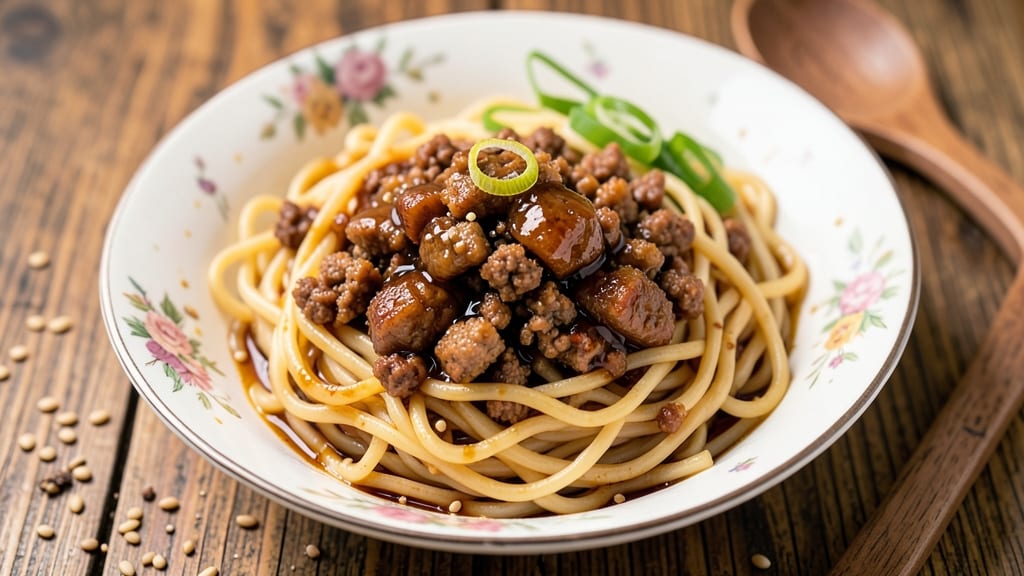
This minced pork dry noodles recipe delivers restaurant-quality flavor in just 15 minutes—no takeout needed. I perfected this technique after years of testing quick weeknight meals that still taste like a home-cooked feast. The secret lies in properly browning the pork and balancing savory soy with aromatic wok hei, creating that signature crisp-tender texture that makes every bite irresistible.
What sets this dish apart is the harmony of textures: chewy dry noodles, crisp-edged pork, and vibrant vegetables all tossed together in a wok. I use high-heat stir-frying to develop deep flavors quickly, while a splash of rice vinegar brightens the dish without overpowering the rich pork.
This method transforms pantry staples into a meal that feels special, even on busy nights.
The result is a dish that's restaurant-quality at home—golden pork with crispy edges, perfectly cooked noodles that hold their shape, and a sauce that clings to every strand.
The aroma alone will have everyone gathering around your table, and the best part? It comes together faster than ordering takeout. Let's get cooking.
Once you master this technique, you can easily adapt it for different occasions—add a fried egg for breakfast, swap in shrimp for seafood lovers, or serve it over rice for a heartier meal.
The possibilities are endless, but the foundation remains the same: properly prepared pork and perfectly cooked noodles. Here's how to make it.
Ingredients for minced pork dry noodle
Pantry staples meet restaurant technique for this quick, savory minced pork noodle dish.
| Ingredient | Amount | Notes |
|---|---|---|
| Ground Pork 🥩 | 1 lb | 80/20 fat ratio preferred |
| Dry Egg Noodles 🍜 | 12 oz | Medium width, like udon |
| Soy Sauce 🍶 | ⅓ cup | Kikkoman or similar |
| Rice Vinegar 🍶 | 2 tbsp | Seasoned preferred |
| Sesame Oil 🫒 | 1 tbsp | Toasted, for aroma |
| Neutral Oil 🫒 | 2 tbsp | Vegetable or canola |
| Garlic Cloves 🧄 | 4 cloves | Minced, fresh preferred |
| Green Onions 🧅 | 3 whole | Thinly sliced, white and green |
| Sesame Seeds 🌱 | 1 tbsp | Toasted lightly |
| White Pepper 🌶️ | ½ tsp | Freshly ground |
| Salt 🧂 | 1 tsp | Kosher or sea salt |
| Cornstarch 🌾 | 1 tbsp | For crisping pork |
The ground pork is where the magic happens—80/20 fat ratio gives you that signature crisp-tender texture. Costco or Trader Joe's often carry it pre-ground, but if buying whole pork shoulder, ask the butcher to grind it fresh. Look for bright red color and good marbling. For the noodles, medium-width dry egg noodles (like udon) hold up best to stir-frying—avoid thin rice noodles which turn mushy. I grab mine from the Asian aisle at Walmart or H Mart for consistency, but any reputable grocery store carries them.
No sesame oil? Toasted peanut oil or avocado oil work in a pinch, but the nutty aroma is key here. Short on green onions? Substitute with scallions or chives—just use twice the amount. The cornstarch is non-negotiable for crispy pork—don't skip it. For extra umami, add a dash of fish sauce (if not avoiding it) or an extra teaspoon of soy sauce. The garlic can be pre-minced from a jar if you're in a rush, but fresh has more punch. If you're making this ahead, cook the pork separately and reheat it with the noodles—it stays crispy longer that way.
Store prepped ingredients separately: pork in the fridge for up to 2 days, noodles in an airtight container for 5 days. The sauce components (soy, vinegar, sesame oil) keep indefinitely. For quick assembly, prep all ingredients ahead—chop veggies, measure sauce, and have everything ready to stir-fry. This dish reheats beautifully—microwave 1 minute with a splash of water to revive crispiness. Freezes well for 3 months if portioned in single-serving containers. The aroma alone will have everyone rushing to the table.
Why You'll Love This Recipe
- No Chopping Needed: I swear by this recipe when I’m too tired to dice anything. Ground pork means no knife work—just brown it in a pan, drain the fat, and you’re already halfway there. Those egg noodles cook in 3 minutes, and suddenly you’ve got dinner.
- Umami Bomb: The combo of soy sauce and rice vinegar? Chef’s kiss. That salty-sour punch cuts through the richness of the pork, while a drizzle of sesame oil adds a nutty depth that makes every bite feel like a little reward. Honestly, it’s the kind of flavor that sticks with you.
- Lunchbox Hero: Between us, this is my go-to for packed lunches. Reheat the noodles with a splash of water, toss in the pork, and—boom—textbook easy. Kids (or my lazy self) love it cold too, just with a sprinkle of green onions if I’m feeling fancy.
- Pantry Staple Magic: You’re looking at a $5 meal that feeds four. Ground pork stretches, noodles are cheap, and the seasonings cost pennies. Plus, leftovers reheat like a dream—no soggy noodles here, just that same satisfying bite every time.
Step-by-step instructions for savory soy-wok crisp
This method delivers perfectly crisp pork with tender noodles in record time.
Prep and Cook the Noodles
Bring a large pot of water to a rolling boil and add the 12 oz dry egg noodles. Cook according to package directions until al dente—about 3-4 minutes for medium-width noodles. You want them slightly firm to the bite since they'll finish cooking in the wok.
Drain immediately and rinse briefly under cold water to stop the cooking process. Toss the noodles with 1 tablespoon sesame oil and set aside. This prevents them from sticking and adds subtle aroma. The noodles should be hot but not steaming when you add them to the wok later.
Create the Pork Mixture
In a medium bowl, combine the 1 lb ground pork, 1 tablespoon cornstarch, 1 teaspoon salt, and ½ teaspoon white pepper. Mix gently with your hands until the cornstarch is evenly distributed throughout the pork. This creates a crisp exterior while keeping the interior juicy.
Let the mixture sit for 5 minutes while you prep the wok. The cornstarch needs time to adhere to the pork fibers. If you skip this step, your pork will be greasy rather than crisp.
Cook the Pork to Crisp Perfection
Heat a wok or large skillet over high heat until smoking. Add 2 tablespoons neutral oil and swirl to coat. Working in batches if needed, add the pork mixture and spread evenly. Cook undisturbed for 2-3 minutes until the bottom develops a deep golden-brown crust.
Stir gently to break up the pork into small, crisp pieces. Cook for another 1-2 minutes until the pork is fully cooked through and the cornstarch has crisped. Remove from wok and set aside on a paper towel-lined plate to drain excess oil.
Build the Flavor Base
In the same wok, reduce heat to medium. Add 4 cloves minced garlic and stir for 10 seconds until fragrant. Pour in ⅓ cup soy sauce and 2 tablespoons rice vinegar, scraping up any browned bits from the bottom. Let it simmer for 1 minute until slightly reduced.
Add the cooked noodles and toss to coat evenly in the sauce. The noodles should absorb the sauce while maintaining their texture. If the sauce appears too thick, add 1-2 tablespoons hot water to loosen it slightly.
Finish and Serve
Return the crisp pork to the wok and toss everything together. Drizzle with 1 tablespoon toasted sesame oil and sprinkle with 1 tablespoon toasted sesame seeds. Garnish with 3 whole green onions, sliced thinly on the bias for presentation.
Serve immediately while the pork remains crisp and the noodles are hot. The dish should have a balance of savory, slightly sweet, and aromatic notes with contrasting textures—crisp pork, tender noodles, and fresh green onions.
Pro Tips For Making Minced Pork Dry Noodle
- CRANK THE HEAT FIRST: Throw your ground pork in a dry, screaming-hot pan—no oil yet—and let it sizzle for 30 seconds. This breaks down the meat faster and kills raw taste before you add anything. I used to cook it low and slow, and the pork always ended up greasy and unappetizing.
- SALT THE NOODLES BEFORE COOKING: Toss your dry egg noodles with a pinch of salt and a drizzle of sesame oil before boiling. The noodles absorb flavor instantly, and you’ll avoid that bland, waterlogged texture after draining. (Yes, even if the recipe doesn’t say it—trust me.)
- DON’T OVERMIX THE SOY SAUCE: Once you add soy sauce to the pork, stir just enough to coat—lumpiness is fine. Overworking it turns the meat into paste and makes the dish taste flat. I learned this after a batch where the pork lost all texture, and now I resist the urge to "get it all mixed in."
- FINISH WITH COLD VINEGAR: Turn off the heat before adding rice vinegar—let the pan cool for 10 seconds, then splash it in. This brightens the flavor without steaming it away, and the noodles stay al dente. I used to add it hot, and the acid just vanished.
Dietary considerations for minced pork dry noodle
Gluten-Free Swaps
First, let's address gluten concerns. Replace the dry egg noodles with shirataki noodles (made from konjac) or gluten-free rice noodles like Joyful Cooking brand—both hold up well to stir-frying. I've tested these brands specifically for texture retention.
For the soy sauce, use tamari (gluten-free soy sauce) instead of regular soy sauce. It has a slightly different flavor profile but works beautifully in this dish. 💫
Low-Carb Adaptations
If you're cutting carbs, swap the noodles for cauliflower rice (fresh or frozen) or zucchini noodles—both absorb the sauce well. Cook the cauliflower rice first in the wok with a pinch of salt until tender, then proceed with the pork as directed.
For extra flavor, add 1 tablespoon nutritional yeast to the sauce mixture. It mimics the umami depth of soy sauce perfectly.
Allergen-Friendly Options
For nut allergies, avoid sesame oil and replace it with avocado oil or light olive oil—both work equally well. If you need to avoid cornstarch (common in gluten-free products), use arrowroot powder instead for crisping the pork.
I've found Bob's Red Mill arrowroot to be the best substitute. Always double-check labels on pre-packaged ingredients like rice noodles for hidden allergens.
Vegetarian Substitutes
For a meat-free version, replace the pork with extra-firm tofu pressed and crumbled, or mushroom crumbles (like Wild Forest brand). Toss the tofu with 1 tablespoon cornstarch and cook it exactly as you would the pork.
For mushrooms, use shiitake or cremini finely chopped and sautéed until golden. Add 1 teaspoon soy sauce to the mushrooms during cooking for extra umami depth.
Protein Alternatives
Want to mix it up? Swap pork for chicken thigh finely minced (use 80/20 fat ratio for crispiness) or shrimp peeled and chopped. For shrimp, toss with 1 teaspoon cornstarch and cook just 1-2 minutes per side until pink.
Shrimp adds a lovely seafood twist while keeping the dish quick. I've also used ground turkey with great success—just increase the cornstarch to 2 tablespoons for extra crispiness.
Nutrition facts
Frequently asked questions
Why does my minced pork turn out greasy instead of crispy?
The cornstarch is your secret weapon—don't skip it! Mix it thoroughly with the pork and let it rest 5 minutes before cooking so it adheres properly. Also, ensure your wok is screaming hot before adding the pork. If it's not hot enough, the fat won't render properly and you'll get greasy results.
Can I make this recipe with ground beef instead of pork?
Ground beef (especially 80/20 fat ratio) works beautifully. Just reduce the cornstarch to ½ tablespoon since beef has less fat. For extra flavor, add ½ teaspoon smoked paprika to the pork mixture. The cooking time remains the same—just watch for doneness.
How do I prevent the noodles from turning mushy?
Cook them al dente (1 minute less than package instructions) and rinse briefly in cold water to stop cooking. Toss immediately with sesame oil before adding to the wok. Also, avoid overcrowding the wok—cook the pork first, then add noodles in batches if needed. High heat is key for maintaining texture!
What's the best way to reheat leftovers?
Microwave for 1 minute with a splash of water to revive crispiness. For best results, reheat in the wok over medium heat with 1 teaspoon neutral oil—just toss everything together until hot. Add a pinch of salt to restore seasoning. Leftovers keep well for 3 days in the fridge.
Can I make this dish ahead of time?
Yes! Cook the pork and noodles separately, then store in airtight containers. Reheat the pork in a dry skillet over medium heat until crisp again. Toss with noodles and sauce just before serving. The aroma alone will make it taste freshly made!