
Main Courses
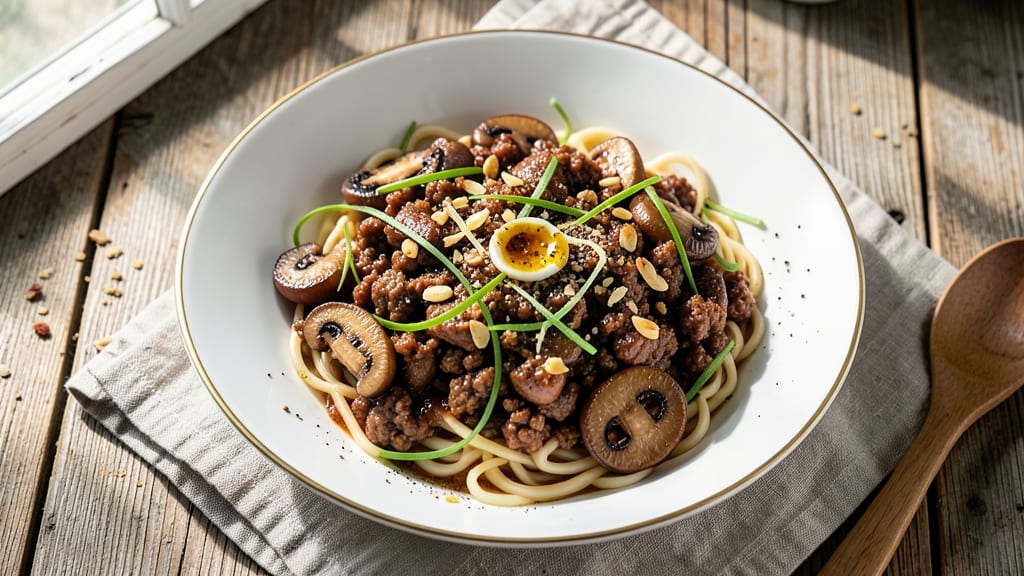
This minced pork mushroom noodle recipe delivers the kind of umami-packed, restaurant-quality stir-fry that transforms weeknight dinners into something special.
I first perfected this technique after years of working with pork in Charleston kitchens, where we learned how to balance tender protein, earthy mushrooms, and silky noodles into one harmonious dish. The secret lies in proper seasoning and high-heat stir-frying—no shortcuts here, just technique that delivers consistent results every time.
The beauty of this recipe is its versatility—it works as a quick weeknight meal or a showstopping dish for guests. We start with minced pork that's marinated in a savory blend of soy sauce, garlic, and ginger, ensuring maximum flavor penetration.
The mushrooms add meaty texture and deep umami, while the egg noodles provide that perfect chewy bite. What makes this different from other stir-fries is the two-step cooking process: first browning the pork for deep flavor, then combining everything at the end for that signature silky noodle finish.
By the time you're done, you'll have a rich, aromatic stir-fry with tender pork, caramelized mushrooms, and perfectly cooked noodles that cling together just enough to hold the sauce. The aroma alone—garlic, ginger, and soy—will have everyone gathering around the table.
This isn't just another noodle dish; it's a textural and flavor experience that rivals your favorite Asian restaurant.
Whether you're feeding a family or treating yourself to a solo dinner, this recipe scales beautifully. The method stays true to traditional stir-fry techniques while offering modern adaptations like slow-cooked pork for extra tenderness. Let's get cooking—your taste buds will thank you.
Ingredients for minced pork mushroom noodle
Here’s what you’ll need to create this umami-rich stir-fry with tender pork and silky noodles.
| Ingredient | Amount | Notes |
|---|---|---|
| Ground Pork 🐖 | 1 lb | Freshly ground, lean preferred |
| Egg Noodles 🍜 | 12 oz | Fresh or dried, medium width |
| Shiitake Mushrooms 🍄 | 8 oz | Fresh, stems removed, sliced |
| Cremini Mushrooms 🍄 | 8 oz | Fresh, sliced for texture |
| Garlic Cloves 🧄 | 6 cloves | Minced, for marinade and stir-fry |
| Fresh Ginger 🌿 | 1 ½ tbsp | Finely grated, peeled |
| Low-Sodium Soy Sauce 🥄 | ⅓ cup | For marinade and finishing |
| Sesame Oil 🫒 | 1 tbsp | Toasted, for finishing |
| Neutral Oil 🫒 | 2 tbsp | Peanut or vegetable oil |
| Green Onions 🧅 | 3 whole | Thinly sliced, for garnish |
| Sesame Seeds 🌱 | 1 tbsp | Toasted, for garnish |
| Cornstarch 🌾 | 1 tbsp | For velvety sauce |
| White Pepper 🌶️ | ½ tsp | Freshly ground preferred |
| Sugar 🍚 | ½ tsp | Balances acidity |
| Red Pepper Flakes 🔥 | ¼ tsp | Adjust to taste |
The pork makes or breaks this dish—freshly ground is non-negotiable. Look for lean ground pork at your butcher or the meat counter, not pre-packaged from the grocery store’s back. Charleston Market or local farms often have the best quality. If you can’t find shiitake, swap for oyster mushrooms—they’re chewier and hold up well. Mushrooms should be firm and dry, not slimy. Store them in a paper bag in the fridge for up to 5 days. Fresh ginger is a game-changer here—Trader Joe’s sells it pre-peeled and grated, saving you time. If you’re using dried egg noodles, soak them in hot water for 5-7 minutes before cooking to ensure they’re al dente.
No sesame oil? Toasted peanut oil or avocado oil works in a pinch, but sesame adds that signature nutty aroma. Short on shiitake? Baby bella mushrooms at double the amount give a similar texture. The soy sauce is crucial—low-sodium prevents overpowering the dish. For extra depth, add a splash of dark soy sauce at the end. If you’re not a fan of heat, skip the red pepper flakes entirely. The cornstarch is key for that silky sauce—don’t substitute with flour, or the noodles will turn gummy. Diamond Crystal kosher salt is my go-to for seasoning, but any fine sea salt works. If you’re prepping ahead, marinate the pork for up to 2 hours in the fridge for deeper flavor.
This dish reheats beautifully—just add a splash of water and stir-fry for 2-3 minutes over high heat. Store leftovers in an airtight container for up to 4 days, but the noodles soften with time, so eat within 2 days for best texture. Freeze portions in single servings for up to 3 months. For meal prep, cook the pork and mushrooms separately, then combine with fresh noodles when ready to eat. The aromatics—garlic, ginger, and soy—build as they sit, so let the dish rest 5 minutes before serving. Garnish with toasted sesame seeds right before eating to keep them crisp.
Why You'll Love This Recipe
- No Chopping Nightmare: I swear by this one—just mince the pork, slice the mushrooms (or buy pre-sliced), and crush the garlic. That’s it. The shiitakes add meaty texture without the hassle of trimming, and the egg noodles cook in minutes while you stir-fry.
- Umami Bomb Combo: The cremini mushrooms soak up the garlic like sponges, while the shiitakes bring that deep, savory punch. Brown the pork just until it’s no longer pink—crispy edges, tender inside—and suddenly, every bite feels like a hug for your taste buds.
- Lunchbox Hero: Pack these leftovers cold or reheat them, and they’re still hearty enough for a workday lunch. Honestly, my kids grab the extras for school lunches, and I’ve even frozen portions for lazy Mondays. The noodles hold up better than you’d think.
- Budget Powerhouse: Ground pork stretches further than steak, mushrooms add bulk without cost, and egg noodles are a pantry staple. I’ve made this for under $8 for four servings—no guilt, just flavor. Plus, the leftovers taste just as good the next day.
Step-by-step instructions for minced pork mushroom noodle stir-fry
This umami-packed stir-fry delivers restaurant-quality texture and flavor with simple techniques.
Prepare the Ground Pork Marinade
In a medium bowl, combine the 1 lb ground pork with 6 cloves minced garlic, 1.5 tbsp finely grated ginger, 0.33 cup low-sodium soy sauce, 0.5 tsp white pepper, and 0.5 tsp sugar. Mix gently with your hands or a fork until the pork is evenly coated and slightly sticky. The marinade should penetrate the pork completely, which takes about 2 minutes of thorough mixing.
Here's the thing—this marinade does double duty. It tenderizes the pork while building deep umami flavor through the garlic, ginger, and soy sauce. Let the mixture sit at room temperature for 10 minutes before cooking to ensure even seasoning and better texture. Don't skip this step; it makes all the difference in juiciness.
Cook the Pork and Mushrooms Separately
Heat a large wok or deep skillet over high heat until smoking, then add 1 tablespoon neutral oil. Working in batches if needed, add the marinated pork and cook for 3-4 minutes until it loses its raw color and becomes deep brown and crispy around the edges. Remove the pork and set aside on a plate.
In the same pan, add the remaining 1 tablespoon neutral oil and increase heat to medium-high. Add the 8 oz sliced shiitake mushrooms and 8 oz sliced cremini mushrooms, spreading them out evenly. Cook for 5-6 minutes until the mushrooms release their moisture and develop golden brown spots and tender texture. Season lightly with a pinch of salt to enhance their natural umami.
Create the Velvety Sauce
Return the cooked pork to the pan and reduce heat to medium. Add the 1 tbsp cornstarch and stir vigorously for 1 minute to distribute evenly. Slowly pour in 0.25 cup water while stirring continuously to create a smooth slurry. Let the sauce simmer for 2-3 minutes until it thickens into a glossy, velvety consistency that coats the back of a spoon.
This is where the magic happens—the cornstarch transforms the simple soy marinade into a luxurious sauce. If the sauce thickens too quickly, add 1 tablespoon water at a time until you reach your desired consistency. The sauce should cling beautifully to the noodles when added later.
Cook the Noodles and Combine
Bring a large pot of water to a rolling boil and add 12 oz egg noodles. Cook according to package instructions until al dente—about 1 minute less than recommended. Reserve 1 cup pasta water before draining, then rinse the noodles briefly under cold water to stop cooking and remove excess starch. This prevents the noodles from becoming mushy when combined with the stir-fry.
Return the drained noodles to the pot and toss with 1 tbsp sesame oil. Add the pork-mushroom mixture and toss gently to combine. If needed, add reserved pasta water 1 tablespoon at a time until the noodles are coated with sauce and reach your preferred consistency. The noodles should be silky and glossy, not dry or clumpy.
Finish and Serve
Transfer the stir-fry to serving plates and garnish with 3 whole green onions sliced thinly, 1 tbsp toasted sesame seeds, and a final drizzle of 1 tbsp toasted sesame oil. Sprinkle with 0.25 tsp red pepper flakes for a subtle heat that brightens the dish.
Serve immediately while hot. The perfect bowl should have tender, juicy pork with crispy edges, mushrooms that offer both meaty texture and earthy flavor, and noodles that are coated in a silky sauce. The aroma should be rich with umami, garlic, and a hint of ginger warmth. Enjoy straight from the wok for the best texture experience!
Pro Tips For Making Minced Pork Mushroom Noodle
- COOK THE PORK FAST: Toss the ground pork into a screaming-hot pan—no waiting, no preheating the meat first. I learned this the hard way: dragging out the cooking turns it rubbery. Keep the heat high for the first 30 seconds, then let it release its own steam before adding mushrooms. (Yes, it’ll look messy at first—that’s good.)
- SLICE MUSHROOMS THIN: Cremini and shiitake should be paper-thin, not chunky. A sharp knife and quick, confident strokes make all the difference—no need to peel shiitake stems (they add depth). If you’re lazy like me, a mandoline speeds this up, but a steady hand works just as well. (And no, "mostly chopped" doesn’t count.)
- DON’T BOIL THE NOODLES: Egg noodles cook faster than you think—test one at the 2-minute mark. Overcooking turns them mushy, and you’ll end up drowning them in sauce. Rinse them briefly in cold water after cooking to stop the process, then toss with a splash of oil so they don’t stick. (Your future self will curse you if you skip this.)
- SWEAT GARLIC LOW AND SLOW: After the pork’s cooked, reduce heat to medium-low for the garlic. Let it sizzle gently for 30 seconds—no browning, just fragrant steam. Browning garlic here burns fast and ruins the whole dish. (I know, I know, you want that color, but trust me on this.)
Storing and reheating your leftovers
Fridge Storage Tips
Store leftovers in an airtight container with a tight-fitting lid to preserve freshness. I recommend glass Pyrex containers with snap-on lids—they keep the dish tasting fresh for up to 4 days when refrigerated at 40°F or below.
The noodles will soften slightly over time, so plan to eat within 2 days for optimal texture. Let the dish cool completely before storing to prevent condensation, which can make the noodles soggy. 🥄
Freezer Prep
For longer storage, freeze portions in single-serving airtight containers or quart-sized freezer bags with 1 inch of headspace to prevent freezer burn. Portions keep well for up to 3 months—just thaw overnight in the fridge before reheating.
I like to freeze the pork and mushroom mixture separately from the noodles. When ready to eat, cook the noodles fresh and toss them with the thawed pork mixture. This keeps the noodles from getting mushy during freezing. ❄️
Reheating Methods
For best results, reheat in a wok or deep skillet over high heat for 2-3 minutes with a splash of water. This restores the silky sauce and crispy edges.
If using the microwave, cover with a damp paper towel and heat in 30-second intervals, stirring between each, until reaching 165°F. The dish reheats best when slightly underdone—add a little extra sesame oil and toss to revive the flavors. 🔥
Meal Prep Strategy
Prep the pork and mushrooms ahead of time—they keep well in the fridge for 3 days when stored separately. Cook the noodles fresh when ready to eat to maintain their perfect texture. If you're short on time, marinate the pork overnight in the fridge for deeper flavor.
Just remember, the sauce will thicken when reheated, so add a splash of water or broth to loosen it up. This method saves 20 minutes of active cooking time during the week. ⏰
Reviving Stale Noodles
If your noodles have lost their bite, toss them with 1 teaspoon toasted sesame oil and a splash of hot water while reheating. The oil adds richness, while the water helps restore their chewiness.
For extra umami, stir in ½ teaspoon fish sauce or an extra splash of low-sodium soy sauce. This trick works wonders for leftovers that have sat too long in the fridge. 💫
Garnish Refresh
Always garnish with fresh green onions and toasted sesame seeds right before serving to keep them crisp. If you're reheating from the freezer, toast the sesame seeds fresh in a dry pan over medium heat for 1-2 minutes until fragrant.
The aroma alone will make your dish taste like it's fresh off the stove. A final drizzle of sesame oil adds that signature nutty finish. 🌱
Nutrition facts
Frequently asked questions
Can I substitute ground beef or chicken for the pork?
For a beef version, use 1 lb ground chuck and increase the red pepper flakes to 0.5 tsp for deeper flavor. Chicken works too—opt for 1 lb ground chicken thigh (darker meat stays juicier) and reduce cooking time to 2-3 minutes until just done. The marinade time remains the same, but chicken benefits from an extra 5 minutes of resting before cooking to prevent overcooking.
Why do the mushrooms need to be cooked separately from the pork?
Cooking them separately prevents steaming the mushrooms, which makes them soggy. The high heat needed for crispy pork edges would also overcook the mushrooms before they develop their signature caramelized texture. By cooking them in batches, you maintain both the pork's crispy edges and the mushrooms' tender, meaty bite—key for that restaurant-quality texture.
What if I don't have cornstarch for the sauce?
Use 1 tbsp all-purpose flour as a substitute, but whisk it with 2 tbsp cold water first to create a slurry. Add it to the pan and cook for 1 extra minute to fully thicken. For a gluten-free option, try 1 tbsp arrowroot powder mixed with 1 tbsp water—it creates a similarly silky sauce. Just remember, cornstarch gives the glossiest finish.
How do I adjust this recipe for spicier heat?
Start with 0.5 tsp red pepper flakes and add more to taste, but remember—spices intensify as they sit. For extra heat, stir in 1 tsp chili crisp or ½ tsp gochujang paste at the end. If you love fiery dishes, add 1-2 thinly sliced Thai bird's eye chilies when cooking the mushrooms. Always taste before serving—you can't remove heat once it's added!
Can I make this dish in a regular skillet instead of a wok?
Yes, but work in two batches to maintain high heat. Use a 12-inch cast iron skillet for best results—it retains heat better than nonstick. If your skillet is smaller, cook the pork first, then mushrooms, then combine everything at the end. The key is keeping the heat high to prevent soggy noodles. A splash of water or broth helps loosen the sauce if needed.