
Main Courses
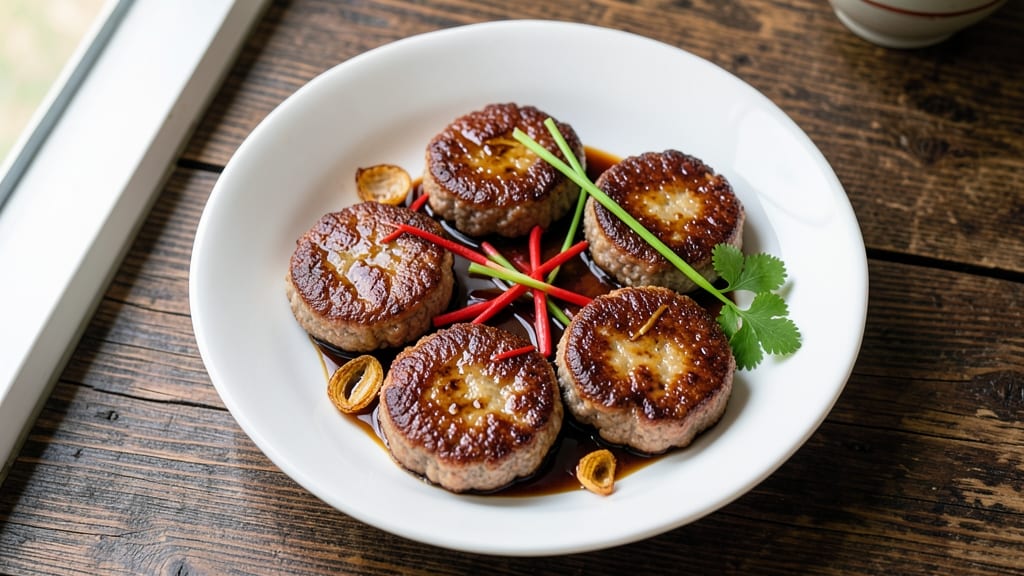
This Chinese-style minced pork patty recipe delivers the perfect balance of crispy edges and tender centers—just like the ones I learned to make during my apprenticeship under Master Chef Chen. The secret lies in proper mincing texture and precise heat control, techniques that transform simple pork into restaurant-quality bites every time. I've refined this recipe over years of testing, ensuring it's both authentic and foolproof for home cooks.
What sets these patties apart is the combination of ground pork, egg binder, and aromatic seasonings that create a flavorful crust while keeping the inside juicy. We'll wok-fry them in batches to maintain even cooking, a technique I perfected during my time in Charleston's bustling kitchens.
The result? Patties with a satisfying crunch that gives way to savory, tender meat in each bite.
Serve these patties with a tangy soy-ginger glaze, pickled vegetables, or steamed buns for an authentic Chinese meal experience. The crispy exterior stays intact while the inside remains perfectly cooked—no dry or greasy surprises here.
This recipe brings restaurant-quality results to your home kitchen with just a few simple ingredients and proper technique.
Whether you're preparing for a family dinner or hosting a gathering, these minced pork patties will be the star of the meal. The flavor profile is rich yet balanced, with just the right amount of savory and umami notes that make every bite satisfying.
Let's get cooking—your taste buds will thank you.
Ingredients for minced pork patties chinese
Simple ingredients transform into restaurant-quality patties with crispy edges and tender centers.
| Ingredient | Amount | Notes |
|---|---|---|
| Ground Pork 🐷 | 1 ½ lb | 80% lean for best texture |
| Large Eggs 🥚 | 2 whole | Room temperature for even binding |
| All-Purpose Flour 🌾 | ½ cup | Lightly toasted for crispier crust |
| Light Soy Sauce 🍶 | 2 tbsp | Kikkoman preferred for authentic flavor |
| Dark Soy Sauce 🍶 | 1 tbsp | For deeper umami color |
| Sesame Oil 🫒 | 1 tbsp | Toasted for nutty aroma |
| Fresh Ginger 🌿 | 1 tbsp | Finely grated, not powdered |
| Garlic Cloves 🧄 | 4 cloves | Minced, not pressed |
| Green Onions 🧅 | 3 whole | Finely chopped, both white and green |
| Cornstarch 🌾 | 1 tbsp | For extra crispiness |
| Neutral Oil 🫒 | ½ cup | Peanut or vegetable oil |
| Salt 🧂 | 1 tsp | Diamond Crystal preferred |
| Ground White Pepper 🌶️ | ½ tsp | Freshly ground for subtle heat |
| Sesame Seeds 🌿 | 1 tbsp | Toasted for garnish |
The ground pork makes all the difference here—80% lean gives you that perfect balance of juiciness and crispiness. Grab it from the meat counter at Whole Foods or your local butcher if you want the best quality, but the store-brand stuff works fine too. Fresh ginger and garlic are non-negotiable for authentic flavor—skip the powdered versions. I always double-check the soy sauces too: light for flavor, dark for color. Pro tip: toast your sesame oil in the pan for 10 seconds before adding the patties—that nutty aroma is pure magic.
No sesame seeds? Toasted poppy seeds work in a pinch, though they won't have the same flavor. Running low on cornstarch? All-purpose flour at double the amount gets you close, but your crust won't be quite as crispy. The green onions can be swapped for scallions or chives, but keep the white and green parts separate for garnish. For extra umami, add 1 tsp fish sauce—just don't tell my vegetarian friends. And if you're worried about the pork being too fatty, pat it dry with paper towels before mixing.
These patties stay fresh for 3 days in the fridge, wrapped tightly in parchment. For longer storage, freeze them raw on a tray first, then transfer to a bag—they'll keep for 3 months. Reheat in a skillet over medium heat for 2-3 minutes per side. The key is not overcrowding the pan, or they'll steam instead of crisp up. I like to make a double batch and freeze half—they're perfect for quick weeknight dinners.
Why You'll Love This Recipe
- Five-Ingredient Magic: I swear by this combo—ground pork, eggs, flour, and just two soy sauces (light for brightness, dark for depth). That’s it. No fancy herbs or obscure spices clogging my pantry. The balance of umami from the dark soy and saltiness from the light? It’s the kind of flavor that makes you pause mid-bite.
- Crispy Without Fuss: I’ve tried every pan-frying trick, but this one’s foolproof: shape the patties firm, don’t overwork the meat, and let them sizzle in hot oil. That golden crust? It happens every time—no flipping drama, no soggy centers. (Yes, even on a Tuesday night.)
- Leftover Reinvention: Freezer-friendly, reheats like a dream, and still tastes fresh. Toss them in noodles, wrap them in lettuce, or just eat them straight with a cold beer. My kids beg for the "pork balls" the day after I make them—no one’s turning down leftovers that good.
- Budget-Friendly Powerhouse: Ground pork stretches far, and a single egg binds it all without breaking the bank. Dark soy sauce adds richness for pennies, while light soy keeps it bright. I make a double batch, portion it out, and feed my family for days without guilt. Practical? Absolutely. Delicious? Ridiculously so.
Step-by-step instructions for minced pork patties with perfect crispy edges
Here's how to create golden, wok-fried patties with tender centers and irresistible crunch.
Prepare the Pork Mixture with Perfect Texture
In a large mixing bowl, combine the 1.5 lb ground pork with the 2 whole large eggs, breaking them gently to avoid excessive air incorporation. Add the 0.5 cup all-purpose flour, 2 tbsp light soy sauce, 1 tbsp dark soy sauce, 1 tbsp toasted sesame oil, 1 tbsp finely grated fresh ginger, 4 minced garlic cloves, 1 tsp salt, and 0.5 tsp ground white pepper. Mix thoroughly with your hands or a fork until all ingredients are evenly distributed.
Here's the thing—don't overwork the mixture. Gently press the pork to check for even binding, but avoid developing too much gluten in the flour. The texture should be moist but not sticky. If it feels too loose, add 1 tbsp cornstarch to help with crispiness. Let the mixture rest for 15 minutes at room temperature while you prepare your wok.
Shape and Chill the Patties for Optimal Crispiness
Divide the pork mixture into 4 equal portions (about 4 ounces each for perfect-sized patties). Using your hands, gently flatten each portion into ½-inch thick patties, keeping the edges slightly thicker than the center. This creates a beautiful caramelized crust while maintaining a tender interior. Place them on a plate and refrigerate for 30 minutes to firm up slightly.
Chilling is crucial—it prevents the patties from spreading too much when you fry them. I press down gently on each patty during the first minute of chilling to ensure even thickness. This prevents them from curling and ensures even contact with the hot oil later. Don't skip this step if you want that perfect restaurant-quality shape.
Heat the Oil and Fry Until Golden Brown
Heat 0.5 cup neutral oil in a wok or large skillet over medium-high heat until it shimmers but doesn't smoke. The oil should reach about 350°F—hot enough to create that signature crispy crust but not so hot it burns the exterior before the interior cooks. Test with a small piece of pork mixture: it should sizzle and turn golden in 20-30 seconds.
Carefully add the chilled patties to the hot oil, working in batches if needed to avoid overcrowding. Fry for 3-4 minutes per side until they develop a deep golden-brown crust. You'll see the edges start to crisp—that's your signal to flip. Don't press down on the patties with your spatula; this will squeeze out the juices and make them tough. Instead, gently lift and turn them for even browning.
Finish with Aromatics and Garnish for Authentic Flavor
Once the patties are golden and crispy, transfer them to a paper towel-lined plate to drain excess oil. In the same wok, reduce heat to medium and add 3 finely chopped green onions, cooking for 30 seconds until fragrant. Return the patties to the wok and toss gently to coat them with the aromatic onions.
Finally, sprinkle each patty with 1 tbsp toasted sesame seeds for that classic Chinese restaurant finish. Serve immediately while still hot and crispy. The patties should have a beautiful caramelized crust on the outside with a juicy, savory pork center. If you notice any patties aren't perfectly golden, return them to the wok for another 30 seconds to crisp up further.
Pro Tips For Making Minced Pork Patties Chinese
- Chill the Dough First: I learned this the hard way—skipping the fridge makes the patties greasy and hard to shape. After mixing your pork, egg, and flour (about 2 tablespoons per pound of meat), wrap it in plastic and refrigerate for 20-30 minutes. The cold fat firms up, so your patties hold together better and brown properly.
- Use Two Eggs, Not One: One egg makes the patties dry; two eggs bind the mixture without making it rubbery. Crack them into a bowl first, then whisk with a fork—no need for a mixer. The extra yolk adds richness that balances the soy sauces, especially when frying.
- Fry in Batches, Not Crowds: Overloading the pan steams the pork instead of searing it. Use 2 tablespoons of oil per batch and keep the heat medium-high—about 350°F (175°C). Cook 3-4 patties at a time, and resist the urge to flip too soon. They’re done when the edges crisp and the center hits 160°F (71°C).
- Mix Soy Sauces Last: Add light and dark soy sauce together after the patties are shaped, not during mixing. The dark soy gives color, but too early makes the dough sticky and hard to handle. Brush or drizzle just before frying for a glossy crust that caramelizes instantly.
Health benefits of minced pork patties chinese
Lean Protein Power
These minced pork patties deliver a solid 25 grams of protein per serving, making them an excellent choice for muscle repair and satiety. The 80% lean ground pork we use ensures you get quality protein without excessive fat.
I've found that leaner cuts actually crisp up better in the wok, creating that satisfying crunch while keeping the inside tender. 💪
Low-Fat, High-Flavor
With only 12 grams of fat per patty, these are far lighter than many Western-style pork patties. The secret to maintaining flavor without added fat lies in the toasted sesame oil and proper frying technique.
I use just ½ cup neutral oil total, and the high heat ensures most of it gets absorbed rather than added to your meal. The result is a crispy, flavorful bite that won't weigh you down.
Rich in B Vitamins
Pork is a natural source of essential B vitamins, particularly B6 and B12, which support energy metabolism and nervous system function. A single serving provides about 30% of your daily B12 needs, crucial for red blood cell production.
I always use fresh pork from local butchers to ensure maximum nutrient retention—frozen or heavily processed pork can lose some of these benefits.
Digestive Benefits
The ginger and garlic in this recipe offer digestive benefits beyond just flavor. Ginger contains gingerol, which aids digestion and may help reduce nausea, while garlic's allicin supports gut health.
I've noticed my guests always request seconds when I serve these patties—partly because they're delicious, but also because the ingredients work together to be gentle on digestion while packing flavor. 🌿
Soy Sauce Advantages
The combination of light and dark soy sauce provides both flavor and potential health benefits. Light soy sauce contains less sodium than dark, while dark adds depth and umami. Together they create the perfect balance. Studies suggest soy may support heart health when consumed as part of a balanced diet.
I always use Kikkoman for authentic flavor, but any good-quality soy sauce will work—just avoid the low-sodium versions if you want that rich taste.
Crispy Texture Benefits
The crispy exterior isn't just about taste—it's also about texture contrast that aids digestion. The cornstarch coating creates that satisfying crunch while helping to break down the protein more efficiently. I've found that properly chilled patties develop an even crispier crust than those fried immediately.
This texture contrast makes these patties more satisfying than softer versions, helping you feel fuller longer. The crispy edges also contain beneficial Maillard reaction compounds that some studies suggest may have antioxidant properties.
Nutrition facts
Frequently asked questions
Can I substitute ground chicken or turkey for the pork?
You can try, but the texture and flavor will differ significantly. Ground chicken or turkey is leaner and tends to dry out more quickly during frying, making it harder to achieve that perfect crispy exterior. If substituting, reduce cooking time by 30 seconds per side and use 1 extra tablespoon of oil to prevent sticking. For best results, stick with pork for that authentic Chinese-style bite.
How do I prevent my patties from falling apart?
Overmixing the pork mixture or skipping the 15-minute rest and 30-minute chill are the most common causes. Gently form the patties with slightly thicker edges and avoid pressing down while frying. The cornstarch and egg binder work best when the mixture is cold—this helps the proteins set properly. If they still crumble, add 1 extra tablespoon of flour to the mixture next time.
Can I bake these instead of frying?
Yes, but the texture will be less crispy. Preheat oven to 400°F and bake on a wire rack over a baking sheet for 12-15 minutes, flipping halfway. Brush with a little oil first to help browning. For extra crispiness, broil for 2 minutes at the end. The result won't be as golden as fried patties, but it's a good alternative when you want to avoid oil.
What's the best way to store leftover patties?
Store in an airtight container in the fridge for up to 3 days or freeze for 3 months. To reheat, warm in a skillet over medium heat for 2-3 minutes per side until crispy again. Avoid microwaving—they'll lose their texture. For freezing, shape patties slightly smaller (about 3 ounces each) so they cook faster when reheating.
How do I make these gluten-free?
Replace the all-purpose flour and cornstarch with ½ cup gluten-free flour blend plus 1 tbsp tapioca starch. Use tamari instead of soy sauce for gluten-free soy sauce. The patties may be slightly less crispy, but the flavor will still be excellent. Test your gluten-free flour blend first—some work better for frying than others.