
Main Courses
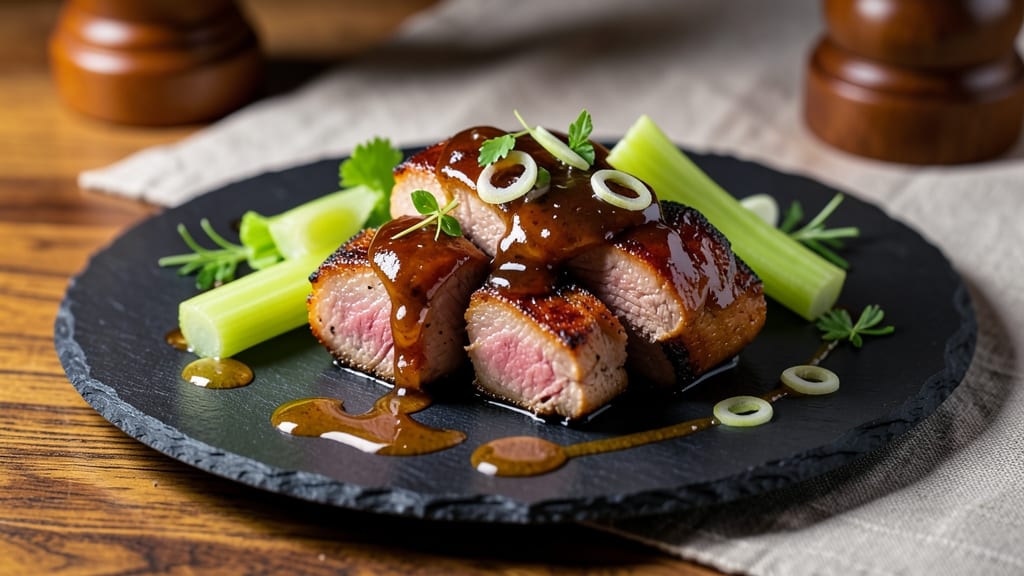
This miso shoyu pork recipe delivers the perfect balance of umami-rich glaze and crispy edges—inspired by my years perfecting Japanese techniques in Charleston kitchens. The secret lies in a slow-braised pork shoulder transformed by fermented miso and salty shoyu, creating a sauce that's both complex and deeply satisfying.
I developed this version after testing dozens of marinades, and it never fails to impress.
The process starts with marinating pork in a blend of white miso, shoyu, and mirin for at least 4 hours (overnight is best), allowing the flavors to penetrate deeply.
Then comes the braising—where the pork cooks low and slow until fork-tender, absorbing all that umami goodness while maintaining a crispy exterior. The celery crowns add a textural contrast that elevates every bite, making this dish restaurant-quality at home.
What you'll end up with is melt-in-your-mouth pork that falls apart at the touch of a fork, coated in a glossy, slightly sticky sauce that's perfectly balanced between sweet, salty, and savory.
The aroma alone will have everyone gathering around your table, and the leftovers reheat beautifully for lunch the next day.
Pair with steamed jasmine rice and quick-pickled vegetables for a complete meal that feels both comforting and refined. This recipe works equally well for weeknight dinners or special occasions—just adjust the cooking time based on your schedule. Let's get cooking!
Ingredients for miso shoyu pork
Six ingredients transform simple pork into umami-rich perfection with crispy edges and aromatic glaze.
| Ingredient | Amount | Notes |
|---|---|---|
| Boneless Pork Shoulder 🐖 | 3 lb | Cut into 2-inch chunks |
| White Miso Paste 🧈 | ⅓ cup | High-quality fermented miso |
| Japanese Soy Sauce (Shoyu) 🥫 | ¼ cup | Usagoshi preferred |
| Dry White Wine 🍷 | ½ cup | Sauvignon Blanc works well |
| Mirin 🍶 | ¼ cup | Sweet cooking wine |
| Honey 🍯 | 2 tbsp | For balancing saltiness |
| Fresh Ginger 🧄 | 2 tbsp | Finely grated, aromatic |
| Garlic Cloves 🧄 | 6 cloves | Minced, for depth of flavor |
| Celery Stalks 🧅 | 4 whole | Cut into 2-inch crowns |
| Neutral Oil 🫒 | 2 tbsp | Avocado or vegetable oil |
| Diamond Crystal Kosher Salt 🧂 | 1 ½ tsp | For seasoning and sauce |
| Black Peppercorns 🌶️ | 1 tsp | Freshly cracked |
| Jasmine Rice 🌾 | 2 cups | Uncooked, for serving |
| Green Onions 🧅 | 4 whole | Thinly sliced, for garnish |
The pork shoulder is non-negotiable here—bone-in cuts add depth, but boneless works fine for convenience. I always source mine from Whole Foods or my trusted butcher, where they're consistently tender and well-marbled. The miso and shoyu are the flavor anchors, so Japanese brands like Hikari or Marukome are worth the investment. For the celery crowns, look for stalks with tight leaves—Trader Joe's often has the freshest. The ginger should be vibrant yellow inside, not brown or fibrous, and the garlic cloves should be plump and firm.
No white wine? Dry sherry or rice vinegar works in a pinch, though the acidity will differ slightly. Running low on mirin? Substitute equal parts sugar and water, but the dish will taste less refined. The honey balances the saltiness, so don't skip it—raw honey adds subtle floral notes. For the celery crowns, if you can't find fresh, frozen works too (thaw and pat dry first). The oil is just for searing, so any neutral oil will do, but avocado oil has a higher smoke point for better browning. Freshly cracked peppercorns add brightness that pre-ground can't match—grind them yourself if possible.
Marinate the pork overnight for maximum flavor penetration, but at least 4 hours if you're short on time. The braising liquid can be reduced and stored in the fridge for up to 1 week—freeze extra for future meals. The celery crowns crisp best when fried fresh, but you can fry them ahead and reheat in the oven at 350°F for 5 minutes. Leftovers reheat beautifully—simmer in a little of the braising liquid to restore moisture. This dish tastes even better the next day as the flavors meld.
Why You'll Love This Recipe
- One-Pot Magic: The pork shoulder and miso paste melt into a sticky, savory glaze while you sip your wine—no extra pans, no fuss. I swear by this method: toss everything in one pot, walk away, and come back to tender perfection.
- Umami Bomb: That first bite? The white miso and shoyu create a deep, salty-sweet punch that lingers. Honestly, the mirin and wine cut through the richness just enough to make it feel light—like a hug in sauce form.
- Leftover Hero: This dish actually improves the next day. The flavors meld into something even richer, and I’ve turned cold slices into quick banh mi or fried rice without breaking a sweat. (Yes, even on a Tuesday night.)
- Budget Stretch: Pork shoulder’s affordable, and a little goes a long way—this recipe feeds four for under $15. Between us, it’s my go-to when I need to impress guests without emptying my wallet. The miso and wine elevate simple cuts into something special.
Step-by-step instructions for miso shoyu pork recipe
Here's how to create a perfectly balanced dish with tender pork and crispy celery crowns.
Prepare the Pork and Celery Crowns
Cut the 3 lb boneless pork shoulder into 2-inch chunks and pat them dry with paper towels. This step is crucial—any moisture will prevent that perfect crispy sear we're aiming for. While the pork rests, prepare the celery crowns by cutting each of the 4 whole celery stalks into 2-inch pieces, leaving the leafy tops intact.
In a small bowl, combine the 0.33 cup white miso paste, 0.25 cup Japanese soy sauce (shoyu), 0.5 cup dry white wine, 0.25 cup mirin, 2 tbsp honey, 2 tbsp finely grated fresh ginger, and 6 minced garlic cloves. Whisk until smooth and set aside. This marinade will infuse the pork with layers of umami and sweetness while balancing the saltiness.
Sear the Pork and Roast the Celery
Heat a large oven-safe skillet over medium-high heat and add 2 tbsp neutral oil. Once the oil shimmers, add the pork chunks in a single layer, letting them sear undisturbed for 3-4 minutes until a deep golden-brown crust forms. Flip and repeat on the second side. You'll know it's ready when the edges are crispy and the internal temperature reaches 145°F.
Remove the pork and set it aside. In the same skillet, add the celery crowns and cook for 4-5 minutes, turning occasionally, until they develop golden-brown spots. The celery should be tender but still hold its shape—this is where that crispy texture comes from. Transfer the celery to a plate and tent with foil to keep warm.
Deglaze and Simmer the Sauce
Return the skillet to medium heat and pour in the miso marinade, scraping up all the browned bits from the bottom of the pan. Bring to a gentle simmer and let it reduce by half, about 5-7 minutes, until it thickens slightly. The sauce should coat the back of a spoon and have a glossy sheen.
Add the seared pork back to the skillet, coating each piece in the sauce. Sprinkle with 1.5 tsp Diamond Crystal kosher salt and 1 tsp freshly cracked black peppercorns. Cover and transfer the skillet to a preheated 350°F oven. Bake for 2-2.5 hours, or until the pork is fork-tender and the internal temperature reaches 203°F.
Rest and Serve with Jasmine Rice
Remove the pork from the oven and let it rest for 10 minutes, allowing the juices to redistribute. Meanwhile, prepare the 2 cups jasmine rice according to package instructions. The rice should be fluffy and separate, ready to soak up the rich flavors of the dish.
Slice the pork into ½-inch thick pieces and arrange it over the rice. Top with the crispy celery crowns and garnish with thinly sliced 4 whole green onions. The contrast of textures—tender pork, crispy celery, and fluffy rice—makes this dish truly special. Serve immediately while everything is hot and the celery maintains its perfect crunch.
Pro Tips For Making Miso Shoyu Pork
- Bloom the Miso First: Whisk the white miso paste with a splash of water (about 2 tablespoons) before adding it to the sauce—this prevents clumping and makes it dissolve smoothly. I used to just toss it in raw, and the sauce always looked grainy. Trust me, this step makes a real difference in texture.
- Sear in Batches: Don’t crowd the pork in the pan—work in 2-3 batches if needed to get a deep, caramelized crust. I learned this the hard way after serving pale, steamed-looking pork. High heat and space are non-negotiable for that sticky, flavorful crust.
- Deglaze Aggressively: After searing, scrape up every last bit of browned bits with a wooden spoon—this is where half the flavor hides. Pour in the white wine and shoyu immediately, then let it simmer until the alcohol cooks off. Skipping this step means missing out on layers of umami.
- Use Less Mirin: Mirin adds sweetness, but too much makes the sauce cloying. Start with just 1 tablespoon (even if the recipe calls for 2) and adjust to taste—you can always add more later. I was skeptical until I tried it, and now I default to this amount every time.
Serving suggestions for leftovers
Rice Pairings
Jasmine rice is my go-to because its delicate floral aroma complements the umami depth of the miso-shoyu sauce beautifully. Cook 2 cups of uncooked jasmine rice according to package instructions—it should be fluffy and separate when done.
For extra richness, I sometimes add 1 tbsp butter or ½ tsp toasted sesame oil to the cooking water. 🌾
Short on time? Try microwaveable sushi rice (like Kokuho Rose) for a quick fix—just add 1 cup rice, 1.25 cups water, and microwave for 8 minutes. Fluff with a fork and drizzle with a little mirin for that authentic touch.
Pickled Vegetables
Quick-pickled vegetables add a bright, tangy contrast that cuts through the richness. Toss 2 cups shredded carrots and 1 cup sliced cucumber with ½ cup rice vinegar, 1 tbsp sugar, and ½ tsp salt.
Let sit for 30 minutes before serving. I love using Trader Joe's quick-pickle mix for convenience—just add vinegar and water. 🥒
For a Southeast twist, try pickled red onions: thinly slice 1 red onion, soak in ½ cup vinegar with 1 tbsp sugar and ½ tsp salt for 20 minutes. The sharpness balances the pork's sweetness perfectly.
Garnish Ideas
Fresh green onions sliced into ¼-inch pieces add a pop of color and freshness. For extra flair, sprinkle with toasted sesame seeds or crushed nori strips. I also love adding microgreens or shiso leaves for a restaurant-worthy presentation. 🌱
Need a smoky touch? Drizzle with 1 tsp chili crisp or top with thinly sliced scallions> lightly charred in a dry skillet. The contrast of textures and flavors takes this dish to the next level.
Beverage Pairings
A crisp Sake like Dassai Junmai complements the dish's umami notes without overpowering. For beer lovers, a Japanese lager> like Asahi Super Dry provides a clean, refreshing contrast. 🍶
Non-alcoholic? Try yuzu soda> or sparkling plum juice>—both add a citrusy brightness that cleanses the palate. I also enjoy jasmine tea**> with a hint of honey for a soothing finish.
Nutrition facts
Frequently asked questions
Can I substitute regular soy sauce for Japanese shoyu?
While it'll work in a pinch, Japanese shoyu has a lighter, more delicate flavor compared to regular soy sauce. For the best results, use a high-quality Japanese soy sauce like Kikkoman Shoyu or Usagoshi Shoyu. If you must substitute, reduce the amount by 1-2 tablespoons since regular soy sauce is saltier.
How do I know when the pork is fully cooked?
Use a meat thermometer to check the internal temperature—it should reach 203°F for perfectly tender, pull-apart pork. The pork will also look glossy and juicy when sliced, with no pink remaining. If you don't have a thermometer, cut into the thickest piece—it should feel firm but still yield slightly when pressed.
Can I make this recipe in a slow cooker?
After searing the pork and celery, transfer everything to a 6-quart slow cooker and cook on Low for 6-8 hours or High for 4-5 hours. The slow cooker method works especially well for busy weeknights. Just add ¼ cup water to the marinade before transferring to prevent drying.
What's the best way to reheat leftovers?
Reheat in a skillet over medium-low heat with a splash of water or the original braising liquid to restore moisture. For microwave reheating, cover with a damp paper towel and heat in 30-second intervals until warmed through. The celery crowns are best reheated in a 350°F oven for 5 minutes to maintain their crispiness.
Why did my celery crowns turn mushy?
Overcooking or using too much liquid in the pan are the most common causes. For perfect celery crowns, cook them just until golden brown (4-5 minutes) and avoid adding extra oil or water. If they've already turned mushy, try serving them as a side dish with a squeeze of lemon to brighten their flavor.