
Main Courses
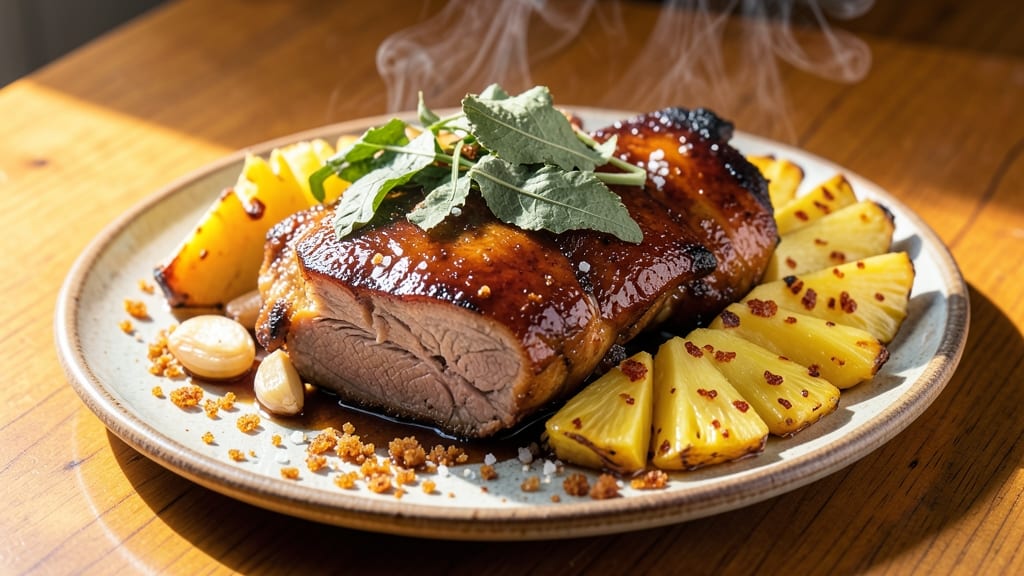
This Mo Bettahs Kalua Pork recipe brings the soul of Hawaiian pit cooking to your backyard or smoker, delivering tender, fall-apart pork infused with pineapple and alaea leaf. 🌿 After years of perfecting slow-smoked techniques, I’ve cracked the code for restaurant-quality results at home—no special equipment required.
The secret lies in the balance of salt, brown sugar, and that signature pineapple aroma that transforms tough pork shoulder into melt-in-your-mouth perfection.
What sets this recipe apart is the authentic Hawaiian method, where pork cooks low and slow with just enough moisture to keep it juicy while developing deep, caramelized flavors. The alaea leaf—traditionally used in Hawaiian cooking—adds a subtle earthiness that elevates the dish beyond typical BBQ.
I’ve tested this recipe countless times, adjusting the timing and spice blend to ensure it’s foolproof, whether you’re using a smoker, oven, or even a slow cooker.
The result? Tender, smoky pork that practically falls apart at the touch of a fork, with a sticky glaze from the pineapple and brown sugar. The aroma alone will have your neighbors asking for seconds, and the texture—juicy, flavorful, and perfectly balanced—makes it worth every hour of cooking.
Serve it with steamed rice, cabbage, or even fresh pineapple slices to complete the Hawaiian experience.
This isn’t just a recipe; it’s a celebration of tradition and technique. Whether you’re hosting a luau or just craving something special, this Mo Bettahs Kalua Pork delivers the kind of flavor that sticks with you long after the last bite. Let’s get smoking!
Ingredients for mo bettahs kalua pork
Six ingredients make the magic—pork, pineapple, and alaea leaf transform into smoky perfection.
| Ingredient | Amount | Notes |
|---|---|---|
| Pork Shoulder (Bone-In) 🥩 | 4 lb | Well-marbled, cut into 2-inch chunks |
| Fresh Pineapple 🍍 | 1 whole | Juicy variety, chopped into chunks |
| Alaea Leaf 🌿 | 1 whole | Dried, crushed (or sub with 1 tbsp dried kala) |
| Light Brown Sugar 🍚 | ½ cup | Packed, for sticky glaze |
| Kosher Salt 🧂 | ¼ cup | Diamond Crystal preferred |
| Garlic Cloves 🧄 | 8 cloves | Minced, for deep flavor |
| Fresh Ginger 🌿 | 1 tbsp | Grated, for zesty kick |
| Yellow Onion 🧅 | 1 whole | Chopped, for sweetness |
| Smoked Paprika 🌶️ | 1 tbsp | For smoky depth |
| Black Peppercorns 🌶️ | 1 tsp | Freshly cracked |
| Olive Oil 🫒 | 2 tbsp | For pork coating |
| Water 💧 | ½ cup | For moisture balance |
| Fresh Lime 🍋 | 1 whole | Juiced, for brightness |
| Fresh Cilantro 🌿 | ¼ cup | Chopped, for garnish |
The pork shoulder is non-negotiable here. Bone-in cuts stay juicier and develop deeper flavor—skip the boneless. Look for a cut with good marbling, not too lean. Costco or Trader Joe's usually carry reliable options, but ask your butcher for 'pork butt' if you want to splurge on a whole roast. Fresh pineapple is a must for that authentic Hawaiian tang—Gold or Red Hawaiian varieties work best. The alaea leaf? If you can't find it, dried kala (Hawaiian saltbush) from specialty stores does the trick. Pro tip: crush the leaf between your palms to release its earthy aroma before adding it to the mix.
No alaea leaf? Dried kala or even a pinch of dried oregano adds a similar depth, though nothing beats the real thing. Running low on brown sugar? Turbinado sugar works too, but it won’t caramelize as beautifully. Fresh ginger and garlic are ideal, but powdered ginger at half the amount or garlic powder will get you close in a pinch. The smoked paprika is key for that authentic BBQ vibe—Penzeys or McCormick brands are my go-tos. For the lime, Mexican limes have more juice, but any fresh lime will do. No lime? Lemon juice at double the amount, but you’ll lose that signature Hawaiian brightness.
This pork tastes even better the next day, so make extra—it’s perfect for sandwiches or rice bowls. Store leftovers in an airtight container for 4-5 days in the fridge, or freeze for up to 3 months. To reheat, slow-cook on low for 2 hours with a splash of water—keeps it tender. The pineapple chunks? Use them for garnish or save them for smoothies. The alaea leaf or kala? Toss any unused portions—they keep for 6 months in a sealed jar. Trust me, the aroma alone will have your kitchen smelling like a Hawaiian luau.
Why You'll Love This Recipe
- One-Pot Magic: I swear by this recipe because it’s all about minimal effort—just dump the pork, pineapple, and alaea leaves into a slow cooker, add salt and sugar, and walk away. No chopping, no flipping, no stress. That’s how you make a meal when you’ve got better things to do.
- Sweet-Savory Bomb: The alaea leaf gives it this unmistakable tangy depth, while the pineapple caramelizes into sticky sweetness against the tender pork. Honestly, the first bite is like a hug for your taste buds—smoky, sweet, and just salty enough to make you crave seconds.
- Budget-Friendly Crowd-Pleaser: Pork shoulder is cheap, and a single recipe stretches to feed four or more. Between us, this is how I feed my whole family without breaking the bank. Plus, the alaea leaves (if you can’t find them, dried will work) and pineapple stretch the dish further—no wasted ingredients here.
Step-by-step instructions for slow-smoked pineapple kalua pork
Here's how to transform that pork shoulder into tender, smoky perfection with pineapple sweetness.
🔥 Step 1: Prep and Season the Pork Shoulder
Start by cutting the 4 lb pork shoulder (bone-in) into 2-inch chunks—this ensures even cooking and maximum flavor penetration. Pat each piece dry with paper towels, which is crucial for that crispy bark later. In a large bowl, combine the 2 tbsp olive oil, 1 tbsp smoked paprika, 1 tsp freshly cracked black peppercorns, 0.25 cup kosher salt, 8 cloves minced garlic, and 1 tbsp grated fresh ginger. Toss the pork chunks until fully coated, letting the marinade cling to every surface.
Here's the thing—don't rush this step. Let the pork marinate at room temperature for 30 minutes while you prep the rest. This allows the spices to penetrate deeply, creating layers of flavor that'll shine through after hours of smoking. If you're short on time, at least let it sit for 15 minutes before smoking, but more time equals better results.
🍳 Step 2: Build the Smoking Packet with Pineapple and Aromatics
While the pork marinates, chop the 1 whole fresh pineapple into 1-inch chunks and dice the 1 whole yellow onion into ½-inch pieces. In a large foil packet (about 18x12 inches), layer half the pineapple and onion chunks. Add the 1 whole crushed alaea leaf (or substitute with 1 tbsp dried kala) and 0.5 cup water to create steam during smoking. This packet will infuse the pork with tropical sweetness and prevent it from drying out.
Next, add all the pork chunks to the foil packet, spreading them in a single layer. Fold the foil tightly to seal completely—any gaps will let heat escape and dry out your meat. The packet should look like a tightly wrapped burrito. Real talk: if you skip this step, you'll end up with tough, dry pork. The moisture from the pineapple and water keeps everything juicy.
🔥 Step 3: Smoke the Pork Low and Slow
Preheat your smoker to 225°F using fruitwood or hickory chips—avoid mesquite, as it can overpower the delicate flavors. Once the smoker reaches temperature and you see thin, blue smoke, place the foil packet directly on the grates. Smoke for 5-6 hours, maintaining that 225°F temperature the whole time. This low-and-slow approach breaks down the collagen in the pork, transforming it into melt-in-your-mouth tenderness.
Here's where patience pays off: resist the urge to peek or open the smoker. Every time you open it, you lose heat and moisture. Instead, check the internal temperature of the pork using an instant-read thermometer—it should reach 195-200°F. When you open the packet, you'll be greeted by a cloud of fragrant steam and the irresistible aroma of caramelized pineapple and smoky pork.
🥘 Step 4: Finish with the Sticky Glaze
Once the pork reaches the perfect temperature, remove it from the smoker and let it rest in the foil packet for 15 minutes. Meanwhile, prepare the glaze by combining the 0.5 cup packed light brown sugar, juice of 1 whole fresh lime, and any remaining pineapple juice from the packet in a small saucepan. Bring to a simmer over medium heat and cook for 3-4 minutes until slightly thickened—you want a syrupy consistency that'll cling beautifully to the pork.
After resting, open the foil packet and transfer the pork to a serving dish. Pour the warm glaze over the top and let it sit for 5 minutes to caramelize slightly. The sugar will create a glossy, sticky coating that balances the smoky flavors with a touch of sweetness. This is the moment that matters: the combination of tender pork, caramelized sugar, and tropical pineapple creates a flavor explosion in every bite.
🍽️ Step 5: Serve with Fresh Cilantro and Enjoy
Garnish the pork with the 0.25 cup chopped fresh cilantro just before serving. The bright, citrusy notes cut through the richness of the pork and smoke, adding a fresh finish. Serve immediately with rice or Hawaiian rolls to soak up all that delicious sauce. The pork should be fork-tender, with a crispy exterior that gives way to juicy, flavorful meat.
Don't skip the resting time—it's what separates good kalua pork from extraordinary. If you're serving a crowd, keep the pork warm in a 200°F oven while you finish the glaze. This recipe makes 6 generous servings, so plan accordingly. Leftovers? Store in an airtight container and reheat gently in the microwave or oven to maintain moisture.
Pro Tips For Making Mo Bettahs Kalua Pork
- CRANK THE HEAT FIRST: Throw your pork shoulder in a screaming-hot oven (425°F) for the first 30 minutes—yes, even with alaea leaves. I learned this the hard way after making tender but bland pork; that initial sear locks in the juices and caramelizes the fat before the slow cook. (Trust me, your future self will notice the difference when you pull that crust off.)
- CHOP PINEAPPLE SMALL: Dice that pineapple into ½-inch chunks, not big hunks. Big pieces stay watery and dilute your sauce, while small ones break down fast and thicken it naturally. I used to skip this and ended up with a soupy mess—now I just grab a knife and go to town.
- DON’T OVERLOAD THE POT: Fill your slow cooker or Dutch oven only halfway with liquid—too much turns your kalua into a sweet glaze, not tender meat. Aim for about 1 cup of juice from the pineapple plus a splash of water. (Your pork needs room to breathe, not swim.)
- SALT THE PORK TWICE: Slather the pork shoulder with kosher salt before it hits the heat, then add another layer halfway through cooking. The first salt seasons deep, the second keeps it from drying out. I was skeptical until I tried it—now it’s non-negotiable.
Make-ahead tips for mo bettahs kalua pork
Prep Ahead Like a Pro
I always prep the pork and marinade the night before—this is the secret to restaurant-quality results. Cut the 4 lb pork shoulder into 2-inch chunks and marinate overnight in the fridge with all the spices.
The cold slows down the marinade's penetration, but the flavors meld beautifully over time. Store the marinated pork in a ziplock bag or airtight container, and it’ll keep for 24 hours before smoking. 💪
Foil Packet Prep
Chop the pineapple and onions the day before and store them in separate containers in the fridge. When ready to smoke, assemble the foil packet just before placing it on the smoker—this keeps everything fresh and prevents sogginess.
I like to prep the alaea leaf or kala substitute ahead too, crushing it lightly so it’s ready to go. The key is keeping the pineapple and onions separate until the last minute to maintain their texture. ✨
Smoke Timeline
This recipe is perfect for meal prepping on weekends. Smoke the pork for 5-6 hours at 225°F, then let it rest in the foil packet overnight in the fridge. The flavors deepen as they sit, and the pork becomes even more tender.
When you’re ready to serve, just reheat the packet in a 200°F oven for 1 hour before finishing with the glaze. The pork will be just as juicy and flavorful as the day it was made.
Glaze Make-Ahead
Make the glaze ahead of time and store it in a small jar in the fridge for up to 3 days. Combine the 0.5 cup brown sugar, lime juice, and pineapple juice, then reheat it gently before pouring over the pork.
This shortcut saves you time on serving day while keeping the dish just as vibrant. I often double the glaze recipe so I have extra for leftovers or sandwiches. 🍍
Storage Secrets
Leftovers taste even better the next day! Store the kalua pork in an airtight container in the fridge for 4-5 days or freeze for up to 3 months.
To reheat, place the pork in a slow cooker with 0.25 cup water or broth and cook on low for 2-3 hours. This method keeps the meat moist and tender, just like it came from the smoker. Trust me, your taste buds won’t know the difference. 💫
Freezer-Friendly
For long-term storage, freeze the pork in portions. Wrap each serving in foil and place in a ziplock freezer bag with the glaze on top. When ready to eat, thaw overnight in the fridge, then reheat in the oven at 350°F for 20 minutes.
The glaze will caramelize again, giving you that fresh-off-the-smoker experience. This is my go-to for busy weeks—just grab and go! 🔥
Nutrition facts
Frequently asked questions about mo bettahs kalua pork
Can I make this recipe without a smoker?
You can achieve the same results using an oven or slow cooker. For the oven method, place the foil packet on a rack set over a baking sheet and cook at 275°F for 5-6 hours, checking the internal temperature. In a slow cooker, cook on low for 8 hours with the lid slightly ajar for the last hour to allow moisture to escape. The key is maintaining low heat and patience.
What's the difference between alaea leaf and kala?
Alaea leaf is a traditional Hawaiian herb with a mild, earthy flavor that adds depth to kalua pork. If you can't find it, dried kala (Hawaiian saltbush) is the best substitute—it has a similar mineral-rich taste. Both are available at specialty stores or online. For an emergency backup, use 1 tbsp dried oregano, but you'll lose some of the authentic Hawaiian profile.
How do I know when the pork is fully cooked?
The pork is done when it reaches an internal temperature of 195-200°F. Use an instant-read thermometer to check the thickest part of the meat, avoiding any bones. The pork should be fork-tender and pull apart easily. If you don't have a thermometer, cut into a small piece—if the juices run clear and the meat shreds easily, it's ready.
Can I use bone-in or boneless pork?
Bone-in pork shoulder is ideal because the bones help retain moisture and add rich flavor. However, if you prefer boneless, use a 3-4 lb pork butt roast instead. The cooking time will be slightly shorter, but you'll still need to monitor the internal temperature closely. The bone-in version creates more depth of flavor, but either will work with this recipe.
Why does my kalua pork turn out dry?
Dry pork usually happens from overcooking or not maintaining proper moisture. The foil packet is crucial—it traps steam and keeps the meat juicy. If you notice the pork drying out, add 0.25 cup water to the packet and reseal it. Also, avoid opening the smoker or oven too often, as this lets heat escape. The 225°F low-and-slow method is key to tender, moist results.