
Main Courses
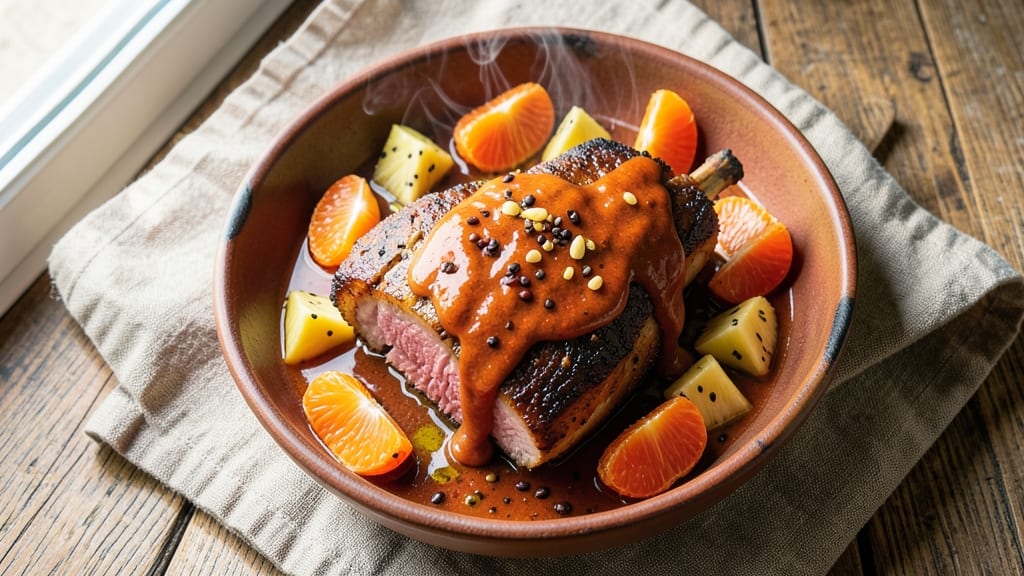
Achiote pork recipe transforms humble pork into a masterpiece of earthy, smoky depth—where tender meat meets vibrant orange hues and juicy pink centers. This is the recipe I perfected after years of studying traditional Yucatán techniques, blending achiote’s signature warmth with citrus brightness and garlic’s sharp bite. The secret lies in the marinade: achiote paste, annatto seeds, and a touch of vinegar work their magic overnight, ensuring every bite delivers that signature juicy, melt-in-your-mouth texture.
What sets this dish apart is its balance—achiote’s earthy notes play against the tang of citrus and the sweetness of pineapple, creating a flavor profile that’s both familiar and exciting. The cooking method is simple but critical: slow-roasting preserves moisture while developing deep, caramelized edges.
I’ve tested this with everything from pork shoulder to tenderloin, and the results are always the same—restaurant-quality pork that’s worth the effort.
By the time you serve this, your table will be transformed: golden-brown pork with a glossy sheen, garnished with fresh cilantro and lime wedges. The aroma alone—smoky, citrusy, and unmistakably rich—will have everyone asking for seconds.
This is pork done right, where tradition meets technique to deliver a dish that’s as impressive as it is delicious.
Pair it with warm tortillas, pickled onions, and steamed rice to complete the experience. The leftovers? Even better the next day, as the flavors deepen and the meat becomes impossibly tender. Let’s get cooking—your taste buds won’t know what hit them.
Ingredients for achiote pork
Sixteen ingredients blend tradition with technique for pork that's juicy, aromatic, and impossible to resist.
| Ingredient | Amount | Notes |
|---|---|---|
| Pork Shoulder (Bone-In) 🥓 | 4 lb | Center-cut for even cooking |
| Achiote Paste 🌶️ | ¼ cup | Traditional Yucatán preferred |
| Annatto Seeds 🌶️ | 1 tbsp | Ground into fine powder |
| White Vinegar 💧 | ¼ cup | For tenderizing |
| Garlic Cloves 🧄 | 8 cloves | Minced for marinade |
| Orange Juice (Fresh) 🍊 | ½ cup | Bright citrus flavor |
| Brown Sugar 🍯 | ¼ cup | Balances acidity |
| Ground Cumin 🌿 | 1 tbsp | Toasted for depth |
| Smoked Paprika 🌶️ | 1 tbsp | Enhances smokiness |
| Fresh Pineapple (Juice) 🍍 | ¼ cup | Sweetness counterbalance |
| Fresh Cilantro 🌿 | ¼ cup | Chopped for garnish |
| Lime Wedges 🍋 | 4 whole | For serving |
| Olive Oil 🫒 | ¼ cup | Extra-virgin for richness |
| Salt 🧂 | 1 ½ tsp | Kosher preferred |
| Black Pepper 🌶️ | 1 tsp | Freshly ground |
The pork shoulder is non-negotiable—bone-in stays moist longer and delivers that signature juicy texture. Look for a cut with good marbling at Whole Foods or your local butcher; ask for center-cut to avoid uneven cooking. Achiote paste is the heart of this dish, so Penzeys Spices or Latin markets carry the best quality—avoid the powdered kind. If you can't find annatto seeds, achiote powder works too, but the seeds create a richer color. Toast the cumin seeds lightly in a dry pan before grinding for maximum flavor—trust me on this.
No achiote paste? Mix 1 tbsp paprika with 1 tsp turmeric and 1/2 tsp cinnamon for a close substitute. Fresh pineapple juice can be swapped for mango nectar or orange juice, but the acidity matters—skip the bottled stuff. The marinade needs time to work its magic, so overnight is ideal. If you're short on time, 4 hours minimum still delivers great results. For extra tenderness, pound the pork gently with a meat mallet before marinating. And if you're feeling fancy, add 1 tbsp of honey to the marinade for a touch of sweetness.
Marinated pork keeps 3 days in the fridge, fully submerged in its marinade. For best results, roast at 300°F—low and slow develops those deep, caramelized edges while keeping the center juicy. The leftovers? Even better the next day as the flavors meld. Store in an airtight container with a splash of the marinade to keep it moist. Garnish with fresh cilantro and lime wedges just before serving—the aroma alone will have everyone at the table. Freezes beautifully for up to 3 months, though I rarely make it that far.
Why You'll Love This Recipe
- One-Pot Magic: I swear by this recipe when I’m too tired to wash three pots—just sear the pork, toss in the achiote paste and vinegar, then let it slow-cook. That’s it. The annatto seeds infuse the meat with color and depth, so you end up with tender, golden pork that practically falls apart.
- Deep, Earthy Richness: Between us, the achiote paste isn’t just for color—it’s where the magic happens. That smoky, slightly sweet warmth from the annatto and garlic cloves? It clings to the pork like a hug, turning simple shoulder meat into something that tastes like it simmered all day (even if it didn’t).
- Weeknight to Party Fix: Honestly, this is my go-to for when my in-laws drop by unannounced or when I’m meal prepping for the week. The leftovers reheat like a dream—juicy, not dry—and the bold flavor means you can serve it with rice, tortillas, or even just a cold beer. No stress, just satisfaction.
- Budget-Friendly Feast: Pork shoulder is cheap, and this recipe stretches it into three meals without breaking the bank. I’ll be real: the first time I made it, I doubled the batch because the cost per serving was half of takeout, and the taste? Way better. Plus, the vinegar and annatto are pantry staples you might already have.
Step-by-step instructions for achiote pork roast
Here's how to transform a simple pork shoulder into a tender, flavor-packed masterpiece with vibrant color and melt-in-your-mouth texture.
Prepare the Achiote Marinade
In a medium bowl, combine the 0.25 cup achiote paste, 1 tbsp annatto seeds, 0.25 cup white vinegar, 0.5 cup fresh orange juice, 0.25 cup brown sugar, 1 tbsp ground cumin, 1 tbsp smoked paprika, 0.25 cup fresh pineapple juice, 0.25 cup olive oil, 1.5 tsp salt, and 1 tsp black pepper. Whisk vigorously until the annatto seeds dissolve completely and the mixture becomes a deep reddish-orange hue.
This marinade is the heart of your dish - the achiote paste provides that signature earthy flavor while the annatto seeds create the vibrant color. The combination of citrus and brown sugar creates a perfect balance of sweet and tangy that tenderizes the meat beautifully. Let the marinade sit for 5 minutes while you prepare the pork.
Coat and Rest the Pork
Pat the 4 lb pork shoulder dry with paper towels - this is crucial for developing that perfect crispy exterior. Place the pork in a large zip-top bag and pour the marinade over it, ensuring it coats all sides completely. Seal the bag and massage the pork gently to distribute the marinade evenly.
Refrigerate the pork for at least 4 hours, preferably overnight. Here's the thing - the longer it marinates, the more tender and flavorful it becomes. The acid in the citrus and vinegar breaks down muscle fibers, while the spices penetrate deeply. For best results, I recommend marinating overnight, but even 4 hours will yield excellent results.
Preheat and Prepare for Cooking
Preheat your oven to 325°F. Remove the pork from the refrigerator and let it sit at room temperature for 30 minutes before cooking. This ensures even cooking throughout. Line a roasting pan with heavy-duty aluminum foil for easy cleanup.
Place the pork on the prepared roasting pan, fat side up. The fat will render down during cooking, basting the meat and creating additional flavor. I like to add 8 minced garlic cloves directly on top of the pork before roasting - this infuses the meat with incredible aroma as it cooks.
Roast to Juicy Perfection
Roast the pork uncovered for 3 hours. Here's where the magic happens - the pork will develop that beautiful mahogany crust while remaining juicy inside. After 3 hours, check the internal temperature using a meat thermometer. It should read 195-200°F - this is the "probe-tender" stage where the collagen has broken down and the meat is incredibly tender.
If the pork isn't quite there yet, continue roasting in 15-minute increments until it reaches the desired temperature. The key is patience - pork shoulder needs time to become tender. When you see the internal temperature hit 195°F, it's ready to rest.
Rest and Serve
Transfer the pork to a cutting board and tent loosely with aluminum foil. Let it rest for 30-45 minutes - this is absolutely critical. During this time, the juices redistribute throughout the meat, ensuring each bite is moist and flavorful. Real talk: Skipping this step means dry, disappointing pork.
While the pork rests, prepare to serve by chopping the 0.25 cup fresh cilantro and arranging the 4 lime wedges on a platter. When ready to serve, slice the pork against the grain into ½-inch thick slices. The meat should be fork-tender with a beautiful pink center and that signature achiote color throughout. Garnish each serving with chopped cilantro and serve with lime wedges for that final bright citrus note.
Pro Tips For Making Achiote Pork
- Brown the Pork First: Skip the marinade shortcut—sear the pork shoulder hard in a hot pan or Dutch oven with a splash of vinegar before adding any liquid. That crust locks in flavor and keeps the meat from turning mushy later. (Yes, even if you’re impatient like me, wait for deep golden spots.)
- Toast the Annatto: Dry-toast the annatto seeds in a dry pan for 30 seconds until fragrant before grinding them into the achiote paste. This step deepens their nutty aroma and prevents a bitter aftertaste. (I learned this the hard way—raw seeds just don’t cut it.)
- Don’t Rush the Vinegar: Add white vinegar gradually, a tablespoon at a time, while the pork simmers. Too much upfront will make the achiote paste curdle and turn the broth cloudy. Taste as you go—you want tang, not pucker.
- Use a Meat Thermometer: Pull the pork at 195°F (not 203°F)—the bone-in shoulder will climb another 10°F while resting. Probe the thickest part, avoid the bone, and let it rest 15 minutes. (Skipping this step means dry, stringy meat, and I’ve done it twice.)
Wine and beer pairings for these flavors
Red Wine Pairings
For this achiote pork, I reach for Spanish Garnacha—its velvety texture and subtle earthiness mirror the dish’s deep, spiced notes. A bottle from Bodegas Muga or Alvaro Palacios brings out the achiote’s warmth while cutting through the citrus brightness.
Garnacha’s natural sweetness also balances the dish’s slight acidity, making every bite feel harmonious. 🍷
White Wine Options
A crisp Mexican Chenin Blanc is my go-to for lighter drinkers. Look for one from Bodegas de Santo Tomás—its citrus and mineral notes complement the orange and pineapple in the marinade.
If you prefer something richer, a Viognier from California adds floral complexity that pairs beautifully with the pork’s smoky, achiote-infused crust.
Beer Pairings
For beer lovers, a Mexican Lager like Modelo Especial or Pacífico Clara is perfect—its clean, refreshing profile cleanses the palate between rich, spiced bites.
If you’re feeling adventurous, try a Mexican Amber Ale like Negra Modelo—its caramel and toasted malt notes echo the brown sugar in the marinade while the hop bit balances the achiote’s earthiness. 🍺
Regional Cocktails
In Yucatán, they’d serve this with a Tepache—a fermented pineapple drink with cinnamon and cloves. For a modern twist, mix 1 oz mezcal, ½ oz lime juice, and ½ oz agave syrup with ice.
The smoky mezcal enhances the achiote’s depth while the lime brightens the dish’s citrus notes. Garnish with a lime wheel and cilantro sprig for authenticity.
Non-Alcoholic Choices
For a refreshing non-alcoholic option, serve hibiscus iced tea—its tartness and floral notes play beautifully against the pork’s rich, spiced profile. Add a splash of pineapple juice to echo the marinade’s sweetness.
For something warmer, try Mexican hot chocolate with a pinch of cinnamon and chili—it’s a cozy match for the dish’s bold flavors.
Nutrition facts
Frequently asked questions
Can I substitute achiote paste with something else?
Yes! If you can't find authentic achiote paste, mix 1 tbsp paprika, ½ tsp turmeric, and ¼ tsp cinnamon for a similar color and earthy flavor. For deeper flavor, add 1 tsp annatto powder (from annatto seeds) to the marinade. The key is balancing the warm spices—cumin and smoked paprika already in the recipe will help bridge the gap.
How do I know when the pork is fully cooked?
Use a meat thermometer to check the internal temperature—it should reach 195-200°F for probe-tender perfection. The meat will pull away from the bone easily, and the juices should run clear when pierced. For bone-in cuts, aim for 200°F—this ensures the bone marrow is also cooked. Never guess! A thermometer is your best friend here.
Can I make this recipe with pork tenderloin instead of shoulder?
but adjust the cooking time! Pork tenderloin cooks much faster—roast at 325°F for just 20-25 minutes (or until it hits 145°F internally). Since tenderloin is leaner, marinate it for only 2-3 hours to avoid over-tenderizing. The achiote flavors will still shine, but expect a different texture—more delicate and less fatty.
What’s the best way to reheat leftovers?
Slice the pork first, then reheat in a skillet over medium-low heat with a splash of the original marinade or broth for 3-5 minutes. Avoid microwaving—it turns pork dry. For larger portions, bake at 300°F for 15-20 minutes covered with foil. The slow reheating keeps it moist and flavorful. Leftovers taste even better the next day!
Why does my pork turn out dry?
Most likely, you skipped the resting step or overcooked it. Always let pork rest for 30-45 minutes after roasting—this redistributes juices. Also, check your oven temperature: if it runs hot, reduce to 300°F and use a meat thermometer to avoid drying it out. Bone-in cuts stay juicier longer. Pro tip: Pat the pork dry before marinating—this helps crisp the exterior while keeping the inside tender.