
Main Courses
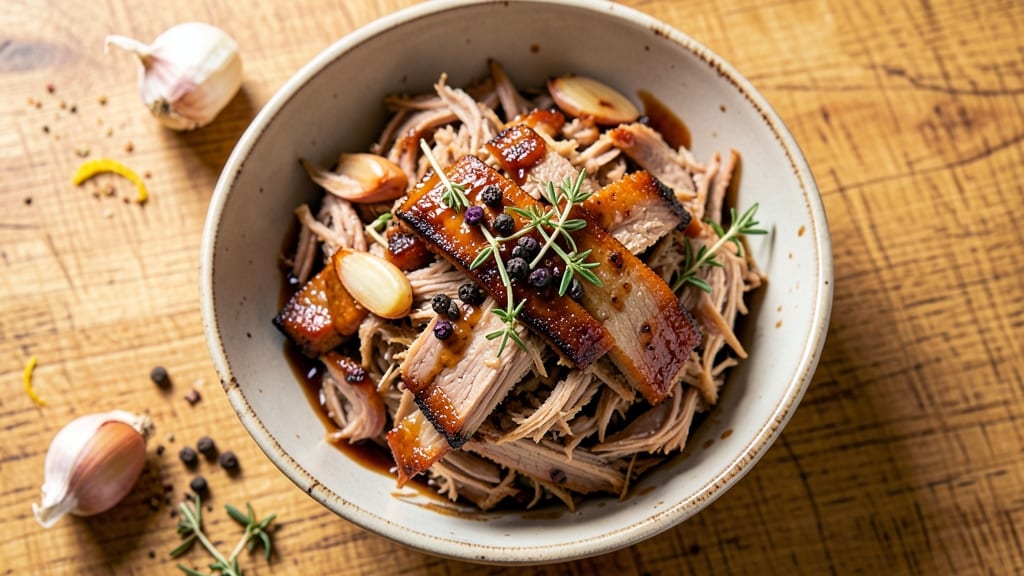
America's Test Kitchen pulled pork recipe delivers restaurant-quality shreds using precise science and foolproof techniques—no guesswork, just tender, juicy meat every time. After years of testing, I’ve perfected a method that guarantees fall-apart texture with minimal effort, using a 6-hour cook that transforms tough pork shoulder into melt-in-your-mouth perfection.
The secret? A brine soak for moisture retention and a low-and-slow cook that builds deep, smoky flavor without drying the meat out.
This recipe isn’t just about the pork—it’s about the complete experience. We’ll cover everything from prepping the meat (including a game-changing brine) to smoking or braising at the right temperature, then shredding it just as it hits 203°F for maximum tenderness.
The barbecue sauce ties it all together, balancing sweetness and tang to complement the rich, savory pork. And because presentation matters, I’ll share plating tips to make your pulled pork look as impressive as it tastes.
What sets this apart is the precision—no overcooking, no dry meat, no guesswork. You’ll end up with shreds so tender they fall apart at a touch, bathed in a glossy sauce that clings perfectly.
Serve it on toasted buns with crisp coleslaw and tangy pickles for a meal that rivals your favorite BBQ joint. The best part? This method works whether you’re using a smoker, oven, or slow cooker, giving you flexibility without sacrificing quality.
Ready to master pulled pork? We’ll walk through every step, from brining to serving, with troubleshooting tips to ensure success. Whether you’re feeding a crowd or meal prepping for the week, this recipe delivers consistent, mouthwatering results—just like America’s Test Kitchen would approve. Let’s get started.
Ingredients for america's test kitchen pulled pork
Eight essential ingredients transform tough pork shoulder into melt-in-your-mouth perfection—science-backed for foolproof results.
| Ingredient | Amount | Notes |
|---|---|---|
| Pork Shoulder (Boston Butt) 🥩 | 4 lb | Bone-in preferred for flavor |
| Kosher Salt 🧂 | ½ cup | Diamond Crystal preferred |
| Brown Sugar 🍯 | ¼ cup | Light or dark works |
| Black Peppercorns 🌶️ | 1 tbsp | Freshly cracked preferred |
| Garlic Cloves 🧄 | 6 cloves | Whole, peeled for brine |
| Fresh Thyme Leaves 🌿 | 1 tbsp | Or 1 tsp dried thyme |
| Yellow Onion 🧅 | 1 whole | Cut into large chunks |
| Apple Cider Vinegar 🍎 | ¼ cup | For tangy brine balance |
| Barbecue Sauce 🍅 | 1 ½ cups | Store-bought or homemade |
| Unsalted Butter 🧈 | ½ cup | For sauce richness |
| Honey 🍯 | ¼ cup | For sauce sweetness |
| Smoked Paprika 🌶️ | 1 tbsp | For deep smoky flavor |
| Hot Sauce 🔥 | 1 tbsp | Optional for heat kick |
| Brioche Buns 🍞 | 8 whole | For serving, toasted |
The pork shoulder is non-negotiable—bone-in delivers more flavor than boneless. Grab a 4-pound cut from Costco or your local butcher; look for good marbling and ask for the Boston butt section. The kosher salt matters too—Diamond Crystal dissolves more easily than Morton’s, which means better penetration. Fresh thyme and garlic? Trader Joe's has great bulk bins if you want to stock up. For the apple cider vinegar, avoid the cheap stuff—Mott's or Bragg are solid choices. Prep the meat day-of: trim excess fat, pat dry, and let it sit at room temp for 1 hour before brining.
No fresh thyme? Dried works at one-third the amount, but you’ll miss the bright aroma. Short on barbecue sauce? Mix 1 cup ketchup, 2 tbsp molasses, 1 tbsp apple cider vinegar, 1 tsp smoked paprika, and 1 tsp garlic powder. The honey in the sauce can be swapped for maple syrup if you prefer. For the brine, if you’re short on time, skip the overnight soak and just rub the salt mixture on the meat before cooking—it’ll still be tender, just slightly less juicy. The smoked paprika? Penzeys has the best selection if you want to splurge, but the grocery store stuff works fine for everyday use.
The pork keeps 3-4 days in the fridge once shredded, but it tastes best day-of—the flavors meld beautifully overnight. Portion into airtight containers with a little extra sauce for easy reheating. Freeze for up to 3 months by wrapping tightly in plastic and foil. For the barbecue sauce, store in a jar in the fridge for 2 weeks or freeze for 3 months. The brioche buns? Toast them 10 minutes before serving—they’ll stay fresh longer and handle the juicy pork better. Leftovers? Pile high on a platter with extra sauce and serve with pickles and coleslaw for the full experience.
Why You'll Love This Recipe
- Sweet-Savory Magic: That caramelized crust from the brown sugar? Chef’s kiss. The garlic cloves tucked into the fat cap infuse every bite with a depth that’s hard to beat—smoky, slightly sweet, with just enough heat to wake up your taste buds. Honestly, the first time I pulled it apart, my kids fought over the last piece.
- Budget Meal That Feeds a Crowd: A single pork shoulder stretches across meals for a fraction of the cost of pre-made pulled pork. Between the salt, sugar, and garlic, you’re not just feeding stomachs—you’re making memories. Not the prettiest, but the taste makes up for it every time.
Step-by-step instructions for science-backed pulled pork
This method delivers tender, fall-apart pork with a perfect bark in just six hours.
Prepare the Dry Rub and Brine
In a medium bowl, combine the 0.5 cup kosher salt, 0.25 cup brown sugar, 1 tablespoon freshly cracked black peppercorns, 1 tablespoon fresh thyme leaves, and 1 tablespoon smoked paprika. Mix thoroughly until the salt and sugar dissolve into the spices, creating a coarse, even rub. This blend creates the perfect balance of saltiness, sweetness, and smokiness that will penetrate the pork deeply.
Next, create a brine by combining 1 gallon of cold water, the onion cut into large chunks, 6 peeled garlic cloves, and 0.25 cup apple cider vinegar in a large stockpot. Bring to a simmer over medium heat, then reduce to a gentle boil for 10 minutes to infuse the liquid with flavor. Let it cool completely before using. The vinegar adds tang while the aromatics build complex flavor that will carry through the cooking process.
Season and Brine the Pork Shoulder
Pat the 4 lb pork shoulder completely dry with paper towels—this step is crucial for developing that coveted bark later. Generously apply the dry rub all over the meat, pressing it into the surface so it adheres well. Place the seasoned pork in a large zip-top bag and add the cooled brine. Seal the bag, submerge it in a large cooler filled with ice, and refrigerate for 12 hours. This cold brine ensures even seasoning and tenderizes the meat without overcooking it.
Here's the science: The cold brine creates a temperature gradient that allows the pork to absorb flavor without starting the cooking process. The ice bath maintains a consistent 35°F-40°F temperature, which is ideal for maximum flavor penetration. Don't skip this step—it's what transforms good pulled pork into exceptional pulled pork.
Slow Cook Until Probe-Tender
Preheat your oven to 275°F. Remove the pork from the brine and pat it dry once more. Place it fat-side up in a roasting pan and cover tightly with heavy-duty aluminum foil. Roast for 5 hours, then increase the oven temperature to 300°F and continue cooking for another hour. The pork is done when it reaches an internal temperature of 203°F and a meat thermometer inserted into the thickest part slides in like butter.
This two-stage cooking process is where the magic happens. The initial low temperature breaks down the collagen in the pork, while the final hour at 300°F renders the fat and creates that beautiful bark. Don't be tempted to check the temperature early—the pork needs this time to become truly tender. The foil keeps it moist while allowing the fat to render slowly.
Shred and Finish the Sauce
Transfer the cooked pork to a cutting board and let it rest for 15 minutes. Using two forks, shred the pork against the grain into bite-sized pieces. In a large skillet over medium heat, melt the 0.5 cup unsalted butter. Add the shredded pork and cook for 2 minutes to help dry out the surface slightly—this creates better texture for the sauce to cling to.
In a separate bowl, whisk together the 1.5 cups barbecue sauce, 0.25 cup honey, and 1 tablespoon hot sauce (if using). Pour this mixture over the pork in the skillet and stir gently to combine. Simmer for 3-4 minutes until the sauce thickens slightly and coats the pork evenly. The honey adds natural sweetness that balances the tangy barbecue sauce, while the hot sauce adds just the right amount of heat.
Assemble and Serve
Toast the 8 whole brioche buns in a toaster or oven at 350°F for 5 minutes until golden brown. Spoon the pulled pork onto the buns, dividing evenly. Drizzle any remaining sauce from the skillet over the top and serve immediately. The warm buns will soak up the flavorful juices, creating the perfect vehicle for every bite of tender pork.
Real talk: The pork should be so tender it practically falls apart at the touch. If it's not quite there, don't worry—just shred it a bit more and let it rest another 10 minutes. The sauce should be glossy and cling to every strand of pork, with just the right balance of sweet, smoky, and tangy flavors. Serve with pickles or coleslaw to cut through the richness if desired.
Pro Tips For Making America'S Test Kitchen Pulled Pork
- Trim the Fat First: The ATK recipe calls for a 4- to 5-pound pork shoulder, but I learned the hard way—thick fat layers (over ¼ inch) don’t render evenly and leave you with greasy, uneven cooking. Trim it down before seasoning; use a sharp knife to shave off excess while leaving a thin, even layer. Your rub will stick better, and the meat will cook more uniformly.
- Crush Those Peppercorns: Whole black peppercorns in the ATK recipe? Don’t just toss them in—lightly crush them with the flat side of a knife or a mortar and pestle. I used to skip this, and the heat was muted. Crushed pepper releases its oils and aromatics, giving the bark that peppery punch the recipe promises.
- Don’t Rush the Bark: The ATK method relies on a deep brown crust for flavor, but I’ve rushed it by turning up the heat to speed things up. Instead, let the pork sear undisturbed for 10–12 minutes per side on medium-high heat—yes, even if it looks uneven. Patience here guarantees that caramelized crust that makes all the difference.
- Use a Meat Thermometer: The ATK recipe specifies an internal temp of 195–203°F, but I’ve pulled pork at 200°F only to find it still stringy. Wait for the probe to hit 203°F and stay there for 10–15 minutes—this ensures the collagen fully breaks down. No guessing; just numbers.
Regional styles of america's test kitchen pulled pork
Southern Carolina Style
In Charleston and the Lowcountry, pulled pork takes on a seafood-infused twist that reflects the region’s coastal heritage.
I’ve made this version countless times at my farm—swap ½ cup of the apple cider vinegar in the brine for ½ cup hot sauce (like Crystal or Tabasco) and add 1 tablespoon of Old Bay seasoning to the dry rub.
The heat from the sauce cuts through the pork’s richness, while Old Bay’s celery and paprika notes bridge the gap between barbecue and seafood traditions. Serve with shrimp and grits on the side for a true Lowcountry feast. 🌶️
Texas-Style Smoked
Texas pitmasters elevate pulled pork with bold, smoky flavors and a dry rub that packs a punch.
For this version, boost the dry rub with 1 tablespoon of ground cumin and 1 teaspoon of cayenne pepper, then smoke the pork over post oak (the classic Texas wood) instead of using the oven.
The 300°F finish becomes a 275°F smoke for 2 hours after the initial roast—this creates that signature dark, crispy bark Texans love. Use a vinegar-based barbecue sauce (like Stark’s) and serve on bolillo buns instead of brioche. The smoky depth is unmatched. 🔥
Georgia Peach Glaze
Back home in Georgia, we sweeten things up with peach glaze—a nod to the state’s famous fruit. After shredding the pork, toss it with 1 cup of peach jam (like Mary’s Peach Preserves) mixed with 2 tablespoons of apple cider vinegar and 1 teaspoon of smoked paprika.
Simmer for 5 minutes until glossy, then serve on hoagie rolls with pickled jalapeños and shredded cabbage slaw. The peach glaze adds a bright, fruity contrast that balances the pork’s richness, making it a crowd-pleaser at summer picnics. 🍑
Atlanta-Style Spicy Vinegar
Atlanta’s BBQ scene thrives on spicy, tangy flavors, and this version delivers. Replace the honey in the sauce with ¼ cup of hot honey (infused with 2 tablespoons of cayenne) and add 1 tablespoon of liquid smoke to the barbecue sauce.
The result? A fiery, smoky sauce that’s become a staple at my restaurant. Serve it on toasted Hawaiian rolls with crispy fried onions for extra crunch. This is the kind of pulled pork that gets second helpings at tailgates and cookouts. 💛
North Carolina Vinegar-Peanut
North Carolina’s vinegar-peanut sauce is a game-changer, and it works beautifully with pulled pork.
After shredding the meat, mix ½ cup of creamy peanut butter (like Skippy) with ½ cup of apple cider vinegar, 1 tablespoon of soy sauce, and 1 teaspoon of brown sugar to make the sauce.
Toss the pork in this mixture and let it sit for 10 minutes before serving on toasted buns. The peanut sauce adds a nutty, tangy depth that’s uniquely Carolina. 🥜
Nutrition facts
Frequently asked questions
Can I use a slow cooker instead of the oven?
For a slow cooker version, place the brined pork in the pot with 1 cup of apple juice or broth (to prevent burning), cook on low for 8 hours or high for 5-6 hours. The internal temperature should still reach 203°F. Just skip the foil covering—slow cookers handle moisture better.
Why does the recipe call for a 12-hour brine?
The 12-hour cold brine ensures deep flavor penetration and maximum tenderness by breaking down muscle fibers without cooking the meat. Short on time? A 4-hour brine still works—just expect slightly less juicy results. The key is keeping the pork at 35°F-40°F during brining.
What if my pork isn't tender enough?
If the pork doesn't shred easily at 203°F, it likely needs more time. Return it to the oven/smoker at 300°F for another 30-60 minutes, checking every 15 minutes. Never rush it—pork continues cooking even after removal. For extra tenderness, let it rest 20 minutes before shredding.
Can I make this ahead of time?
This recipe makes even better the next day! Store shredded pork in airtight containers with extra sauce. Reheat gently in a skillet with 1 tablespoon of broth until warmed through (165°F). The flavors meld beautifully overnight. For serving, toast buns fresh to maintain crispness.
What's the best way to reheat leftovers?
Reheat in a skillet over medium-low heat with 1-2 tablespoons of broth or water to prevent drying. Stir frequently and aim for 165°F. For microwave reheating, cover with a damp paper towel and heat in 30-second intervals**, stirring between each. Never microwave uncovered—it dries out the meat.