
Main Courses
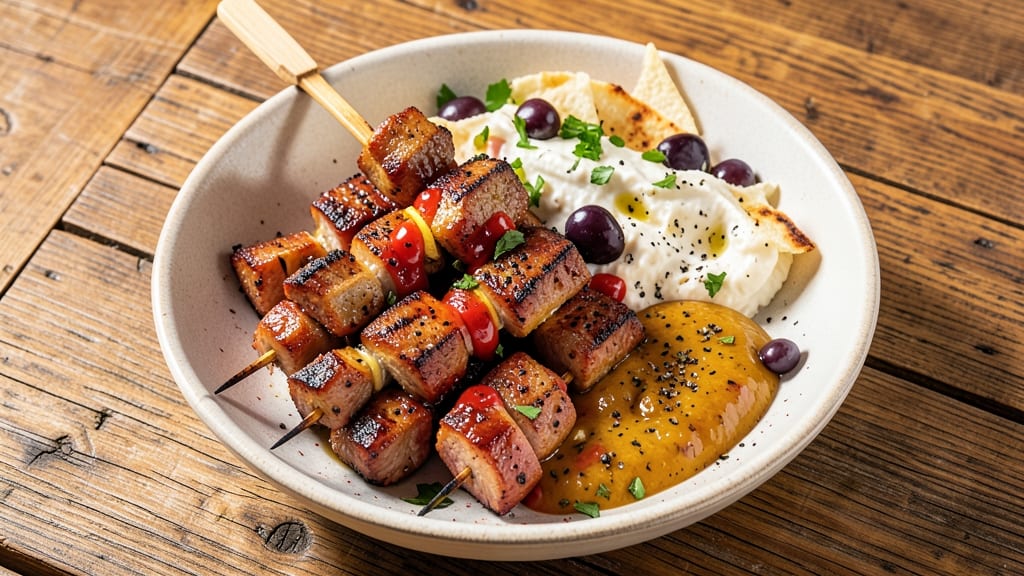
This authentic Greek pork souvlaki recipe delivers the charred, lemon-herb skewers you crave from Athens street corners. I learned the technique from a family-owned taverna in Santorini, where the secret lies in tenderizing the meat overnight and cooking it over high, direct heat.
The result? Juicy centers with perfectly caramelized edges that hold up to every bite.
What sets this recipe apart is the marinade—a balance of olive oil, lemon juice, and dried oregano that infuses the pork with bright Mediterranean flavors. I use pork tenderloin cut into even cubes for consistent cooking, skewered tightly to prevent falling apart.
The key is letting the marinade work its magic for at least 12 hours, transforming tough meat into melt-in-your-mouth perfection.
When you grill these skewers, you'll achieve that signature charred exterior while keeping the inside tender and succulent. The aroma alone will have everyone gathering around your table, and the first bite delivers that perfect harmony of smoky, citrusy, and herby notes.
Serve with warm pita bread, a dollop of tzatziki, and a Greek salad for the full experience.
This isn't just a recipe—it's a taste of Greece you can recreate at home. The method is straightforward but requires patience and attention to detail, especially when grilling.
Trust me, the effort is worth it for skewers that taste like they came from a bustling Athens street market. Let's get started!
Ingredients for authentic greek pork souvlaki
These Mediterranean staples transform simple pork into restaurant-quality skewers with charred edges and juicy centers.
| Ingredient | Amount | Notes |
|---|---|---|
| Pork Tenderloin 🥩 | 1 ½ lb | Cut into 1.5-inch cubes |
| Extra-Virgin Olive Oil 🫒 | ½ cup | For marinade and grilling |
| Fresh Lemon Juice 🍋 | ¼ cup | From 2-3 lemons |
| Dried Oregano 🌿 | 2 tsp | Mediterranean variety preferred |
| Garlic Cloves 🧄 | 6 cloves | Minced for marinade |
| Ground Black Pepper 🌶️ | 1 tsp | Freshly ground preferred |
| Wooden Skewers 🪵 | 8 whole | Soaked in water 30 minutes |
| Kosher Salt 🧂 | 1 ½ tsp | Diamond Crystal preferred |
| Dried Thyme 🌿 | 1 tsp | Or 1 tbsp fresh thyme |
| Red Wine Vinegar 🍷 | 1 tbsp | For brightness |
| Pita Bread 🍞 | 4 whole | Warm for serving |
| Fresh Parsley 🌿 | ¼ cup | Chopped for garnish |
The pork tenderloin is non-negotiable here—it stays tender and absorbs marinade perfectly. Look for a well-marbled cut at your butcher or grocery store's meat counter. I always ask for it cut into even cubes (about 1.5 inches) so they cook uniformly. For the olive oil, Kalamata or Greek extra-virgin adds authentic flavor, but any high-quality EVOO works. The lemon juice should be freshly squeezed—bottled juice lacks the bright acidity. Dried oregano is a must; Mediterranean or Greek blends from Penzeys or local specialty stores elevate the flavor.
No fresh thyme? Dried at one-third the amount works in a pinch. Running low on red wine vinegar? Lemon juice or apple cider vinegar does the trick. The garlic can be pre-minced from a jar, but freshly minced makes a noticeable difference. For the skewers, soak them in water for at least 30 minutes to prevent burning. If you're short on time, metal skewers work too. The pita bread should be warm—toss it in a 350°F oven for 5 minutes to crisp up before serving.
Marinate the pork for at least 12 hours—overnight is ideal. Store the marinade in a sealed container in the fridge. The skewers keep well in the fridge for 2 days before grilling, and the cooked version reheats beautifully in a 350°F oven for 10 minutes. For leftovers, wrap tightly in foil and freeze for up to 3 months. The parsley garnish can be prepped ahead and stored in the fridge for 3 days.
Why You'll Love This Recipe
- No-Fuss Prep: Honestly, this recipe is about as easy as it gets—just slice the pork, toss it in a bowl with olive oil, lemon, and oregano, then let it marinate while you chop garlic. No fancy techniques, no stress.
- Crispy-Garlicky Magic: That moment when the pork hits the grill? The garlic cloves caramelize into golden bits while the oregano and lemon juice create this bright, herby crust—it’s dangerously addictive. (Yes, even on a Tuesday night.)
- Weeknight to Party: Between us, I’ve served this to grumpy coworkers after a long day and to guests at summer BBQs. Same recipe, just different sides—warm pita and tzatziki for me, or a simple Greek salad for company.
- Leftovers That Don’t Suck: The best part? The pork stays juicy and flavorful for days. I’ll toss extra skewers into a wrap with feta and greens, or even chop it for a quick pasta sauce. No sad, dry meat here.
Step-by-step instructions for authentic Greek pork souvlaki
Here's how to make restaurant-quality souvlaki with perfectly charred edges and juicy centers.
Marinate the Pork Tenderloin
Cut the 1.5 lb pork tenderloin into 1.5-inch cubes—this size ensures even cooking and maximum juiciness. In a large bowl, combine the 0.5 cup extra-virgin olive oil, 0.25 cup fresh lemon juice, 1 tbsp red wine vinegar, 2 tsp dried oregano, 1 tsp dried thyme, 1.5 tsp kosher salt, 1 tsp ground black pepper, and 6 minced garlic cloves. Whisk until the oil is emulsified and the mixture is smooth.
Add the pork cubes to the marinade, turning them to coat evenly. Cover the bowl and refrigerate for at least 4 hours (overnight is best). The acidity from the lemon and vinegar will tenderize the meat while the herbs infuse deep flavor. You'll know it's ready when the pork absorbs the marinade and smells intensely aromatic.
Prepare the Skewers
Soak the 8 wooden skewers in water for 30 minutes to prevent burning on the grill. Drain and discard the excess water. Thread the marinated pork cubes onto the skewers, leaving a small gap between each cube for even cooking. Arrange them on a plate and let them sit at room temperature for 15 minutes before grilling—this ensures they cook through evenly.
Here's the thing—don't overcrowd the skewers. Two cubes per skewer is ideal for quick, even cooking. If you're using larger cubes, reduce to one per skewer. The goal is to get those beautiful grill marks without steaming the meat.
Grill to Juicy Perfection
Preheat your grill to medium-high heat (about 400°F). Place the skewers on the grill and cook for 3-4 minutes per side, turning occasionally, until the pork reaches an internal temperature of 145°F. You'll see those coveted char marks form on the surface—this is when the souvlaki gets its authentic Greek flavor.
Don't rush this step. The pork should sizzle loudly on the grill, and the edges should be deeply browned while the centers remain pink and juicy. For extra authenticity, finish under a broiler for 1-2 minutes to crisp the edges if needed. The meat should pull away from the skewers easily when ready.
Assemble and Serve
While the skewers rest for 5 minutes (this keeps them juicy), warm the 4 whole pita breads in a dry skillet or oven until pliable. Chop the 0.25 cup fresh parsley finely for garnish. To serve, place two skewers on each pita, drizzle with any leftover marinade, and sprinkle with the chopped parsley. Serve immediately with classic Greek sides like tzatziki or a fresh Greek salad.
Each bite should deliver tender, juicy pork with a smoky char and bright herbaceous notes. The pita absorbs the marinade beautifully, making every mouthful flavorful. This is where the magic happens—simple ingredients transformed into something truly special.
Pro Tips For Making Authentic Greek Pork Souvlaki
- Dry the Pork First: Pat the tenderloin thoroughly with paper towels—no wet spots—right after cutting it into skewers. I learned this the hard way: skipping this step leads to steamed, sad meat instead of that crispy, caramelized crust you crave when biting into good souvlaki.
- Marinate Overnight (But Not Too Long): Give the pork 12–24 hours in the fridge with olive oil, lemon juice, crushed garlic, and oregano. Any longer, and the meat turns mushy. (Yes, even if you’re impatient like me.) Use a zip-top bag to save cleanup—just poke holes for air.
- Sear Skewers Over High Heat: Start with a screaming-hot grill or skillet—no half-measures. Let the pork sear 2–3 minutes per side before lowering heat to cook through. I used to rush this, and the results were always gray inside. Trust the process.
- Finish with Lemon Zest: After cooking, sprinkle a pinch of fresh lemon zest over the skewers while they’re still hot. It’s the bright, aromatic kick that separates homemade souvlaki from the takeout version. (Skip the juice at this stage—it’ll make the meat soggy.)
Serving suggestions for authentic greek pork souvlaki
Pita Presentation
Warm the pita bread in a dry skillet over medium heat for 30 seconds per side until puffed and golden. I like to brush the insides lightly with extra-virgin olive oil before assembling—it adds a subtle richness that balances the herby pork.
For extra flair, sprinkle crushed feta cheese and toasted pine nuts on top of the souvlaki before folding. 🥖
Tzatziki Perfection
Serve with a homemade tzatziki made from 1 cup Greek yogurt, ½ cucumber (grated and drained), 2 tbsp lemon juice, 1 minced garlic clove, 2 tbsp olive oil, and salt to taste.
Chill for at least 1 hour before serving to let flavors meld. For a shortcut, I sometimes use Fage 5% fat Greek yogurt—it's creamy without being too heavy. 🥒
Greek Salad Balance
A classic Greek salad with romaine lettuce, cherry tomatoes, red onion, Kalata olives, feta cheese, and olive oil dressing cuts through the richness beautifully.
I always add 1 tbsp red wine vinegar to the dressing for extra brightness. For a modern twist, swap in heirloom tomatoes and burrata cheese instead of feta. 🥗
Extra Sauces
Offer two dipping sauces on the table: a garlic aioli (mix ½ cup mayo, 1 minced garlic clove, 1 tbsp lemon juice) and a spicy skordalia (blend 1 potato, ½ cup yogurt, 1 garlic clove, 1 tbsp olive oil).
The aioli adds creaminess while the skordalia brings smoky heat. 🌶️
Garnish Like a Pro
Finish each plate with fresh parsley and a lemon wedge for squeezing. I also like adding thinly sliced red onion and crumbled oregano for extra texture. For a restaurant-worthy touch, drizzle with a few drops of high-quality olive oil just before serving. 💛
Family-Style Serving
Arrange the skewers on a wooden platter with the pita breads stacked nearby. Add small bowls of tzatziki, olives, and feta in the center for sharing. In Greece, souvlaki is always served this way—communal and inviting.
I often set out small plates for guests to assemble their own wraps, making it feel like a true taverna experience. 🗺️
Nutrition facts
Frequently asked questions
Can I substitute chicken for pork in this recipe?
While you can use chicken, it won't be authentic Greek souvlaki. Pork tenderloin is traditional because it stays juicy and absorbs the marinade beautifully. If you must use chicken, opt for bone-in thighs (not breast) and marinate for 8-12 hours instead of 4. The texture and flavor won't be identical, but it works in a pinch.
What's the best way to prevent the pork from falling off the skewers?
Use soaked wooden skewers and cut the pork into 1.5-inch cubes—no larger. Thread them firmly but not too tightly (leave 1/4-inch gaps between cubes). For extra security, brush the skewers with olive oil before threading. If using metal skewers, pierce each cube twice for stability. The key is even cooking—don't overcrowd!
Can I grill these indoors without a grill?
Use a cast-iron skillet over medium-high heat for 4-5 minutes per side, adding a splash of water to create steam. For a broiler version, place skewers on a rack 3 inches from heat and broil for 3-4 minutes per side. Watch closely—they cook faster than on a grill. The result will be slightly less charred but still delicious.
How do I make this recipe vegetarian?
Swap the pork for firm tofu or halloumi cheese cut into cubes. Marinate tofu in the same mixture (plus 1 tbsp soy sauce) for 6-8 hours, then grill until golden. For halloumi, grill 2 minutes per side—it doesn't need marinating. The texture won't be identical, but it captures the spirit of souvlaki.
Why does my souvlaki turn out dry?
Overcooking is the #1 cause! Use a meat thermometer and stop at 145°F—the pork will rise to 150°F while resting. Let skewers rest 5 minutes before serving (this redistributes juices). Also, avoid cutting pork too small—1.5-inch cubes stay moist. If using lean pork, add 1 tsp olive oil to the marinade.