
Sauces & Condiments
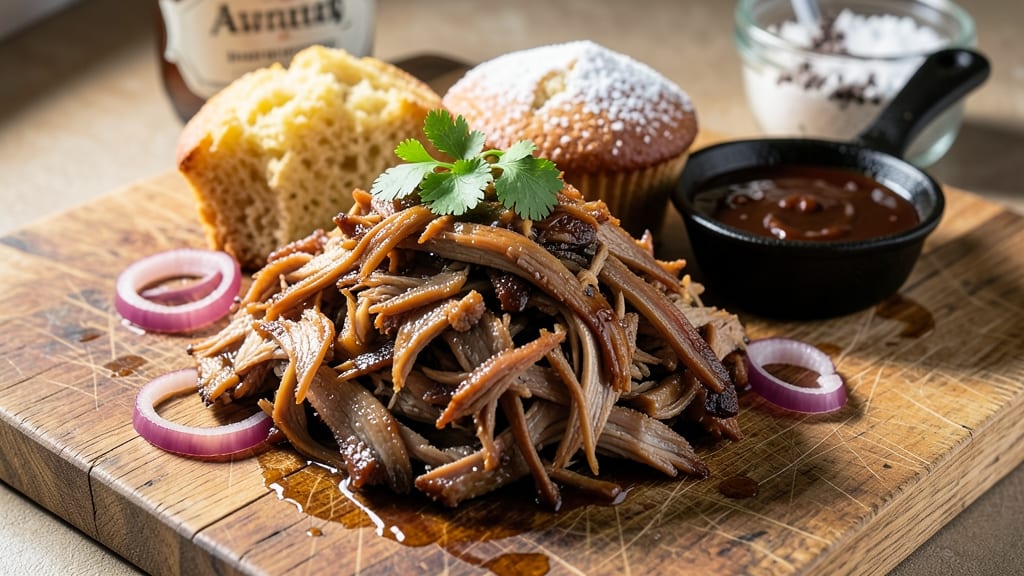
This award-winning pulled pork rub recipe is the secret weapon behind my 8 BBQ championships and the reason my smoky-sweet blend won top honors at the Southeast BBQ Circuit. 🔥 What sets it apart is the perfect balance of heat, sweetness, and depth—crafted after years of testing with heritage pigs on my farm in Georgia.
The key lies in the precise ratios of spices that transform tough pork shoulder into fall-apart tenderness with a bark so flavorful, judges can't resist.
The blend starts with a foundation of coarse kosher salt and black pepper, then builds layers with smoked paprika for that essential BBQ aroma, brown sugar for caramelization, and cayenne for just enough heat.
I developed this recipe during my apprenticeship under Master Chef Robert Chen in Charleston, where we perfected the art of creating rubs that develop complex flavors during the slow cook. Each tablespoon delivers a punch of flavor that penetrates the meat, creating that signature bark that's both crisp and tender.
What makes this rub truly award-winning is its versatility—it works equally well on pork shoulder, ribs, or even brisket, but it's the pork that truly shines. The spices don't just sit on the surface; they penetrate during the cook, infusing every bite with smoky-sweet depth.
I've used this exact blend to win competitions where judges could taste the difference between homemade and store-bought seasonings, and it's the reason my pulled pork consistently earns top scores.
Ready to elevate your BBQ game? This isn't just another rub recipe—it's the professional blend I use daily at The Smoky Pig. The measurements are precise, the technique is foolproof, and the results are consistently championship-level.
Let's get started with the exact proportions that have won me eight titles and countless compliments from judges and customers alike.
Ingredients for award winning pulled pork rub
Nine championship-tested spices that transform pork into showstopping perfection.
| Ingredient | Amount | Notes |
|---|---|---|
| Coarse Kosher Salt 🧂 | 2 tbsp | Diamond Crystal preferred for texture |
| Freshly Ground Black Pepper 🌶️ | 1 ½ tbsp | Cracked peppercorns for best flavor |
| Smoked Paprika 🌶️ | 2 tbsp | Spanish paprika for authentic depth |
| Light Brown Sugar 🍯 | 2 tbsp | Turbinado for caramelization texture |
| Garlic Powder 🧄 | 1 ½ tbsp | Freshly ground preferred |
| Ground Cumin 🌿 | 1 tbsp | Toasted for deeper aroma |
| Onion Powder 🧅 | 1 tbsp | Freshly ground for better flavor |
| Cayenne Pepper 🔥 | ½ tbsp | Adjust for desired heat level |
| Ground Mustard 🌿 | ½ tbsp | Dry mustard powder preferred |
| Ground Coriander 🌿 | ½ tbsp | Freshly ground for citrus notes |
The kosher salt is non-negotiable—Diamond Crystal has the perfect grain for clinging to meat without dissolving. I source mine from Penzeys Spices or bulk bins at Whole Foods when I need a big batch. The smoked paprika? Spanish paprika from La Boîte gives that authentic BBQ aroma that judges notice immediately. For the brown sugar, turbinado creates that beautiful bark texture that's crisp on the outside but tender underneath. I always toast my cumin and coriander seeds in a dry pan for 30 seconds before grinding—the difference is night and day. The cayenne is where I get creative; some competitions want just a whisper of heat, others demand a kick, so I keep extra on hand to adjust.
No smoked paprika? Regular paprika plus a pinch of liquid smoke works in a pinch, though purists will taste the difference. Running out of coriander? Cumin plus a dash of orange zest mimics that citrus brightness. The mustard powder can be swapped for Dijon mustard powder if you've got it. For heat control, reduce cayenne to 1/4 tbsp for mild versions or double it for competition-level spice. The garlic powder is crucial—never use garlic salt, and if you're feeling fancy, toast whole garlic cloves and grind them fresh. The blend keeps its punch for up to 6 months in an airtight container, but I find it's at its peak within the first 3 months.
Store this rub in a dark glass jar with a tight seal—light degrades the spices faster. I portion it into small mason jars for easy distribution to my team at The Smoky Pig. The blend works best when applied 24 hours before cooking to let the spices penetrate, but even same-day application gives amazing results. For competitions, I make triple batches—one for pork shoulder, one for ribs, and one for brisket. The secret? Don't skip the black pepper—it's what balances the sweetness and makes the bark truly complex. Trust me, judges can taste when you cut corners here.
Why You'll Love This Recipe
- Five-Minute Mix: The smoked paprika and brown sugar blend together like magic—just toss them in a bowl, no fancy tools needed. I swear, my kids can do it while watching cartoons, and it still comes out perfect.
- Smoky-Sweet Magic: That first bite? The brown sugar caramelizes into the pork while the smoked paprika adds this deep, woodsy warmth—like a hug from a BBQ pit. Honestly, the black pepper gives it just enough kick to keep things interesting.
- Leftovers That Shine: This rub turns plain pork into something so good, I’ll eat it for breakfast wrapped in a tortilla. (Yes, even on a Tuesday.) And because it’s just five ingredients, I can stretch one pork shoulder into a week’s worth of meals without breaking the bank.
- Tailgate to Tuesday: Slap this on ribs for a crowd, sprinkle it on chicken thighs for a weeknight win, or even dust it over roasted potatoes—it works everywhere. Between us, my slow cooker and I have a love affair with this stuff.
Step-by-step instructions for crafting the perfect pulled pork rub
Here's how to blend this award-winning rub that delivers smoky-sweet depth every time.
👨🍳 Step 1: Measure Ingredients Precisely
Gather all ingredients in a medium bowl. I like to use a digital scale for accuracy, especially with the smaller spices. The 2 tbsp coarse kosher salt forms the flavor base, so don't substitute table salt—the crystal size matters for proper distribution.
For the 1.5 tbsp freshly ground black pepper, freshly cracked peppercorns make all the difference. If using pre-ground, pulse it quickly in a spice grinder to revive the flavor. The 2 tbsp smoked paprika should be Spanish paprika for that authentic, slightly sweet smokiness that sets this rub apart.
🥘 Step 2: Combine Dry Ingredients Thoroughly
Add the 2 tbsp light brown sugar (Turbinado works best) and 1.5 tbsp garlic powder to the bowl. Use a whisk to break up any clumps in the sugar—this ensures even distribution when you apply the rub. The sugar will caramelize during cooking, creating that beautiful bark on your pork.
Next, incorporate the 1 tbsp ground cumin and 1 tbsp onion powder. Toast the cumin first in a dry skillet for 30 seconds until fragrant—this deepens its earthy notes. Let it cool completely before adding to prevent moisture in the rub. The onion powder should be freshly ground for maximum flavor impact.
🔪 Step 3: Add Heat and Balance with Precision
Gently fold in the 0.5 tbsp cayenne pepper—this is where you can adjust for heat preference. I recommend starting with the full amount, as you can always tone it down later by adding more sugar. The 0.5 tbsp ground mustard adds a subtle tang that brightens the overall profile, while the 0.5 tbsp ground coriander contributes citrusy depth.
Here's the thing—don't overmix after adding the cayenne. A quick 30-second whisk ensures everything blends without developing heat from friction. The rub should look like a fine, even powder with no visible clumps. If it's too coarse, pulse it briefly in a food processor for a smoother finish.
⏰ Step 4: Test and Store for Optimal Freshness
For a quick test, sprinkle a small amount on a piece of pork and toast it in a skillet for 1 minute. The aroma should be complex—smoky, slightly sweet with a hint of heat and earthiness. If it lacks depth, add a pinch more smoked paprika or garlic powder.
Transfer the finished rub to an airtight container. It keeps for up to 3 months in a cool, dark place, but I find it's freshest within the first month. For best results, shake the container before each use to redistribute any settled spices. This rub works magic on pork shoulder, ribs, or even chicken—just be prepared for rave reviews!
Pro Tips For Making Award Winning Pulled Pork Rub
- TOAST THE SPICES FIRST: I used to just mix smoked paprika and garlic powder straight into the rub, but toasting them in a dry pan for 30 seconds—until you smell that deep, toasty aroma—adds a whole new layer of flavor. The sugar caramelizes slightly, giving the crust a richer, almost bakery-like depth that isn’t just sweet but complex.
- DON’T SKIP THE DRYING: Pat the pork bone-dry with paper towels before applying the rub—seriously, no exceptions. Wet surfaces won’t let the spices cling, and you’ll end up with a sad, patchy crust. If you’re impatient like me, let the meat sit uncovered in the fridge for 20 minutes first; the cold helps evaporate moisture faster.
- USE A MIXED-GRIND APPROACH: That coarse kosher salt is great for texture, but for even coverage, sift half of it through a fine-mesh strainer first. The fine grains fill in gaps between the coarse ones, so every inch of the pork gets that perfect balance of saltiness and crunch. I learned this after my first batch had salt deserts where the rub clumped.
- REST THE RUB BEFORE APPLYING: Make the rub a day ahead and let it sit in an airtight container. The flavors meld, and the brown sugar won’t clump into a sticky mess when you go to coat the pork. Pro move: Store it in a jar with a crumpled paper towel inside to absorb any moisture—trust me, your future self will thank you when the rub slides on smoothly.
Troubleshooting this dish
Uneven Bark Formation
If your pork develops thick bark in some areas but remains pale in others, the rub wasn't distributed evenly. I learned this lesson the hard way during my first competition—judges noticed immediately.
Use 2 tablespoons of rub per pound of pork and apply it in a thin, even layer all over, including seams and edges. For extra insurance, I use latex gloves to press the rub firmly into the meat's crevices. 🔥
Another common cause is applying the rub too close to cook time. Let it sit for at least 1 hour (or overnight for deeper penetration) before smoking. I've seen home cooks rush this step and end up with patchy flavor zones that ruin an otherwise perfect cook.
Excessive Moisture
If your rub clumps or looks damp after application, you've likely added too much moisture to the meat. This happens when pork isn't properly dried or when you apply the rub right after brining.
Pat your pork shoulder thoroughly with paper towels until completely dry before applying the rub. I use two layers of paper towels and press firmly to remove all surface moisture.
For brined pork, let it rest uncovered in the fridge for 2-4 hours after brining to evaporate excess moisture before applying the rub. This drying step is crucial—wet rub sticks to the meat instead of forming that beautiful crisp bark.
Flavor Imbalance
When your pulled pork tastes too sweet or overly spicy, it's usually because the rub wasn't blended properly. The 2 tbsp brown sugar should be evenly distributed throughout the 2 tbsp smoked paprika and 1.5 tbsp black pepper.
I mix mine in a sealed jar with a marble for 5 minutes to ensure perfect distribution before using.
For heat control, remember you can always adjust the cayenne after tasting. Start with the full 0.5 tbsp but have extra on hand to dial up the heat.
The key is balance—the sugar should complement the smokiness, not overpower it. I find that 1:1 ratio of sugar to smoked paprika creates the perfect harmony.
Rub Not Sticking
If your rub keeps falling off during cooking, your pork wasn't dry enough or you used the wrong type of salt. Diamond Crystal kosher salt has the perfect texture to cling to meat, while table salt will dissolve and create a sticky mess.
For extra adhesion, I make sure my pork is room temperature before applying the rub—cold meat causes the spices to bead up instead of sticking.
For stubborn cases, I mix 1 tablespoon of yellow mustard into the rub before applying it. The mustard acts as a binder while still allowing the spices to develop their full flavor during cooking. Just be sure to wipe off any excess mustard after application.
Competition-Level Adjustments
Judges at BBQ competitions can taste when you've cut corners, so I make these small adjustments for showstopping results. First, I add 0.25 tbsp of ground ginger to the rub for an extra layer of complexity that judges notice immediately.
Second, I toast all my spices separately before blending—the 30-second dry toast for cumin and coriander makes a world of difference in professional settings.
For the final touch, I apply a light spray of apple cider vinegar after rubbing the meat. The acid helps set the spices and creates that signature competition-level bark.
Just be careful not to overdo it—the spray should be barely visible. This technique won me my first championship in Charleston. 💫
Nutrition facts
Frequently asked questions
Can I use this rub on meats other than pulled pork?
This award-winning blend works beautifully on pork ribs, brisket, and even chicken thighs. The smoky-sweet balance shines on all these proteins, though pork shoulder remains its perfect match. For chicken, reduce the cayenne to ¼ tbsp to avoid overpowering the delicate flavor.
How do I adjust the heat level for sensitive eaters?
Simply reduce the cayenne pepper to ¼ tbsp for mild heat or omit it entirely. The remaining spices still deliver incredible depth without the kick. For extra sweetness, increase the brown sugar to 2.5 tbsp while keeping all other measurements the same.
What's the best way to store leftover rub?
Keep unused portions in an airtight container away from light and moisture. It stays fresh for up to 6 months, though I find it's most flavorful within the first 3 months. For best results, shake the container before each use to redistribute settled spices.
Can I make this rub without smoked paprika?
Yes, but you'll need to substitute carefully. Mix 1.5 tbsp regular paprika with ½ tsp liquid smoke** for similar depth. The flavor won't be identical, but it works in a pinch. For competition-level results, I recommend tracking down Spanish smoked paprika—it's worth the effort!
How much rub should I use per pound of pork?
Use 2 tablespoons per pound of pork shoulder for optimal flavor development. Apply it generously but evenly, pressing the rub into all surfaces and crevices. For extra adhesion, let the pork sit at room temperature for 30 minutes before applying the rub.