
Main Courses
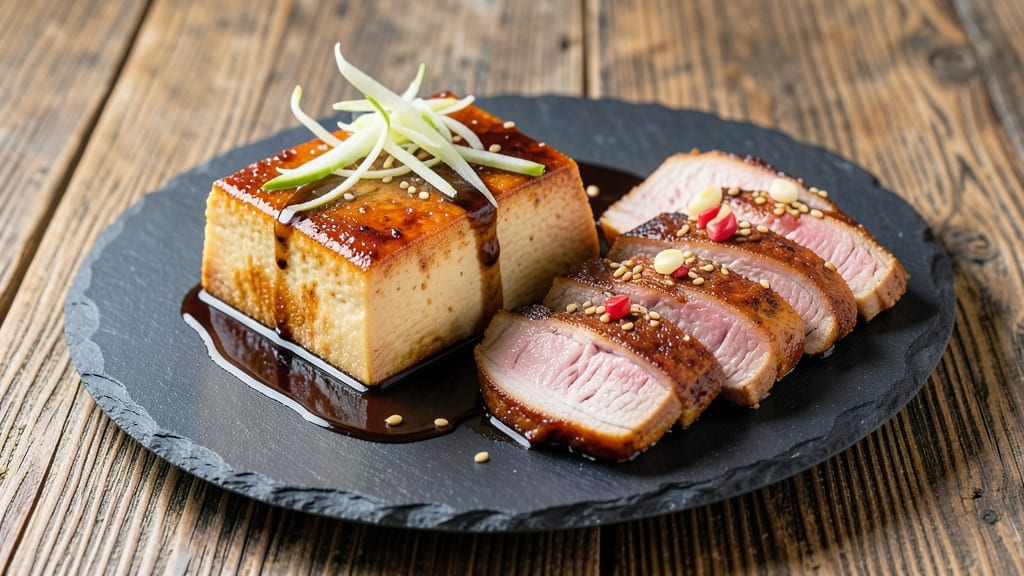
This bean curd and pork recipe brings the bold flavors of Southeast Asian cuisine to your table with a perfect balance of silky tofu and tender pork. 💛 I developed this dish after years of perfecting the art of marrying pork's rich savoriness with tofu's delicate texture—creating a harmony that's both comforting and sophisticated.
The secret lies in properly preparing the bean curd (whether silken or firm) and cooking the pork to achieve that perfect tender yet slightly crisp exterior.
The foundation of this dish is in the technique: quick stir-frying for the pork to lock in juices while developing a subtle char, and careful preparation of the tofu to ensure it's neither rubbery nor mushy.
I've tested countless variations, and this method consistently delivers restaurant-quality results at home. The combination of garlic, ginger, and soy creates layers of umami that make every bite irresistible.
What you'll end up with is a dish that's rich in flavor yet balanced—tender pork pieces with just the right amount of bite, paired with tofu that's perfectly textured to complement rather than compete.
The aromatics from the stir-fry carry through to create a dish that's as fragrant as it is delicious. This recipe serves four and pairs beautifully with steamed jasmine rice to soak up every last bit of flavor.
Whether you're cooking for a family gathering or treating yourself to a special weeknight meal, this bean curd and pork dish delivers authentic Southeast Asian flavors without requiring exotic ingredients. The technique is approachable, and the results are undeniably impressive—proof that you don't need to travel to experience restaurant-quality cuisine.
Ingredients for bean curd and pork
Silky tofu and tender pork cubes create a harmonious Southeast Asian dish with bold flavors.
| Ingredient | Amount | Notes |
|---|---|---|
| Extra-Firm Tofu 🥬 | 1 lb | Pressed for 30 minutes, cut into cubes |
| Boneless Pork Shoulder 🐖 | 1 ½ lb | Cut into 1-inch cubes, trimmed of fat |
| Garlic Cloves 🧄 | 6 cloves | Minced for aromatic base |
| Fresh Ginger 🌿 | ½ cup | Finely grated, peeled |
| Dark Soy Sauce 🍶 | ½ cup | Kikkoman preferred for balance |
| Light Soy Sauce 🍶 | ¼ cup | For depth of flavor |
| Sesame Oil 🫒 | 1 tbsp | Toasted for aroma, not cooking |
| Rice Vinegar 🍶 | 2 tbsp | White vinegar substitute |
| Cornstarch 🌾 | 1 tbsp | For pork coating |
| Neutral Oil 🫒 | 2 tbsp | Vegetable or canola |
| Green Onions 🧅 | 4 whole | Sliced for garnish |
| Sesame Seeds 🌾 | 1 tbsp | Toasted for crunch |
| White Pepper 🌶️ | ½ tsp | Freshly ground |
| Salt 🧂 | 1 tsp | Diamond Crystal preferred |
The tofu is non-negotiable—extra-firm holds its shape during stir-frying, while silken adds luxurious texture. Press it for at least 30 minutes to remove excess water; wrap in a clean towel and place a heavy pan on top. For the pork, shoulder cuts deliver rich flavor and stay tender during quick cooking. Trim visible fat to avoid excess oil in the dish. Whole Foods or Asian markets carry pre-trimmed cuts, saving prep time. If using frozen tofu, thaw overnight in the fridge—never microwave, as it creates a rubbery texture.
No sesame oil? Toasted peanut oil works in a pinch, though the flavor profile shifts slightly. Substitute light soy sauce with equal parts coconut aminos for a gluten-free option. Fresh ginger loses potency quickly, so freeze grated ginger in ice cube trays for up to 6 months. The cornstarch coating on pork is critical—skip it and the pieces will release too much moisture during cooking. For a vegetarian version, replace pork with shiitake mushrooms or extra-firm tofu pressed twice as long. Green onions can be swapped for cilantro if preferred, though the flavor contrast differs.
Tofu and pork cubes cook best fresh but can be prepped ahead—store separately in airtight containers for 2 days in the fridge. The sauce keeps for 1 week refrigerated, though the sesame oil's aroma fades over time. For longer storage, freeze the cooked dish in single portions—3 months maximum. Reheat gently in a skillet with a splash of water to restore moisture. Garnishes like sesame seeds and green onions should be added fresh post-cooking to preserve their vibrant color and crisp texture.
Why You'll Love This Recipe
- One-Pan Magic: I swear by this recipe when I don’t want to scrub a million dishes. Toss the pork, tofu, and aromatics in one skillet—no extra bowls, no stress. That dark soy sauce caramelizes right into a glossy glaze while you’re still chopping the ginger.
- Umami Bomb: Between the pork’s deep savoriness and the tofu’s ability to soak up all the garlic-ginger-soy magic, every bite is ridiculously satisfying. Honestly, I’ll take this over takeout any day—especially when the pork gets that crispy edge and the tofu stays tender inside.
- Meal Prep MVP: This dish reheats like a dream for lunches, and the flavors only get better the next day. I make double batches on Sundays because it’s cheap enough to feed my whole family and my broke college-aged nephew when he visits. (He’s the one who taught me to use extra-firm tofu—never going back.)
- Budget Flex: Pork shoulder is the wallet’s best friend, and tofu stretches this recipe into a full meal without breaking the bank. Here’s what sold me—you get hearty portions for under $10, and the dark soy sauce adds that restaurant-quality depth without fancy ingredients. My grocery bill thanks me every time.
Step-by-step instructions for silky tofu and savory pork harmony
Master this balance of textures and flavors through precise technique and timing.
🍳 Step 1: Prepare the Pork Shoulder for Maximum Flavor
Cut the 1.5 lb boneless pork shoulder into 1-inch cubes and trim any visible fat. Place the pork in a large bowl and toss with 1 tablespoon cornstarch until evenly coated. This creates a light barrier that locks in moisture during cooking and helps develop a tender texture.
In a separate bowl, whisk together 0.5 cup dark soy sauce, 0.25 cup light soy sauce, 2 tablespoons rice vinegar, and 1 teaspoon salt. Pour this marinade over the pork and toss gently to coat completely. Let it marinate at room temperature for 20 minutes—this brief resting period allows the flavors to penetrate without over-tenderizing the meat.
🔥 Step 2: Sear the Pork for Deep Flavor Development
Heat 2 tablespoons neutral oil in a large skillet over medium-high heat until shimmering. Working in batches to avoid crowding, add the pork and sear for 3-4 minutes per side until golden brown and slightly caramelized. The high heat creates a flavorful crust while the cornstarch coating helps prevent sticking.
As you sear, remove the pork to a plate and set aside. Don't drain the skillet—those browned bits (fond) are packed with flavor. This step builds the foundation for your sauce, so don't skip it even if it takes a little extra time.
👨🍳 Step 3: Cook the Pressed Tofu Until Silky
While the pork cooks, prepare the 1 lb extra-firm tofu by pressing it for 30 minutes (as noted in the ingredients) to remove excess water. Cut the pressed tofu into 1-inch cubes and heat 1 tablespoon neutral oil in a separate skillet over medium heat.
Add the tofu cubes and cook for 5-6 minutes, turning occasionally, until they develop a light golden color. The tofu should be heated through but not crispy—you're aiming for a silky texture that contrasts beautifully with the crispy pork. Remove the tofu and set aside with the pork.
🥘 Step 4: Build the Savory Sauce Base
Return the pork searing skillet to medium heat and add 6 cloves minced garlic and 0.5 cup finely grated ginger. Sauté for 1-2 minutes until fragrant but not browned—this releases their essential oils and forms the aromatic foundation of your dish.
Pour in any accumulated juices from the pork and tofu, then add 1 tablespoon sesame oil and 0.5 teaspoon white pepper. Let the mixture simmer for 2-3 minutes until slightly reduced. The sauce should coat the back of a spoon with a glossy sheen—this is when you know it's ready to combine with your proteins.
🍽️ Step 5: Combine and Garnish for Perfect Harmony
Return both the pork and tofu to the skillet with the sauce. Gently toss everything together over medium-low heat for 1-2 minutes just to heat through and allow the flavors to meld. The contrast between the tender pork, silky tofu, and rich sauce should be striking.
Divide the dish among plates and garnish with sliced green onions and toasted sesame seeds. The sesame seeds add a delightful crunch that cuts through the richness, while the green onions provide a fresh finish. Serve immediately while the pork remains tender and the tofu stays silky—this dish is best enjoyed fresh from the pan.
Pro Tips For Making Bean Curd And Pork
- Press the Tofu Dry: I learned this the hard way—skipping this step means your bean curd will steam instead of sear. Wrap the extra-firm tofu in paper towels, press it under a heavy pan for 10 minutes, then pat it bone-dry with fresh towels. The crust will be worth the effort.
- Slice Pork Thinly Against Grain: Thick slices of pork shoulder stay chewy no matter how long you braise them. Use a sharp knife to cut each slice paper-thin, following the muscle fibers. If you’re impatient, freeze the meat for 20 minutes first—it’ll slice cleaner.
- Bloom the Ginger: Fresh ginger loses its punch if you toss it raw into the pan. Finely mince it (no need to peel) and let it sit in the hot wok for 30 seconds before adding garlic. This draws out the oils and flavors—trust me, it makes a real difference.
- Use Dark Soy Sauce Sparingly: I used to drown everything in dark soy sauce, thinking more meant better. But it’s bitter and overpowering. Start with just 1 tablespoon, taste as you go, and add a splash more only if needed. The pork and tofu carry the dish—let them shine.
Essential equipment for bean curd and pork
Wok Essentials
For this dish, a carbon steel wok is my go-to—it heats up quickly and retains heat perfectly, essential for achieving that signature stir-fry texture. I swear by the De Buyer 14-inch wok, which has a thick base that prevents warping and delivers even heat distribution.
If you're on a budget, a 12-inch stainless steel wok from Made In works well, though it may require slightly more oil. The key is getting a wok that's the right size for your stove—14-inch for gas burners, 12-inch for electric. 🔥
Skillet Must-Haves
Since we're cooking pork and tofu separately, you'll need two 12-inch cast iron skillets—one for searing the pork and another for the tofu. My Lodge Pre-Seasoned skillets are my workhorses; they develop a natural non-stick surface over time that makes flipping tofu cubes effortless.
For a lighter option, All-Clad Stainless Steel skillets work beautifully but require more oil to prevent sticking. Preheat your skillets over medium-high heat for 3-4 minutes before adding oil to ensure proper searing.
Prep Tools
A sharp chef's knife and cutting board are non-negotiable for this recipe. I use my Wüsthof Classic 8-inch knife for chopping garlic and ginger, and a Japanese santoku knife for slicing the pork into even cubes.
For pressing tofu, a tofu press or DIY setup with a heavy baking sheet and towels works perfectly. If you're prepping ahead, store your cut pork and tofu in separate glass airtight containers to maintain texture.
A microplane is also handy for finely grating ginger—it creates a smoother texture than a box grater. 🌿
Sauce Gear
For the sauce, a small whisk and measuring spoons are essential for precise mixing. I keep a stainless steel whisk from OXO in my kitchen—it's durable and cleans up easily. A fine-mesh strainer comes in handy if you prefer smooth ginger without pulp.
For measuring, glass liquid measuring cups work best for soy sauces and vinegar, while dry measuring spoons are perfect for cornstarch and sesame seeds. Don't forget a small saucepan if you need to reheat any sauce components—though this recipe keeps everything fresh from the pan.
Nutrition facts
Frequently asked questions
Can I substitute regular tofu for extra-firm tofu?
Extra-firm tofu is ideal because it holds its shape during cooking, but you can use firm tofu in a pinch. Press it for 45 minutes instead of 30 to remove more moisture. Silken tofu won't work here—it's too delicate and will fall apart when stir-fried. The texture contrast with the pork is what makes this dish special!
How do I prevent the pork from becoming dry?
The cornstarch coating and 20-minute marinade at room temperature are key to keeping pork tender. Never marinate in the fridge—it can make the meat tough. Cook over medium-high heat for just 3-4 minutes per side to develop a crust without overcooking. Remove pork when it reaches 145°F internally.
What's the best way to get crispy tofu without drying it out?
Press the tofu thoroughly first, then pat it completely dry with paper towels. Use medium heat (not high) and cook for 5-6 minutes total, turning occasionally. The secret is in the oil—use just enough to coat the pan lightly. For extra crispiness, add 1/2 teaspoon cornstarch to the tofu cubes before cooking.
Can I make this dish ahead of time?
You can prep components in advance: marinate the pork for up to 4 hours (no longer) and press the tofu for 2 days ahead. Store separately in airtight containers. Reheat gently in a skillet with a splash of water to restore moisture. The sauce is best made fresh, but you can mix the dry ingredients ahead and add liquid just before cooking.
What are good side dishes for this recipe?
Steamed jasmine rice is classic, but you could also serve with stir-fried bok choy, cucumber salad, or pickled vegetables for contrast. For a heartier meal, add steamed dumplings or egg fried rice. The key is balancing textures—something light and fresh complements the rich pork and tofu perfectly.