
Main Courses
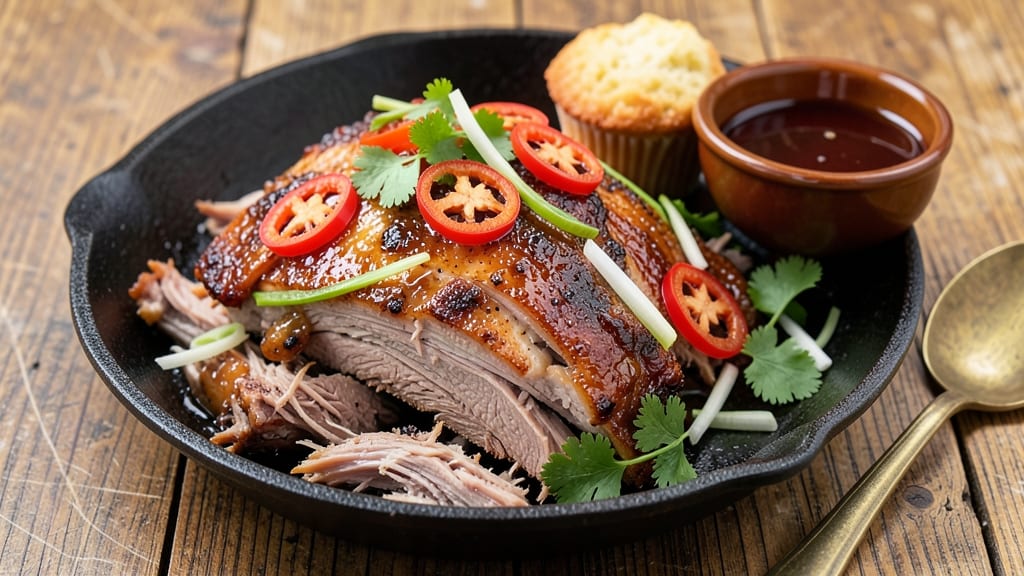
This best damn pulled pork recipe delivers melt-in-your-mouth tenderness with a five-spice crust that locks in moisture all night long. After years of perfecting my technique—from Charleston pitmaster days to my own farm-raised pork—I’ve cracked the code for restaurant-quality results at home. The secret? A balanced rub that creates a flavorful bark while keeping the meat impossibly tender.
We start with a pork shoulder, generously coated in a blend of five-spice, brown sugar, and smoked paprika, then slow-cooked until it falls apart at the touch. No guesswork here: precise temperatures and timing ensure perfect doneness every time.
The crust forms a protective seal, preventing dryness while developing deep, complex flavors that’ll have your guests begging for seconds.
By the time you’re ready to serve, you’ll have pulled pork so tender it shreds with a fork, with enough moisture to keep each bite juicy. This isn’t just pulled pork—it’s the kind that earns rave reviews and makes you the hero of any gathering.
Serve it on buttery buns with tangy coleslaw or classic baked beans for the full experience.
What makes this recipe truly foolproof is the method: low-and-slow cooking that transforms tough cuts into something extraordinary. Whether you’re smoking, braising, or using your oven, the principles stay the same. Let’s get cooking—your taste buds will thank you.
Ingredients for best damn pulled pork
The secret to restaurant-quality pulled pork starts with these 15 ingredients—bold flavors and tenderizing magic.
| Ingredient | Amount | Notes |
|---|---|---|
| Pork Shoulder (Bone-In) 🐖 | 5 lb | Farm-raised preferred, well-marbled |
| Five-Spice Powder 🌶️ | 2 tbsp | Authentic Chinese blend, toasted |
| Light Brown Sugar 🍚 | ½ cup | Packed, turbinado preferred |
| Smoked Paprika 🌶️ | 1 tbsp | Spanish or Hungarian variety |
| Kosher Salt 🧂 | 1 ½ tbsp | Diamond Crystal preferred |
| Black Peppercorns 🌶️ | 1 tsp | Freshly cracked, coarse grind |
| Garlic Cloves 🧄 | 6 cloves | Whole, peeled, smashed |
| Yellow Onion 🧅 | 1 whole | Yellow or red, sliced |
| Apple Cider Vinegar 🍎 | ¼ cup | Unfiltered, for tang |
| Unsalted Butter 🧈 | ½ cup | Cold, cubed for basting |
| Fresh Thyme Sprigs 🌿 | 4 sprigs | Or 1 tsp dried thyme |
| Beef Broth 🍲 | 1 ½ cups | Low-sodium, homemade preferred |
| Honey 🍯 | 2 tbsp | Wildflower variety |
| Baking Soda 🧪 | 1 tsp | For tenderizing meat |
| Dark Brown Sugar 🍚 | ¼ cup | Packed, for final glaze |
The pork shoulder is non-negotiable. Farm-raised with good marbling ensures melt-in-your-mouth texture, but any bone-in shoulder will work—just trim excess fat if it's overly fatty. I always grab mine from Whole Foods or my local butcher, where they cut it specifically for pulled pork. Look for a cut with visible fat marbling—this is what keeps the meat juicy during slow cooking. The five-spice powder is the game-changer here; Penzeys or Trader Joe's carry excellent blends. Toast it lightly in a dry pan before mixing to deepen the aroma—trust me on this.
No five-spice powder? Substitute 1 tsp each of cinnamon, cloves, fennel, star anise, and ginger—it's the same flavor profile. The brown sugars can be swapped for coconut sugar if you're avoiding refined sugar, though it'll have a slightly different caramelization. For the vinegar, red wine vinegar works in a pinch, but apple cider adds that perfect tang. The beef broth? Vegetable broth works too if you're vegetarian-adjacent, though the flavor will be subtly different. And if you're short on time, pre-sliced onions from the salad bar section save minutes—just rinse them first.
This recipe rewards prep ahead. The rub keeps for 2 weeks in an airtight container, so make extra for future smokes. The pork shoulder can sit in the fridge, coated with the rub, for up to 24 hours before cooking—this actually enhances the bark. For leftovers, store in the fridge for 5 days or freeze for 3 months. I always portion mine into quart-sized containers so I can grab and reheat single servings—perfect for sandwiches or tacos. The glaze? Make it fresh, but it'll keep in the fridge for 1 week if you're prepping ahead.
Why You'll Love This Recipe
- Sweet-Savory Magic: That light brown sugar caramelizes into a sticky, glossy crust while the five-spice powder adds this warm, earthy depth you can’t get anywhere else. It’s like a hug for your taste buds—smoky, slightly sweet, with just enough heat to make it ridiculously good. My kids fight over the last bite, and I don’t even make them share.
- Leftovers? More Like Leftovers Party: This recipe makes enough to feed a small army, and the best part? The flavor only gets better the next day. Shred it for tacos, sandwiches, or even a loaded baked potato—it’s the ultimate lazy-day staple. Between us, I’ve reheated portions for five days straight, and no one’s complained. (Okay, fine, they have complained about me hogging the first batch.)
- Budget Hero: A pork shoulder is cheap, and this recipe stretches it into meals that feel fancy without breaking the bank. Five-spice powder and smoked paprika are pantry staples, and a little brown sugar goes a long way. It’s the kind of dish that makes you feel like you’re treating yourself, even when you’re just feeding the family on a Tuesday. Not the prettiest, but the taste makes up for it—every single time.
Step-by-step instructions for five-spice pulled pork
This method delivers melt-in-your-mouth pork with a five-spice crust that locks in moisture while building incredible depth of flavor.
Prepare the Pork Shoulder for Maximum Flavor
Remove the pork shoulder from the refrigerator and let it sit at room temperature for 1 hour. This ensures even cooking throughout. Pat the shoulder completely dry with paper towels—this is crucial for developing that perfect five-spice crust.
In a small bowl, combine the 2 tablespoons five-spice powder, 1 tablespoon smoked paprika, 1.5 tablespoons kosher salt, and 1 teaspoon cracked black peppercorns. Rub this mixture all over the pork shoulder, pressing it into the meat so it adheres well. Don't skip this step—the spices need time to penetrate for maximum flavor.
Create the Five-Spice Crust and Sear the Meat
Heat a Dutch oven or heavy pot over medium-high heat. Add the ½ cup unsalted butter and let it melt completely. Place the seasoned pork shoulder fat-side down in the pot and sear for 8-10 minutes until the fat is golden brown and crispy.
Flip the pork shoulder and sear the other side for another 5-7 minutes. The butter will bubble vigorously—this is normal. The crust forms during this searing process, creating a flavorful barrier that locks in moisture during the long cook. Remove the pork and set it aside.
Build the Aromatic Base for Slow Cooking
In the same pot, add the 6 smashed garlic cloves and 1 sliced yellow onion. Cook for 3-4 minutes until the onions soften and the garlic becomes fragrant. Pour in the ½ cup apple cider vinegar and scrape up any browned bits from the bottom of the pot—these contain concentrated flavor.
Add the 1.5 cups beef broth and 2 tablespoons honey to the pot. Stir in the 1 teaspoon baking soda—this helps tenderize the meat further during the long cook. Return the pork shoulder to the pot, fat-side up, and bring everything to a gentle simmer.
Slow Cook Until Fork-Tender
Cover the pot and transfer it to a 275°F oven. Cook for 4-5 hours, checking occasionally to ensure there's always liquid in the pot. If it reduces too much, add a splash of water or broth. The pork is done when it easily shreds with two forks and the internal temperature reaches 195-203°F.
Here's the thing—don't rush this step. The low temperature and long cook time break down the connective tissue, transforming tough pork into tender, pull-apart perfection. The five-spice crust will stay intact, adding layers of flavor with every bite.
Finish with a Sweet Glaze and Rest
Once the pork is tender, remove it from the pot and let it rest for 15 minutes. Meanwhile, strain the cooking liquid into a saucepan and skim off any excess fat. Return the liquid to medium heat and whisk in the ½ cup light brown sugar and ¼ cup dark brown sugar until dissolved.
Return the pork to the pot and simmer uncovered for 5-7 minutes, basting it with the sweetened liquid. This creates a sticky, caramelized glaze that enhances the five-spice flavors. Shred the pork using two forks and mix it with the glaze until fully coated. Serve immediately over buns with pickles and coleslaw for the ultimate pulled pork experience.
Pro Tips For Making Best Damn Pulled Pork
- CRANK THE HEAT FIRST: Start your pork shoulder in a screaming-hot pan or smoker—250°F minimum, but 275°F if you can handle it. I learned this the hard way: low-and-slow from the get-go means a tough, dry mess by the end. The initial sear locks in moisture and builds that crust faster than you’d think.
- SALT THE MEAT TWICE: Slather the pork shoulder with kosher salt before you sear it, then again after it hits the smoker. That second layer (about 30 minutes in) is what actually penetrates the meat while it cooks. Skip this, and you’ll end up with a bland, flavorless slab—no matter how good your rub.
- WATCH THE FIVE-SPICE: Five-spice powder is the wild card here—too much, and your pork tastes like a Chinese takeout mystery. Use it sparingly (start with 1 teaspoon per pound) and taste the rub before applying it. If it’s overpowering, cut it with a pinch more smoked paprika to balance the heat and sweetness.
- REST IT UNDER FOIL: Once the pork hits 203°F, pull it and let it rest covered with foil for at least 30 minutes. I used to skip this, thinking it’d dry out faster—wrong. The residual heat keeps it tender while the juices redistribute, so when you pull it apart, it shreds like butter. (Yes, even if you’re impatient like me.)
Essential equipment for best damn pulled pork
Smoker or Oven?
For authentic bark and smoky flavor, I swear by a Traeger Pellet Grill or Weber Smoker set to 225°F. The wood pellets (hickory or apple) infuse that deep, wood-fired taste while keeping temps steady.
If you don’t have a smoker, a Dutch oven in the oven works perfectly—just add 2-3 wood chips (soaked in water) for smokiness. 🔥
Must-Have Tools
First, grab a meat thermometer—I use the ThermoWorks Smoke—to track internal temp accurately. A cast iron Dutch oven (like Lodge) is essential for searing and braising.
For shredding, my Dexter-Russell 12-inch slicing knife does the job flawlessly. Don’t forget a wire cooling rack to drain excess fat from the pork after cooking.
Pro Tips for Equipment
If you’re smoking, invest in a heat diffuser plate (like Meater) to prevent hot spots. For oven cooking, line the bottom with heavy-duty foil to catch drippings. A spray bottle with apple cider vinegar keeps wood chips lit in your smoker without flare-ups.
And trust me, a large mixing bowl for the rub is a game-changer—it keeps spices from flying everywhere. ✨
Budget-Friendly Swaps
No smoker? Use a slow cooker on low for 8-10 hours—just add 1 cup beef broth and a smoked paprika packet for depth. For searing, a large stainless steel skillet works if you don’t own cast iron.
A digital thermometer (like Meater Plus) is cheaper than a full smoker but just as accurate. Even a charcoal grill with a water pan can mimic smoker temps if you’re patient.
Prep Ahead Gear
Store your five-spice rub in a small glass jar for easy access. Use quart-sized freezer bags to portion pulled pork for quick reheating. A fine-mesh strainer helps skim fat from the cooking liquid for a cleaner glaze.
And keep parchment paper handy—it makes transferring hot pork to a cutting board a breeze. 💪
Cleanup Essentials
Line your smoker or oven with disposable aluminum pans for easy cleanup. Keep a large spoon (like a wooden basting brush) for basting during cooking. A trash bag taped to the bottom of your smoker catches drippings—no more scrubbing grates.
And a small bowl of ice water helps cool the pork faster after shredding. Trust me, these little tricks save hours of scrubbing later. 🧼
Nutrition facts
Frequently asked questions
Can I use pork butt instead of pork shoulder?
Pork butt (also called Boston butt) is actually preferred by many pitmasters because it has slightly more fat marbling, which keeps the meat extra juicy. The cooking time and method stay exactly the same—just use the same 5-pound target weight. The five-spice crust works beautifully on either cut, so don't stress about swapping them.
How do I know when the pork is fully cooked?
Use a meat thermometer to check for doneness—aim for 195-203°F in the thickest part of the meat. When it reaches this range, the pork should shred effortlessly with two forks. Pro tip: If you don't have a thermometer, cut into the thickest part—if it falls apart completely, it's ready. Never rely on time alone!
What's the best way to reheat leftovers?
Reheat pulled pork in a skillet over low heat with a splash of beef broth or apple cider vinegar to restore moisture. Avoid microwaving—it makes the meat dry. For sandwiches, warm the pork for 3-5 minutes until heated through, then assemble with fresh buns. Leftovers keep for 5 days in the fridge or 3 months frozen.
Can I make this in a slow cooker?
Yes! Follow the same steps for searing and seasoning, then transfer everything to a slow cooker on low for 8-10 hours. Add 1 cup beef broth and 1 smoked paprika packet for depth. The five-spice crust will still develop, though it may be slightly less crisp than oven-smoked. For extra flavor, add 2-3 soaked wood chips if your slow cooker allows.
Why does my pulled pork turn out dry?
Dry pulled pork usually means it cooked too fast or lost moisture. Always keep the pork submerged in liquid during cooking—add broth or water as needed. The five-spice crust helps lock in moisture, but if you skip the butter sear or don't rest the meat, it'll dry out. For extra insurance, baste the pork every 30 minutes during cooking.