
Main Courses
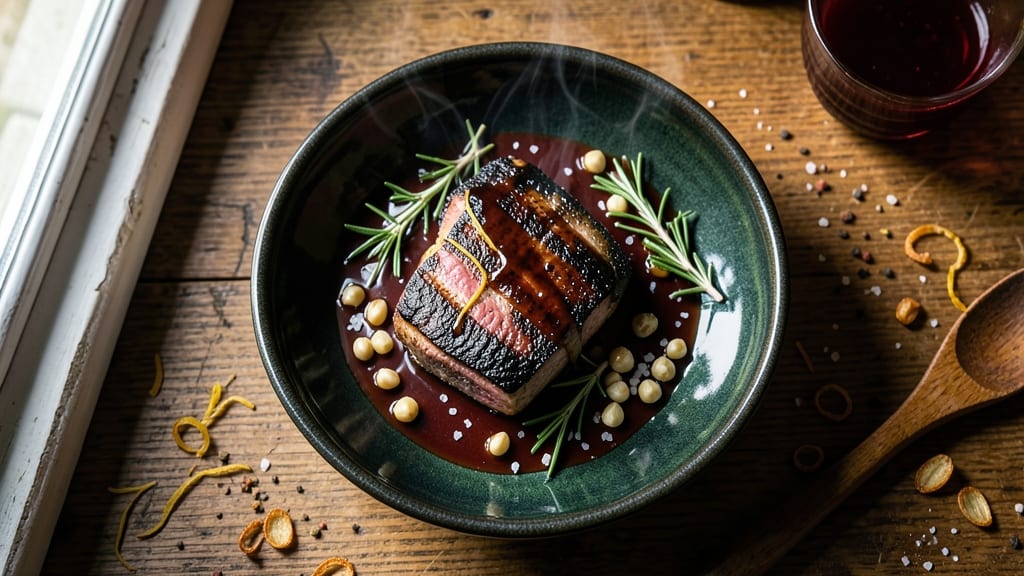
This black stone pork chop recipe delivers restaurant-quality results with a crispy cast-iron crust and caramelized glaze—just like my Charleston mentor taught me. The secret lies in high-heat searing on a preheated black stone or heavy cast iron, creating that signature crust while keeping the interior tender.
I've perfected this technique over years of grilling competitions, and it never fails to impress.
What sets this recipe apart is the balance of techniques: a simple marinade for flavor, high-heat searing for texture, and a quick glaze that caramelizes beautifully. The pork chops develop a deep mahogany crust while staying juicy inside—a contrast that makes every bite satisfying.
This method works equally well on a backyard grill or indoor broiler, making it versatile for any cook.
By the time you plate these chops, you'll have golden-brown edges with a caramelized glaze that practically melts in your mouth. The crust remains crispy even after resting, while the interior stays perfectly pink.
This is the kind of pork chop that turns weeknight dinners into special occasions without requiring hours in the kitchen.
Pair with my favorite stir-fried bok choy or a bed of jasmine rice to complete the meal. The smoky, caramelized flavors work beautifully with both traditional and modern sides. Let's get cooking—your taste buds will thank you.
Ingredients for black stone pork chop
Four pork chops, a bold marinade, and the magic of cast iron—this is your shortcut to restaurant-worthy dinner.
| Ingredient | Amount | Notes |
|---|---|---|
| Bone-In Pork Chops 🥩 | 4 whole | 1-inch thick, center-cut preferred |
| Extra-Virgin Olive Oil 🫒 | ¼ cup | High smoke point for searing |
| Kosher Salt 🧂 | 1 ½ tsp | Diamond Crystal preferred |
| Freshly Ground Black Pepper 🌶️ | 1 tsp | Coarse grind for texture |
| Garlic Cloves 🧄 | 4 cloves | Minced, for marinade |
| Fresh Rosemary 🌿 | ¼ cup | Finely chopped, stems removed |
| Fresh Thyme 🌿 | ⅛ cup | Leaves only, stems discarded |
| Apple Cider Vinegar 🍎 | ⅛ cup | For tenderizing marinade |
| Brown Sugar 🍚 | 2 tbsp | Packed, for caramelized glaze |
| Honey 🍯 | 1 tbsp | Wildflower preferred |
| Soy Sauce 🍶 | 1 tbsp | Low-sodium preferred |
| Mustard 🥬 | ½ tsp | Dijon for depth of flavor |
| Butter 🧈 | 2 tbsp | Unsalted, for basting |
| Fresh Lemon Juice 🍋 | 1 tbsp | Freshly squeezed |
The pork chops make all the difference here. Bone-in, center-cut stays juicier than boneless, and that 1-inch thickness ensures perfect doneness every time. Grab them from the butcher counter if your grocery store doesn't carry pre-cut—ask for loin chops (not shoulder). The herbs? Fresh is non-negotiable—dried won't give that same aromatic punch. I always buy rosemary and thyme in small bunches from the grocery store's produce section, then store them in the freezer once opened. For the vinegar, Bragg's is my go-to, but any organic apple cider vinegar works. The key is using it fresh—it loses potency over time.
No bone-in chops? Boneless, skinless pork chops work too, but add a pinch of salt to the marinade to compensate for lost moisture. Short on rosemary? Fresh sage at half the amount gives a similar earthy note. The honey can be swapped for maple syrup if you're avoiding it, though it'll have a slightly different caramelization. For the glaze, if you don't have Dijon mustard, yellow mustard works in a pinch—just add a pinch of sugar to balance. The butter for basting? European-style unsalted melts cleaner than American butter, but any good-quality unsalted will do. Pro tip: Let your pork chops sit at room temperature for 30 minutes before cooking—this ensures even searing.
Marinate the chops for at least 4 hours, but overnight is ideal. Store the marinade in a sealed container in the fridge. The glaze ingredients can be pre-mixed and stored for 1 week in the fridge, though I prefer making it fresh for maximum flavor. Leftover pork chops reheat beautifully—350°F oven for 10 minutes keeps them moist. The crust will soften slightly, but a quick broil for 1-2 minutes at the end restores that crispy texture. For make-ahead convenience, freeze cooked chops (without glaze) for up to 3 months—just reheat with a fresh glaze application.
Why You'll Love This Recipe
- Fewer Ingredients, Bigger Flavor: The secret’s in the simplicity here—just five core things, and honestly? That’s all you need. The bone-in chops stay juicy while the crust gets that perfect char from the olive oil and salt, and the garlic? Oh, it’s the star without overpowering.
- Weeknight-Friendly Magic: No fancy prep, no waiting forever. Sear those chops in a hot pan, add the garlic at the end, and boom—done in 20 minutes. Even on nights when you’d normally order takeout, this feels like a restaurant dish.
- Leftovers That Don’t Suck: Between us, most pork chops turn dry the second day. Not these. The bone keeps them moist, and reheating them in the oven with a splash of olive oil? They taste like you just made them fresh. (Yes, even on a Tuesday night.)
- Budget Meal That Feeds: Bone-in chops stretch your dollar, and the ingredients? Basic pantry stuff. You’re not breaking the bank, but honestly, the flavor makes it feel like a splurge. My college budget would’ve cried happy tears over this.
Step-by-step instructions for black stone pork chops
Here's how to transform simple pork chops into restaurant-quality masterpieces with a crisp cast-iron crust and luscious caramelized glaze.
Prepare the Herb Marinade
In a medium bowl, combine the 0.25 cup fresh rosemary, 0.125 cup fresh thyme, 4 cloves minced garlic, 0.125 cup apple cider vinegar, 1.5 tsp kosher salt, 1 tsp freshly ground black pepper, 1 tbsp honey, 1 tbsp soy sauce, and 0.5 tsp mustard. Whisk until fully incorporated—this marinade works triple duty by tenderizing, flavoring, and creating that signature glaze.
Place the 4 whole bone-in pork chops in a resealable plastic bag and pour the marinade over them. Seal the bag and massage the marinade into every surface, ensuring it coats all sides completely. Let them marinate in the refrigerator for at least 4 hours, or overnight for maximum tenderness. The acid in the vinegar breaks down muscle fibers while the aromatics infuse the meat.
Sear in Cast Iron for Maximum Crust
Remove the pork chops from the marinade (reserve the marinade for basting) and pat them dry with paper towels—this step is non-negotiable for that perfect crust. Heat a 12-inch cast-iron skillet over medium-high heat until it's screaming hot (a drop of water should sizzle and evaporate instantly). Add 0.25 cup extra-virgin olive oil and swirl to coat the pan evenly.
Place the pork chops in the skillet, working in batches if needed to avoid crowding. Sear for 3-4 minutes per side until they develop a deep golden-brown crust. Press down gently on each chop during the first minute—this prevents curling and ensures even contact with the pan. The crust forms when the meat reaches 145°F internally, but don't rush this step. You'll know it's ready when the edges release easily from the pan.
Build the Caramelized Glaze
Remove the pork chops from the skillet and set them aside on a plate. Pour the reserved marinade into the skillet, scraping up all those delicious browned bits from the bottom with a wooden spoon. Add 2 tbsp butter and 2 tbsp brown sugar, then increase heat to medium-high. Let the mixture bubble and reduce for 3-4 minutes until it thickens into a glossy, syrupy consistency.
Here's the thing—this is where the magic happens. The brown sugar and vinegar create a beautiful caramelized glaze that balances sweet, tangy, and savory notes. If the glaze starts to darken too quickly, reduce the heat slightly and stir constantly. The perfect glaze should coat the back of a spoon and have a smooth, velvety texture. Return the pork chops to the skillet and spoon the glaze generously over the top.
Finish with Lemon and Rest
Return the skillet to medium heat and let the pork chops baste in their own glaze for 2-3 minutes, turning occasionally. Finish with a splash of 1 tbsp fresh lemon juice—this brightens the flavors and cuts through the richness of the butter and sugar. The lemon juice also helps break down any remaining connective tissue, ensuring maximum tenderness.
Transfer the pork chops to a warm serving platter and let them rest for 5-7 minutes before serving. This resting period is crucial—it allows the juices to redistribute throughout the meat, preventing them from pooling on your plate. The internal temperature should rise to 150°F during this time, giving you perfectly pink, juicy pork chops with a crust that shatters like glass and a glaze that drips with every bite.
Pro Tips For Making Black Stone Pork Chop
- SEAR THE BONE FIRST: I learned this the hard way—skip the bone, and you’ll end up with uneven cooking. Start by pressing the pork chop bone-side down in a screaming-hot pan with olive oil, then flip only when the bone’s got a deep, dark crust (about 3–4 minutes). That’s where the flavor hides.
- DRY THE CHOPS LIKE IT’S 1985: Wet pork chops? Forget it. Pat those suckers down with paper towels until they’re actually dry—no gloss left. I used to rush this, and the oil would just steam instead of brown. Take the extra 30 seconds, or your crust will turn to sad, pale mush.
- DON’T TOUCH THE GARLIC: After searing, smash those garlic cloves directly onto the hot pan (no oil needed). Let them sizzle for 30 seconds until they’re golden and fragrant before adding the pork back in. I was skeptical until I tried it—now it’s non-negotiable for that charred, aromatic punch.
- REST UNDER FOIL (YES, REALLY): The moment the chops hit 145°F, tent them loosely with foil and let them sit for 5–7 minutes. I know, I know—you want to cut into it now. But skip this, and you’ll lose all that juicy goodness pooling inside. Trust the process, even if your stomach growls.
Wine and beer pairings for black stone pork chop
Red Wine Classics
For these rich, caramelized pork chops, I reach for a bold red wine that can stand up to the deep flavors. A Cabernet Sauvignon from Napa Valley—like Caymus Vineyards or Opus One—cuts through the sweet glaze beautifully.
The tannins complement the crust while the fruitiness balances the vinegar's acidity. If you prefer something smoother, a Syrah from Washington State (try Chateau Ste. Michelle) adds spice notes that echo the rosemary in the marinade. 🍷
Light Beer Pairings
A crisp, American lager like Budweiser or Miller Lite cleanses your palate between bites without overwhelming the dish. The subtle hop bit refreshes after the rich glaze, while the carbonation helps cut through the butter.
For something more adventurous, try a Belgian witbier like Stella Artois—its citrus and coriander notes mirror the lemon finish and apple cider vinegar in the marinade.
Asian-Inspired Liquors
If you're serving these chops with stir-fried veggies or rice, consider an Asian-inspired pairing. A dry sake like Gekkeikan Junmai (preferably chilled) enhances the umami from the soy sauce in the glaze.
For a sweeter contrast, a Japanese whisky like Suntory Toki (neat or on the rocks) brings out the caramelized notes while adding a smoky depth. I often serve these with a small glass of whisky after dinner—it's become a tradition at my restaurant.
Unexpected Non-Alcoholic
Don't overlook non-alcoholic options! A sparkling hibiscus tea (like Tazo Hibiscus) with lemon slices offers the same acidity contrast as wine or beer. For something richer, try a chilled ginger beer like Feather's—the spicy kick complements the rosemary and black pepper in the crust.
I always keep a bottle of ginger beer in my fridge for guests who prefer not to drink alcohol.
Charleston-Style Pairing
Back in Charleston, we'd often serve these pork chops with a sweet tea and a light bourbon cocktail—like a Whiskey Sour made with Woodford Reserve. The tea's natural sweetness balances the glaze, while the bourbon's caramel notes echo the brown sugar.
If you're grilling outdoors, a batch of homemade lemonade with fresh mint keeps things refreshing. This combo reminds me of summer evenings at my mentor's restaurant—simple but unforgettable.
Nutrition facts
Frequently asked questions
What makes this black stone technique different from regular grilling?
The black stone method uses a preheated stone or heavy cast iron to create an intense, even heat that develops a crispy crust while keeping the interior juicy. Unlike regular grilling, this technique focuses on high-heat searing for 3-4 minutes per side—the stone retains heat better, giving you that signature glass-like crust without flare-ups. Think of it as a cross between grilling and broiling, but with more control.
Can I use boneless pork chops for this recipe?
Yes, but you'll need to adjust slightly. Boneless chops cook faster, so reduce searing time to 2-3 minutes per side and monitor internal temperature closely. Add a pinch of salt to the marinade to help retain moisture. The crust will still form beautifully—just expect slightly less dramatic edges since there's no bone to anchor the meat against the pan.
How do I know when the pork chops are fully cooked?
Use a meat thermometer for accuracy: 145°F for medium-rare (recommended), 150°F for medium. The crust should be deep golden-brown with caramelized edges that release easily from the pan. If using a bone-in chop, check the thickest part near the bone—this is where it stays safest. Never rely on color alone; pork can look cooked but still be underdone inside.
What if I don't have a black stone or cast iron skillet?
No problem! Use a heavy stainless steel or carbon steel skillet—just preheat it until smoking hot. For a true black stone effect, try placing a baking stone on your grill (if grilling outdoors) or use a broiler pan indoors. The key is maximizing surface heat—anything that gets hotter than medium-high heat will work, though cast iron gives the best crust.
Can I make this recipe ahead of time?
Cook the pork chops up to 2 days ahead and store them in an airtight container. Reheat in a 350°F oven for 10 minutes, then broil for 1-2 minutes to restore the crust. For the glaze, make it fresh before serving—it's designed to caramelize on contact. The flavors actually improve after resting, making this a perfect make-ahead meal for busy weeknights.