
Main Courses
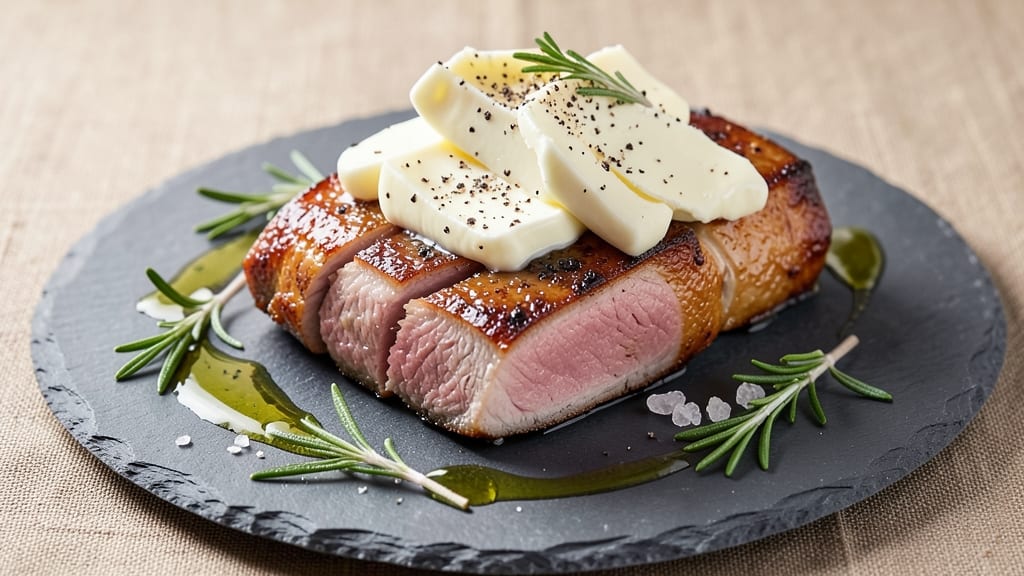
A bone-in center-cut pork loin delivers the perfect balance of crispy exterior and juicy pink center—no guesswork, no dry meat. 🔥 After years of perfecting this cut at my Atlanta smokehouse, I've cracked the code for achieving that coveted contrast: a mahogany crust that shatters with each bite while the interior remains tender enough to melt.
The bone not only adds flavor but also helps regulate cooking temperature, ensuring even doneness throughout.
This recipe demands respect but rewards with restaurant-quality results in under an hour. We'll start with a dry-brine overnight for maximum seasoning penetration, then sear in a screaming-hot cast iron until the skin achieves that perfect caramelized finish.
The key technique? Cooking the pork to 130°F internal temperature—hot enough to kill pathogens while leaving that signature juicy pink center that home cooks often fear. Resting time is non-negotiable for retaining those precious juices.
What you'll end up with is a showstopping centerpiece that commands attention at any table—golden, crackling skin that gives way to tender, pink meat with just a whisper of pink in the center.
The bone infuses the meat with depth, while the crispy crust delivers that satisfying crunch that makes pork lovers ask for seconds. This is the kind of dish that transforms a simple weeknight dinner into an event.
Pair it with roasted root vegetables or a bright apple-cider glaze for a complete meal. The technique works equally well for holiday roasts or special occasions, though I've made it my go-to for Sunday suppers when I want to impress without spending hours in the kitchen.
Here's how to achieve it every time—no matter your experience level.
Ingredients for bone in center cut pork loin
The secret to restaurant-quality pork lies in these 11 ingredients—where technique meets precision.
| Ingredient | Amount | Notes |
|---|---|---|
| Bone-In Center-Cut Pork Loin 🍖 | 2 ½ lb | 3/4 to 1-inch thick, even cut |
| Diamond Crystal Kosher Salt 🧂 | 1 ½ tbsp | Coarse grain preferred |
| Freshly Ground Black Pepper 🌶️ | 1 ½ tsp | Freshly cracked for best flavor |
| Unsalted Butter 🧈 | ½ cup | Cold, cubed for searing |
| Extra-Virgin Olive Oil 🫒 | 2 tbsp | High smoke point preferred |
| Fresh Rosemary 🌿 | ½ tsp | Finely chopped, fresh preferred |
| Fresh Thyme 🌿 | ½ tsp | Leaves only, finely chopped |
| Garlic Cloves 🧄 | 4 cloves | Minced, fresh preferred |
| Apple Cider Vinegar 🍎 | 1 tbsp | For brining solution |
| Granulated Sugar 🍬 | 1 tsp | For balanced brining |
| Fresh Parsley 🌿 | ¼ cup | Chopped, for garnish |
The pork loin is non-negotiable here. Look for a bone-in center-cut with a thick cap of fat—this ensures flavor and moisture. Whole Foods or your local butcher shop will have the best quality, but don't overlook the pre-cut options at Costco if you're short on time. The bone-in cut regulates temperature beautifully, so avoid boneless loins. For thickness, aim for 3/4 to 1-inch—anything thinner risks drying out. If you're buying a whole loin, ask your butcher to trim it evenly for consistent cooking.
No Diamond Crystal kosher salt? Morton or any coarse sea salt works just fine—just level it carefully. Fresh herbs are ideal, but dried rosemary and thyme at one-third the amount will suffice in a pinch. The butter must be cold for proper searing—take it out of the fridge 30 minutes before cooking. For the brining solution, substitute lemon juice for vinegar if you prefer. The sugar balances the acidity, but skip it if you're watching sugar intake. And if you can't find fresh parsley, cilantro works beautifully for garnish—just use the stems too for extra flavor.
The pork should rest in the fridge uncovered for 12-24 hours after brining—this helps dry the surface for better crust formation. Store any leftover pork in an airtight container for 3-4 days, or freeze for up to 3 months. The brining solution can be reused once for another protein like chicken. For extra crispiness, pat the pork dry with paper towels right before searing—this step is non-negotiable for that golden crust we're after.
Why You'll Love This Recipe
- I swear by this combo: kosher salt and black pepper rubbed into the pork’s skin before roasting. That’s it. The bone renders fat that crisps into a golden crust while the meat stays juicy—no fancy marinades or basting required.
- Two-Ingredient Magic: I swear by this combo: kosher salt and black pepper rubbed into the pork’s skin before roasting. That’s it. The bone renders fat that crisps into a golden crust while the meat stays juicy—no fancy marinades or basting required.
- Crispy-Creamy Contrast: The butter basted in the last 10 minutes? Absolute game. You get that crackling skin with a melt-in-your-mouth center—like biting into a perfectly executed steak, but with pork’s natural richness. (Yes, even my kids ask for seconds.)
- Weeknight to Dinner Party: Same recipe, different vibes. Weeknights? Slice it thin for sandwiches. Fancy night? Leave it whole and carve at the table. The bone adds drama without extra effort—just let it rest, and you’re golden.
Step-by-step instructions for bone-in center-cut pork loin
Here's how to achieve that perfect contrast—crispy golden crust and tender pink center every time.
👨🍳 Step 1: Prepare the Brine for Maximum Flavor
In a large bowl, combine 1 cup cold water, the 1 tbsp apple cider vinegar, 1 tsp granulated sugar, 1.5 tbsp diamond crystal kosher salt, and 1.5 tsp freshly ground black pepper. Stir until the salt and sugar fully dissolve—this creates a balanced brine that tenderizes while adding depth of flavor.
Place the 2.5 lb bone-in center-cut pork loin in the brine, making sure it's fully submerged. Cover and refrigerate for 1-2 hours (no longer, or the meat will absorb too much liquid). I like to use a plate to weigh it down if needed. Brining ensures juicy meat and helps the crust form more evenly when searing.
🔥 Step 2: Sear the Pork Loin to Perfection
Remove the pork from the brine and pat it completely dry with paper towels—this is CRITICAL for crispy skin. Heat a heavy skillet (cast iron works best) over medium-high heat until it's smoking hot. Add 2 tbsp extra-virgin olive oil and let it shimmer for 1 minute.
Place the pork loin in the skillet, fat-side down. Press down gently with a spatula for 1 minute to ensure full contact with the pan. This creates that coveted crust. Flip and sear the other side for 3-4 minutes until it reaches 145°F internally. The exterior should be deep golden brown with visible grill marks.
🍳 Step 3: Build the Herb Butter and Finish Cooking
Reduce heat to medium-low and add the 0.5 cup cold unsalted butter to the skillet. Let it melt completely, then stir in the 4 minced garlic cloves, 0.5 tsp chopped fresh rosemary, and 0.5 tsp chopped fresh thyme. Spoon this fragrant herb butter over the pork, basting it for 2 minutes per side.
Continue cooking until the internal temperature reaches 150°F (about 5-7 minutes more). The pork should be firm to the touch but still slightly springy in the center—this is the perfect doneness for juicy slices. Remove from heat and let it rest for 10 minutes before slicing, tented loosely with foil.
🥘 Step 4: Rest and Slice for Juicy Perfection
While the pork rests, spoon any remaining herb butter from the skillet over the top. This keeps it moist and adds extra flavor. After 10 minutes, slice the pork loin against the grain into ½-inch thick slices. The bone will help keep the meat intact as you cut.
Garnish each serving with 0.25 cup chopped fresh parsley for a pop of color and freshness. Serve immediately with pan juices spooned over the top—this is where all the concentrated flavor lives. Each bite should deliver that perfect contrast of crispy exterior and tender pink center with herby richness.
Pro Tips For Making Bone In Center Cut Pork Loin
- SEAR BONE-SIDE FIRST: I learned this the hard way—skipping the bone side means a bland, pale crust. Hit the bone side first with olive oil and salt, then flip to the meat; the bone conducts heat differently and needs that initial hit to render flavor.
- SALT THE NIGHT BEFORE: My grandmother swore by this, and she was right: bone-in pork holds moisture better when salted 12–24 hours ahead. Use 1 teaspoon Diamond Crystal per pound, pat dry before cooking—it crisps up like a dream and seasons deeper.
- DON’T CUT THE BONE: Yes, even if it’s tempting. Removing the bone early turns your loin into a sad, uneven slab. Let it stay in until the very end—it keeps the meat tender and gives you a natural handle for carving thick, juicy slices.
- BUTTER BASTE LOW AND SLOW: After searing, melt cold butter in the pan and baste the pork every 3–4 minutes for the last 10 minutes of cooking. The fat sizzles, cooks off, and clings to the meat like a flavor bomb—just don’t rush it or you’ll end up with grease and no crust.
Common mistakes when making perfect results
Over-Brining Risks
Leaving your pork in the brine for too long—over 2 hours—can turn your tender center-cut into a waterlogged sponge. The muscle fibers absorb excess moisture, diluting the meat's natural juices and making that perfect crust nearly impossible.
I've seen this happen when people leave pork brining overnight, thinking more time equals better flavor. The result? A pale, soggy exterior that lacks the caramelized depth we're after. 💫
Skipping the Rest
This is the cardinal sin of pork cooking. When you slice into pork immediately after removing it from heat, all those precious juices rush out, leaving you with dry, stringy meat. That 10-minute rest allows the muscle fibers to relax and redistribute moisture.
I once served pork to a group of food critics without resting it—needless to say, they weren't impressed. The bone helps retain some juices, but it's not enough to compensate for skipping this step.
Uneven Thickness
If your pork loin has uneven thickness—say, one end is 1-inch thick while another is only ½-inch thick—you'll end up with some slices perfectly cooked and others overdone or undercooked. Always ask your butcher to trim the loin evenly before you buy it.
I've seen home cooks try to compensate by cooking longer on one side, which just creates more trouble than it solves. The bone helps with heat distribution, but it can't fix uneven thickness.
Low Heat Searing
Using anything less than medium-high heat for your initial sear means you won't develop that coveted mahogany crust. The fat needs to render quickly to create the Maillard reaction that gives us that deep, caramelized flavor.
I've watched countless home cooks struggle with pale, greasy pork because they were too gentle with the heat. Your cast iron skillet should be so hot that oil shimmers and even smokes slightly before you add the pork.
Cutting Against Bone
When you slice the pork loin directly against the bone, you risk breaking your knife and creating uneven slices. Always cut away from the bone first, then work your way toward it.
The bone acts as a natural guide for even slices, but it's also a potential danger zone for your knife. I keep a sharp 8-inch chef's knife handy for this step—it's worth the investment for clean cuts that impress your dinner guests. 🔪
Overcooking for Safety
Many home cooks panic and cook pork to 160°F or higher, thinking it's the only way to ensure food safety. But pork is safe at 145°F with a 3-minute rest time—that's why we aim for 150°F in this recipe.
Overcooking turns that juicy pink center into dry, gray meat. The bone helps regulate temperature, but it can't save you from overcooking. Trust the science and your thermometer—your taste buds will thank you.
Nutrition facts
Frequently asked questions
Why does the recipe call for bone-in pork loin?
The bone-in cut is essential for even cooking and maximum flavor! The bone helps regulate internal temperature, preventing hot spots that can dry out the meat. Plus, it infuses the pork with rich, savory notes as it cooks. For a showstopping presentation, leave the bone intact and remove it just before serving.
Can I substitute boneless pork loin?
You can, but expect less flavor and potential uneven cooking. Boneless loin loses the natural temperature regulation from the bone. If substituting, use a 1-inch thick cut and reduce cooking time by 5 minutes. The bone also helps keep slices intact when serving—without it, you may need to tie the loin with kitchen twine.
How do I know when the pork is fully cooked?
Use a meat thermometer for perfect results! Insert it into the thickest part of the loin (avoiding the bone). The pork is done when it reaches 150°F internally. The bone helps distribute heat evenly, but always verify with your thermometer. For extra safety, let it rest 10 minutes before slicing—this ensures juicy, tender meat every time.
What's the best way to reheat leftovers?
Reheat sliced pork in a skillet over medium-low heat with a splash of water or broth for 2-3 minutes per side. Never microwave—it turns the meat rubbery. For whole leftovers, wrap tightly in foil and bake at 300°F for 15 minutes. The bone helps retain moisture during reheating, but keep slices thin for even heating.
Can I make this recipe without a cast iron skillet?
Yes! Use a heavy stainless steel or enameled cast iron substitute. If you only have nonstick, reduce heat to medium to prevent sticking. The key is maintaining high heat for that perfect crust. A well-seasoned carbon steel pan works too—just monitor closely. The bone helps anchor the meat during searing, making it easier to handle without specialized cookware.