
Main Courses
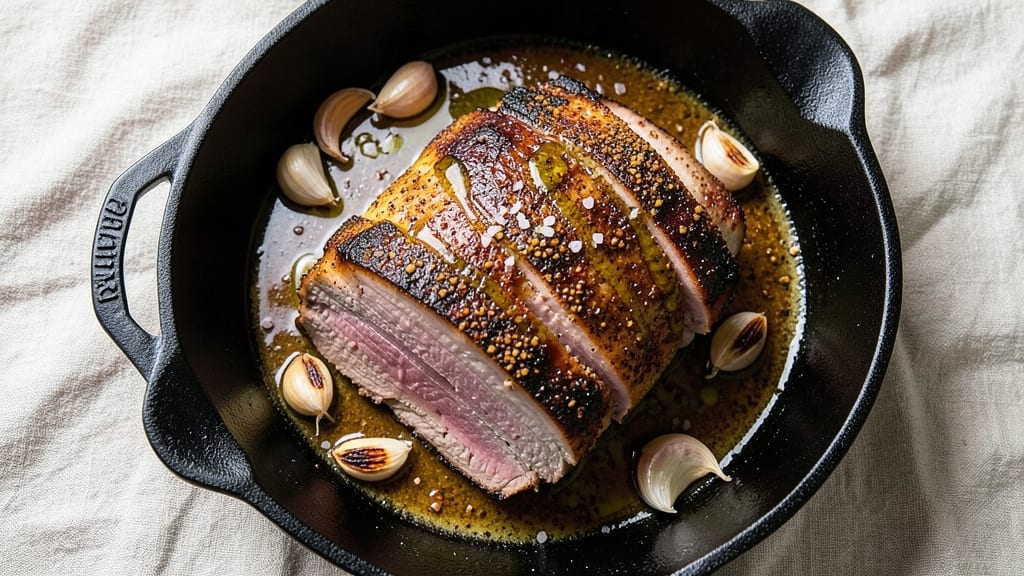
This boneless pork roast recipe in a Dutch oven delivers the perfect balance of crispy bark and juicy pink centers—no guesswork, just foolproof results. I developed this method after years of perfecting pork roasts in my collection of vintage cast iron, where even heat distribution and moisture retention make all the difference. The secret lies in a simple yet effective seasoning blend and low-and-slow cooking that transforms tough cuts into melt-in-your-mouth perfection.
What sets this recipe apart is the Dutch oven's ability to retain moisture while creating that coveted crispy exterior. Start with a dry rub of smoked paprika, garlic powder, and coarse salt, then sear the roast before transferring it to the oven.
The high initial heat locks in juices, while the slow cook ensures tender, evenly cooked meat throughout. This method works beautifully with heritage pork cuts, delivering that rich, satisfying flavor I grew up loving in small-town Georgia kitchens.
By the time you pull this roast from the oven, you'll have a golden-brown exterior with crispy edges that give way to tender, juicy pink centers—exactly what makes this recipe special.
The Dutch oven ensures even cooking without drying out the meat, and the simple seasoning lets the natural flavors of the pork shine through. This is the kind of dish that transforms a weeknight dinner into a restaurant-worthy meal with minimal effort.
The beauty of this recipe extends beyond the roast itself. The rendered juices create a flavorful pan sauce that's perfect for drizzling over the meat or using as a base for gravy. Plus, the Dutch oven keeps everything contained—no messy spills or multiple dishes to clean.
Serve with roasted potatoes or a fresh green salad for a complete meal that's sure to impress. Let's get cooking!
Ingredients for boneless pork roast recipe dutch oven
Pork roast, Dutch oven, and simple seasonings transform a weeknight into a restaurant-worthy meal.
| Ingredient | Amount | Notes |
|---|---|---|
| Boneless Pork Loin Roast 🥓 | 3 lb | Center-cut for even cooking |
| Smoked Paprika 🌶️ | 2 tbsp | Sweet or hot variety preferred |
| Garlic Powder 🧄 | 1 tbsp | Freshly ground for best flavor |
| Coarse Kosher Salt 🧂 | 1 ½ tbsp | Diamond Crystal preferred |
| Ground Black Pepper 🌶️ | 1 tsp | Freshly cracked for intensity |
| Extra-Virgin Olive Oil 🫒 | 2 tbsp | High smoke point for searing |
| Yellow Onion 🧅 | 1 whole | Large, sliced for pan sauce |
| Fresh Thyme Leaves 🌿 | ¼ cup | Chopped, stems removed |
| Fresh Rosemary 🌿 | ¼ cup | Chopped, sprigs removed |
| Fresh Garlic Cloves 🧄 | 4 cloves | Minced for pan sauce |
| Unsalted Butter 🧈 | 2 tbsp | Cold, for finishing |
| Dutch Oven 🍲 | 1 whole | 5-6 quart capacity preferred |
| Beef Broth 💧 | ½ cup | Low-sodium preferred |
| All-Purpose Flour 🌾 | 1 tbsp | For thickening pan sauce |
The pork loin roast is the star—look for a center-cut with good marbling for juiciness. Most butchers will trim it for you, but if not, remove any excess fat yourself. Costco or Whole Foods carry excellent heritage pork cuts, but any well-marbled roast works. The Dutch oven is non-negotiable here; vintage Le Creuset or Lodge cast iron are my go-tos, but any heavy-duty Dutch oven will do. For the smoked paprika, Penzeys or the bulk bins at Trader Joe's offer the best quality—avoid the dusty stuff that's been sitting on shelves for months. The garlic powder should be freshly ground if possible, but pre-ground works in a pinch.
No smoked paprika? Sweet paprika plus a pinch of cayenne mimics the smoky depth. Running short on fresh thyme or rosemary? Dried herbs at one-third the amount work, but fresh is ideal for that bright, aromatic punch. The extra-virgin olive oil needs to have a high smoke point—California avocado oil is another great option if you're worried about burning. For the pan sauce, Worcestershire sauce adds depth, but if you're avoiding it, a splash of apple cider vinegar brightens things up. The beef broth should be low-sodium to avoid over-salting the final sauce—Imagine or Pacific Foods are my go-to brands for clean, flavorful stock.
Pork roasts keep 3-4 days in the fridge once cooked, but the pan sauce reheats beautifully—store it separately for up to 5 days. For make-ahead convenience, fully cook and refrigerate the roast, then reheat in the Dutch oven with a splash of broth until warmed through. The Dutch oven itself stores clean and dry in a cool, dark place—never stack heavy pots on top. If you're prepping ahead, season the roast and refrigerate overnight—the dry rub penetrates better after a few hours. Leftovers make fantastic sandwiches or tacos the next day.
Why You'll Love This Recipe
- One-Pan Magic: I swear by this recipe when I’m too tired to scrub pots—just sear the pork, sprinkle that smoky paprika and garlic powder mix, and let the Dutch oven do the work. No chopping, no fuss, and honestly? The crust gets so crispy while the inside stays juicy.
- Smoky Secret Weapon: That smoked paprika isn’t just a garnish—it’s the star. A single teaspoon transforms plain pork into something rich and savory, like a cross between a charcuterie board and a campfire. (Yes, even on a Tuesday night.)
- Leftovers That Don’t Suck: Between us, most roast leftovers turn into sad, dry slabs. Not this one. Slice it thin, toss with a little olive oil, and reheat in the oven—still tender, still packed with flavor. I’ve fed a houseful with just one roast.
- Budget-Friendly Feast: A single pork loin stretches across three meals for my family of four, and the spices cost pennies. Honestly, it’s the kind of recipe that makes me feel like I’m cooking gourmet without breaking the bank. (My wallet thanks me every time.)
Step-by-step instructions for Dutch oven pork roast
Master this one-pot technique for perfect bark and tender meat every time.
Season and Sear the Pork Roast
Pat the 3 lb boneless pork loin roast dry with paper towels—this is critical for crispy bark. In a small bowl, mix the 2 tbsp smoked paprika, 1 tbsp garlic powder, 1.5 tbsp coarse kosher salt, and 1 tsp ground black pepper. Rub this generously over all sides of the pork, pressing firmly so the seasoning adheres.
Heat the Dutch oven over medium-high heat until very hot. Add the 2 tbsp extra-virgin olive oil and swirl to coat. Place the seasoned pork roast in the Dutch oven and sear on all sides until deeply browned—about 3-4 minutes per side. This step develops the flavorful crust while keeping the interior juicy. Don't rush this; you want that rich, caramelized bark.
Build the Herb and Onion Base
Remove the pork roast from the Dutch oven and set it aside on a plate. In the same Dutch oven, add the sliced 1 whole yellow onion and cook for 3-4 minutes until softened and slightly caramelized. Stir in the 0.25 cup chopped fresh thyme leaves and 0.25 cup chopped fresh rosemary, cooking for another 30 seconds until fragrant.
Add the 4 cloves minced fresh garlic cloves and cook for 30 seconds until aromatic. Here's where the flavor foundation happens—don't skip this step. The onions should be golden and sweet, and the herbs should release their essential oils. This aromatic base will infuse the pork as it cooks.
Braise with Broth and Butter
Return the pork roast to the Dutch oven, fat-side up. Pour in the 0.5 cup beef broth, then add the 2 tbsp cold unsalted butter. The butter will melt and baste the pork continuously as it cooks. Bring everything to a gentle simmer, then reduce heat to medium-low to maintain a steady 180-190°F temperature.
Cover the Dutch oven and cook for 1 hour 15 minutes until the pork reaches an internal temperature of 145°F (measured with a meat thermometer in the thickest part). The pork should be tender but still slightly pink in the center—this is the perfect doneness for juicy results. If the liquid reduces too much before then, add a splash more beef broth.
Thicken the Sauce and Finish
Remove the pork roast from the Dutch oven and let it rest on a cutting board for 10 minutes (this is crucial for retaining juices). Increase heat to medium and sprinkle the 1 tbsp all-purpose flour over the pan juices. Stir vigorously for 1-2 minutes until the sauce thickens slightly—this creates a glossy, flavorful coating.
Return the pork to the Dutch oven and spoon the thickened sauce over the top. The sauce should coat the pork beautifully, adding extra flavor and moisture. Slice the pork against the grain into ½-inch thick portions and serve immediately with the pan sauce spooned over the top.
Pro Tips For Making Boneless Pork Roast Recipe Dutch Oven
- SEAR FIRST, LOW AND SLOW: I used to rush the pork straight into the oven and wondered why it turned out dry. Start with a screaming-hot Dutch oven—5 minutes per side until deep golden brown—then drop the heat to 275°F (135°C) for even cooking. That crust locks in moisture while the inside stays juicy.
- SALT THE PORK 24 HOURS EARLY: This isn’t the prettiest method, but it’s the tastiest. Sprinkle kosher salt all over the pork (about 1 tsp per pound) and let it sit uncovered in the fridge. The salt breaks down the muscle fibers, making the meat tender and the crust crispier—no last-minute guesswork.
- WATCH THE SMOKED PAPRIKA: After burning three batches, I finally figured out: too much smoked paprika turns your pork bitter. Stick to 1–2 teaspoons total, mixed with the garlic powder and black pepper. If you want extra smokiness, add a pinch of cayenne or a dash of liquid smoke after cooking.
- UPGRADE WITH BUTTER AND AROMATICS: Skip the dry rub shortcut and melt 2 tablespoons of butter in the Dutch oven after searing. Toss in 3 smashed garlic cloves and a splash of broth (or water in a pinch) to deglaze—this adds depth without extra effort. The pork will taste like it simmered in a restaurant pan.
Best sauces and condiments for this dish
Classic Pan Sauce
This rich, herby pan sauce is the star of the show—simply reduce the rendered juices with a splash of beef broth and a pat of butter. I like to finish it with a touch of Worcestershire sauce for depth, but a drizzle of honey adds sweetness if you prefer.
For a silky texture, whisk in 1 tbsp cornstarch mixed with 2 tbsp cold water at the end. This sauce pairs perfectly with the tender pork and elevates the dish to restaurant-quality. 🍲
Apple Cider Glaze
For a sweet-and-tangy twist, reduce ½ cup apple cider with 1 tbsp brown sugar and 1 tsp Dijon mustard in the Dutch oven after removing the pork. Simmer until syrupy, then brush over the sliced roast.
The acidity cuts through the richness, balancing the savory flavors beautifully. This glaze works especially well with heritage pork cuts like my Gloucestershire Old Spots.
Mustard Cream Sauce
Whisk together ¼ cup sour cream, 2 tbsp Dijon mustard, and 1 tbsp fresh parsley for a creamy, tangy sauce. Warm it gently in the Dutch oven before serving—never boil, or it will curdle.
This sauce adds a luxurious finish and complements the smoky paprika rub perfectly. A pinch of smoked paprika stirred in at the end ties the flavors together. 💛
Garlic-Herb Butter
Melt 2 tbsp unsalted butter in the Dutch oven with 2 minced garlic cloves and 1 tbsp chopped fresh parsley. Spoon this fragrant butter over the sliced pork just before serving. The butter adds richness while the garlic and parsley brighten up the dish.
For extra flair, add a pinch of red pepper flakes if you like a little heat. This is my go-to for a quick, elegant finish.
Red Wine Reduction
Deglaze the Dutch oven with ½ cup dry red wine (like a Cabernet Sauvignon) after removing the pork. Reduce by half, then whisk in 1 tbsp cold butter for a glossy, wine-infused sauce.
The acidity in the wine cuts through the richness of the pork, creating a sophisticated pairing. This sauce is perfect for special occasions and pairs beautifully with roasted root vegetables. 🍷
Spicy Honey Mustard
Combine 2 tbsp Dijon mustard, 1 tbsp honey, and ½ tsp cayenne pepper in a small bowl. Warm this mixture in the Dutch oven for 1-2 minutes before brushing over the sliced pork.
The sweetness of the honey balances the heat, while the mustard adds depth. This sauce is a crowd-pleaser, especially if you serve it with crusty bread for dipping. 🌶️
Nutrition facts
Frequently asked questions
Why does the recipe call for a boneless pork loin roast instead of pork shoulder?
Boneless pork loin delivers tender, juicy results with less fat to trim, while pork shoulder requires longer cooking. The Dutch oven's even heat makes it perfect for the loin's quicker cook time (1 hour 15 minutes total). Shoulder would need 3-4 hours and more liquid—this method keeps things simple without sacrificing flavor.
Can I use a regular oven instead of a Dutch oven?
You can, but you'll lose the crispy bark and risk drying out the meat. The Dutch oven's lid traps steam while the heavy cast iron creates that perfect crust. If you must use a regular oven, roast the pork uncovered on a rack over a pan to catch drippings, then finish with a quick broil for color. Expect slightly less tender results.
How do I know when the pork is fully cooked?
Use a meat thermometer—insert it into the thickest part of the roast. It's done when it reaches 145°F internally. The pork should be tender but still slightly pink in the center (not gray). If you don't have a thermometer, cut into the thickest part—it should feel springy, not rubbery.
What's the best way to store leftovers?
Let the pork cool completely, then wrap it tightly in plastic wrap or aluminum foil. Store in the fridge for 3-4 days or freeze for up to 3 months. Reheat in the Dutch oven with a splash of broth over medium heat until warmed through. The pan sauce reheats beautifully—store it separately if you prefer it hot.
Can I make this ahead of time?
Cook the roast completely, then refrigerate it uncovered for 1-2 hours to develop that crispy bark. Reheat in the Dutch oven with 2 tbsp broth over medium heat until warmed through. The flavors actually improve overnight as the seasonings meld. Just add fresh herbs when reheating.