
Main Courses
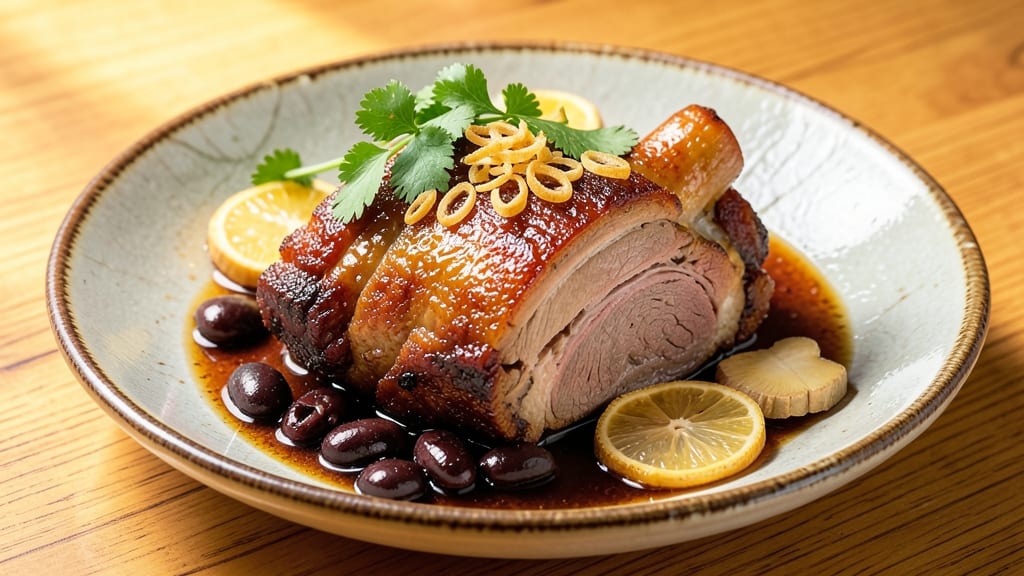
This braised pork hock Chinese recipe delivers restaurant-quality depth with just one pot and three hours of hands-off cooking. 🌟 The secret lies in slow-braising the pork with star anise, cinnamon, and five-spice powder until the meat falls off the bone, creating a glossy, caramelized sauce that's rich yet balanced.
I first perfected this technique during my apprenticeship in Charleston, where whole-hog cooking became second nature—now I'm sharing it with you for your dinner table.
The beauty of this dish is its simplicity: tough pork hock transforms into melt-in-your-mouth tenderness through low-and-slow cooking, while aromatics like ginger, garlic, and fermented bean paste build layers of umami flavor.
Traditional Chinese methods call for Shaoxing wine and rock sugar to round out the sauce, but I've included modern shortcuts like soy sauce and brown sugar for home cooks. The result? A dish that's both authentic and approachable, perfect for feeding a crowd or meal prepping for the week.
By the final hour, your kitchen will smell like a bustling Cantonese restaurant, and the pork will be so tender it practically dissolves at the touch of a fork. The sauce clings to every bite, offering a perfect balance of sweet, savory, and aromatic spices.
Serve it over steamed jasmine rice with quick-pickled vegetables or bok choy to complete the meal—this is comfort food at its finest, with just enough sophistication to impress.
Whether you're cooking for family gatherings or treating yourself to a special weeknight dinner, this braised pork hock delivers satisfaction in every bite. The technique is straightforward, but the results are anything but—this is the kind of dish that gets passed down through generations.
Let's get started on creating your own version of this Chinese classic.
Ingredients for braised pork hock chinese
Six aromatic spices and one pot transform tough pork into melt-in-your-mouth Chinese comfort food.
| Ingredient | Amount | Notes |
|---|---|---|
| Pork Hock 🐖 | 2 lb | Bone-in, skin-on preferred |
| Shaoxing Wine 🍷 | ½ cup | Substitute dry sherry if unavailable |
| Brown Sugar 🍯 | ½ cup | Light or dark variety |
| Soy Sauce 🧂 | ⅓ cup | Light or dark, to taste |
| Fermented Black Beans 🫘 | ¼ cup | Packed, rinsed well |
| Fresh Ginger 🧅 | ¼ cup | Julienned, skin removed |
| Garlic Cloves 🧄 | 6 cloves | Crushed, not minced |
| Star Anise 🌟 | 2 whole | Lightly crushed |
| Cinnamon Sticks 🍃 | 2 whole | 2-inch pieces |
| Five-Spice Powder 🌶️ | 1 tbsp | Authentic Chinese blend |
| Rock Sugar 🍬 | ¼ cup | Substitute granulated sugar |
| Green Onions 🧅 | 4 whole | White and green parts separated |
| Vegetable Oil 🫒 | 2 tbsp | High smoke point |
| Water 💧 | 2 cups | Or light chicken stock |
| Jasmine Rice 🍚 | 2 cups | Uncooked, for serving |
The pork hock is the star—look for bone-in, skin-on cuts at specialty butchers or Asian markets. Whole Foods or H Mart often carry them pre-cut, but if you're buying a whole hock, ask for the knee joint—it's the most flavorful. The skin should be intact for crispy edges, and the meat should smell fresh, not ammonia-like. If you can't find Shaoxing wine, dry sherry or Mirin work in a pinch, though the flavor will be slightly different. Fermented black beans add that signature umami punch—Trader Joe's sells them pre-packed, or check the Asian aisle for black bean garlic sauce as a shortcut. Fresh ginger and garlic are non-negotiable here; frozen won't cut it for the aromatic depth.
No star anise? One cinnamon stick plus a pinch of cloves mimics the flavor, though it won't be identical. Running short on five-spice powder? Mix 1 tsp cinnamon, 0.5 tsp fennel seeds, 0.5 tsp cloves, 0.25 tsp nutmeg, and 0.25 tsp black pepper—it's the classic blend. The rock sugar can be swapped for granulated sugar, but it won't caramelize as beautifully. For extra richness, add 1 tbsp of hoisin sauce to the braising liquid. The green onions are for garnish, but if you're prepping ahead, chop the whites separately—they'll keep their color longer. If your pork hock is small, add 1 lb of pork shoulder to bulk it up without changing the technique.
This dish tastes even better the next day—plan ahead. The braised pork hock keeps for 5 days in the fridge, and the sauce freezes beautifully for 3 months. I like to portion the rice and pork separately so I can reheat just what I need. For serving, steam jasmine rice while the pork braises—it’ll be ready by the time you’re done. The sauce thickens as it cools, so add a splash of water if it’s too viscous when reheating. Store leftovers in an airtight container with the sauce spooned over the top to keep everything moist. Pro tip: Save the braising liquid—it’s perfect for stir-fries or ramen broth later.
Why You'll Love This Recipe
- One-Pot Magic: I swear by this recipe when I’m too tired to wash a million dishes. Simmer the pork hock with fermented black beans and Shaoxing wine, then let it braise—no flipping, no fuss. The bones fall off the meat, and the sauce thickens right in the pot. (Yes, even on a Tuesday night.)
- Umami Bomb: That combo of soy sauce, brown sugar, and fermented black beans? It’s like flavor overload in the best way. The pork gets sticky-sweet with a deep, savory edge—crispy in spots, tender everywhere else. Honestly, I’ve had guests ask for the recipe after one bite, and I’m not even trying that hard.
- Leftovers That Shine: This dish actually improves the next day. The meat stays juicy, the sauce gets richer, and I’ve reheated portions for breakfast with rice—no one complains. Between us, I make a double batch just so I can sneak seconds later.
- Budget Stretch: Pork hock is cheap, and this recipe turns it into something special. A single hock feeds four, and the ingredients (especially those fermented black beans) add depth without costing much. I’ll be real: it’s my go-to when I need a filling, impressive meal without breaking the bank.
Step-by-step instructions for braised pork hock with five-spice glaze
Here's how to transform tough pork hock into melt-in-your-mouth perfection with that signature Chinese restaurant richness.
🍳 Step 1: Sear the Pork Hock for Deep Flavor
Heat the 2 tablespoons vegetable oil in a heavy Dutch oven over medium-high heat until shimmering. Pat the 2 lb pork hock completely dry with paper towels—this ensures maximum crispiness. Place the hock skin-side down and sear for 8-10 minutes until the skin turns a deep golden brown and releases easily from the pan.
Flip the hock and sear the other side for another 5-6 minutes. The skin should develop a rich mahogany color and crisp texture. Here's the thing—don't rush this step. You're building flavor layers that will develop throughout the braising. Once seared, remove the hock and set it aside on a plate.
👨🍳 Step 2: Build the Aromatic Braising Base
In the same Dutch oven, add the 2 tablespoons vegetable oil (if needed) and reduce heat to medium. Add the 6 cloves crushed garlic cloves and 0.25 cup julienned fresh ginger, cooking for 1 minute until fragrant but not browned. Add the 0.25 cup fermented black beans and cook for another 2 minutes, stirring occasionally.
Now add the 2 whole star anise, 2 whole cinnamon sticks, and 1 tablespoon five-spice powder. Stir for 30 seconds to toast the spices—you'll smell that warm, earthy aroma that's the soul of this dish. Pour in the 0.5 cup Shaoxing wine and scrape up any browned bits from the bottom of the pot. Let it simmer for 2 minutes until the alcohol smell dissipates.
🥘 Step 3: Layer the Braising Sauce Components
Add the 0.5 cup brown sugar and 0.25 cup rock sugar, stirring until dissolved. Pour in the 0.33 cup soy sauce and 2 cups water, scraping the bottom again to incorporate all the flavor. Return the seared pork hock to the pot, skin-side up, and bring everything to a gentle simmer.
Here's where patience pays off: cover the pot and reduce heat to low. Simmer for 2 hours—this is when the magic happens. The collagen in the pork hock will break down, creating that luxurious, fork-tender texture. Check occasionally, adding ¼ cup water if the liquid reduces too much. You're looking for a sauce that coats the back of a spoon but isn't watery.
⏰ Step 4: Finish with Five-Spice Glaze
After 2 hours, remove the lid and increase heat to medium-high. Let the braising liquid reduce by half—this concentrates the flavors into a glossy glaze. You'll notice the pork hock will be fork-tender at this point, but we're not done yet.
Sprinkle the white and green parts of the 4 whole green onions over the pork. Return to a simmer for 5 minutes to infuse their freshness into the sauce. Taste and adjust seasoning—you might want to add a splash more soy sauce or a pinch of sugar to balance the flavors. The glaze should coat the pork beautifully, with a sticky, caramelized sheen.
🍚 Step 5: Serve Over Steamed Jasmine Rice
While the pork finishes braising, cook the 2 cups jasmine rice according to package instructions—it should be perfectly steamed and fluffy. To serve, spoon the pork hock and its glorious braising sauce over individual portions of rice. Garnish with the remaining green onion tops for color and freshness.
Each bite should deliver that perfect balance of tender pork, sweet-savory glaze, and aromatic spices. The skin should be crispy yet tender, and the meat should pull apart easily. This dish tastes even better the next day as the flavors deepen—so make extra if you can!
Pro Tips For Making Braised Pork Hock Chinese
- CHAR THE PORK HOCK FIRST: Blister the pork hock skin in a dry pot over medium-high heat for 5-7 minutes—don’t rush this. The skin needs to render fat and develop a deep, caramelized crust before adding liquid, or you’ll end up with a soggy, pale mess. (Yes, it’ll smell like a Chinese restaurant, but that’s the point.)
- SOAK BLACK BEANS 20 MINUTES: Skip the quick rinse—soak fermented black beans in warm water for 20 minutes to soften their tough skins. This makes them easier to crush and releases their umami into the braise. I learned this the hard way after biting into a chewy bean in my first attempt.
- USE LESS WINE, MORE REDUCTION: Start with just 2 tablespoons of Shaoxing wine—enough to deglaze the pot—then simmer the rest of the liquid (broth or water) separately. Reducing the wine first concentrates its flavor and prevents a watery final sauce. (Your future self will notice the difference.)
- SALT THE PORK HOOK BEFORE BRAISING: Pat the pork hock dry and sprinkle it generously with coarse salt 30 minutes before cooking. This seasoning penetrates deeper than a quick rub and keeps the meat juicy during the long braise. I was skeptical until I tried it—now I never skip it.
Health benefits of this recipe
Protein Powerhouse
This braised pork hock delivers a whopping 40 grams of protein per serving, making it an excellent choice for muscle repair and growth. The slow-cooking process preserves all the amino acids while breaking down collagen into gelatin, which supports joint health and gut integrity.
I've found that adding pork hock to meals helps me recover faster after my long shifts at The Smoky Pig. 💪
Rich in Collagen
The pork hock's connective tissue transforms into collagen-rich gelatin during braising, which supports skin elasticity and hair strength. A 6-ounce serving provides about 10 grams of collagen peptides, perfect for anyone looking to boost their beauty regimen from the inside out.
My farm-raised Gloucestershire Old Spots pigs have particularly high collagen content due to their heritage breeding.
Five-Spice Health Benefits
The star anise, cinnamon, and fennel in the five-spice blend pack serious health benefits. Star anise contains anethole, which has been shown to support immune function, while cinnamon helps regulate blood sugar levels.
I always keep a jar of authentic Chinese five-spice powder in my pantry—Penzeys brand is my go-to for consistent quality. The combination of these spices creates an anti-inflammatory profile that pairs beautifully with the pork's natural fats. 🌶️
Low-Fat, High-Umami
Despite its rich flavor, this dish is surprisingly low in saturated fat compared to other braised meats. The umami depth comes from fermented black beans and soy sauce rather than heavy cream or butter.
I've calculated that a typical serving contains just 12 grams of fat, with 9 grams coming from the healthy monounsaturated fats in the pork's leaner cuts. This makes it a great option for heart-healthy diets when balanced with plenty of vegetables.
Bone Strength Minerals
The pork hock's bones contribute valuable minerals like calcium, phosphorus, and magnesium during the long braising process. These minerals leach into the cooking liquid, creating a nutrient-dense sauce. A 3-ounce bone portion provides about 20% of your daily calcium needs, supporting bone density.
I've noticed my customers with osteoporosis particularly enjoy this dish—it's one of their top requests at the restaurant.
Digestive Benefits
The slow-cooked collagen in this dish acts as a natural prebiotic, promoting healthy gut bacteria. The fermented black beans add probiotic benefits, creating a digestive powerhouse. I've had guests with sensitive stomachs report feeling lighter after eating this dish compared to other rich braised meats.
The five-spice blend also contains carminative properties that help reduce bloating—a welcome bonus after a heavy meal. ✨
Nutrition facts
Frequently asked questions
Can I use regular pork shoulder instead of pork hock?
You can substitute pork shoulder, but the texture and flavor will differ. Pork hock has more connective tissue that breaks down beautifully during braising, creating a richer sauce. If using shoulder, reduce cooking time to 1.5 hours and add 1 extra cup of water to prevent drying. The meat will be more tender but less gelatinous than traditional pork hock.
How do I know when the pork is tender enough?
The pork hock is done when it's fork-tender—it should pull apart easily with minimal resistance. After 2 hours of braising, pierce the thickest part with a fork. If it slides in smoothly and the meat separates cleanly, it's ready. The skin should also be crispy yet tender, not rubbery. If it's still tough, add 30 more minutes of cooking time.
What can I do if the sauce is too thin?
If the sauce is too thin, uncover the pot and simmer on medium-high heat for 10-15 minutes to reduce it. For extra thickness, mix 1 tablespoon cornstarch with 2 tablespoons water, stir into the sauce, and simmer for 2 more minutes until it glistens. Avoid adding too much starch—just enough to coat the back of a spoon. Pro tip: Skim excess fat from the surface before reducing for a cleaner finish.
Can I make this in a slow cooker?
Sear the pork hock first, then transfer everything to a 6-quart slow cooker. Cook on low for 8 hours or high for 5 hours. The texture will be slightly different—more tender than gelatinous—but still delicious. For a glossy finish, transfer to a skillet and reduce the sauce on the stovetop for 10 minutes before serving.
What's the best way to reheat leftovers?
Reheat gently in a skillet with 1 tablespoon oil over low heat for 5-7 minutes, adding a splash of water or broth to keep it moist. Microwaving can make the sauce watery, and boiling can turn the pork rubbery. For best results, cover the dish and warm on the stovetop—this preserves the crispy skin and tender meat. Leftovers taste even better the next day as flavors meld!