
Main Courses
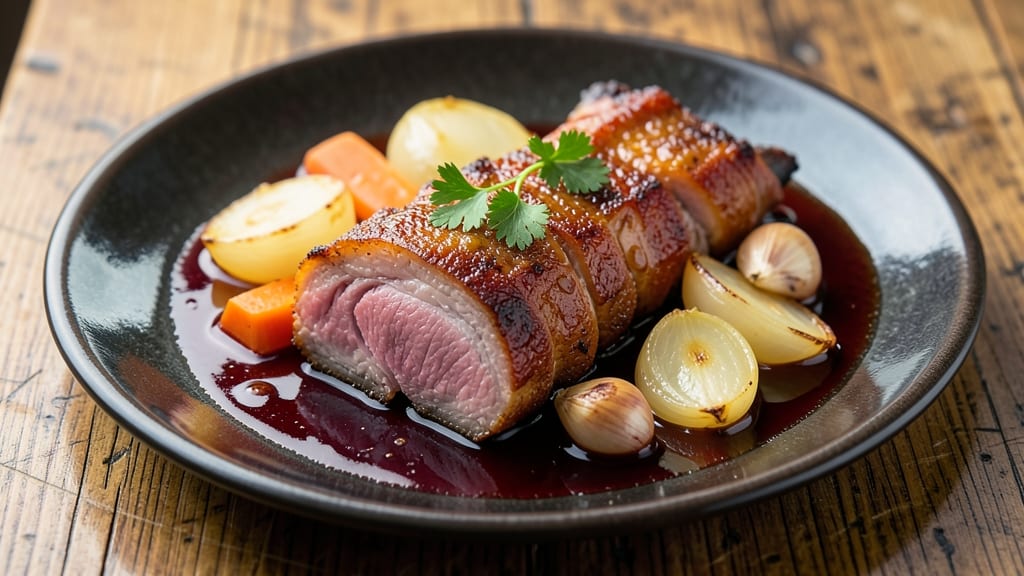
This braised pork neck recipe transforms tough cuts into melt-in-your-mouth perfection with a crispy bark and rich umami depth. 🔥 After years of perfecting the technique in my Charleston kitchen, I've developed a method that delivers restaurant-quality results at home—no fancy equipment required.
The secret lies in proper searing and slow braising, which breaks down collagen into gelatinous richness while developing that coveted caramelized crust.
What sets this recipe apart is the balance between traditional methods and modern convenience. We start with a dry brine to enhance moisture retention, then sear the pork until deeply browned—a critical step that builds flavor.
The braising liquid combines aromatic vegetables, red wine, and pork stock, creating a complex foundation that infuses every bite. This isn't just braised pork; it's a flavor experience that rivals my grandmother's Sunday dinner table.
By the time you're done, you'll have tender, shreddable pork with a crispy exterior that holds up beautifully for serving. The sauce reduces to a velvety consistency, perfect for spooning over rice or polenta.
This dish is equally impressive for weeknight dinners or special occasions—it's the kind of meal that makes people ask for seconds before the plate is empty.
The beauty of this recipe is its versatility. Use it as a centerpiece for family gatherings, serve it at holiday feasts, or enjoy it as a comforting weeknight meal. The leftovers reheat beautifully, making it perfect for meal prep.
Whether you're cooking in a Dutch oven on the stovetop or using your slow cooker, the results will be consistently exceptional.
Ingredients for braised pork neck
Six pounds of pork, aromatic vegetables, and bold flavors come together for this restaurant-worthy braise.
| Ingredient | Amount | Notes |
|---|---|---|
| Pork Neck Bones 🐷 | 4 lb | With some meat attached, skin-on preferred |
| Yellow Onions 🧅 | 2 whole | Chopped into 1-inch pieces |
| Carrots 🥕 | 4 medium | Peeled, cut into 2-inch chunks |
| Garlic Cloves 🧄 | 8 cloves | Smashed with side of knife |
| Red Wine 🍷 | 1 ½ cups | Bold dry variety like Cabernet Sauvignon |
| Pork Stock 💧 | 2 cups | Homemade or high-quality store-bought |
| Tomato Paste 🍅 | 2 tbsp | Smooth, not chunky |
| Fresh Thyme 🌿 | ¼ cup | Leaves only, stems removed |
| Fresh Rosemary 🌿 | ¼ cup | Chopped, woody stems discarded |
| Bay Leaves 🌿 | 2 whole | Dried, standard size |
| Olive Oil 🫒 | ½ cup | High smoke point preferred |
| Kosher Salt 🧂 | 2 tbsp | Diamond Crystal preferred |
| Black Peppercorns 🌶️ | 1 tsp | Freshly cracked |
| Brown Sugar 🍚 | 1 tbsp | Light or dark variety |
The pork neck is where this magic starts. Look for bones with good meat coverage—ask your butcher for the thickest cuts if possible. Costco or Whole Foods usually carry excellent quality, but don't overlook your local meat counter. Skin-on adds extra richness, though it's not mandatory. The onions and carrots should be firm and vibrant—Wilking or Sweet Crunch varieties work best. For the garlic, I always grab the bulk cloves at Trader Joe's—they're cheaper and fresher than the pre-minced stuff. The red wine is non-negotiable for depth; Cabernet Sauvignon or Merlot from a good bottle will elevate this dish.
No red wine? Substitute with extra pork stock and a splash of balsamic vinegar—it's what I do when I'm out. Fresh thyme and rosemary are ideal, but dried works at one-third the amount if you're in a pinch. The tomato paste can be the squeeze tube kind from Trader Joe's—it's perfect for this recipe. For the stock, homemade is best, but store-bought works if it's labeled 'pork' and not 'chicken' or 'beef.' The brown sugar adds subtle sweetness that balances the acidity—light brown sugar is my preference, but dark works too. If you're watching sugar, reduce to just 1 teaspoon.
This braise tastes even better the next day, so make it ahead if you can. Store in an airtight container in the fridge for up to 5 days, or freeze portions for 3 months. The sauce thickens as it cools, so add a splash of water or stock when reheating. For serving, I like to shred the pork right on the plate and spoon the sauce generously over top. The crispy bark? That's the star—cut against the grain for maximum tenderness, but leave some of those caramelized bits intact for texture.
Why You'll Love This Recipe
- One-Pot Magic: I swear by this recipe when I’m too tired to juggle multiple pans. Toss everything—pork neck, onions, carrots, garlic—into a deep pot with wine, and let the slow simmer do the work. No chopping like a line cook, no stressing over timing.
- Rich, Deep Umami: That red wine cuts through the pork’s richness while the onions caramelize into sweet, sticky pockets. The garlic? It’s the secret—roasted just enough to mellow but still pack a punch. Honestly, the first bite makes me forget about takeout.
- Leftovers That Beg: This dish improves overnight, turning tender and even more flavorful. I’ll make a big batch on Sunday, and by Wednesday, it’s still the star of my lunch—reheated with a splash of broth or straight from the fridge. My kids don’t even complain.
- Budget Feast for Crowds: Pork neck is cheaper than most cuts, and you’re getting meat that falls off the bone. Feed four for the price of two steaks, and still have enough for leftovers. Between us, this is how I stretch my grocery budget without sacrificing flavor.
Step-by-step instructions for braised pork neck
Here's how to transform tough pork neck into melt-in-your-mouth perfection with that coveted crispy bark.
🔥 Step 1: Sear the Pork Neck for Maximum Flavor
Heat a large Dutch oven over medium-high heat until it's smoking hot. Add 0.5 cup olive oil and let it shimmer for 30 seconds. Place the 4 lb pork neck bones skin-side down in the pot and sear undisturbed for 8-10 minutes until the skin turns deep golden brown and crispy.
Here's the thing—you want that skin to develop a dark mahogany color and crisp up before you flip. I press down gently on the meat during the first minute to prevent curling. After the initial sear, turn the pork and repeat on all sides until evenly browned. This step creates the foundation for that incredible bark we're after.
👨🍳 Step 2: Build the Aromatic Base
Remove the pork from the pot and set it aside. In the same Dutch oven, add the 2 whole chopped yellow onions and 4 medium peeled carrot chunks. Cook for 5-6 minutes until softened and starting to caramelize. Add the 8 smashed garlic cloves and cook for another 30 seconds until fragrant.
Stir in the 2 tbsp tomato paste and cook for 1 minute to deepen its flavor. This base will carry all the umami notes through the braising process. The reason we caramelize the vegetables first is that it builds complex sweetness that balances the rich pork flavors. Don't rush this step—you'll see the onions turn from pale to deep amber, and that's when you know they're ready.
🍳 Step 3: Deglaze and Develop the Sauce
Pour in the 1.5 cups red wine and scrape up all those beautiful browned bits from the bottom of the pot with a wooden spoon. This deglazing step captures all that concentrated flavor. Let the wine simmer for 3-4 minutes until reduced by about half.
Add the 2 cups pork stock, 0.25 cup fresh thyme leaves, 0.25 cup chopped fresh rosemary, 2 whole bay leaves, 2 tbsp kosher salt, 1 tsp cracked black peppercorns, and 1 tbsp brown sugar. The sugar helps balance the acidity of the wine and adds subtle sweetness to the braise. Bring everything to a gentle simmer, then return the pork to the pot.
⏰ Step 4: Braise Until Fork-Tender
Cover the Dutch oven and transfer it to a 300°F oven. Braise for 3-4 hours until the pork is fork-tender and the meat pulls away from the bones easily. I check it at the 2.5-hour mark—if it's not quite there, add ¼ cup water to prevent drying out and return to the oven.
Real talk: the pork should be so tender that a wooden skewer slides through with minimal resistance. If it's not quite there after 4 hours, add another 30 minutes of cooking time. The slow braising process breaks down the collagen in the pork, transforming tough meat into something silky and rich. Don't be tempted to rush this—patience pays off with incredible texture.
🔥 Step 5: Finish with Crispy Bark
Remove the pork from the braising liquid and place it on a baking sheet. Increase your oven temperature to 425°F and broil for 5-7 minutes until the skin becomes crispy and dark brown again. This final step is what gives you that perfect contrast between the tender meat and crispy exterior.
While the pork is broiling, skim any excess fat from the braising liquid and reduce it over medium heat for 5-7 minutes until it thickens slightly. Serve the pork sliced thickly over the reduced braising liquid, garnished with fresh herbs. Each bite should deliver that perfect balance of tender meat, rich sauce, and crispy bark—exactly what we're after!
Pro Tips For Making Braised Pork Neck
- BLANCH THE BONES FIRST: Drop the pork neck bones in boiling water for 3-4 minutes before braising—this loosens the collagen and keeps them from turning rubbery. I learned this the hard way when my first batch came out chewy instead of tender.
- PEEL AND ROUGH-CHOP CARROTS: Skip the perfect dice—roughly chop carrots into 1-inch chunks so they cook faster and don’t turn to mush. (Yes, even if it looks messy.) The onions and garlic will handle the flavor distribution just fine.
- DEGLAZE WITH WINE AND STOCK: After browning the pork, splash in the red wine and let it reduce by half before adding broth—this builds deeper flavor faster. I used to rush this step and wondered why my braise tasted flat.
- SKIP THE CROWDED POT: Don’t stack the bones on top of each other in the pot; layer them in a single layer with veggies between. This guarantees even cooking and prevents some pieces from sitting in their own juices. (Your future self will thank you.)
Perfect pairings for this recipe
Classic Southern Sides
This braised pork neck shines with traditional Southern sides that soak up the rich sauce. I always serve it with creamy mashed potatoes—use Yukon Gold potatoes and finish with butter and whole milk for that velvety texture.
For extra indulgence, fold in sharp cheddar cheese and a touch of sour cream. 🥔
Another crowd-pleaser is buttery cornbread—I make a simple batch with fine cornmeal, sweet milk, and honey for just the right amount of sweetness. The crumbly texture contrasts perfectly with the tender pork.
For a heartier option, try stone-ground grits cooked in chicken stock and finished with crispy bacon bits. The grits' slight grit provides a satisfying texture against the pork's silkiness.
Fresh Herb Garnishes
Fresh herbs elevate this dish from good to extraordinary. I finish every serving with chopped parsley and thinly sliced chives—their bright flavors cut through the richness. For a more robust touch, add micro cilantro or thinly sliced scallions.
The herbs should be added right before serving to preserve their vibrant color and freshness.
If you're feeling fancy, sprinkle toasted pumpkin seeds or crushed pistachios over the top for a nutty crunch. These additions not only add texture but also introduce subtle earthy notes that complement the pork's umami depth.
I keep a small bowl of these garnishes on the table so guests can customize their plates.
Beverage Pairings
Red wine isn't just for cooking—it's the perfect pairing for this dish. A bold Cabernet Sauvignon or Malbec from Argentina mirrors the braising wine's depth and stands up to the rich pork flavors. For something lighter, try a Pinot Noir from Oregon—its bright acidity cleanses the palate between bites. 🍷
If you prefer beer, a Belgian-style witbier with its citrusy notes provides a refreshing contrast. For non-alcoholic options, sparkling apple cider or iced hibiscus tea both complement the dish beautifully. The effervescence helps cut through the richness, making each bite feel fresh and balanced.
Global Twists
For a Mediterranean twist, serve the braised pork with crusty sourdough bread and a side of roasted garlic hummus. The tangy, creamy hummus balances the pork's richness, while the bread soaks up any remaining sauce. Add a sprinkle of za'atar for an extra layer of Middle Eastern flair.
Inspired by my time in Charleston, I sometimes serve this with she-crab soup—the briny, creamy broth contrasts beautifully with the pork's richness. For a more modern approach, pair it with wild rice blend and roasted Brussels sprouts tossed with balsamic glaze.
The nutty rice and slightly bitter sprouts provide a sophisticated contrast to the pork's deep flavors.
Nutrition facts
Frequently asked questions
Can I substitute pork neck with pork shoulder for this recipe?
While pork shoulder works, it's not ideal. Pork neck has more connective tissue that breaks down beautifully during braising, creating that signature tender texture. Shoulder will be slightly less rich and more prone to drying out. If you must use it, reduce the cooking time by about 30 minutes and add ¼ cup water if the sauce starts to evaporate too quickly.
How do I know when the pork neck is fully cooked?
The pork is ready when it's fork-tender and the meat pulls away from the bones easily. Insert a meat thermometer into the thickest part—it should read 195-205°F. The internal temperature will continue rising 5-10°F as it rests, so don't overcook it. If you don't have a thermometer, pierce the meat with a fork—it should slide in effortlessly.
Can I make this in a slow cooker instead of an oven?
Sear the pork neck first, then transfer everything to a 6-quart slow cooker. Cook on low for 8-10 hours or high for 5-6 hours until tender. The slow cooker method is perfect for hands-off cooking, but you'll lose that crispy bark. To restore it, broil the pork for 5 minutes before serving. Add ½ cup water if the liquid reduces too much.
What's the best way to store and reheat leftovers?
Store in an airtight container in the fridge for up to 5 days or freeze for 3 months. To reheat, place the pork and sauce in a pot over medium-low heat and warm gently, stirring occasionally. Add 1-2 tbsp water or stock if the sauce thickens too much. For crispy bark, broil for 3-5 minutes before serving. Leftovers actually improve in flavor!
Why does my braised pork neck turn out tough instead of tender?
This usually happens from one of three issues: not enough cooking time, too much liquid, or not searing properly.