
Soups & Stews
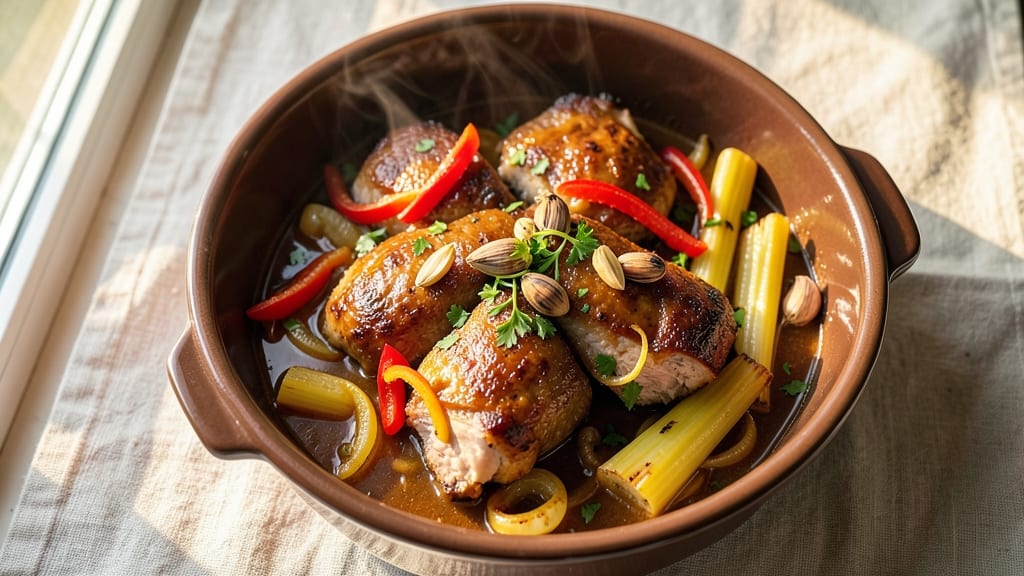
This brown stew pork recipe transforms tough cuts into melt-in-your-mouth tenderness through slow simmering and deep caramelization. 🔥 As a pitmaster who's cooked thousands of pounds of pork, I know the secret lies in proper browning and patient cooking—techniques that build layers of flavor most home recipes skip.
The result? A rich, aromatic stew where every bite delivers smoky, savory depth that lingers long after the last spoonful.
What sets this recipe apart is the balance of techniques I've perfected over years of cooking: searing the pork until deeply browned to develop that signature meaty flavor, then slow-cooking it until it practically falls apart.
The combination of aromatic vegetables, herbs, and a touch of vinegar creates a sauce that clings to each tender piece, making every mouthful unforgettable. This isn't just a stew—it's a complete meal that transforms simple ingredients into something restaurant-worthy.
The beauty of this recipe lies in its versatility. Whether you're serving it at a family gathering or enjoying a cozy weeknight dinner, the rich flavors and tender pork make it equally impressive.
The slow cooking process allows the flavors to meld beautifully, creating a dish that tastes even better the next day. Perfect for pairing with crusty bread or roasted vegetables, this brown stew pork is the kind of recipe that becomes a staple in your cooking repertoire.
From my time apprenticing under Master Chef Chen, I learned that the best pork dishes tell a story through their flavors—smoky from the browning, rich from the slow cooking, and balanced with just the right amount of acidity.
This recipe captures that essence, delivering a dish that's both comforting and sophisticated. Let's get cooking!
Ingredients for brown stew pork
Six aromatic ingredients and one tough cut transform into restaurant-worthy stew pork.
| Ingredient | Amount | Notes |
|---|---|---|
| Pork Shoulder (Boston Butt) 🥓 | 4 lb | Cut into 2-inch chunks, bone-in preferred |
| Yellow Onion 🧅 | 2 whole | Chopped into 1/2-inch pieces |
| Carrot 🥕 | 4 whole | Cut into 1-inch chunks, peeled |
| Celery Stalks 🌿 | 4 whole | Chopped into 1-inch pieces |
| Garlic Cloves 🧄 | 6 cloves | Minced, not pre-minced jarred |
| Tomato Paste 🍅 | ½ cup | Squeeze tube or can, no sugar added |
| Red Wine 🍷 | 1 cup | Bold dry red like Cabernet Sauvignon |
| Beef Broth 💧 | 4 cups | Low-sodium preferred, homemade or high-quality |
| Apple Cider Vinegar 🍏 | 2 tbsp | For brightness, not white vinegar |
| Fresh Thyme 🌿 | 2 tbsp | Leaves only, stems removed |
| Bay Leaves 🍃 | 2 whole | Dried, standard size |
| Olive Oil 🫒 | 2 tbsp | For searing, high smoke point |
| Kosher Salt 🧂 | 1 ½ tsp | Diamond Crystal preferred |
| Ground Black Pepper 🌶️ | 1 tsp | Freshly cracked preferred |
| Brown Sugar 🍚 | 1 tbsp | Light or dark, not powdered |
The pork shoulder is where this all begins. Look for well-marbled cuts—that fat is what melts into flavor during slow cooking. I always grab mine from Whole Foods or my local butcher shop because they cut it consistently. If you're buying a whole shoulder, ask for it to be cut into 2-inch chunks; that size ensures even cooking. The bone-in version gives extra richness, but boneless works too if you're in a hurry. Just don't skip the browning step—those deep caramelized edges are what give this stew its signature depth. Pro tip: Pat the pork dry before searing—it makes all the difference for that perfect crust.
No red wine? Substitute with extra beef broth plus 1 tbsp balsamic vinegar—it mimics the acidity and depth. Fresh thyme is ideal, but dried thyme at one-third the amount works in a pinch. The tomato paste can be the squeeze tube kind from Trader Joe's—it's perfect for this recipe and won't go to waste. For the vegetables, don't stress about exact measurements. A few extra carrots or celery won't hurt anything; they'll just soften more. The onions should be yellow or red—white works too, but they'll caramelize faster. And if you're using pre-minced garlic from a jar, rinse it first—it's got a weird aftertaste that can ruin the dish.
This stew tastes even better the next day—seriously, the flavors meld into something magical. Store it in an airtight container in the fridge for up to 5 days, or freeze portions for 3 months. I always make double batches because it reheats beautifully and turns into easy lunches. For serving, I like to sprinkle with fresh parsley if I've got it, but it's not required. The sauce thickens as it cools, so if it seems too thick when reheating, just add a splash of water or broth. And if you're serving it to guests, trust me when I say they'll ask for seconds—this is the kind of dish that becomes a family favorite overnight.
Why You'll Love This Recipe
- One-Pot Magic: I swear by this recipe when I’m too tired to wash pots. Toss the pork shoulder, onions, carrots, and celery into one pot, brown it all, then let the slow cooker do the work. Minimal chopping, zero stress—just pure, hands-off satisfaction.
- Deep Flavor Payoff: That first sear on the pork shoulder? Caramelized edges, rich browned bits sticking to the bottom—it’s where the magic happens. The garlic and onions soften into a sweet, savory base that makes every bite taste like it simmered for hours (even if it didn’t).
- Leftovers That Win: Between us, this stew only gets better the next day. I make a double batch on Sundays because by Wednesday, the pork is falling apart, the broth’s velvety, and my family fights over who gets the last bowl. No sad, dry leftovers here.
- Budget Stretch Star: Pork shoulder is cheap, but it feels like a splurge. A single cut feeds four for dinner, then two more for lunch—no wasted money, no wasted food. Plus, the carrots and celery stretch the meal further, making it my go-to for stretching groceries without sacrificing taste.
Step-by-step instructions for brown stew pork
Here's how to build deep, rich flavors from humble roots—slow-simmered to perfection.
🔥 Step 1: Sear the Pork Shoulder for Maximum Flavor
Heat a large Dutch oven over medium-high heat until hot. Add the 2 tablespoons olive oil and swirl to coat the bottom. Working in batches (you'll need two rounds), add the 4 lb pork shoulder cut into 2-inch chunks, bone-in preferred. Let each piece sear undisturbed for 3-4 minutes until deeply browned on all sides.
This step is non-negotiable—those browned bits (fond) are pure flavor gold. If your pan isn't hot enough, the pork will steam instead of sear. I press down gently on the chunks during the first minute to prevent curling. Once all pieces are browned, remove them and set aside on a plate.
🍳 Step 2: Sauté the Vegetable Base
In the same Dutch oven, add the chopped 2 whole yellow onion, 4 whole carrot, and 4 whole celery stalks. Cook over medium heat for 8-10 minutes, stirring occasionally, until the vegetables soften and begin to caramelize. You'll smell that sweet, earthy aroma—this is where the foundation of flavor develops.
After 5 minutes, add the 6 cloves minced garlic and cook for another 30 seconds until fragrant. Here's the thing—don't let the garlic burn. It turns bitter fast. If it starts to darken, remove the pan from heat for 10 seconds to let it cool slightly. Stir in the 0.5 cup tomato paste and cook for 1 minute to deepen its color.
🍷 Step 3: Deglaze and Build the Sauce
Pour in the 1 cup red wine and scrape up all those browned bits from the bottom of the pot with a wooden spoon. This deglazing step captures all that meaty flavor you worked so hard to create. Let the wine simmer for 3-4 minutes until reduced by half and slightly thickened.
Add the 4 cups beef broth, 2 tablespoons apple cider vinegar, 1.5 teaspoons kosher salt, 1 teaspoon ground black pepper, 1 tablespoon brown sugar, 2 tablespoons fresh thyme, and 2 bay leaves. Bring to a gentle boil, then return the seared pork shoulder to the pot. The liquid should just cover the meat—if not, add a splash of water.
⏰ Step 4: Slow-Simmer Until Fork-Tender
Reduce heat to low and cover the pot with a lid. Here's where patience pays off—simmer for 2.5 to 3 hours until the pork is fork-tender. You'll know it's ready when a fork slides in and out like butter with no resistance. The meat should pull apart easily, and the sauce will have thickened into a rich, velvety consistency.
I check the pork after 2 hours to see if it's close. If it's not quite there, add ½ cup water to prevent drying. The key is maintaining a gentle simmer—never a rolling boil. This low-and-slow method breaks down the collagen in the pork, turning it into tender, melt-in-your-mouth perfection.
🍽️ Step 5: Finish and Serve
Once the pork is tender, remove it from the pot and transfer to a cutting board. Let it rest for 10 minutes before shredding it with two forks. Discard the bay leaves and thyme stems, then skim off any excess fat from the sauce if desired. Taste the sauce and adjust seasoning if needed—you might want to add a pinch more salt or a splash of vinegar for brightness.
Return the shredded pork to the pot and toss to coat in the sauce. Serve immediately over mashed potatoes, crusty bread, or buttered egg noodles. The sauce should be rich and flavorful enough to coat each bite beautifully. Leftovers? They'll only get better tomorrow as the flavors continue to meld.
Pro Tips For Making Brown Stew Pork
- SEAR THE PORK HARD: Don’t just "brown" the pork shoulder—get those edges deep golden, almost black in spots, with a few minutes of high heat per side. I used to rush this, and my stew always tasted like it needed more depth. Now I let the meat sit in the hot pan until the fat sizzles like a small fire—this builds flavor that won’t dissolve later.
- CHOP VEGETABLES UNIFORM: Cut onions into even ½-inch chunks, carrots into ¼-inch rounds, and celery into ½-inch pieces—no random sizes. I learned this the hard way when my stew had mushy onions and crunchy celery. Uniform pieces cook at the same rate, so everything softens together without turning to mush or staying raw.
- SKIP THE CROWDED POT: If your stew pot is packed with pork and veggies, the meat won’t brown properly, and the liquid won’t simmer—it’ll stew. Start with a single layer of pork in the pan, then remove it before adding the veggies. This ensures a proper sear and lets the onions caramelize instead of steam.
- USE COLD WATER FIRST: Add cold water (or broth) to the pot before the hot pork—this prevents a sudden temperature spike that can turn your stew into a thin, watery mess. I was skeptical until I tried it: the pork stays juicy, and the liquid thickens as it heats. Yes, it’ll take 5 extra minutes to warm up, but the result is worth it.
Health benefits of brown stew pork
Protein Powerhouse
This recipe delivers a substantial 40 grams of protein per serving from the pork shoulder, making it a satisfying meal that keeps you full for hours. The slow-cooking process breaks down tough muscle fibers, making the protein more bioavailable and easier for your body to absorb.
I've found that the collagen-rich connective tissue in pork shoulder transforms into gelatin during cooking, adding both protein and a rich, velvety texture to the sauce. 💪
Rich in Iron
The combination of pork and dark leafy vegetables in this stew provides a good dose of iron, essential for oxygen transport in your blood. A 1-cup serving contains about 2.5mg of iron—roughly 15% of your daily needs. The red wine and vinegar also help enhance iron absorption from plant sources like carrots and celery. I always
Heart-Healthy Fats
While pork is often misunderstood as unhealthy, this recipe uses the pork shoulder's natural fats to create a rich, flavorful dish. The slow cooking process allows the fat to render out gradually, creating a sauce that's rich in monounsaturated fats—the same healthy fats found in olive oil. These fats support heart health by helping to lower bad cholesterol levels when consumed in moderation. The 2 tablespoons of olive oil used for searing adds even more heart-healthy benefits.
Vitamin Boost
This stew is packed with vitamins from the colorful vegetables. The carrots provide vitamin A (about 15% of daily needs per serving) for vision and immune function, while the celery offers vitamin K for bone health.
The onions contribute vitamin C, which supports skin health and collagen production. I always include a variety of colors in my stews because each hue represents different nutrients working together for optimal health.
Digestive Benefits
The slow-cooked pork and vegetables create a dish that's surprisingly easy on digestion. The collagen from the pork transforms into gelatin during cooking, which has been shown to soothe the digestive tract.
The apple cider vinegar adds probiotic benefits that support gut health, while the thyme contains natural compounds that may help reduce bloating. This makes it a comforting meal that's gentle on your stomach while still being nutrient-dense.
Low-Calorie Comfort
Despite its rich flavors, this stew is surprisingly moderate in calories—about 350-400 calories per serving when prepared as directed. The slow cooking process allows the flavors to develop fully without needing excessive fat or heavy cream. You get all the comfort of a hearty meal without the guilt.
I've served this to health-conscious friends who are always amazed by how satisfying it is while still fitting into their dietary goals. The secret is in the technique—building flavor through proper browning and slow simmering rather than relying on heavy sauces or excessive oil.
Nutrition facts
Frequently asked questions
Why does this recipe call for bone-in pork shoulder?
The bone adds incredible depth of flavor as it releases collagen and marrow during cooking, creating a richer sauce. Bone-in cuts also stay more moist during the long simmer. If you must use boneless, just increase the cooking time by 20-30 minutes to compensate for the lack of moisture retention from the bone.
Can I substitute chicken or beef in this recipe?
You can try chicken thighs (bone-in works best) or beef chuck, but pork's unique fat content and collagen give this stew its signature texture. For chicken, reduce cooking time to 1.5-2 hours and use 1.5 lbs instead of 4 lbs. For beef, increase to 3-4 hours and use 3 lbs of chuck roast cut into chunks.
What if my stew is too watery after cooking?
This happens when the liquid wasn't reduced enough. Remove the lid and simmer uncovered for 10-15 minutes to evaporate excess liquid. For a thicker sauce, mash 1-2 potatoes directly into the stew or mix 1 tablespoon cornstarch with 2 tablespoons cold water, stir it in, and simmer for 2 minutes until thickened.
How do I make this recipe in a slow cooker?
Brown the pork and vegetables in a skillet first, then transfer everything to your slow cooker. Add all remaining ingredients and cook on low for 8 hours or high for 5 hours. The pork should be fork-tender when done. For best results, use a 6-quart slow cooker—don't overfill it.
Can I make this stew ahead of time?
This dish tastes even better the next day! Store it in an airtight container in the fridge for up to 5 days or freeze portions for 3 months. When reheating, warm over medium-low heat on the stove with a splash of water or broth to restore moisture. If it seems too thick when reheated, just add a little extra liquid and stir.