
Main Courses
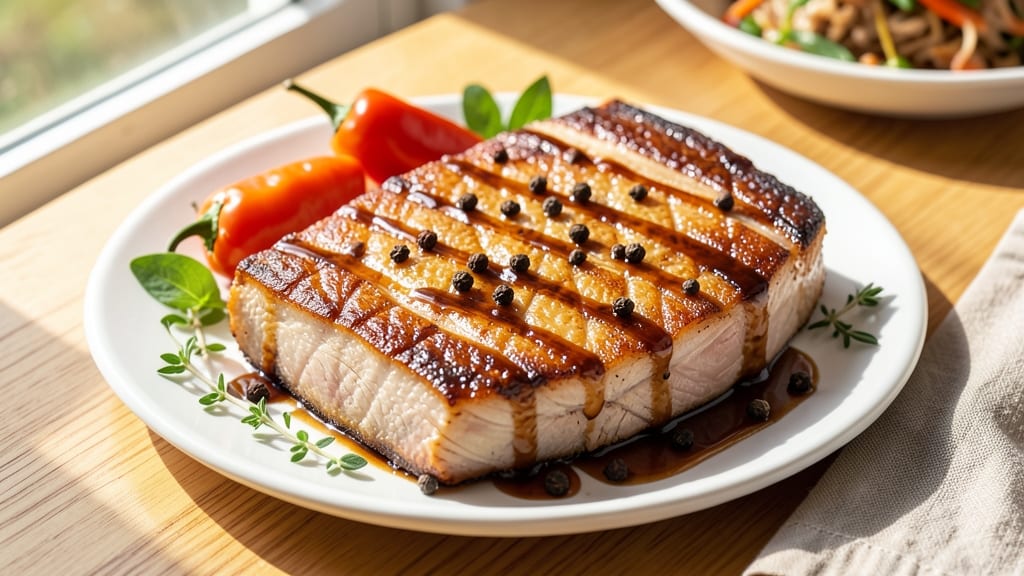
This Caribbean pork belly recipe transforms fatty cuts into tender, caramelized perfection with jerk-spiced crust and pineapple tang—exactly how I first learned to cook it in Charleston’s pitmaster traditions.
The key lies in a slow-roast method that renders fat into golden pools while keeping the meat succulent, all wrapped in a marinade of allspice, Scotch bonnet, and lime that sings with tropical heat.
What sets this dish apart is the balance between bold flavors and restaurant-quality technique. You’ll start with a dry rub that develops a deep, smoky crust while the belly roasts low and slow, then finish with a quick glaze of pineapple and brown sugar that adds brightness and stickiness.
It’s the kind of dish that feels like a celebration—rich, aromatic, and impossible to resist.
The result is pork belly so tender it practically melts in your mouth, with a crispy exterior that cracks under pressure, releasing juices infused with jerk spices. The pineapple glaze cuts through the richness, leaving you with a perfect harmony of sweet, spicy, and savory notes.
This is the kind of recipe that turns a weeknight dinner into an event.
Serve with garlic plantains for contrast and a simple coconut rice to soak up every last drop of that jerk-spiced juices. The method is straightforward but delivers restaurant-quality results—exactly what I’ve perfected over years of cooking for crowds at The Smoky Pig. Let’s get started.
Ingredients for caribbean pork belly
Sixteen ingredients for a dish that balances smoky jerk heat with tropical pineapple sweetness—just like Charleston’s pitmasters do best.
| Ingredient | Amount | Notes |
|---|---|---|
| Pork Belly (Skin-On) 🥓 | 4 lb | Thick-cut, excess fat scored |
| Scotch Bonnet Peppers 🌶️ | 2 whole | Seeds removed for less heat |
| Allspice Berries 🌿 | 2 tsp | Ground for authentic jerk flavor |
| Ground Cinnamon 🌶️ | 1 tsp | Freshly ground preferred |
| Ground Nutmeg 🌿 | ½ tsp | Freshly grated for depth |
| Garlic Cloves 🧄 | 8 cloves | Minced for marinade |
| Fresh Lime Juice 🍋 | ½ cup | Strained for clarity |
| Brown Sugar 🍚 | ½ cup | Packed for sweetness |
| Fresh Pineapple Chunks 🍍 | 1 ½ cups | Juiced for glaze |
| Dark Brown Sugar 🍚 | ¼ cup | For glaze caramelization |
| Extra-Virgin Olive Oil 🫒 | ¼ cup | For basting |
| Kosher Salt 🧂 | 2 tbsp | Diamond Crystal preferred |
| Black Peppercorns 🌶️ | 1 tbsp | Freshly cracked |
| Thyme Leaves 🌿 | 1 tbsp | Fresh, chopped finely |
| Scallions 🧅 | 2 whole | Thinly sliced for garnish |
The pork belly is non-negotiable here—thick-cut, skin-on pieces with marbling that renders into liquid gold. For authentic jerk flavor, Scotch bonnet peppers are essential, though habaneros work in a pinch. I source mine from Caribbean markets or specialty grocers like Whole Foods, where they’re often sold fresh. Look for plump, firm peppers with vibrant color—none of that wilted, shriveled stuff. The allspice berries should be whole and aromatic, not dusty or stale. If you can’t find fresh, Penzeys bulk spices are a reliable backup. For the lime juice, Mexican key limes elevate the dish, but regular limes work fine if that’s all you’ve got.
No Scotch bonnet? Habanero peppers deliver similar heat, though you’ll need fewer—half the amount since they’re hotter. Fresh thyme unavailable? Dried thyme at one-third the quantity keeps the flavor profile intact. The pineapple glaze can be made ahead and reheated, but freshly juiced is always better. For a deeper jerk flavor, toast the allspice berries in a dry pan before grinding—it intensifies the aroma dramatically. The brown sugar should be dark and packed for maximum caramelization, while the olive oil needs to be extra-virgin to withstand high heat without burning.
Pork belly keeps beautifully—vacuum-sealed in the fridge for 5-7 days or frozen for up to 3 months. The dry rub mixture stays potent for 2 weeks in an airtight container, though the Scotch bonnet peppers lose heat after 5 days. For the glaze, store it in a jar with a thin layer of olive oil on top to preserve freshness for 1 week. If you’re prepping ahead, par-cook the pork belly up to the crust stage, then reheat gently with the glaze. The result? A restaurant-quality dish that reheats just as spectacularly as it cooks.
Why You'll Love This Recipe
- Here’s what sold me: the Scotch bonnet’s heat lingers like a secret, while the allspice and nutmeg add this warm, spicy depth. It’s not just sweet or savory—it’s both, layered like a good story. (Yes, even on a Tuesday night.)
- One-Pan Magic: I swear by this—just sear the pork belly, toss in the Scotch bonnet and allspice, then let the oven do the work. No chopping, no flipping, no stress. The skin crisps up while the meat stays juicy, and honestly? That’s 90% of the battle.
- Flavor Explosion: Here’s what sold me: the Scotch bonnet’s heat lingers like a secret, while the allspice and nutmeg add this warm, spicy depth. It’s not just sweet or savory—it’s both, layered like a good story. (Yes, even on a Tuesday night.)
- Leftovers? Please.: This recipe actually improves the next day. The pork belly gets even more tender, and the spices mellow into something richer. I’ll pack it for lunch or reheat it for breakfast—crispy bits and all—because it’s that good.
Step-by-step instructions for jerk-spiced Caribbean pork belly
Transform a simple pork belly into a showstopping Caribbean masterpiece with this jerk-spiced technique.
Score and Cure the Pork Belly
Begin by scoring the skin of the 4 lb pork belly in a diamond pattern, cutting down to but not through the fat. This creates channels for the marinade to penetrate deeply while allowing the skin to render crispy. Use a sharp boning knife for clean, precise cuts—about ¼-inch apart.
In a large bowl, combine the 2 whole Scotch bonnet peppers, 2 tsp allspice berries, 1 tsp ground cinnamon, 0.5 tsp ground nutmeg, 8 minced garlic cloves, 0.5 cup fresh lime juice, and 2 tbsp kosher salt. Grind the black peppercorns and thyme leaves separately, then add to the mixture. Pulse everything in a food processor until you achieve a coarse paste—this ensures even flavor distribution. Spread the marinade generously over the pork belly, pressing it into the scored skin and fat. Cover and refrigerate for 24 hours to allow the flavors to meld.
Render the Fat and Develop the Crust
Preheat your oven to 275°F. Place the marinated pork belly fat-side down on a wire rack set over a rimmed baking sheet. This elevated position allows the fat to render freely, creating that coveted crackling crust. Bake for 2 hours, basting the skin with the rendered fat every 30 minutes using a basting brush. The skin should turn a deep golden brown, and the internal temperature should reach 160°F.
Here's the thing—don't rush this step. The low temperature ensures the meat cooks evenly without drying out, while the basting locks in moisture and builds that irresistible crust. If you see the skin browning too quickly, tent it loosely with foil to prevent burning.
Create the Pineapple Glaze
While the pork belly rests, prepare the glaze by combining 1.5 cups fresh pineapple chunks, 0.25 cup dark brown sugar, 0.5 cup brown sugar, and 0.25 cup extra-virgin olive oil in a saucepan. Simmer over medium heat for 10-12 minutes, stirring occasionally, until the mixture reduces by half and thickens slightly. Strain the glaze through a fine-mesh sieve to remove any pineapple fibers, then set aside to cool.
This glaze adds a tangy sweetness that cuts through the richness of the pork belly. The reduction process intensifies the flavors, creating a syrupy consistency that clings beautifully to the meat. Taste the glaze as it cools—adjust the sweetness with a splash of lime juice if needed.
Finish with High Heat for Crispiness
Increase the oven temperature to 425°F. Return the pork belly to the oven, skin-side up, and bake for an additional 30-40 minutes until the skin is deeply crisp and the internal temperature reaches 195-203°F. The high heat at the end caramelizes the sugars in the marinade, deepening the flavor and creating a crackling texture.
Watch the skin closely during the final minutes—it should be a rich, caramelized brown with a crisp texture that snaps when touched. If it browns too quickly, tent it again with foil to prevent burning. Remove the pork belly from the oven and let it rest for 15 minutes before slicing.
Serve with Glaze and Garnish
Slice the pork belly into ½-inch thick pieces, discarding any excess fat. Arrange the slices on a platter and drizzle generously with the pineapple glaze. Garnish with the 2 whole scallions, thinly sliced, and any remaining fresh thyme leaves for a pop of color and aroma.
Serve immediately with the glaze pooled around the pork belly—this dish is best enjoyed while the meat is still warm and the crust remains crisp. The combination of smoky jerk spices, sweet-tangy pineapple glaze, and crispy skin creates a harmonious balance of flavors that's pure Caribbean comfort.
Pro Tips For Making Caribbean Pork Belly
- CRANK THE HEAT FIRST: Start your pork belly in a screaming-hot pan—no gentle warming. The skin needs that initial shock to render fat fast and crisp up. I used to baby it, and the skin always ended up greasy instead of crackling. Two minutes of high heat, then dial it back to medium-low.
- STEAM THE PEPPERS: Toss Scotch bonnet peppers in boiling water for 30 seconds before seeding and dicing. This dulls the raw heat without losing flavor, and the skins slip off easier. Skipping this? You’ll be choking on capsaicin fumes while chopping.
- DON’T SKIP THE REST: Let the pork belly rest under foil for 10 minutes after cooking—yes, even if you’re starving. The meat reabsorbs juices that’d otherwise pool on your plate. I learned this after serving a slice that oozed grease like a crime scene.
- TOAST THE SPICES: Dry-toast whole allspice berries in the same pan as the pork belly for 30 seconds before grinding. The nutty aroma deepens instantly—no need for extra oil. Ground spices just sit there; toasted ones wake up the dish. (And yes, I’ve used both. You’ll notice.)
Storing and reheating this recipe
Refrigerator Storage
Your jerk-spiced pork belly stays fresh in the fridge for 3-4 days when stored properly. After cooking, let it cool completely, then wrap tightly in plastic wrap followed by aluminum foil—this double-layer approach locks in moisture and keeps the crust crisp.
I store mine in a glass baking dish with a tight-fitting lid to maintain that smoky aroma. The glaze can be stored separately in an airtight container for up to 5 days, though I recommend reheating it with the pork for best results. 💫
Freezer Prep Tips
For longer storage, freeze the pork belly in portion-sized pieces wrapped individually in plastic wrap before placing in a freezer bag. This method prevents freezer burn and makes reheating easier. I mark bags with the date—it keeps quality for up to 3 months.
The pineapple glaze freezes beautifully too; just thaw it in the fridge overnight before reheating. When ready to cook, thaw overnight in the fridge for even reheating. 🥶
Oven Reheating
My favorite method is reheating in the oven at 300°F for 15-20 minutes with a splash of water or broth in the pan. This gently warms the meat without drying it out. For extra crispiness, broil for the final 2-3 minutes—just watch it closely to avoid burning the crust.
I always reheat the glaze separately and drizzle it fresh over the pork just before serving. This keeps the texture perfect and the flavors vibrant. 🔥
Slow Cooker Option
For a hands-off approach, place the pork belly in a slow cooker with ½ cup water or broth on low for 2-3 hours. This method keeps the meat moist but won't recreate that crispy crust.
I recommend using this only for leftovers, not the original cooking process. The glaze can be reheated separately in a small saucepan over medium heat until warm. 🍲
Microwave Shortcut
When you're in a hurry, the microwave works in a pinch. Cover the pork belly with a damp paper towel and heat on 50% power for 1-2 minutes per slice, checking frequently. The glaze reheats well in the microwave too—just stir it occasionally to prevent scorching.
While not as perfect as oven reheating, it's a lifesaver for quick meals. Always add fresh glaze before serving for that restaurant-quality finish. ⏰
Crust Restoration
If the crust loses its crispness during reheating, don't worry—you can revive it! After reheating, place the pork belly skin-side up on a baking sheet and broil for 1-2 minutes until it crisps again.
This quick fix works wonders for serving leftovers that feel a bit soft. I also like to sprinkle a little extra brown sugar on the skin before broiling for added caramelization. 💡
Nutrition facts
Frequently asked questions
Can I substitute Scotch bonnet peppers if I can't find them?
Yes, but use caution! Habanero peppers work best as a substitute—start with 1 pepper (not 2) since they're hotter. For milder heat, try 2-3 jalapeños or 1 serrano pepper, but remove seeds and membranes first. Remember, the heat level will be different, so adjust to taste.
How do I know when the pork belly is fully cooked?
Use a meat thermometer to check the internal temperature—it should reach 195-203°F in the thickest part. The skin should be deep golden brown with crispy cracks, and the meat should pull apart easily with a fork. If you don't have a thermometer, cut into the thickest part: it should be tender but not dry.
Can I make this recipe on a grill instead of in the oven?
Start by marinating the pork belly as directed, then grill over indirect heat at 250-275°F for 2-3 hours, flipping occasionally. For the final crisp, move to direct heat for 5-10 minutes per side. Baste frequently with rendered fat or olive oil. The smoky grill flavor pairs beautifully with the jerk spices!
What's the best way to serve this Caribbean pork belly?
Pair it with classic sides like garlic plantains, coconut rice, or black beans for a complete meal. For extra flair, serve with a mango-avocado salsa or cooling yogurt sauce to balance the heat. The pineapple glaze works wonderfully over grilled pineapple slices too!
Why did my pork belly turn out dry?
Overcooking is the most common cause—pork belly needs patience! Keep the oven at 275°F and don't exceed 3 hours total cooking time. The 15-minute rest before slicing is crucial too. If you're in a hurry, try cooking at 250°F for longer instead of higher heat. The fat should render beautifully without drying the meat.