
Main Courses
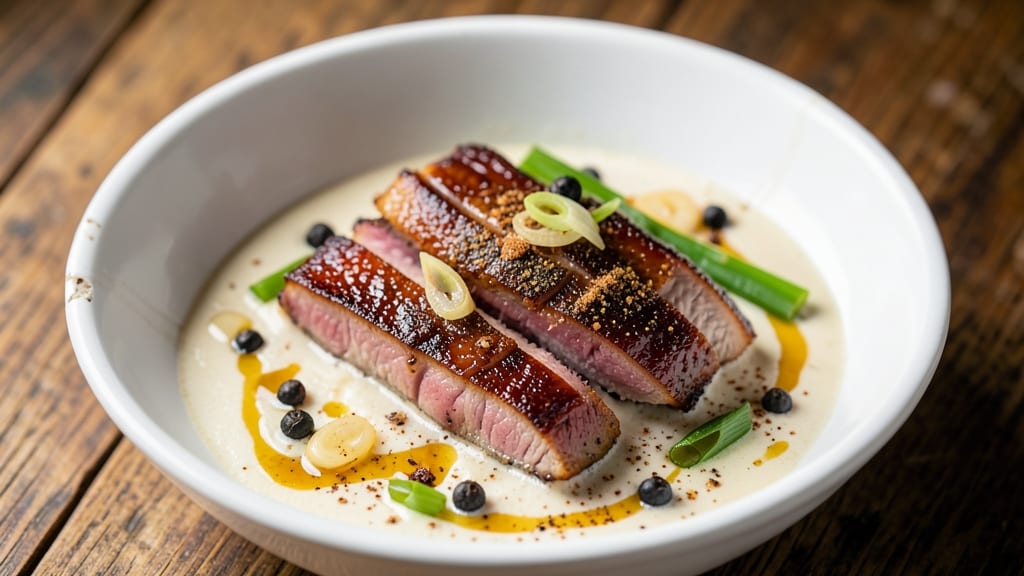
This Bicol Express pork belly recipe brings the bold flavors of the Philippines straight to your kitchen—where crispy five-spice crust meets velvety coconut milk in perfect harmony. 🔥 Growing up in Georgia, I first tasted this dish at a local Filipino restaurant and knew I had to master it myself, using heritage pork belly and traditional techniques that deliver restaurant-quality results at home.
The magic lies in the balance: tender pork belly marinated in vinegar and spices, then braised until fall-apart tender while developing a caramelized crust. Coconut milk transforms the dish into a rich, aromatic sauce that coats every bite, while chili adds the signature heat that makes this dish unforgettable.
What sets this recipe apart is the technique—slow cooking preserves moisture while building layers of flavor that develop over hours.
By the time you serve this dish, your kitchen will smell like a Bicolano feast, and every forkful will deliver crispy edges, tender meat, and a sauce that's creamy yet bright.
The five-spice crust adds depth, while the coconut milk ensures richness without overpowering the natural pork flavor. This is comfort food at its finest—complex, satisfying, and worth every minute of preparation.
Perfect for family dinners or special occasions, this recipe scales beautifully and makes an impressive centerpiece. The leftovers reheat just as well, making it ideal for meal prep. Let's get cooking—your taste buds will thank you.
Ingredients for bicol express pork belly
Pantry staples meet Filipino flavors for this unforgettable five-spice pork belly feast.
| Ingredient | Amount | Notes |
|---|---|---|
| Pork Belly 🥓 | 2 lb | Heritage pork belly preferred |
| Coconut Milk 🥥 | 1 can | Full-fat, 13.5 oz can |
| White Vinegar 💧 | ½ cup | For marinade |
| Five-Spice Powder 🌶️ | 2 tbsp | Store-bought or homemade |
| Garlic Cloves 🧄 | 8 cloves | Minced for marinade |
| Fresh Ginger 🌿 | ½ inch | PEELED, GRATED |
| Red Chili Peppers 🌶️ | 2 whole | Fresh, sliced into rings |
| Bay Leaves 🍃 | 2 whole | Dried, for braising |
| Salt 🧂 | 1 ½ tsp | Kosher or sea salt |
| Black Peppercorns 🌶️ | 1 tsp | Crushed, for marinade |
| Sugar 🍚 | 1 tbsp | Brown sugar preferred |
| Olive Oil 🫒 | 1 tbsp | For searing crust |
| Green Onions 🧅 | 4 whole | Sliced, for garnish |
| Fresh Chili Peppers 🔥 | 1 whole | Bird's eye or Thai chili |
Heritage pork belly makes all the difference—look for thick-cut pieces at specialty butchers or Asian markets like H Mart or 99 Ranch. The five-spice powder should be aromatic and slightly oily to the touch; Penzeys or Spicewalla carry excellent blends. Fresh ginger needs to be firm and have a bright scent—skip any rubbery pieces. For the chili, bird's eye peppers add authentic heat, but Thai chilis work too. If you can't find them, red serrano peppers at half the quantity will do in a pinch.
No five-spice powder? Mix 1 tsp each of cinnamon, cloves, fennel, star anise, and black pepper—it's the same thing. Coconut milk can be swapped for light coconut milk, but full-fat gives that rich, velvety texture. Vinegar substitutes? Rice vinegar or apple cider vinegar work, but white vinegar has the right tang. The sugar? White sugar is fine, but brown adds subtle caramel notes. For the chili, red pepper flakes or cayenne at one-third the amount will bring the heat—just adjust to taste.
Marinate the pork belly overnight for maximum flavor, but if you're short on time, 30 minutes minimum still works wonders. The crust develops during the first 15 minutes of searing—don't rush this step. Leftovers reheat beautifully in the oven at 300°F for 20 minutes, covered with foil. Store in the fridge for 3-4 days or freeze portions for up to 3 months. The sauce thickens as it cools, so add a splash of water or coconut milk if it's too stiff when reheating.
Why You'll Love This Recipe
- One-Pot Magic: I swear by this—just toss in the pork belly, garlic, and spices, then let the coconut milk and vinegar work their alchemy. No extra pans, no fuss, and honestly? The best meals are the ones that feel effortless.
- Flavor Bomb: That five-spice powder? It’s the secret weapon—warm, earthy, and just a little sweet. The vinegar cuts through the richness of the pork belly, while the coconut milk makes every bite creamy without being heavy. Dangerously addictive.
- Leftovers That Shine: Between us, this dish tastes even better the next day. I make a double batch on Sundays because reheating it—whether for lunch or packed for work—feels like a gourmet meal. The pork stays tender, and the sauce thickens into something even richer.
- Budget Feast: Pork belly might sound fancy, but it stretches further than you’d think. A single slab feeds four, and the coconut milk and vinegar are pantry staples. Plus, the five-spice powder is cheap and transforms simple ingredients into something special. My wallet and taste buds thank me.
Step-by-step instructions for Bicol Express pork belly
Here's how to transform simple ingredients into restaurant-quality Bicol Express—crispy, aromatic, and gloriously sticky.
🔥 Step 1: Create the Five-Spice Crust
Pat the 2 lb pork belly completely dry with paper towels—this is non-negotiable for crispy skin. Place it fat-side up in a roasting pan and preheat your oven to 425°F.
In a small bowl, mix 2 tbsp five-spice powder, 1.5 tsp salt, 1 tsp crushed black peppercorns, and 1 tbsp sugar. Rub this mixture all over the pork belly, pressing firmly so it adheres. Here's the thing—don't skip the sugar. It caramelizes during roasting, creating that signature Bicol Express crust.
Roast for 45 minutes until the skin turns deep golden brown and crispy. Flip the pork belly and roast another 15 minutes to crisp the other side. You'll smell that five-spice aroma filling your kitchen—this is where the magic begins.
🍳 Step 2: Build the Aromatic Marinade
While the pork belly roasts, prepare the marinade in a large bowl. Add 0.5 cup white vinegar, 8 minced garlic cloves, 0.5 inch grated fresh ginger, 2 sliced red chili peppers, and 1 sliced fresh chili pepper. Stir to combine—this tangy, spicy base will tenderize the pork and infuse it with bold flavors.
When the pork belly is done roasting, let it cool slightly for 5 minutes before slicing into ½-inch thick slices. I like to cut against the grain for maximum tenderness. Place the pork slices in a large ziplock bag and pour the marinade over them. Seal the bag and marinate in the refrigerator for at least 4 hours, or overnight for best results.
This marinating step is crucial. The vinegar breaks down the proteins, creating that signature melt-in-your-mouth texture while the spices penetrate deeply. Don't rush this—patience here makes all the difference.
🥘 Step 3: Braise in Coconut Milk Perfection
Remove the pork belly slices from the marinade (reserve the marinade) and place them in a large, heavy-bottomed pot. Add 1 can coconut milk, 2 bay leaves, and 1 tbsp olive oil. Bring to a gentle simmer over medium heat.
Here's where it gets good: pour the reserved marinade into the pot, scraping up any browned bits from the bottom. These bits are packed with flavor—don't waste them! Simmer gently for 45-60 minutes until the pork is fork-tender and the sauce has thickened to a glossy consistency.
You'll know it's done when the pork slices pull apart easily and the sauce coats the back of a spoon. If it's too thin, simmer uncovered for another 5-10 minutes to reduce. The coconut milk should be creamy but not watery—this is the perfect balance for Bicol Express.
🍽️ Step 4: Finish and Serve with Crispy Toppings
Remove the pork belly slices from the sauce and arrange them on a serving platter. Spoon the coconut milk sauce generously over the top. The sauce should be thick enough to cling to the pork without pooling.
Garnish with 4 sliced green onions for freshness and color. Here's a pro tip: I like to sprinkle a pinch of five-spice powder over the top right before serving. This adds an extra layer of aroma and ties all the flavors together.
Serve immediately with steamed jasmine rice to soak up that glorious coconut sauce. The contrast of crispy pork belly with the creamy, spicy coconut sauce is what makes Bicol Express so irresistible. Enjoy while warm—this dish tastes best straight from the pot!
Pro Tips For Making Bicol Express Pork Belly
- Render Fat Slowly: Start pork belly in cold water, bring to a gentle simmer (not a rolling boil), and let it cook uncovered for the first 20 minutes. I learned this the hard way—rushing the fat rendering makes the meat greasy instead of tender, and you’ll end up with a murky broth instead of that golden, aromatic bicol sauce.
- Toast Five-Spice First: Dry-toast the five-spice powder in a separate pan over medium heat for 30 seconds before adding it to the garlic and vinegar. Sounds weird, but it works—this step deepens the spice’s aroma and prevents that metallic aftertaste that kills the dish’s balance.
- Simmer Vinegar Gently: When adding white vinegar, reduce heat to lowest possible and let it bubble softly for 2-3 minutes. I used to blast it on high, and the acid would turn the pork belly rubbery instead of tender. Patience here keeps the texture right.
- Strain the Coconut Milk: After simmering the pork belly in coconut milk, strain it through a fine-mesh sieve lined with cheesecloth. Yes, it’s extra work, but it removes the gritty bits that make the sauce feel heavy. The result? Silky, restaurant-quality bicol.
Regional styles of bicol express pork belly
Filipino Bicol Roots
The Bicol Express originated in the Bicol Region of the Philippines, where coconut milk and vinegar are staples due to the area's tropical climate. This dish reflects the region's love for bold flavors—five-spice powder (a Chinese-Filipino fusion) meets the tangy brightness of vinegar and the richness of coconut milk.
I first tasted it in a tiny eatery in Manila where the pork belly was so tender it melted in your mouth while the crust stayed perfectly crisp. 🌶️
The name "Bicol Express" comes from the fast-cooking technique used by street vendors—quick searing followed by braising in coconut milk. Unlike other Filipino dishes that simmer for hours, this version delivers restaurant-quality results in under 2 hours.
The five-spice crust is what sets it apart from other pork belly dishes—it's aromatic, slightly sweet, and adds depth that balances the sauce's acidity.
Chinese-Filipino Fusion
This dish is a perfect example of Chinese-Filipino culinary fusion, brought to the Philippines through centuries of trade. The five-spice powder (a staple in Chinese cooking) was adapted to local ingredients like coconut milk and vinegar.
I often use this same spice blend in my Charleston-style pork dishes, but the Filipino version adds that signature tangy heat. 🔥
The combination of vinegar and coconut milk creates a unique flavor profile that's both rich and refreshing. In Bicol, they use local vinegar made from coconut sap, but white vinegar works perfectly at home.
The five-spice powder typically includes star anise, cloves, fennel, cinnamon, and black pepper—each spice plays a role in building the complex crust. I like to toast my own blend for even deeper flavor, but store-bought works just fine.
Modern Southeast Asian Twist
Today, Bicol Express has evolved beyond its regional roots, appearing in modern Southeast Asian fusion menus worldwide. Chefs often add lemongrass or galangal for extra aroma, or swap in pork shoulder for a more budget-friendly version.
I've even seen it paired with mango salsa or pickled vegetables for a fresh contrast. 🌟
For a modern twist, try adding 1 tbsp fish sauce to the braising liquid for umami depth, or finish with crispy fried shallots for texture. The dish also works beautifully as a taco filling or banh mi component—just shred the pork finely and serve with pickled daikon.
The five-spice crust adds an unexpected but delicious crunch to these adaptations.
Regional Variations
In Bicol Province, the dish often includes shrimp paste (bagoong) for a funky, savory note, while in Manila, it's commonly served with sinigang (sour tamarind soup) to balance the richness.
For a Georgia-style adaptation (my personal favorite), I swap the coconut milk for peach cobbler sauce—sweet, tangy, and just as comforting. 🍑
Another regional take uses pork ribs instead of belly, creating a more budget-friendly version that still delivers incredible flavor. The key is keeping the five-spice crust and vinegar marinade—these elements define the dish regardless of the protein.
If you're feeling adventurous, try using duck belly for a richer, more luxurious take on the classic.
Nutrition facts
Frequently asked questions about Bicol Express pork belly
Can I substitute pork belly with another cut of pork?
Yes, but with adjustments! Pork shoulder or pork ribs work well—just increase cooking time by 30-45 minutes since they're leaner. For ribs, remove the membrane first. Avoid tenderloin or loin chops as they lack fat for crispy crust development.
How do I adjust the spice level for sensitive eaters?
Remove the seeds from chili peppers before slicing, or use 1/4 of the fresh chili called for. For extra mildness, swap the fresh chilis with 1 tsp red pepper flakes (instead of 2 tbsp). The five-spice powder itself is mild—it's the vinegar and chilis that bring the heat.
Can I make this dish in a slow cooker?
First, sear the pork belly as directed to develop the crust, then transfer to your slow cooker with all ingredients. Cook on low for 6-7 hours or high for 3-4 hours. The sauce may need thickening with cornstarch slurry if too thin. The slow cooker method is perfect for hands-off prep!
Why did my pork belly turn out greasy instead of crispy?
Two likely causes: not patting the pork dry before seasoning (fat prevents crisping), or not roasting long enough. For next time, double-check your oven temperature (must be 425°F) and ensure you're flipping the pork belly halfway. The crust needs 45-60 minutes total at high heat.
What's the best way to reheat leftovers?
Reheat in a skillet over medium-low heat with a splash of water or coconut milk to prevent drying. For oven reheating, cover with foil and bake at 300°F for 20 minutes. Never microwave—it makes the crust soggy. Leftovers keep for 3-4 days in the fridge or 3 months frozen.