
Main Courses
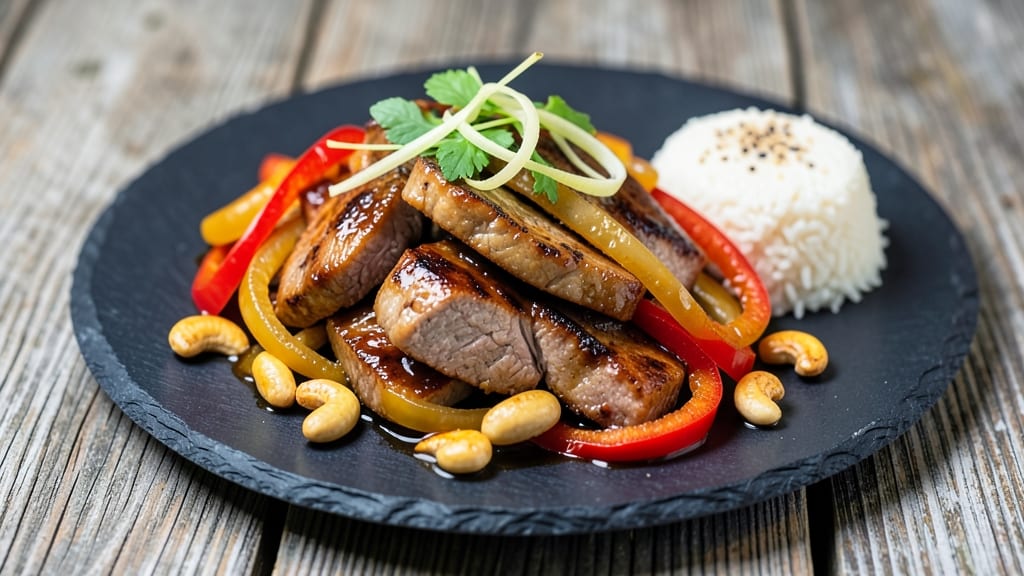
This cashew pork stir fry delivers the perfect balance of crispy edges and nutty creaminess that makes every bite irresistible. 🔥 As someone who's spent years perfecting pork preparations—from BBQ competitions to farm-to-table dinners—I know how transformative the right technique and ingredients can be.
The secret lies in searing the pork to achieve that signature caramelized crust while keeping the interior tender, then finishing it with a rich cashew sauce that adds depth without overpowering the meat.
What sets this recipe apart is the dual texture play: the pork's crispy exterior contrasts beautifully with the velvety cashew sauce, while toasted cashews add both crunch and richness. We're using simple, high-impact ingredients—ginger, garlic, and soy—that build layers of flavor through proper technique rather than complexity.
The stir-fry method ensures everything cooks quickly over high heat, preserving the natural sweetness of the pork and the vibrant colors of fresh vegetables.
By the time you plate this dish, you'll have perfectly seared pork strips with a glossy, caramelized sheen, surrounded by tender-crisp vegetables and coated in that luxurious cashew sauce.
The aroma alone makes this dish feel like a restaurant-quality experience, but with the flexibility to customize based on what you have on hand. Serve it over steamed jasmine rice or noodles for the full effect.
This recipe works equally well as a weeknight dinner or a special occasion meal—it's the kind of dish that transforms simple ingredients into something extraordinary with minimal effort.
The techniques here are designed to be approachable yet professional, ensuring you'll achieve that perfect balance of textures and flavors every time. Let's get cooking!
Ingredients for cashew pork stir fry
These carefully selected ingredients transform simple pork into a restaurant-quality stir fry with crispy edges and velvety cashew sauce.
| Ingredient | Amount | Notes |
|---|---|---|
| Boneless Pork Loin 🐖 | 1 ½ lb | Cut into 1/2-inch strips, trimmed of fat |
| Raw Cashews 🥜 | 1 cup | Unsalted, toasted for depth |
| Jasmine Rice 🌾 | 1 ½ cups | Uncooked, long-grain preferred |
| Red Bell Pepper 🧅 | 1 whole | Sliced into thin strips |
| Yellow Onion 🧅 | 1 whole | Thinly sliced, white or yellow |
| Fresh Ginger 🌿 | 2 tbsp | Finely grated, aromatic |
| Garlic Cloves 🧄 | 6 cloves | Minced, fresh preferred |
| Low-Sodium Soy Sauce 🥄 | ½ cup | Kikkoman or similar |
| Sesame Oil 🫒 | 1 tbsp | Toasted for aroma |
| Oyster Sauce 🍶 | 2 tbsp | High-quality, dark color |
| Honey 🍯 | 1 tbsp | Wildflower preferred |
| Vegetable Oil 🫒 | 3 tbsp | High smoke point |
| Green Onions 🧅 | 3 whole | Sliced, white and green parts |
| Sesame Seeds 🌾 | 1 tbsp | Toasted for garnish |
| Kosher Salt 🧂 | 1 tsp | Diamond Crystal preferred |
| Black Pepper 🌶️ | ½ tsp | Freshly ground |
The pork loin is non-negotiable for texture—look for cuts with even marbling for consistent searing. Costco or Whole Foodsg carry excellent quality, but any reputable butcher will do. Trim excess fat to prevent flare-ups during searing. For cashews, Trader Joe's or bulk bins at natural grocery stores offer the best value—just ensure they're raw and unsalted. The ginger and garlic should be vibrant, not woody or discolored, as these are the flavor anchors. If you're short on time, pre-minced garlic works, but fresh is always superior for aroma.
No cashews? Peanuts or almonds can substitute, though texture will differ slightly. Short on oyster sauce? Hoisin sauce plus a splash of soy sauce mimics the depth. For the stir-fry vegetables, bell peppers and onions can be swapped for broccoli or snap peas—whatever's freshest. The sesame oil is purely for aroma, so if you're avoiding it, toasted sesame oil substitute (just a pinch of regular sesame oil) works. For the honey, maple syrup is a 1:1 swap, though it adds a subtly different sweetness profile. The key is balancing sweet, salty, and umami—adjust soy sauce to taste.
Prep the pork and vegetables ahead to save time during cooking—they'll keep in the fridge for 2 days if stored in airtight containers. The cashew sauce can be made 1 day ahead and reheated gently. For best results, toast the cashews in a dry pan over medium heat until fragrant—about 3-4 minutes. Store leftovers in the fridge for 3-4 days, though the flavors deepen overnight. Freeze the sauce separately if you plan to reheat the dish later, as it can separate when thawed.
Why You'll Love This Recipe
- One-Pan Magic: I swear by this recipe because it’s that easy—just slice the pork, toss in the onions and peppers, and let the wok do the work. No fancy techniques, no hidden steps, just a sizzle and a stir while you prep the rice.
- Craving-Worthy Crunch: The cashews add this irresistible texture—crispy little bursts against the tender pork and sweet bell peppers. Honestly, I’ll take seconds just for that contrast.
- Lunchbox Hero: Between us, this is my go-to for meal prep. The rice stays fluffy for days, and the stir-fry reheats like a dream. Pack it cold or warm it up—either way, it’s a hit.
- Budget-Friendly Feast: Pork loin stretches far, the cashews bulk it up, and jasmine rice fills everyone’s plates without breaking the bank. Not the prettiest, but the taste makes up for it every time.
Step-by-step instructions for cashew pork stir fry
Here's how to achieve that perfect balance of crispy pork and nutty cashew creaminess.
🍳 Step 1: Prepare and Cook the Jasmine Rice
Rinse the 1.5 cups jasmine rice thoroughly under cold water until the water runs clear. This removes excess starch that can make the rice gummy. Drain well in a fine-mesh strainer, then transfer to a pot with 3 cups water and the 1 tsp kosher salt. Bring to a boil over high heat, then reduce to a simmer, cover, and cook for 15 minutes. Turn off the heat and let it steam for another 10 minutes without lifting the lid. The rice should be fluffy and tender—this is your foundation for soaking up all the stir-fry flavors.
While the rice cooks, prepare the pork by cutting the 1.5 lb boneless pork loin into ½-inch strips and trimming any visible fat. Season generously with ½ tsp black pepper—this helps create those crispy edges we're after. Set aside in a bowl until ready to cook.
🔥 Step 2: Stir-Fry the Pork to Crispy Perfection
Heat 2 tbsp vegetable oil in a large wok or skillet over high heat until shimmering. Add the pork strips in a single layer and let them sear undisturbed for 2-3 minutes until the edges turn golden brown and crispy. This is crucial—don't stir too soon or you'll lose that perfect crust. Once browned, stir-fry for another 1-2 minutes until cooked through. Remove the pork and set aside on a plate.
In the same pan, add the remaining 1 tbsp vegetable oil and swirl to coat. Add the thinly sliced yellow onion and sliced red bell pepper, stirring constantly for 3-4 minutes until softened but still vibrant. The vegetables should retain their color—overcooking will make them mushy. Add the minced garlic cloves and finely grated ginger, stirring for 30 seconds until fragrant. This aromatic base forms the flavor backbone of your stir-fry.
🥘 Step 3: Build the Nutty Cashew Sauce
Reduce heat to medium, then add the toasted raw cashews to the pan. Stir for 1 minute to lightly toast them and release their nutty oils. Pour in the ½ cup low-sodium soy sauce, 2 tbsp oyster sauce, and 1 tbsp honey, stirring constantly to combine. Let the sauce simmer for 2-3 minutes until slightly thickened—it should coat the back of a spoon but still be pourable.
Here's the thing—this sauce needs to cling to everything. If it looks too thick, add 1-2 tablespoons water to loosen it. The cashews should be partially broken down but still provide that creamy texture. Return the pork and vegetables to the pan, tossing everything together for 1-2 minutes until everything is evenly coated and heated through.
🍽️ Step 4: Finish and Serve with Garnishes
Remove from heat and stir in the 1 tbsp sesame oil and 1 tbsp toasted sesame seeds. The sesame oil adds depth while the seeds provide texture contrast. Taste and adjust seasoning—you might need a touch more soy sauce for saltiness or honey for sweetness. The dish should balance savory, sweet, nutty, and slightly umami flavors.
Divide the rice among serving plates and top generously with the cashew pork stir-fry. Garnish with the sliced green onions for freshness. Serve immediately while the pork is still crispy and the sauce is warm. The contrast between the tender rice, crispy pork, and creamy cashew sauce makes every bite satisfying.
Pro Tips For Making Cashew Pork Stir Fry
- CUT PORK THIN NOW: Skip the thick slices—pork loin cooks faster than you think. Slice it against the grain into ¼-inch strips before you even think about the wok. I used to waste 5 minutes trying to flatten thick pieces mid-stir-fry, and they’d always end up chewy. Thin strips sear in seconds and stay tender.
- TOAST CASHEWS FIRST: Raw cashews need a quick dry toast in the same pan as the pork—just 30 seconds at high heat. This stops them from turning mushy when they hit the sauce later. I learned this the hard way when my stir-fry turned into a soggy mess. Do this step right after searing the pork, while the pan’s still screaming hot.
- STIR-FRY IN BATCHES: Don’t overcrowd the pan—cook the pork in two batches if needed. A packed wok steams the meat instead of searing it, and the onions/peppers will turn into sad, limp vegetables. Work fast: sear the first batch, set it aside, then clear space for the second. Your future self will thank you for crispy edges.
- SALT THE PORK TWICE: Season the pork strips before cooking, then add another pinch right after they hit the pan. The first salt kick starts the seasoning, but the second—when the meat hits the hot oil—really makes it sing. I was skeptical until I tried it: the flavor jumps off the plate. (Yes, even if you’re impatient like me.)
Common mistakes when making perfect results
Overcrowding the Pan
One of the biggest mistakes I see is overcrowding the wok or skillet when searing the pork. When you pile too many strips in at once, they steam instead of sear, resulting in soggy edges and uneven cooking.
The goal is to get those crispy, caramelized edges that add texture and depth. I always work in batches—sear half the pork, then remove it while I finish the second batch. This ensures each piece gets the attention it needs. 🔥
Skipping the Rest
After cooking the pork, many people rush to toss it with the sauce immediately. But letting the pork rest for 2-3 minutes after searing makes a huge difference. This allows the juices to redistribute, keeping the meat tender instead of tough.
I promise, those extra minutes pay off in flavor and texture. Just set it aside on a plate while you prep the vegetables.
Undercooking the Pork
Pork needs to reach an internal temperature of 145°F for safety, but many home cooks pull it out too soon. Using a meat thermometer is the only reliable way to check—insert it into the thickest piece.
If you're unsure, cut into a strip—it should be opaque in the center with no pink. Undercooked pork can feel rubbery and unsafe. I always err on the side of slightly longer cooking to guarantee both safety and tenderness.
Neglecting Sauce Consistency
The cashew sauce should coat the back of a spoon but still be pourable—like heavy cream. If it's too thick, it won't cling to the pork and vegetables properly. I've seen people add too much honey or reduce it too long, resulting in a gloppy mess.
The trick is to simmer just until it thickens slightly, then adjust with 1-2 tablespoons water if needed. Taste as you go—balance is key.
Using Cold Ingredients
Stir-frying is all about high heat and quick cooking, but many people start with ingredients straight from the fridge. Cold vegetables and pork will cool down your pan, making it harder to achieve that perfect sear.
Let everything sit at room temperature for 15-20 minutes before cooking. This small step makes a world of difference in texture and flavor development. I always take this extra time—it's worth it.
Overmixing the Sauce
Once the sauce is made, it's tempting to stir constantly, but this can break down the cashews too much, turning the sauce grainy instead of creamy. Stir just enough to combine, then let it simmer gently. The cashews should soften slightly but still hold their shape.
Overmixing also risks burning the sauce. Keep an eye on it and give it a taste—you want that nutty richness to shine through without turning into paste. 💫
Nutrition facts
Frequently asked questions
Can I use chicken instead of pork in this stir fry?
Chicken breast works beautifully—cut it into ½-inch strips and cook it for just 3-4 minutes until fully done. For extra tenderness, marinate the chicken in 1 tbsp soy sauce and ½ tsp cornstarch for 15 minutes before cooking. The cashew sauce will complement the lighter flavor of chicken perfectly.
How do I make this recipe gluten-free?
Swap the soy sauce for tamari or coconut aminos (use the same amount) and check your oyster sauce—many brands contain wheat. For a fully gluten-free sauce, blend ½ cup cashews, ¼ cup water, 2 tbsp rice vinegar, 1 tbsp coconut aminos, 1 tbsp honey, and 1 tsp ginger until smooth. Simmer for 3 minutes to thicken.
What's the best way to reheat leftovers?
Reheat in a skillet over medium-low heat with 1 tbsp oil for 2-3 minutes, stirring constantly to prevent drying. Avoid microwaving—the sauce can separate and the pork may become rubbery. For extra crispiness, broil for 1-2 minutes after reheating, watching closely to avoid burning. Store leftovers in an airtight container for up to 4 days.
Can I make this dish spicier?
Add ½ tsp chili flakes or 1 tbsp sriracha to the sauce for heat, or stir in 1 tsp gochujang (Korean chili paste) when combining ingredients. For extra kick, serve with sliced jalapeños or a side of chili crisp. Remember, pork absorbs flavors well—adjust to taste after reheating.
Why did my cashew sauce turn grainy?
This usually happens from overmixing or using cold cashews. Always toast the cashews in a dry pan for 3-4 minutes until fragrant before adding liquid. If it's already grainy, blend with 1-2 tbsp warm water until smooth. For future batches, simmer the sauce on low heat and stir gently—just until combined. The sauce should be velvety, not chunky.