
Main Courses
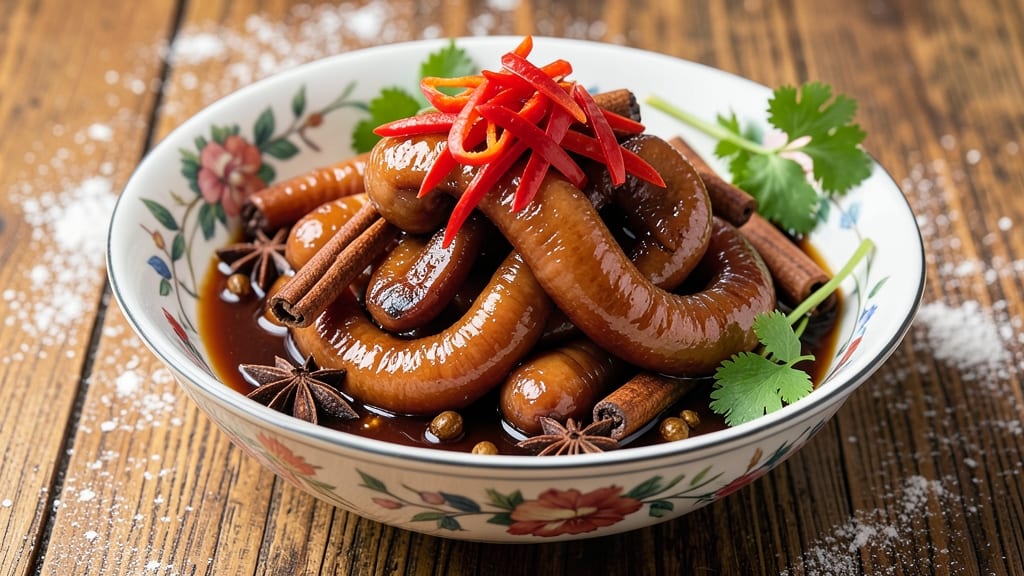
This Chinese braised pork intestine recipe transforms humble ingredients into a dish of silky richness and five-spice glow that defines comfort food. 🔥 After years of perfecting the balance between tender texture and deep, aromatic flavors, I've developed a method that delivers restaurant-quality results at home—no shortcuts, just traditional technique refined for modern kitchens.
The secret lies in the braising process: pork intestines are first cleaned and blanched to remove impurities, then simmered slowly in a fragrant broth of soy sauce, star anise, and Chinese spices.
This method breaks down connective tissue while infusing every bite with complex, warming flavors that make the dish irresistibly tender. The key is patience—3 hours of gentle simmering transforms tough cuts into melt-in-your-mouth perfection.
What you'll achieve is a dish that's both humble and extraordinary—deeply savory with a subtle sweetness, where the five-spice blend creates an aromatic harmony that lingers long after the last bite.
The silky texture of the braised intestines contrasts beautifully with the rich, slightly sticky sauce, making it a centerpiece worthy of any celebration or family gathering.
This recipe honors traditional techniques while adapting them for home cooks, ensuring you can recreate the same restaurant-quality depth that makes Chinese braised dishes legendary.
Whether you're serving for a special occasion or simply craving a taste of nostalgia, this method delivers results that will impress even the most discerning palates.
Ingredients for chinese braised pork intestine
Transform humble ingredients into a dish of restaurant-quality depth and aromatic harmony.
| Ingredient | Amount | Notes |
|---|---|---|
| Pork Intestines 🥩 | 1 ½ lb | Fresh, cleaned and blanched |
| Soy Sauce 🍶 | ½ cup | Dark soy preferred for color |
| Shaoxing Wine 🍷 | ¼ cup | Dry Chinese cooking wine |
| Star Anise 🌿 | 2 whole | Whole pods for infusion |
| Cinnamon Sticks 🌿 | 2 whole | 2-inch pieces preferred |
| Cloves 🌿 | 5 whole | Whole, not ground |
| Sichuan Peppercorns 🌶️ | 1 tbsp | Lightly toasted first |
| Fennel Seeds 🌿 | 1 tsp | Whole seeds, not ground |
| Garlic Cloves 🧄 | 6 cloves | Peeled and smashed |
| Dried Red Chilies 🌶️ | 2 whole | Arbol or guajillo |
| Rock Sugar 🍬 | 2 tbsp | Or substitute brown sugar |
| Green Onions 🧅 | ¼ cup | Cut into 1-inch pieces |
| Vegetable Oil 🫒 | 2 tbsp | High smoke point preferred |
| Water 💧 | 2 cups | Filtered preferred |
The pork intestines are the foundation—freshness is critical. Source from a trusted Asian market or butcher specializing in Chinese ingredients. They should be cleaned and blanched before use, a process that removes impurities and prepares them for braising. For optimal results, look for intestines with minimal fat and a pale, translucent appearance. If you're unable to clean them yourself, many markets offer pre-cleaned versions. The five-spice blend—star anise, cinnamon, cloves, Sichuan peppercorns, and fennel seeds—must be whole and aromatic, not ground. Toast the Sichuan peppercorns lightly in a dry pan to release their numbing oils before adding to the braising liquid. Penzeys Spices or bulk bins at specialty stores are excellent sources for these whole spices.
Substitutions should preserve the dish's aromatic balance. If star anise is unavailable, anise seeds or a pinch of anise extract can substitute, though the flavor will differ slightly. For Sichuan peppercorns, black peppercorns with a pinch of chili flakes provide a similar depth. Rock sugar can be replaced with brown sugar or coconut sugar, though the texture may vary slightly. The Shaoxing wine is non-negotiable for authenticity—Mirin or dry sherry can substitute in a pinch, but the dish will lack complexity. Dark soy sauce adds color and depth; if unavailable, regular soy sauce plus a splash of molasses mimics the effect. For the chilies, dried Thai chilies or crushed red pepper flakes work, but adjust quantity to taste.
Store prepped intestines in an airtight container with a damp paper towel to maintain moisture for up to 2 days in the refrigerator. The braising liquid can be made ahead and refrigerated for 3 days or frozen for 3 months. Once braised, the dish reheats beautifully—simmer gently for 10-15 minutes on the stove or microwave in 1-minute intervals. For serving, garnish with fresh green onions and a drizzle of Shaoxing wine for a restaurant-quality finish. The dish tastes even better the next day as flavors meld, making it ideal for meal prep. Portion into individual containers for easy reheating throughout the week.
Why You'll Love This Recipe
- One-Pot Magic: I swear by this recipe—just dump everything into a pot, simmer, and walk away. No chopping, no fuss, and the star anise and cinnamon sticks do all the work while you sip tea.
- Umami Bomb: That deep, savory punch from the soy sauce and Shaoxing wine? It’s like a flavor explosion in your mouth. The pork intestines get tender and soak up every bit of that rich, caramelized goodness—no bland bites here.
- Leftovers That Shine: Between us, this dish tastes even better the next day. I make a big batch on Sundays, and by Wednesday, it’s still the star of my lunch. Reheat gently, and it’s like eating at a restaurant again.
- Budget Feast: Pork intestines are cheap, but they feel special. A few dollars buys enough for a crowd, and the spices stretch the flavor without breaking the bank. Honestly, it’s my go-to for feeding friends without stressing over cost.
Step-by-step instructions for Chinese braised pork intestines
Master the balance of five-spice aroma and silky texture with these precise techniques.
🍳 Step 1: Sauté Aromatics for Deep Flavor Foundation
Heat the 2 tablespoons vegetable oil in a heavy-bottomed pot over medium heat until shimmering. Add the lightly toasted 1 tablespoon Sichuan peppercorns, 1 teaspoon fennel seeds, 6 smashed garlic cloves, 2 whole dried red chilies, 2 whole star anise, and 2 cinnamon sticks.
Sauté for 2 minutes until the spices release their aroma and the garlic turns golden. Here's the thing—don't rush this step. You want those spices to bloom and infuse the oil before adding the wine. The Sichuan peppercorns should be lightly toasted but not burned, releasing their signature citrusy heat.
🍳 Step 2: Deglaze and Build the Braising Liquid
Pour in the 0.25 cup Shaoxing wine and scrape up all the browned bits from the bottom of the pot with a wooden spoon. This deglazing captures all the concentrated flavors. Let it simmer for 1 minute until the alcohol smell dissipates completely.
Add the 0.5 cup soy sauce and 2 tablespoons rock sugar, stirring to dissolve the sugar. The mixture should be glossy and aromatic. Here's where it gets fun—taste the liquid now. It should be tangy from the wine, salty from the soy, and slightly sweet from the sugar. This is your flavor baseline before adding the intestines.
🥘 Step 3: Braise the Intestines Low and Slow
Add the 1.5 lb pork intestines to the pot, making sure they're submerged in the braising liquid. Pour in the 2 cups water and bring to a gentle simmer over low heat. This is critical: maintain a bare simmer—you're looking for tiny bubbles breaking the surface, not a rolling boil.
Cover the pot and cook for 1 hour 30 minutes, stirring occasionally to prevent sticking. The intestines should become tender and the liquid reduce to a glossy, thick sauce. I know it seems like a long time, but this slow cooking transforms the tough connective tissue into silky richness. Check the liquid level occasionally and add a splash of water if it reduces too much.
🍳 Step 4: Finish with Green Onions for Freshness
Once the intestines are fork-tender and the sauce has thickened to your desired consistency, stir in the 0.25 cup green onions. Simmer uncovered for 2 minutes to let the green onions wilt slightly and infuse their freshness into the dish. The green onions should be bright and vibrant, not limp.
Taste and adjust seasoning if needed. The dish should balance salty, sweet, and umami flavors with a subtle heat from the Sichuan peppercorns. Remove the whole spices (they've done their job) and discard them. The final sauce should coat the back of a spoon and cling beautifully to the intestines.
⏰ Step 5: Rest and Serve for Optimal Texture
Let the braised intestines rest for 10 minutes before serving. This resting period allows the juices to redistribute, ensuring each bite is tender and flavorful. I always serve this dish hot with steamed jasmine rice and a side of stir-fried greens to balance the richness.
The perfect braised pork intestines should have a glossy sheen from the reduced sauce, tender yet firm texture, and complex flavors that dance on your palate. Each bite should deliver that perfect harmony of five-spice warmth, soy sauce depth, and silky texture that makes this dish so rewarding.
Pro Tips For Making Chinese Braised Pork Intestine
- BLANCH FIRST, THEN SCOUR: Pork intestines are stubborn—rinsing alone won’t remove the grime. After a quick boil for 2 minutes, dump them in ice water, then scrub with a stiff brush under running water. I learned this the hard way when my first batch still tasted like a slaughterhouse.
- USE HOT OIL, NOT WINE: Don’t toss the intestines straight into Shaoxing wine—it’ll just soak in instead of caramelizing. Sear them first in 2 tablespoons of oil over high heat until the edges blister, then add the wine. The wine will deglaze properly and add depth, not just dilute the flavor.
- STAR ANISE NEEDS TIME: Crushing the star anise with the cinnamon sticks isn’t enough—let them steep for at least 10 minutes in the braising liquid before adding the intestines. Otherwise, you’ll just get a faint hint of spice instead of that warm, aromatic backbone the dish needs.
- SKIP THE BOIL-OVER: If your pot looks like it’s about to erupt, lower the heat immediately. Braising intestines requires patience, not a rolling boil—keep it at a gentle simmer (tiny bubbles, not steam). I once lost a batch because I ignored this, and the result was rubbery, not tender.
Creative variations of this recipe
Sichuan Spicy Twist
For a fiery kick, add 1 tbsp chili bean paste to the braising liquid and include 3 extra dried Thai chilies in the sautéed aromatics. I like to finish with a sprinkle of crushed chili flakes and a drizzle of chili oil before serving.
This version transforms the dish into a Sichuan-style powerhouse, balancing the five-spice warmth with bold, numbing heat. 🌶️
Cantonese Sweet-Soy Style
Swap the Sichuan peppercorns for 1 tsp white peppercorns and reduce the star anise to just 1 pod. Increase the rock sugar to 3 tbsp and add 1 tbsp honey to the braising liquid for a sweeter, more approachable flavor profile.
Cantonese-style braised intestines are all about that perfect balance of sweet and salty—think of it as comfort food elevated. The sauce should be glossy and slightly sticky, clinging beautifully to each bite.
Spiced Vinegar Version
Add 0.25 cup black vinegar to the braising liquid along with the soy sauce and Shaoxing wine. Include 1 tsp coriander seeds in the spice blend and finish with a splash of vinegar before serving.
This tangy variation cuts through the richness, creating a bright, complex flavor that's perfect for those who prefer a sharper contrast. The vinegar also helps tenderize the intestines even further during the braising process.
Heritage Pig Adaptation
Using my own heritage Gloucestershire Old Spots pork intestines adds a deeper, more complex flavor profile thanks to their natural marbling and slower growth. The meat stays more tender during braising, and the fat renders beautifully into the sauce.
If you can't source heritage pork, look for pasture-raised pork from local farms—it makes a noticeable difference in both texture and flavor. The braising time remains the same, but the final result feels more luxurious.
Vegetarian Adaptation
For a plant-based version, substitute the pork intestines with 1.5 lb king oyster mushrooms or shitake mushrooms cut into thick strips. Use the same braising liquid but reduce the soy sauce to 0.3 cup and add 1 tbsp mushroom powder for depth.
The texture won't be identical, but the umami-rich sauce delivers satisfying results. This version works beautifully as a hearty side dish or main course for vegetarian gatherings. 🌱
Nutrition facts
Frequently asked questions
How do I properly clean and prepare pork intestines before braising?
Start by rinsing the intestines thoroughly under cold water, then soak them in a bowl of water with 1 tablespoon baking soda for 30 minutes to remove impurities. Rinse again, then blanch in boiling water for 5 minutes to remove any remaining residue. The intestines should be pale and translucent before braising. Always source fresh intestines from a trusted butcher or Asian market.
Can I substitute pork intestines with other offal or meat?
While pork intestines are traditional, you can use pork stomach (tripe) or pork belly cut into strips for a similar texture. For non-pork options, beef intestines work but require longer braising (4 hours). The key is choosing meat with connective tissue that needs slow cooking to tenderize. Just adjust the braising time accordingly.
Why does my braised sauce turn out too thin or too thick?
Thin sauce? You likely didn't reduce the liquid enough. After 1 hour 30 minutes, uncover the pot and simmer vigorously for 10-15 minutes to thicken. For thick sauce, you may have added too much water. The ideal ratio is 1 cup liquid per pound of intestines. Taste as you go—when it coats the back of a spoon, it's perfect.
How long can I store the leftovers, and how do I reheat?
Store in an airtight container for up to 4 days in the fridge. Reheat gently on the stove with a splash of water to restore moisture. For best texture, simmer for 5-7 minutes until heated through. The flavors actually improve after resting overnight, making it perfect for meal prep!
What's the secret to getting the intestines perfectly tender?
The secret is low-and-slow cooking—never let the liquid boil. Maintain a gentle simmer (180-190°F) and cook for the full 3 hours. The connective tissue breaks down gradually, creating that signature silky texture. Stir occasionally to prevent sticking, and never rush the process. Patience is key!