
Soups & Stews
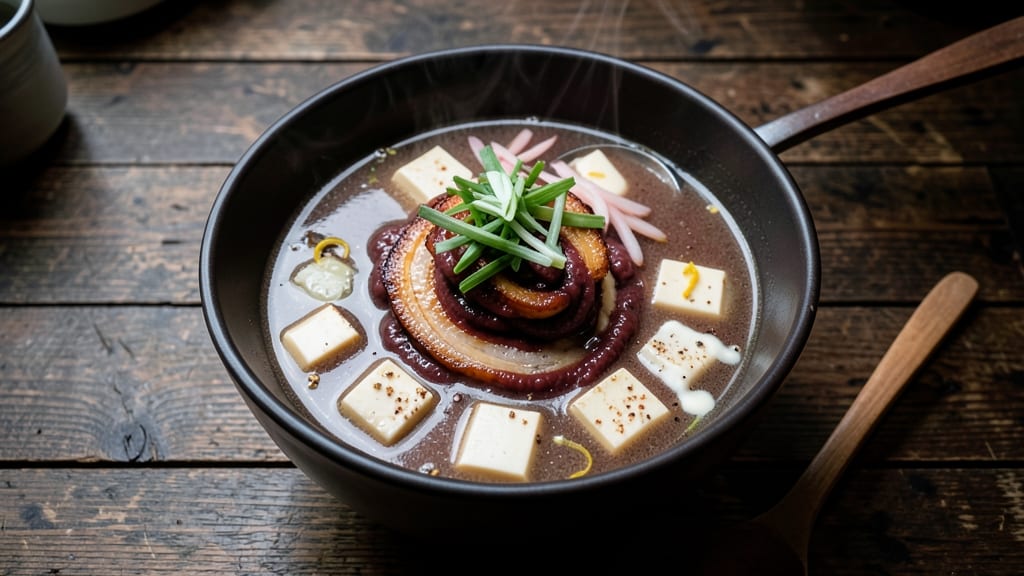
This midnight diner pork miso soup delivers the kind of deep, umami-rich comfort that only comes from hours of slow simmering and careful balancing. 💛 As someone who's spent years perfecting pork techniques—from my time at The Smoky Pig to my own farm—I know how to transform simple ingredients into something extraordinary.
The secret lies in the pork's slow rendering and the miso's gradual infusion, creating a broth that's both complex and deeply satisfying.
The recipe begins with a pork shoulder, cut into tender chunks that will melt into the broth, releasing layers of savory depth. We're using a blend of red and white miso for that perfect balance—earthy yet bright, with just enough sweetness to complement the pork's natural richness.
The key is patience: letting everything simmer until the flavors meld together seamlessly, creating a soup that's restaurant-quality without requiring hours at the stove.
What you'll end up with is a steaming bowl of silky miso broth, where tender pork pieces float among delicate tofu cubes and delicate greens. The aroma alone will transport you to a late-night diner, while the first sip delivers that perfect harmony of umami, saltiness, and subtle sweetness.
This isn't just soup—it's a complete dining experience in one bowl, designed to warm you from the inside out.
The beauty of this recipe is its versatility. Serve it as a light dinner with steamed rice, or make a big batch for a crowd—it reheats beautifully while maintaining that restaurant-quality texture.
For those late-night cravings or cozy winter evenings, this pork miso soup is the perfect answer. Let's get started on creating something truly special.
Ingredients for midnight diner pork miso soup
Pork shoulder, miso pastes, and silken tofu create this restaurant-worthy midnight diner soup.
| Ingredient | Amount | Notes |
|---|---|---|
| Pork Shoulder 🥩 | 1 ½ lb | Cut into 1-inch chunks, bone-in preferred |
| Red Miso Paste 🍶 | ½ cup | High-quality, unsweetened |
| White Miso Paste 🍶 | ¼ cup | For brightness and balance |
| Silken Tofu 🧀 | 1 package | 12-14 oz size, drained |
| Green Onions 🧅 | ½ cup | Sliced, white and green parts separated |
| Fresh Ginger 🧄 | 1 inch | Peeled, sliced thin |
| Garlic Cloves 🧄 | 6 cloves | Minced for depth |
| Dashi Granules 🍶 | 1 tbsp | Or 1 cup homemade dashi |
| Low-Sodium Chicken Broth 💧 | 4 cups | Homemade or quality store brand |
| Sesame Oil 🫒 | 1 tbsp | For finishing, toasted |
| Soy Sauce 🍶 | 1 tbsp | For umami boost |
| Rice Vinegar 🍶 | 1 tbsp | Balances richness |
| Bok Choy 🥬 | 2 pieces | Baby size, leaves separated |
| Sea Salt 🧂 | 1 tsp | Adjust to taste |
| White Pepper 🌶️ | ¼ tsp | Freshly ground |
The pork shoulder is your flavor anchor—bone-in gives the most depth, but boneless works too. Look for well-marbled cuts at the butcher counter or pre-cut sections at Whole Foods or Costco. For miso, Miso Master or Hodo brands are my go-tos—they've got that perfect balance of funk and sweetness. If you're using store-bought, check the ingredients list: you want just miso, salt, and maybe a touch of koji. The silken tofu should be smooth and jiggly, not crumbly or watery. Nasoya or House Foods are reliable brands, or make your own by blending soft tofu with water.
No red miso? White miso plus 1 tsp beet powder gets you close. Short on dashi? Kombu and bonito flakes work perfectly. The bok choy can be subbed with spinach or napa cabbage—just adjust cooking time. For extra richness, add 1 tbsp of mirin with the vinegar. The sesame oil is non-negotiable for that authentic diner aroma, but use sparingly—it's potent stuff. Fresh ginger is ideal, but powdered works at half the amount. The key is balancing those miso pastes: start with the ratio given, then adjust to taste.
This soup tastes even better the next day—reheats beautifully while keeping that velvety texture. Store in airtight containers for 4-5 days in the fridge or freeze for 3 months. I always make double batches because it disappears fast. For serving, keep the broth hot and the toppings (green onions, tofu, bok choy) separate until the last minute. That way, everything stays vibrant and delicious.
Why You'll Love This Recipe
- One-Pot Magic: This soup basically cooks itself. Toss pork shoulder in a pot, add broth and miso, then let it simmer while you chop green onions—no fancy techniques, just hands-off perfection.
- Umami Bomb: That combo of red and white miso? Deep, savory, and just sweet enough. The silken tofu soaks it up like a sponge, and the pork gets tender enough to melt—honestly, I’ve never tasted a miso soup this rich without hours of simmering.
- Late-Night Hero: Between us, this is the only thing I can make at 2 AM after a long shift. It’s hearty enough to fill you up but light enough to not weigh you down—plus, the leftovers taste even better the next day.
- Budget Stretch: Pork shoulder is cheap, miso lasts forever, and tofu is a protein powerhouse. I feed four people for under $15, and there’s always enough for lunch the next day—no sad, wilted leftovers here.
Step-by-step instructions for umami-rich pork miso soup
Here's how to create a soul-warming bowl with deep umami layers and silky textures!
🔥 Step 1: Sear the Pork for Maximum Flavor
Heat a large Dutch oven over medium-high heat. Add the 1.5 lb pork shoulder cut into 1-inch chunks and sear undisturbed for 3-4 minutes per side until deeply browned. This Maillard reaction creates the rich foundation for your soup.
Once browned, remove the pork and set aside. In the same pot, add 1 tablespoon dashi granules and 1 tablespoon soy sauce, scraping up any browned bits from the bottom. These bits are pure flavor gold—don't miss this step!
🍳 Step 2: Build the Miso Broth Base
Return the seared pork to the pot and add 4 cups low-sodium chicken broth. Bring to a gentle simmer over medium heat, then reduce to low heat and cover partially. Let it cook for 30 minutes until the pork is fork-tender and easily pulls apart.
While the broth simmers, prepare the miso mixture in a small bowl by whisking together 0.5 cup red miso paste and 0.25 cup white miso paste with 1 tablespoon rice vinegar. This balance gives you both deep umami and bright acidity—trust me, it's magic!
🥘 Step 3: Infuse and Finish the Broth
Strain the pork broth through a fine-mesh sieve into a clean pot, pressing gently on the solids to extract maximum flavor. Return the broth to medium heat and whisk in the miso mixture until completely dissolved. The broth should be smooth and glossy with no visible miso chunks.
Add 1 inch peeled, sliced ginger, 6 minced garlic cloves, and 0.5 cup sliced green onions (white parts only). Simmer gently for 10 minutes to infuse the flavors. This is where the aromatic magic happens—your kitchen will smell incredible!
🍳 Step 4: Prepare the Silky Tofu and Vegetables
While the broth simmers, gently press the 1 package silken tofu between paper towels to remove excess water. Cut it into ½-inch cubes—they'll melt beautifully into the soup without getting mushy.
Separate the 2 pieces bok choy into leaves, discarding the thick stems. Reserve 2 tablespoons green onion greens for garnish. The tender bok choy will absorb all that rich miso flavor while adding freshness.
⏰ Step 5: Assemble and Serve with Perfect Garnishes
Return the pork to the broth and add the tofu cubes and bok choy leaves. Simmer gently for just 2-3 minutes—enough to warm through but not enough to overcook the delicate tofu. Season with 1 teaspoon sea salt and 0.25 teaspoon white pepper.
Ladle the soup into bowls and finish with a drizzle of 1 tablespoon toasted sesame oil and the reserved green onion greens. The contrast of silky tofu, tender pork, and crisp bok choy with that glossy miso broth is pure comfort food perfection!
Pro Tips For Making Midnight Diner Pork Miso Soup
- Brown the Pork First: Don’t skip the sear—cut the pork shoulder into 1-inch chunks and brown them in a hot pot with a splash of oil before adding broth. I used to toss it in raw, and the soup just didn’t have that deep, savory punch. Two minutes per side until golden changes everything.
- Bloom the Miso: Heat your broth to a gentle simmer before stirring in the miso paste—never boil it. Add the red miso first, let it dissolve for 30 seconds, then fold in the white miso. I learned this the hard way when I dumped both in at once and ended up with clumpy, bitter soup.
- Cube the Tofu Dry: Pat the silken tofu bone dry with a towel before cutting it into cubes. Toss them in a little cornstarch if you’re impatient, but even better—let them sit in the simmering broth for just 2 minutes before adding the miso. The texture stays silky, not soggy.
- Save the Greens: Reserve a handful of chopped green onions to add last—right when you’re serving. Their fresh bite cuts through the richness, and it’s the one thing that makes this feel like a proper diner dish. (Yes, even if you’re making it at midnight.)
Wine and beer pairings for this recipe
Japanese Sake Pairings
The rich umami depth of this pork miso soup makes it a perfect match for Japanese sake varieties. I always reach for a dry junmai ginjo like Gekkeikan Sake—its crisp acidity and subtle floral notes cut through the soup's richness while complementing the miso's earthiness.
The 14-15% alcohol content provides enough warmth to stand up to the pork's savory notes without overpowering them. 🍶
For a lighter option, try a Nigori sake with its unfiltered cloudiness—brands like Dassai work beautifully. The slight sweetness balances the soup's saltiness, creating a harmonious pairing that feels like a late-night diner secret. Serve both sake and soup slightly chilled (45-50°F) to enhance the flavors' interplay.
Craft Beer Complements
If you prefer beer, a Japanese-style lager like Sapporo or Asahi Super Dry provides the perfect crisp, clean palate cleanser. The subtle hop bitterness (15-20 IBU) enhances the soup's umami without competing. I often serve this pairing during my farm's seasonal dinners—it's a crowd-pleaser every time.
For a more adventurous option, try a Belgian witbier like Hoegaarden. The citrusy coriander and orange peel notes (18-22 IBU) mirror the ginger and green onion flavors in the soup, creating a refreshing contrast.
Serve the beer slightly colder (40-45°F) to highlight these bright flavors against the soup's warmth.
Red Wine Surprises
While sake and beer are traditional pairings, a light-bodied red wine like Pinot Noir from Oregon's Willamette Valley adds unexpected depth. Look for wines with 12-13% alcohol and low tannins—brands like Domaine Serene work perfectly.
The wine's red fruit notes complement the pork's richness while its earthy undertones echo the miso's depth.
For a more affordable option, try a Spanish Garnacha like Bodegas Muga Crianza. The wine's spicy pepper notes (14% alcohol) enhance the soup's umami profile, creating a pairing that feels both sophisticated and approachable.
Serve the wine slightly below room temperature (55-60°F) to let its fruit-forward character shine.
Non-Alcoholic Options
For those who prefer non-alcoholic pairings, I recommend a Japanese barley tea like Suntory Calpis Water. Its subtle sweetness and crisp finish complement the soup's savory notes without overpowering them. The tea's effervescence also helps cleanse the palate between sips.
Another excellent option is yuzu soda—the citrusy brightness (10-12% acidity) mirrors the rice vinegar in the soup while providing a refreshing contrast. Brands like Kirin Yuzu Soda are widely available and perfect for this pairing. Serve both the soup and beverage slightly chilled for the best experience.
Nutrition facts
Frequently asked questions
Can I substitute chicken for pork in this recipe?
While pork adds that deep, satisfying richness to the broth, you can absolutely use chicken! Use 1.5 lb boneless, skinless chicken thighs instead of pork shoulder—they'll stay juicier and absorb the miso flavors beautifully. Just reduce the cooking time to 20 minutes once the broth simmers, as chicken cooks faster than pork.
Why does the recipe call for both red and white miso?
The combination creates perfect balance—red miso delivers that deep, earthy umami while white miso adds brightness and a touch of sweetness. Think of it like a flavor sandwich: the red miso grounds the dish, and the white miso lifts it up. If you're short on white miso, add 1 tsp of sugar or honey to your red miso paste to mimic that subtle sweetness.
How do I prevent the tofu from getting mushy?
Silken tofu is delicate, so handle it gently! Press it lightly between paper towels to remove excess water, then cut into ½-inch cubes. Add the tofu to the broth just 2-3 minutes before serving—this keeps it silky rather than absorbing too much liquid. For extra firmness, chill the tofu for 30 minutes before pressing.
Can I make this soup ahead of time?
This soup tastes even better the next day! Store it in airtight containers in the fridge for 4-5 days or freeze for 3 months. When reheating, warm gently on low heat and add fresh tofu and bok choy just before serving to keep them tender. The flavors deepen overnight, making it perfect for meal prep.
What's the best way to thicken the broth?
If you prefer a thicker consistency, whisk in 1 tbsp cornstarch mixed with 2 tbsp water at the end and simmer for 1-2 minutes. For a more traditional approach, blend ½ cup of the broth with the solids, then strain it back in. Pro tip: Let the soup sit uncovered in the fridge for 1 hour before serving—the fat will solidify on top, creating a natural richness you can spoon off or mix back in.